
Haunting theory that Amelia Earhart was eaten by giant crabs as disappearance may finally be solved

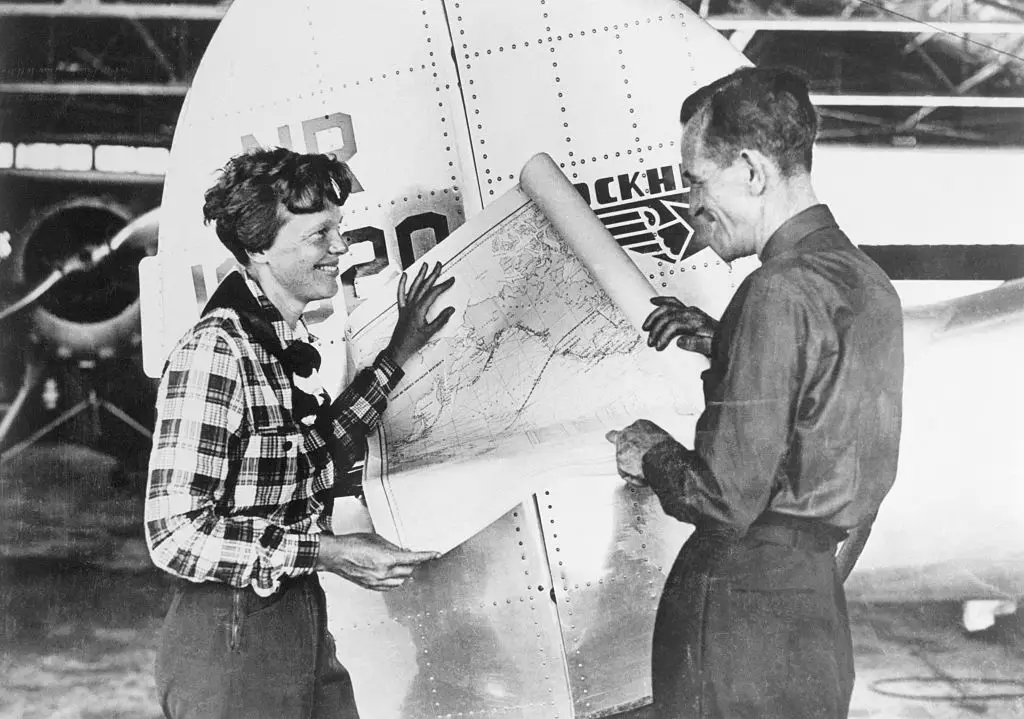
The resurfaced theory that giant coconut crabs ate Amelia Earhart is linked to the idea that she and her navigator, Fred Noonan, survived an emergency landing on the uninhabited Pacific atoll of Nikumaroro Island in July 1937.
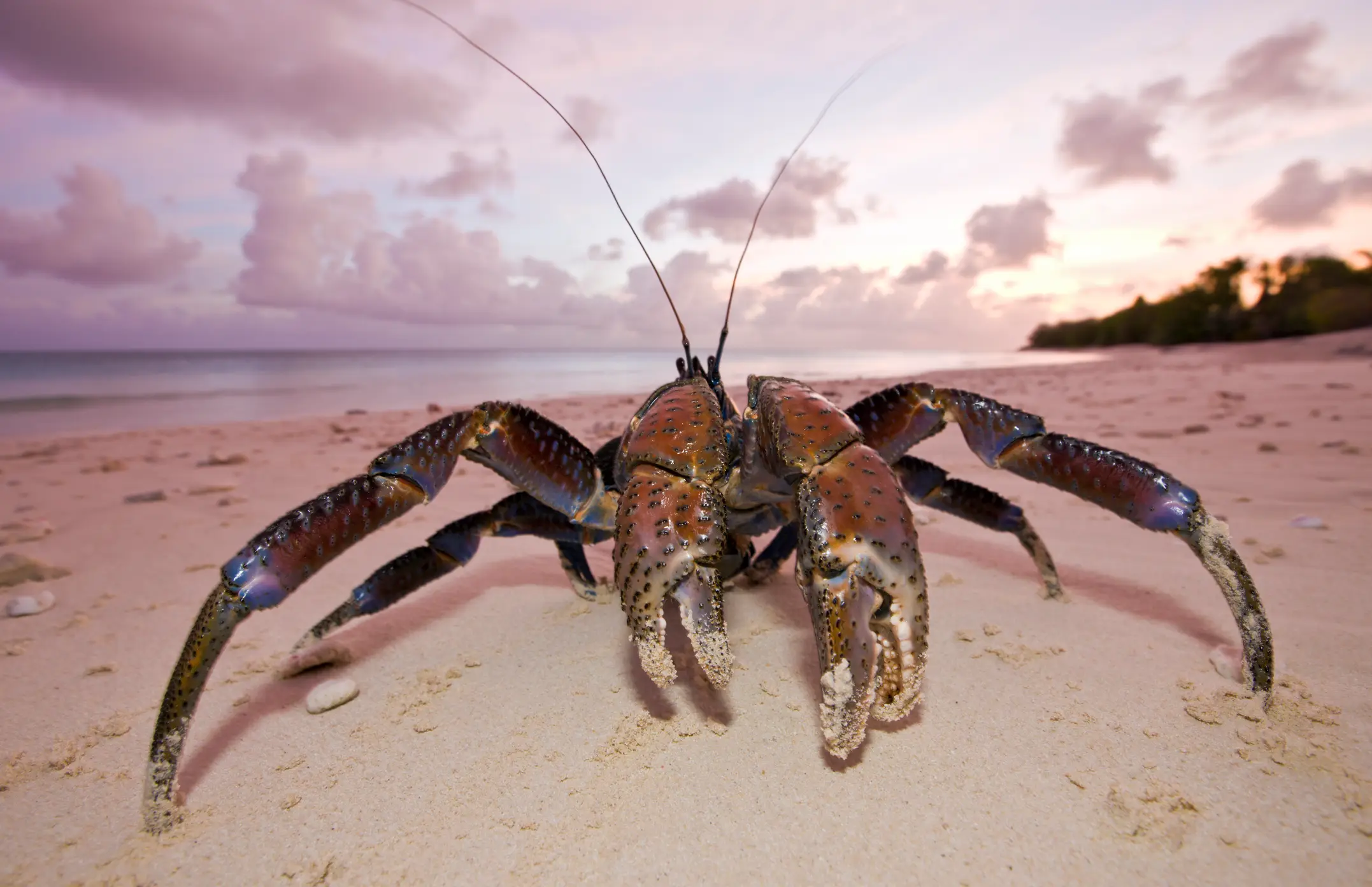
Coconut crabs are the world's largest land-living arthropods and crustaceans, with leg spans up to 3 feet, weighing over 4 kg and a massive pinch force capable of cracking open coconuts.
Proponents of the theory suggest that if Earhart and Noonan landed on Nikumaroro, they may have died on the island, and the local population of aggressive, carnivorous coconut crabs dragged and scavenged their remains.
In 1940, a British officer discovered 13 human bones on Nikumaroro, which were later lost, along with a makeshift campsite, American-made artifacts and a section of a shoe.
‘Nikumaroro is the final resting place of Earhart’
Advert
It comes after a 2018 experiment using pig carcasses demonstrated that coconut crabs could strip a body's flesh and scatter bones within a couple of weeks.
As of 2014, NASA notes that ‘for decades, forensic scientists, historians, and aviation aficionados have searched for evidence that Earhart landed the Lockheed Electra 10E on Nikumaroro’.
“British colonists in the late 1930s found human bones, a woman's shoe, airplane parts, bottles of cosmetics, and a box that once contained a sextant (for navigation), among other items,” the space agency said.
“Later explorations have turned up evidence of campfires and of shells and fish, turtle, and bird bones that appeared to have been eaten.”
While the latest evidence suggests that ‘Nikumaroro is the final resting place of Earhart’, a Purdue University team is actively conducting a new investigation.
The 17-member expedition crew arrived at the remote Pacific atoll of Nikumaroro Island on Monday and have started setting up their staging operations.
'It is incredibly rewarding to be this close'

The team is on the island for five days to investigate the ‘Taraia Object’, an anomaly sitting in a shallow reef lagoon.
It was first spotted in satellite imagery in 2020, and historical researchers later confirmed it was also visible in aerial photographs dating as far back as 1938 – just one year after Earhart vanished.
Scientists are using specialized equipment, including sonar and magnetometers, to determine if this object is the submerged wreckage of Earhart’s missing Lockheed Electra 10-E aircraft.
“It is incredibly rewarding to be this close to completing our inspection of the Taraia Object and potentially solving, at long last, the outstanding mystery of the disappearance of Amelia Earhart and Fred Noonan more than 89 years ago,” said Rick Pettigrew, executive director of the Archaeological Legacy Institute (ALI) and leader of the expedition.
Topics: Amelia Earhart, US News, History
 Anish Vij