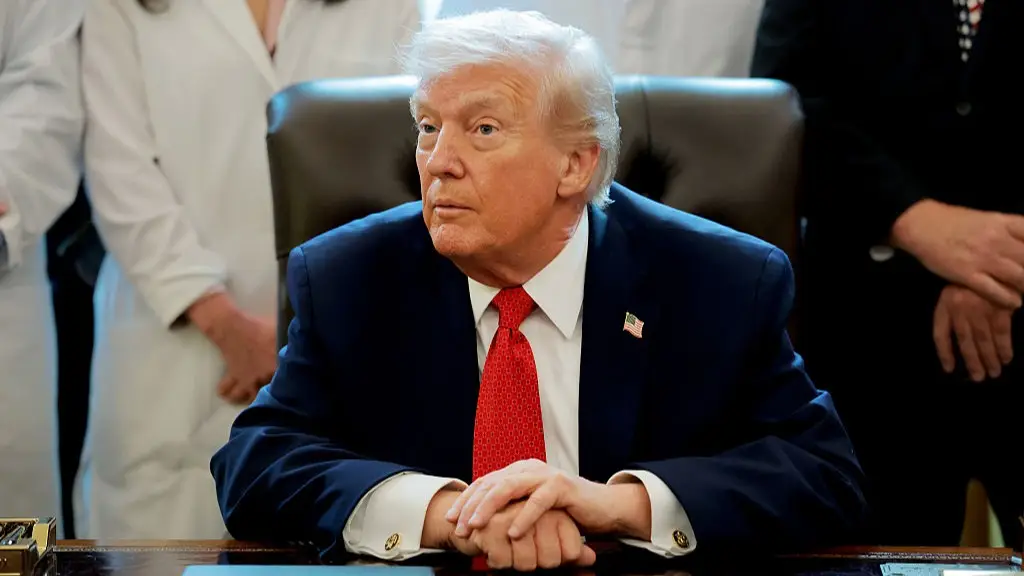
What Donald Trump’s new marijuana executive order actually means

Donald Trump signed an executive order last week that ended more than 50 years of drug policy.
The US president has now gone through with his plan - which was the source of much speculation earlier this year - to move weed to a Schedule III substance.
The drug, which had a Schedule I status prior to the order signing, will now be treated substantially differently than before.
When cannabis was classified under the Schedule I status, it put it in the same ballpark as cocaine and heroin.
Advert
But not anymore.
“I’m pleased to announce that I will be signing an Executive Order to reschedule marijuana from a Schedule I to a Schedule III controlled substance with legitimate medical uses,” Trump recently said in the Oval Office.
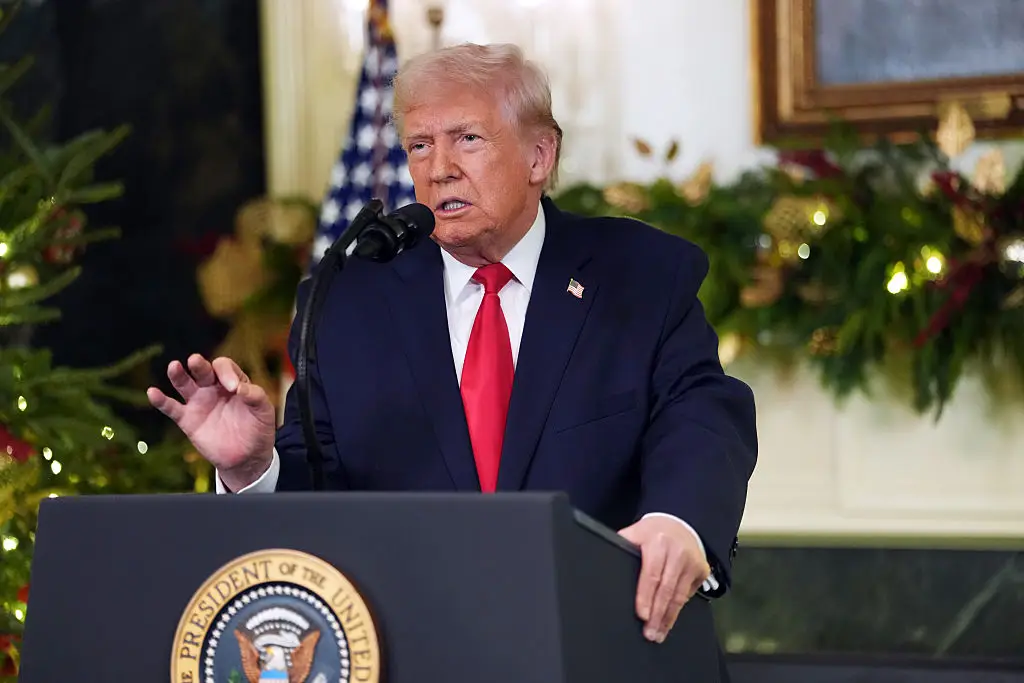
The order will not immediately reclassify the drug, but it does direct the US Attorney General to change cannabis' classification 'in the most expeditious manner'.
This means that the Justice Department and Drug Enforcement Administration (DEA) can complete the reschedule as soon as possible.
But while you might think this move will legalise weed across America, that’s not what the order means.
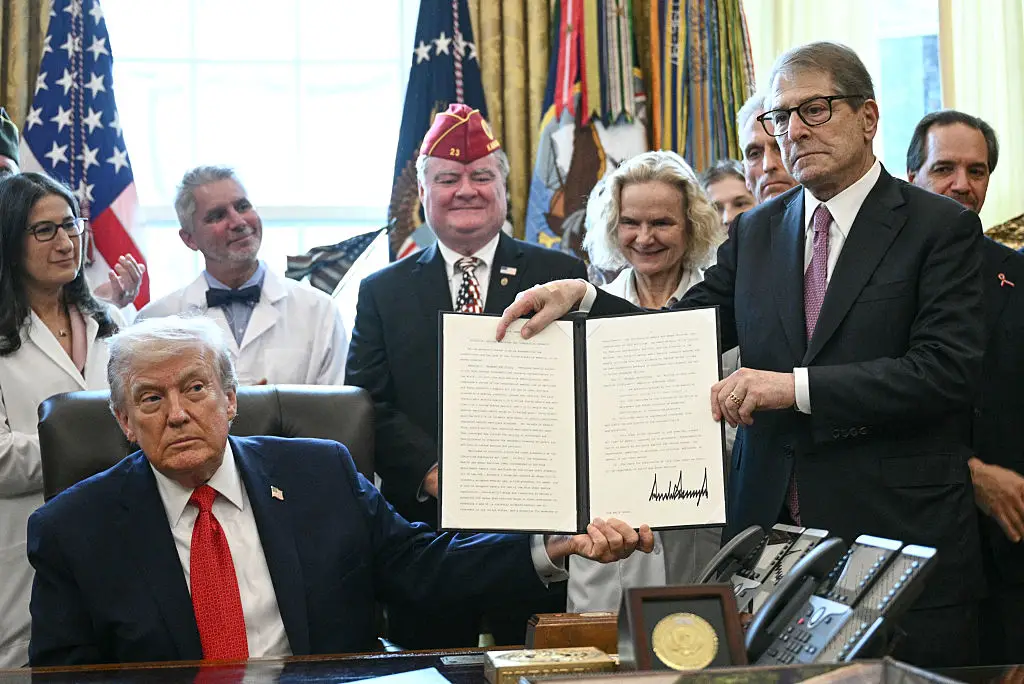
President Trump's Executive Order titled 'Increasing medical marijuana and cannabidiol research' states its purpose as: "Americans deserve access to the best medical treatments and research infrastructure in the world."
Because a lot of Americans rely on cannabis-derived products to help manage chronic pain or conditions, the federal government has believed that cannabis is highly addictive and is not something that can be used for medical purposes.
This has been the official government line since 1970.
The order instead means that scientists can research its impact and figure out what it could do for healthcare.
"That oversight has limited the ability of scientists and manufacturers to complete the necessary research on safety and efficacy to inform doctors and patients," the Executive Order states.
Under Schedule III, it will now be treated as a drug that has acceptable medical uses and moderate-to-low potential for addiction.
It also requires a doctor's prescription to access it.
Chad Johnson, an assistant professor in pharmaceutical sciences and the director of graduate studies in medical cannabis at the University of Maryland, told ABC News that experts steer clear of researching Schedule I drugs because of the barriers they face.
"There's a lot of people who tend to stay away from those S1 substances for that reason, because it's just too big of a hassle, not to mention you have to track every milligram or every bit that you're using with a fine-tooth comb and report that to the DEA," Johnson said.
But now the order has been signed, it ‘removes those barrier...and I think that will be a huge factor in bringing in a lot of new talent and a lot of old talent that maybe just wanted to stay away from it when it was still Schedule I'.
Topics: Donald Trump, Drugs, US News
 Britt Jones