What happens now as Trump administration reclassify cannabis

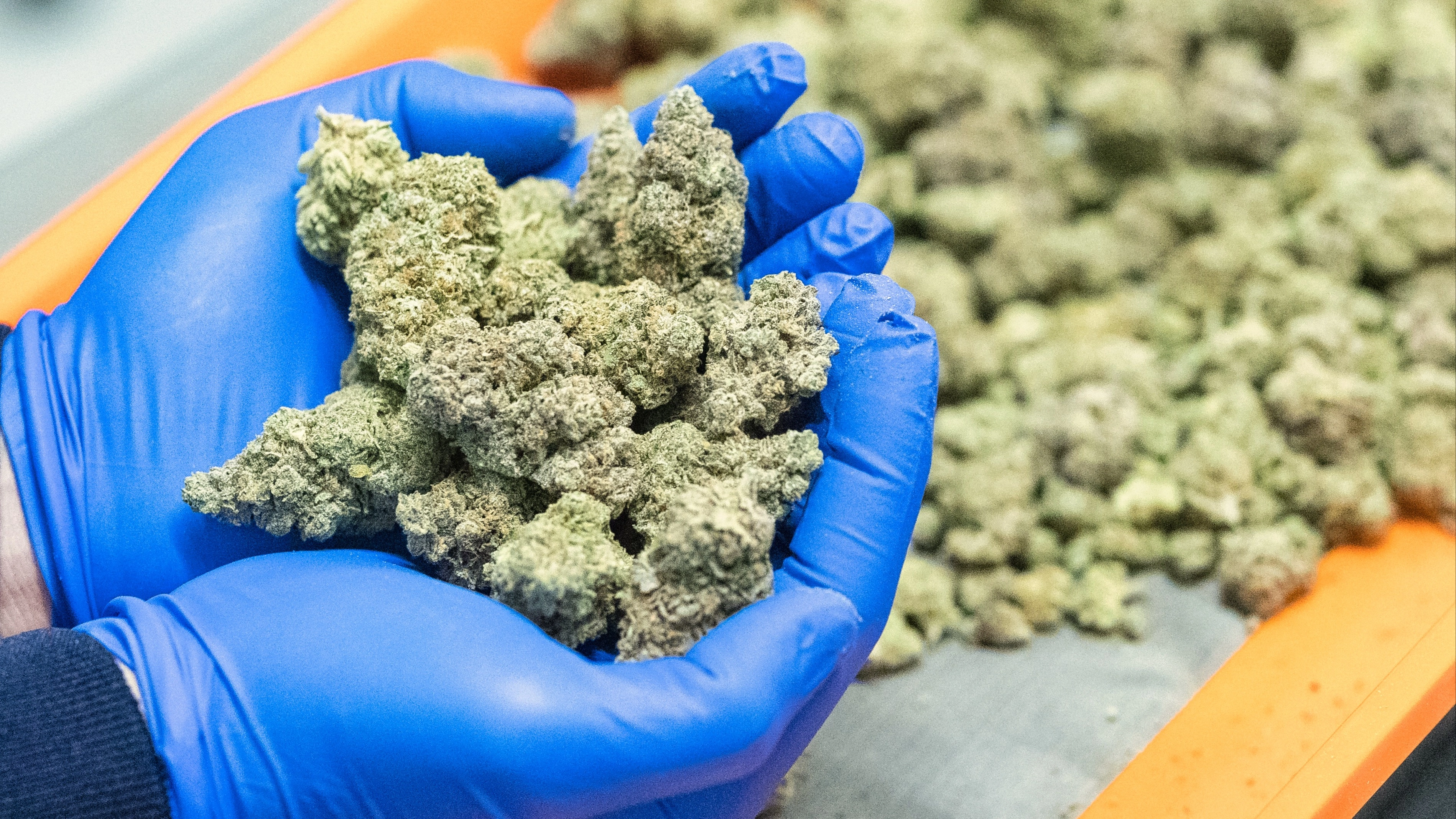
US president Donald Trump's administration has taken a major step in reclassifying medical cannabis in the US as a less dangerous drug.
While the move doesn't declassify state-licensed marijuana across the US, it changes how medical cannabis is regulated and researched.
Acting attorney general Todd Blanche has signed an order shifting state-licensed medical marijuana from Schedule I to Schedule III under what's known as the federal Controlled Substances Act.
Schedule I drugs are categorised as having no accepted medical use and a high potential for abuse, the same category as heroin.
Advert
Schedule III drugs, meanwhile, have moderate to low potential for dependence and have recognised medical uses.
Despite the change, marijuana remains illegal at the federal level for both recreational and medical use.
Why Trump has reclassified medical cannabis in the US
Blanche said that the Department of Justice was 'delivering on President Trump’s promise' to expand Americans’ access to medical treatment options.
“This rescheduling action allows for research on the safety and efficacy of this substance, ultimately providing patients with better care and doctors with more reliable information,” he said in a statement.
What stays illegal
The order, however, only applies to marijuana distributed through state-licensed medical programmes.
Cannabis products outside those systems - including most recreational marijuana under federal law - will remain classified as Schedule I drugs.
Who benefits from cannabis being rescheduled
Researchers
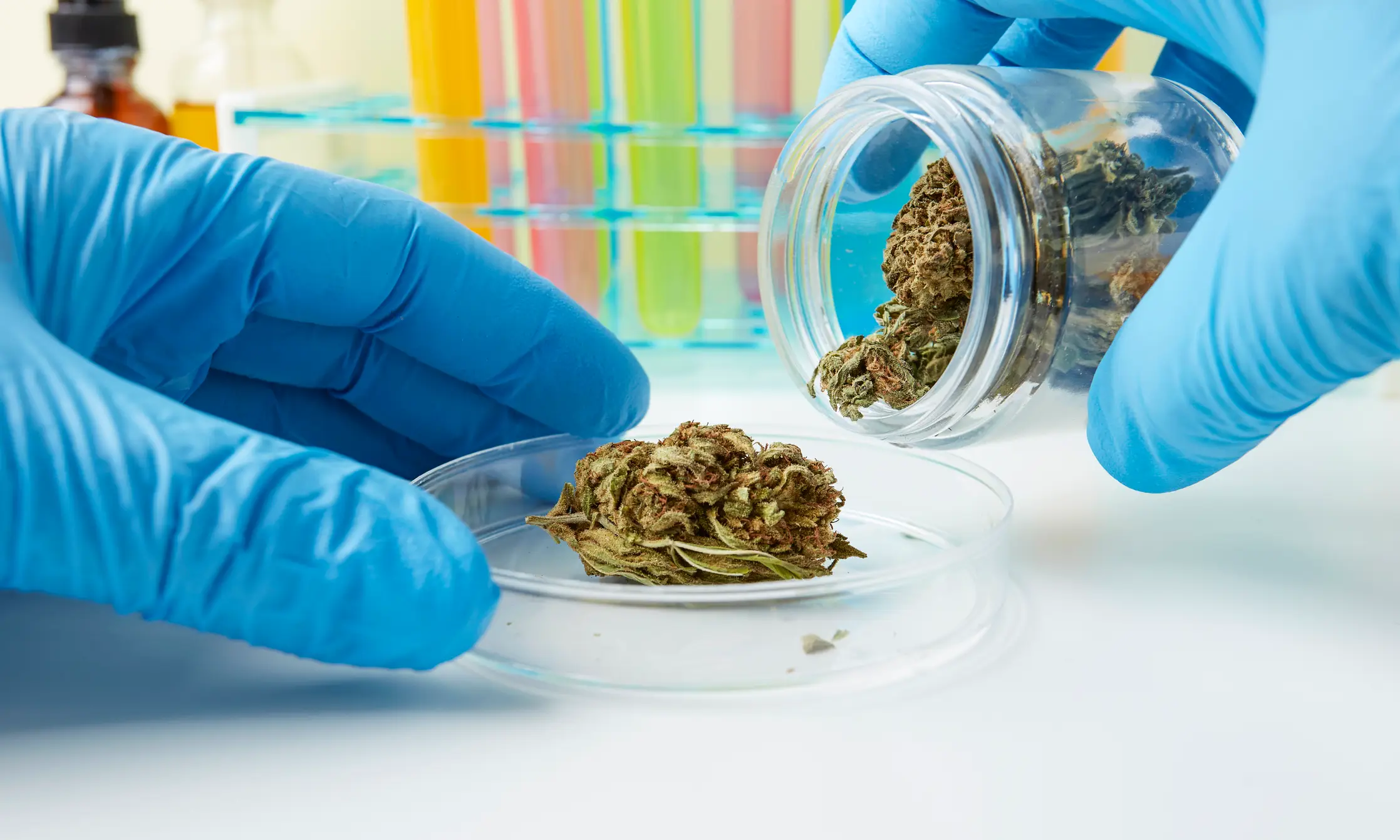
When cannabis was classified as Schedule I, it was very difficult for clinical studies to be conducted on its potential medicinal uses.
Researchers had to obtain a Schedule I license, a difficult process, and PBS reports many scientists just relied on other people's reports of their marijuana use to get around it.
The change in the law will mean it's easier to conduct more rigorous studies on medicinal cannabis.
Businesses
Unlike almost all other businesses, companies that sold cannabis couldn't write off necessary operating expenses like rent, employees' pay cheques and utilities from their federal taxes.
PBS says some were paying as much as 70 percent tax.
But with cannabis now a Schedule III drug, businesses selling cannabis are set to see serious tax relief.
What happens next
The administration will begin administrative hearings in June to consider whether marijuana should be broadly rescheduled across federal law.
The decision could face political pushback as some Republicans oppose loosening marijuana restrictions, arguing that increasingly potent cannabis products require more research before rules are relaxed further.
For now, the change represents the biggest federal shift on cannabis policy in decades, potentially expanding research and providing financial relief for the rapidly growing medical marijuana industry.
Morgan Fox, of the National Organization for the Reform of Marijuana Laws (Norml), called Trump's change 'symbolic'.

"Moving it out of that classification allows us to have policy conversations that don't start and end with that definition," Fox said.
"Lots of policymakers continue to fall back on that, and really won't even discuss the issue as long as cannabis is Schedule I."
"The real solution to the issue is to de-schedule cannabis at the federal level, not just move to Schedule III, and then start changing the laws in regulatory ways that provide guidance, so we can get a little bit of uniformity," added Fox.
States that allow medical cannabis use
- 40 states operate medical marijuana programmes
- 24 states plus Washington DC allow recreational use
- Eight more states allow low-THC cannabis or CBD oil
- Only Idaho and Kansas still ban marijuana entirely
Topics: Donald Trump, Drugs, US News
 Anish Vij