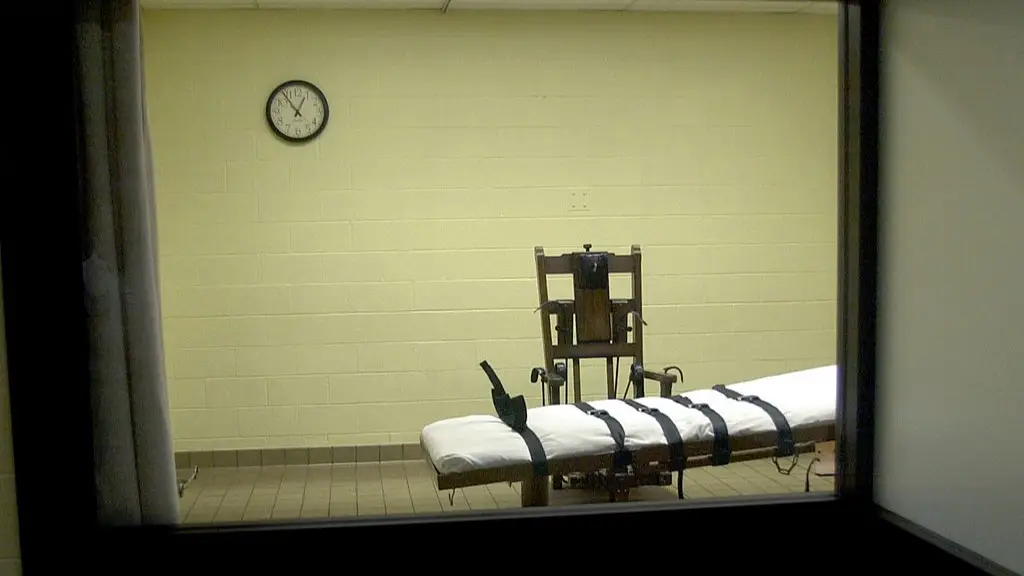
All of the failed lethal injection executions in the last decade

Capital punishment in the United States has been happening for centuries, with executions dating back to the 1700s.
Fast forward to today, 27 of the 50 states retain the death penalty, and it is significantly more regulated and legally scrutinised than it was centuries ago.
In 2025, 47 executions were successfully carried out across the nation, the Death Penalty Information Center outlines. But this doesn't mean that things can't go wrong.
Christa Pike's botched execution by lethal injection has been in the headlines recently, with it being reported that the convicted murderer is conscious and talking in her hospital bed after two doses of pentobarbital failed to stop her heart on 30 September.
Advert
Although Pike is believed to be the first person to ever survive the lethal injection after receiving a full dose, she's far from alone when it comes to botched executions.
Here, we revisit the most high-profile failed executions by lethal injection in the last decade.
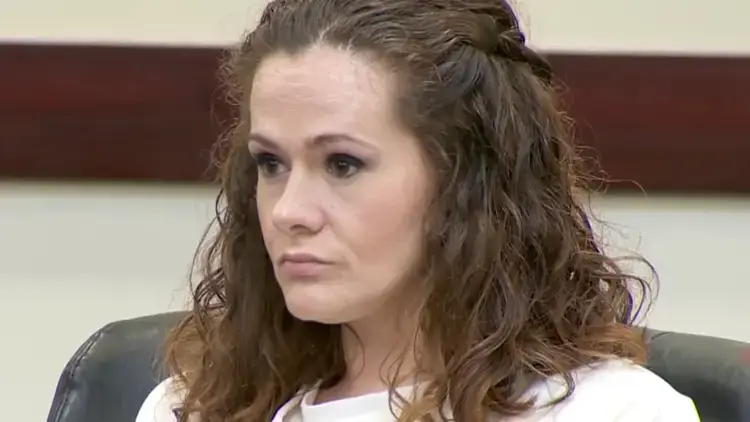
Tony Carruthers, Tennessee
On 21 May, 2026, Tony Carruthers was set to be the first American in over a century to be executed after representing himself at trial - for which he was found guilty of kidnapping and murdering three people in 1994.
During his execution attempt, officials quickly secured a primary IV line, but the protocol also required the executioners to establish a secondary 'backup line' - something that proved to be difficult.
"The team attempted to insert a central line pursuant to the protocol, but the procedure was unsuccessful," the Tennessee Department of Corrections said in a statement. "The execution was then called off."
Tennessee Governor Bill Lee said he would grant Carruthers a temporary reprieve from execution for one year.
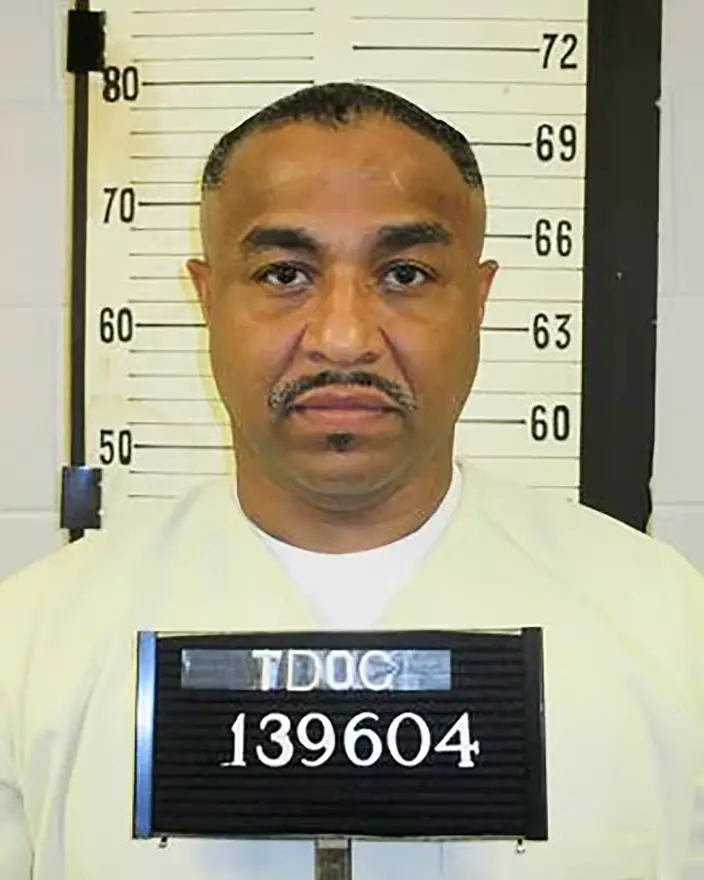
Thomas Creech, Idaho
It was on 28 February, 2024, when Thomas Creech's scheduled execution by lethal injection did not go as planned.
Creech had been imprisoned on two murder charges in 1974, although he was ultimately convicted of five murders across multiple states. After murdering a fellow inmate in 1981, he was sentenced to death two years later.
When the day of his execution arrived, the team tried and failed eight times to insert a functional IV, trying to insert the catheter in his 'arms, legs, hands and feet'.
The warden halted the execution after 58 minutes, and Creech returned to his cell, where he remains to this day.
Attorneys from the Idaho Federal Defender Services said: "This is what happens when unknown individuals with unknown training are assigned to carry out an execution."
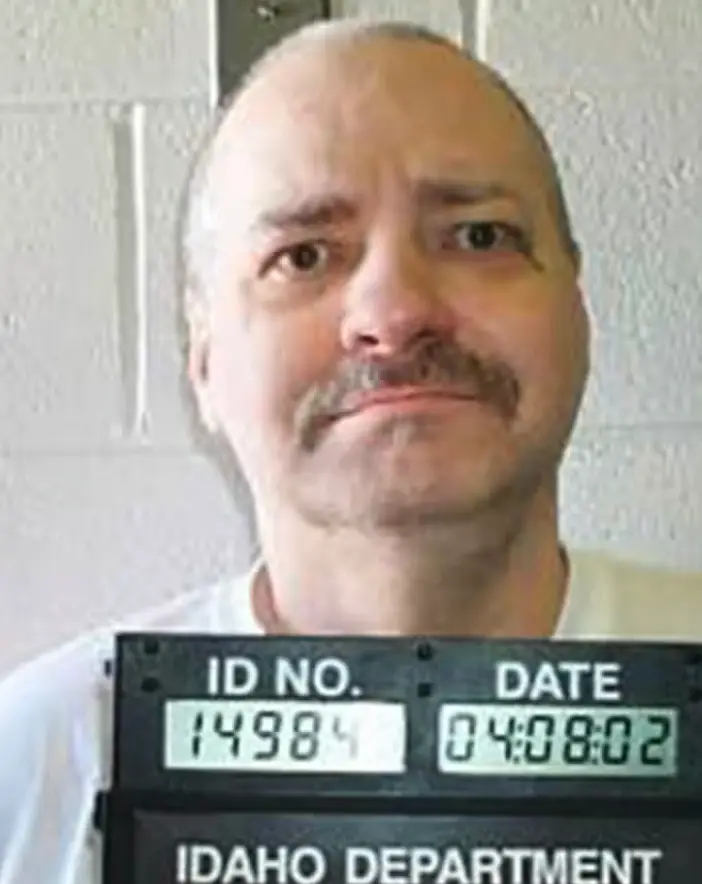
Kenneth Eugene Smith, Alabama
Though Kenneth Smith made headlines in January 2024 when he was successfully executed using the controversial method of nitrogen hypoxia, his original execution date was 17 November, 2022.
Smith's attorneys claimed he was strapped to the gurney for hours as staff repeatedly jabbed his arms and hands with needles, 'well past the point at which the executioners should have known that it was not reasonably possible to access a vein'.
The execution was ultimately called off and was rescheduled for 2024, when Smith, a convicted murderer, was put to death by nitrogen hypoxia - becoming the first death row inmate to die in such a way.
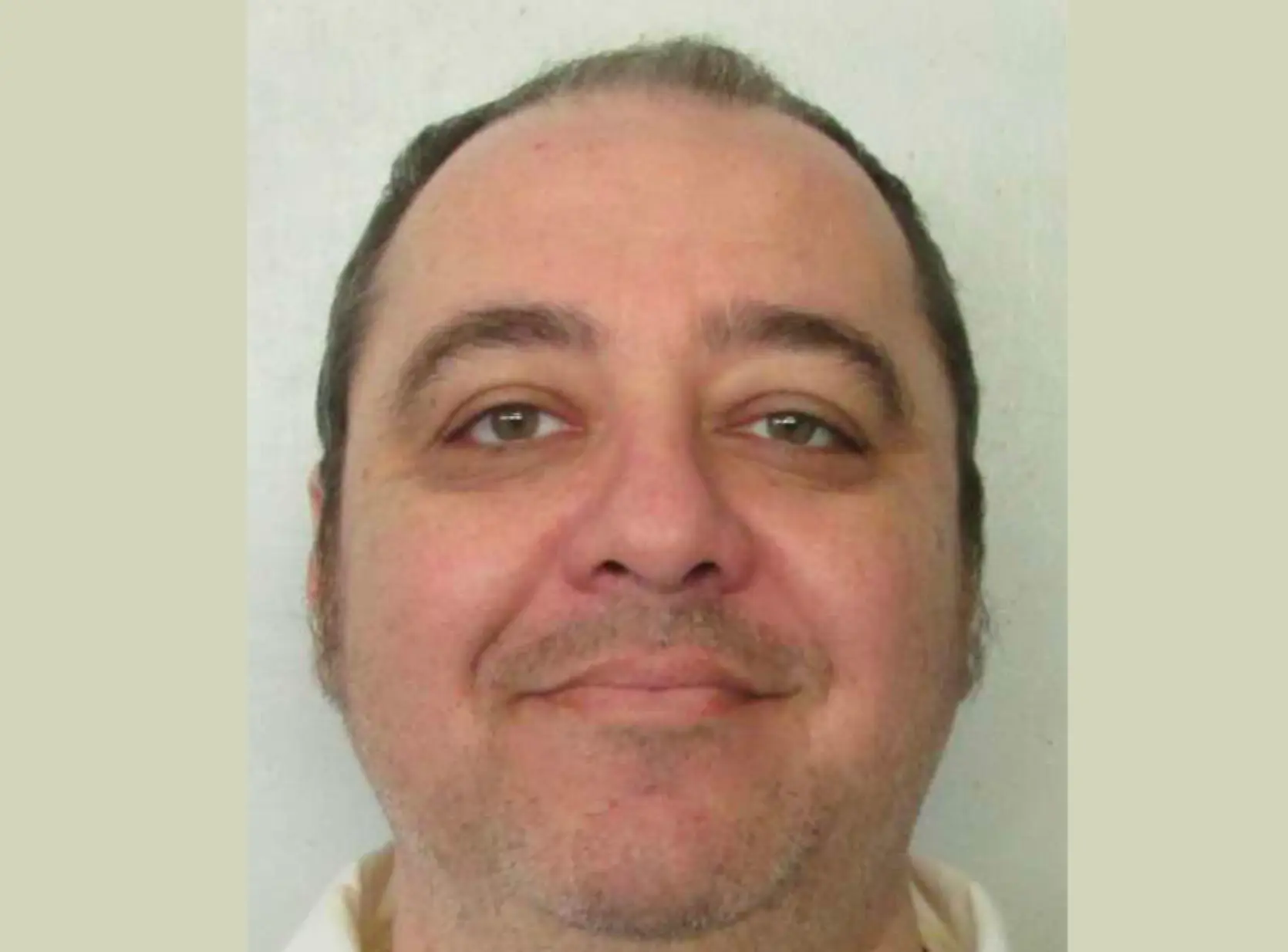
Alan Eugene Miller, Alabama
In strikingly similar circumstances to Kenneth Smith, Alan Eugene Miller also died by nitrogen hypoxia in September 2024 - and he also endured a failed lethal injection execution two years prior.
Miller, who was convicted of the 1999 murders of three co-workers, was originally scheduled to die by lethal injection on 22 September 2022, but it was called off when staff were unable to access a vein for more than an hour.
He later described this as 'excruciating', NBC News reports, as two men punctured him several times in his arms and a foot.
Miller asked the federal courts to prohibit Alabama from trying again to put him to death, but while the State agreed that it would no longer attempt to execute him by lethal injection, it said that any future attempt to put him to death would be by means of nitrogen hypoxia.
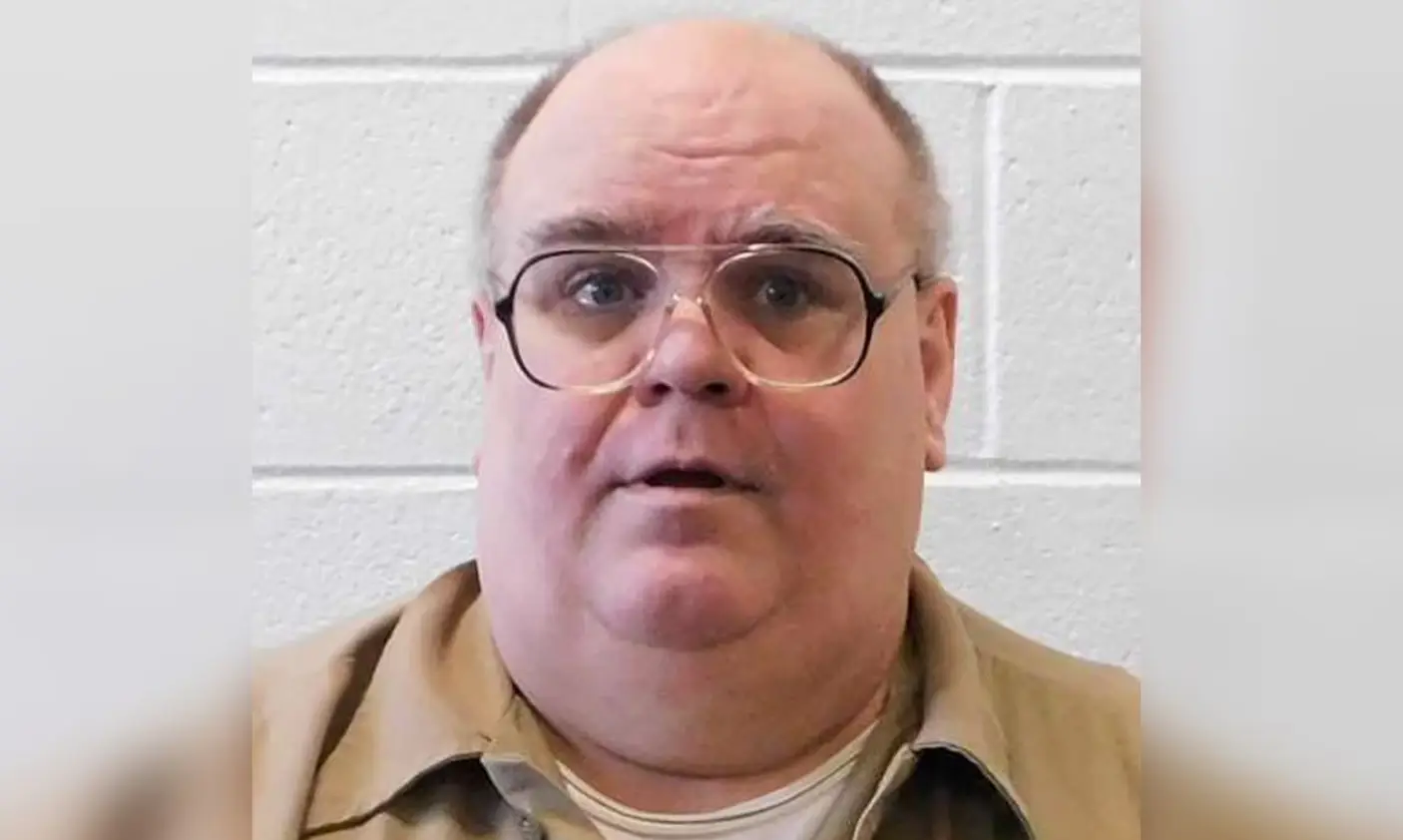
Doyle Lee Hamm, Alabama
On 22 February, 2018, Doyle Lee Hamm met his scheduled execution date just over three decades on from murdering a man in a robbery.
Despite several warnings from defence counsel that it would be impossible to find a vein to insert the catheter - due to Hamm suffering from advanced lymphatic cancer and carcinoma - the State went forward with the execution anyway.
For two and a half hours, staff tried to find a vein, leaving Hamm with ten to twelve puncture marks, including six in his groin and others that punctured his bladder and penetrated his femoral artery.
The execution was eventually called off, with Hamm's lawyer Bernard Harcourt saying, per Sky News: "It was a gory, botched execution. They gave up when they could not find a vein.
"Our case was that this would be tortuous and bloody and they wouldn't succeed... Doyle was lying there praying and hoping that they could succeed because of the pain"
Hamm went on to die from his cancer in 2021.
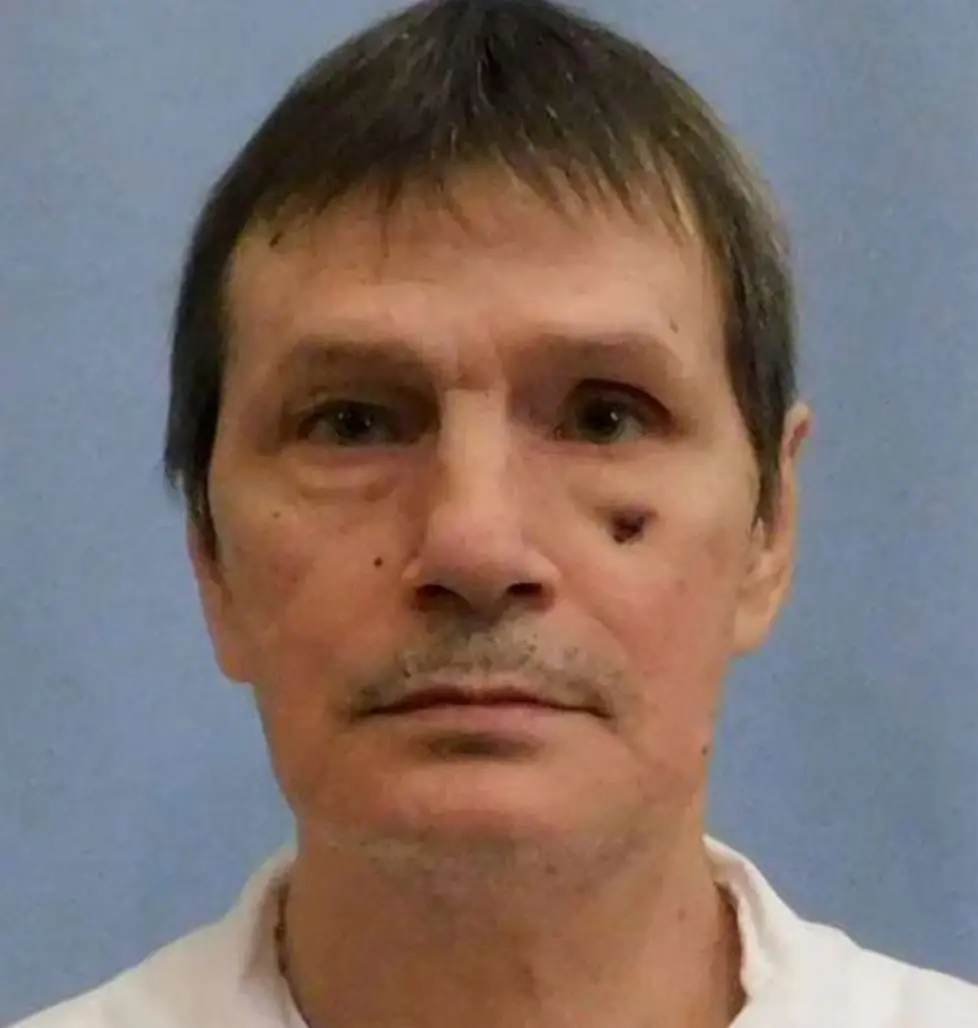
Alva Campbell, Ohio
Alva Campbell was sentenced to death after being convicted of a 1997 carjacking, kidnapping, and murder - a crime he carried out while out on parole for a previous murder conviction at the time.
His execution was scheduled on 15 November 2017, and at this time he was experiencing health issues. The Death Penalty Information Center describes how prison officials brought him into the death chamber in a wheelchair, and provided him a wedge pillow on the gurney, which was meant to help him breathe.
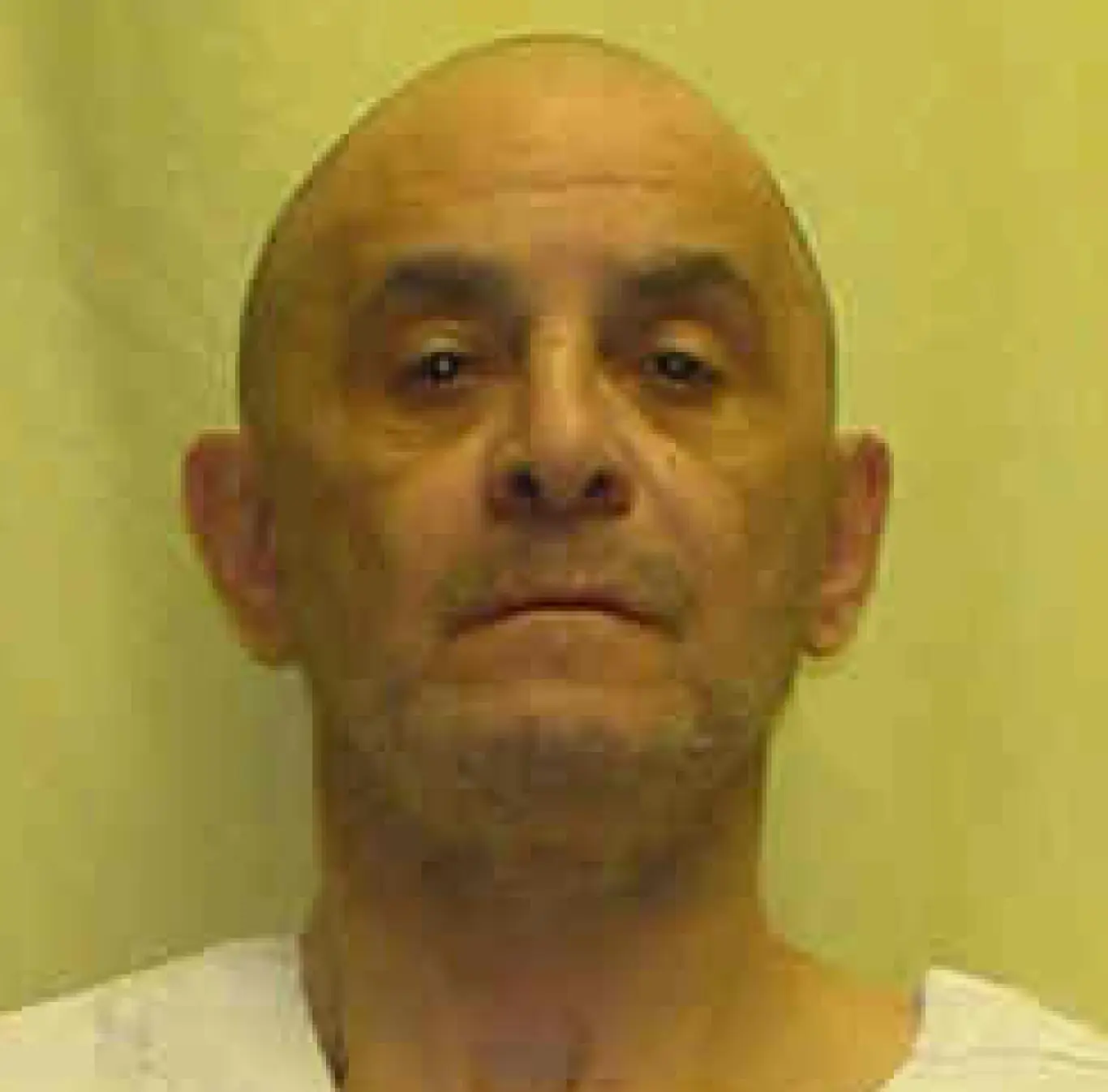
But after around 30 minutes of staff struggling to find a vein in his arms and his right knee, the execution was called off.
Less than four months later, on March 3, 2018, Campbell died on death row of his terminal medical conditions.
 Emily Puckering