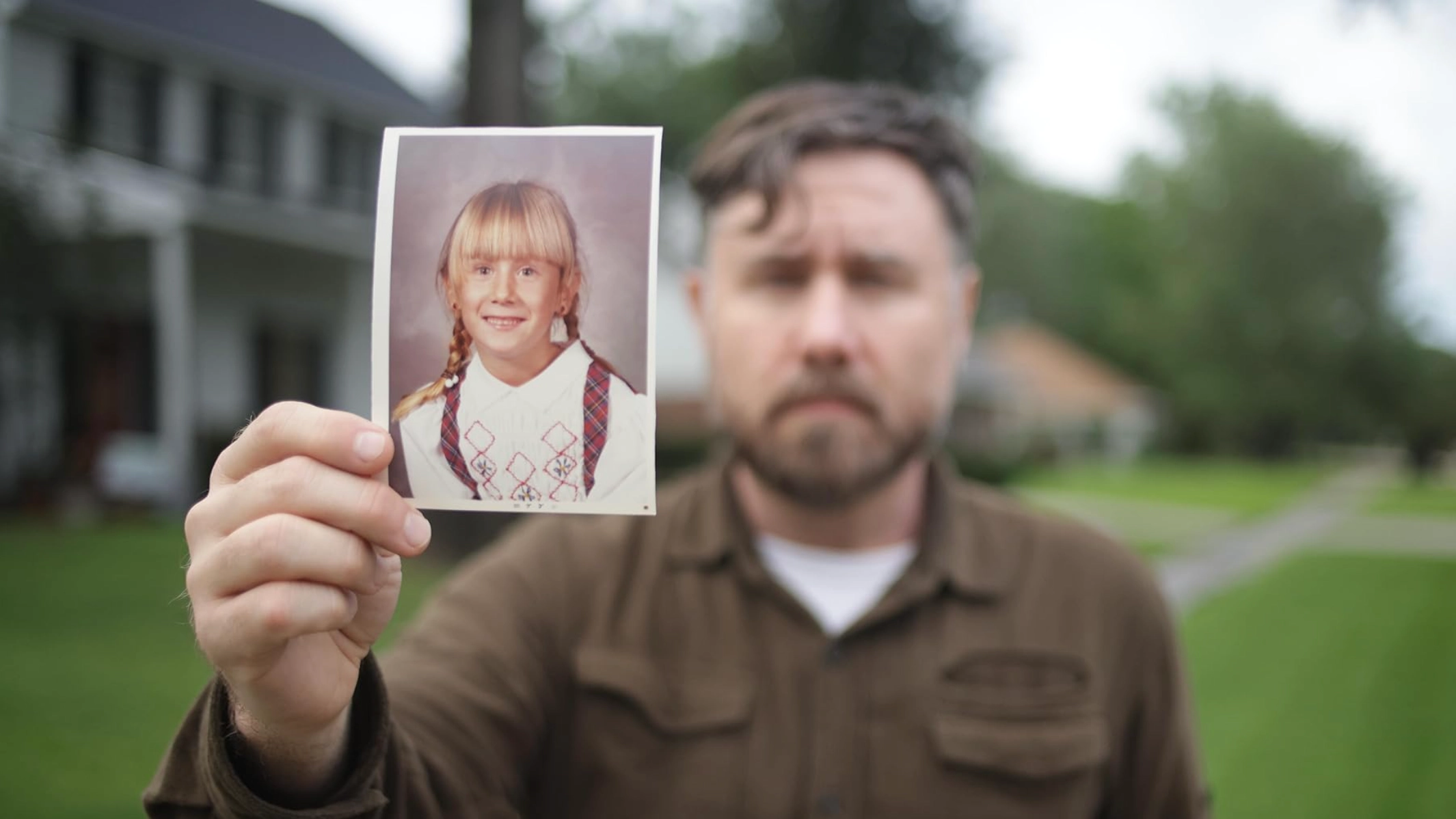
Man raised as a girl discovered earth-shattering family secret at 19 years old

A man who still lives with the trauma that came with being raised as a girl, has revealed how it was to find out about his condition as a teenager.
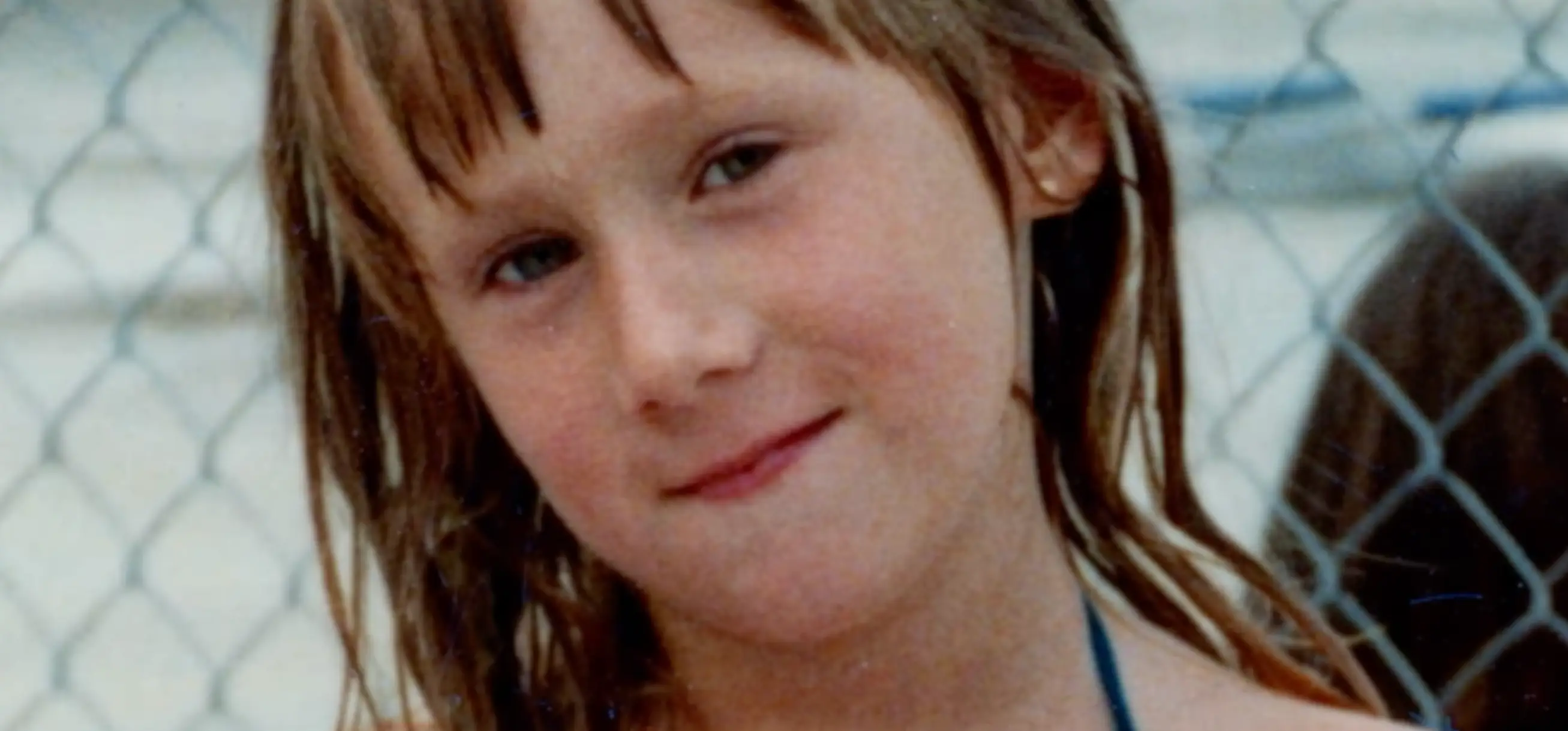
Kristi Ambrose was like any other sport-loving teenager growing up in Baton Rouge, Louisiana, US.
But having loving parents, being a star football player and enjoying the outdoors wasn't enough - she struggled with how she felt in her own skin.
The tomboy was made to wear feminine clothing by her mum, even getting her hair permed, with these moves considered normal by Kristi as a teenager.
Advert
Now aged 50, Kristi goes by Jim, and he has shared the health-related secret that his family had kept from him until the age of 19, when his life was turned upside down.
Jim discovered that he was born intersex with XY chromosomes, undergoing medically recommended surgery as an infant to make his genitals appear female.
Decades on from his scarring discovery, Jim has reflected on the moment he found out about his condition, which was during his first year of college.
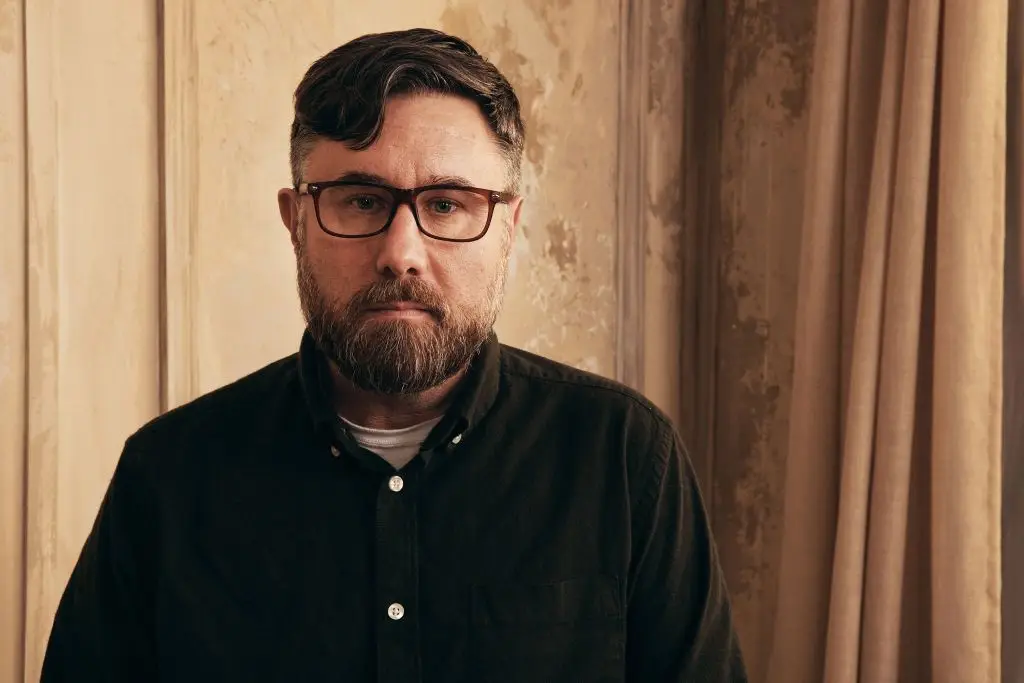
Speaking on Channel 4's The Secret of Me, which aired last night (20 January), Jim explained: "I was taking this feminist studies course, they had given us a selection to read from this book but I hadn't done the reading.
"The tables were all in a circle because the professor wanted us to be looking at each other when we talked."
"I just started looking around. You could see people were shaking their heads in disbelief or disgust, and I thought, oh this has to be good, what is this," he went on.
Jim went on: "I started flipping through the book and I started reading about how some children are born with genitals that fall outside an arbitrary acceptable norm.
"It's measured, you know, this length, you get to be a boy, this less than that, you get to be a girl."
He noted that you lose your phallus before being raised as a girl, with the decision being made by parents and doctors.
"The child is having their gender designated, selected, imprinted, for them," he stated, realising slowly that it was about him.
Rushing to get his medical records, he opened them alone in the car, recalling: "I start at the top and immediately it says 'carrier type, XY'. And I'm like, wait, what the f**k is that... why are they running chromosome tests on me?"
Firstly expressing his anger at his family, Jim asked why parents Alice and John weren't more transparent with him, though archive recordings of the couple revealed that they thought they were doing the best thing for their child.
He said that he was 'bullied' due to his appearance due to his condition and that he underwent 'so much unnecessary suffering'.
Dr Richard Carter, the professional responsible for performing the surgery on Jim, said he remembered seeing 'an infant that had ambiguous genitalia', as he explained: "Ambiguous genitalia is a condition where you're really not sure whether, when looking at the genitalia, you're looking at a male or a female."
The doctor said that the phallus was 'nowhere near' the size expected from an infant, noting: "In 1976 the medical world thought was that these patients needed to be surgically constructed the way they most likely looked.
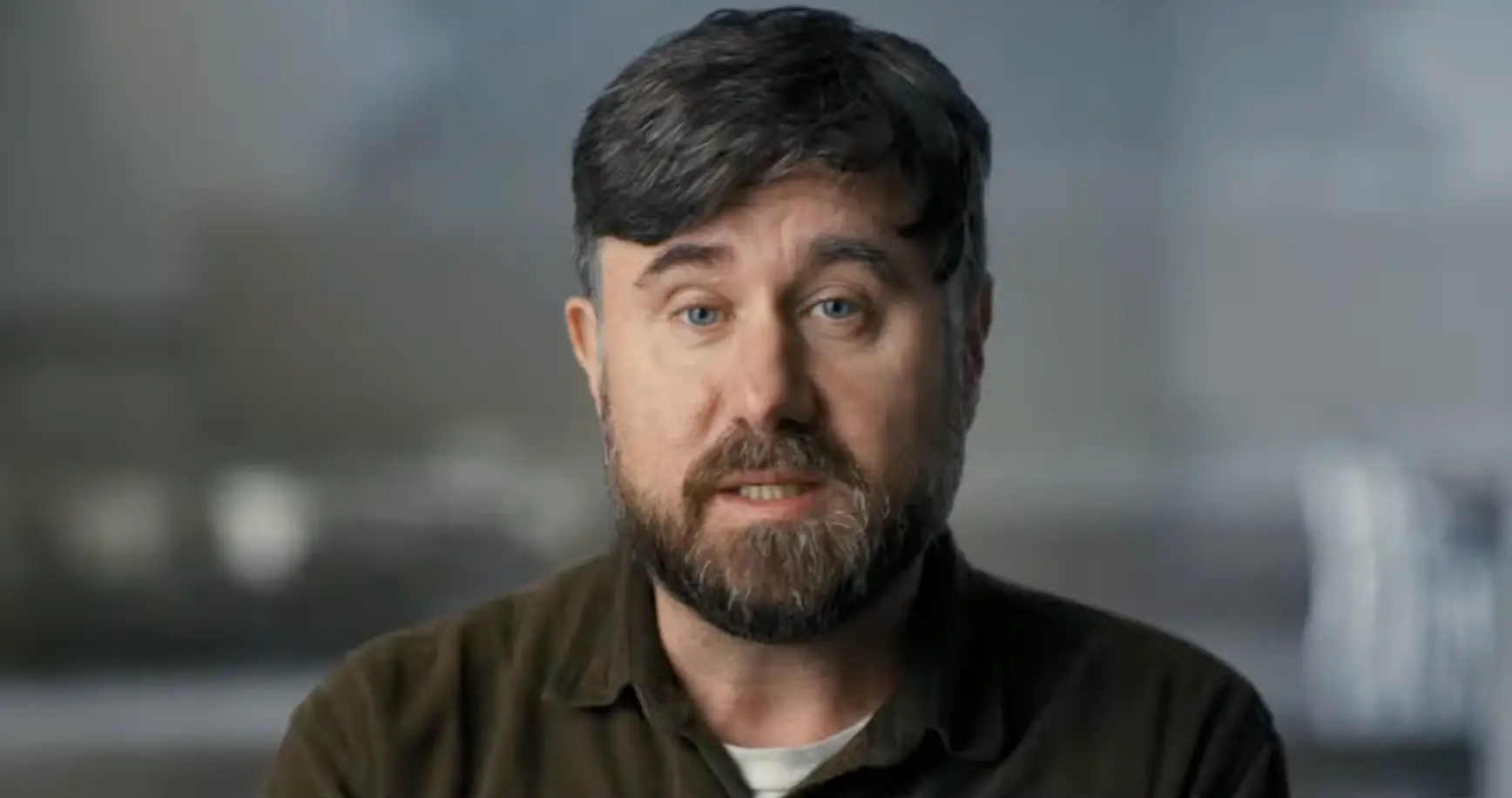
"This was strictly an anatomical decision because it was so much easier to make it look like a clitoris than trying to make it look like a penis."
Jim revealed that his mum told him he'd be having a vaginoplasty in the future when he was just 12, before breaking down in tears.
He stopped taking hormones for years after he found out the truth, though doctors said he needed to go back on oestrogen or start taking testosterone, choosing the latter.
The 50-year-old then started feeling happier in his body before getting a double mastectomy to try and 'decolonise' his body as much as possible.
Now an intersex activist, Jim shared that he is now happy with his partner, named Yvonne.
It is revealed at the end of the documentary that 'around 1 in 2,000 babies are born with genital differences that put them at risk of surgical intervention'.
'Corrective' surgeries still take place in most contries around the world, highlighting that it's still a cause for concern.
 Joshua Nair