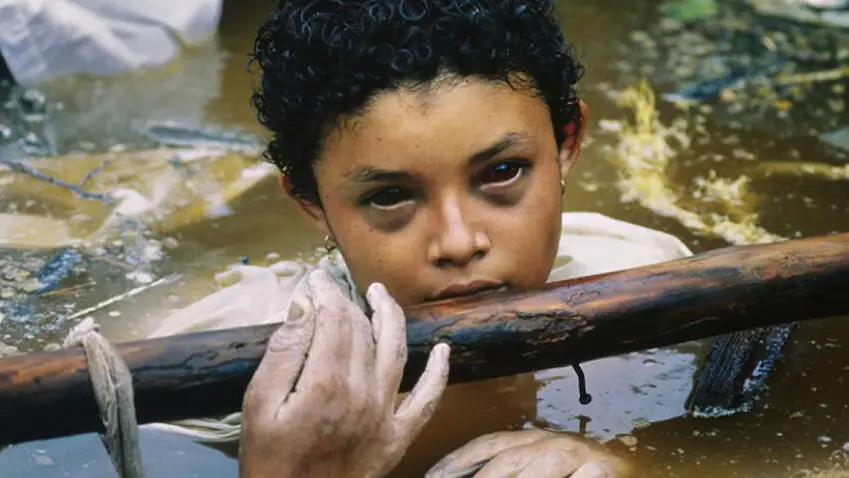
Photographer who took chilling photo of girl with black eyes details why saving her was ‘impossible’

Some pictures are hard to forget and one taken in the aftermath of one of the most horrific natural disasters of all time, which claimed the lives of around 23,000 people, will not be forgotten.
In 1985, a volcanic eruption of the Nevado del Ruiz in Colombia ended up destroying thousands of homes, with the town of Armero being the hardest hit, and reports saying that up to three quarters of the town's nearly 29,000 inhabitants died.
Photographer Frank Fournier shared his images from the tragedy, and one in particular became one of the most haunting and recognisable photos of all time.
But everyone wanted an answer to one question after seeing it.
Advert
The picture in question was of a teenage girl named Omayra Sánchez Garzón, who was just 13-years-old at the time.
She was photographed by Fournier, with the photo showing her head above the water as she was trapped in the debris after the eruption of the volcano, with her eyes completely black.
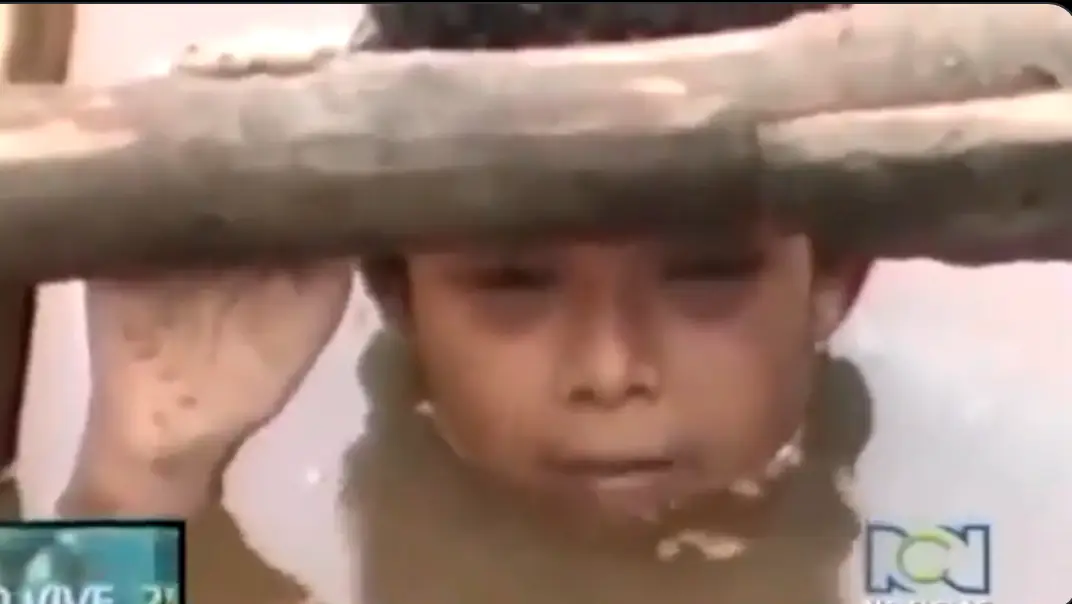
She remained in the water for around 60 hours, uttering some heartbreaking final words before she eventually passed away, with officials later ruling that it was either gangrene or hypothermia that claimed her life.
At times during her ordeal, she was scared and cried, while near the end of her time in the water, she started hallucinating and said she didn't want to be late for school.
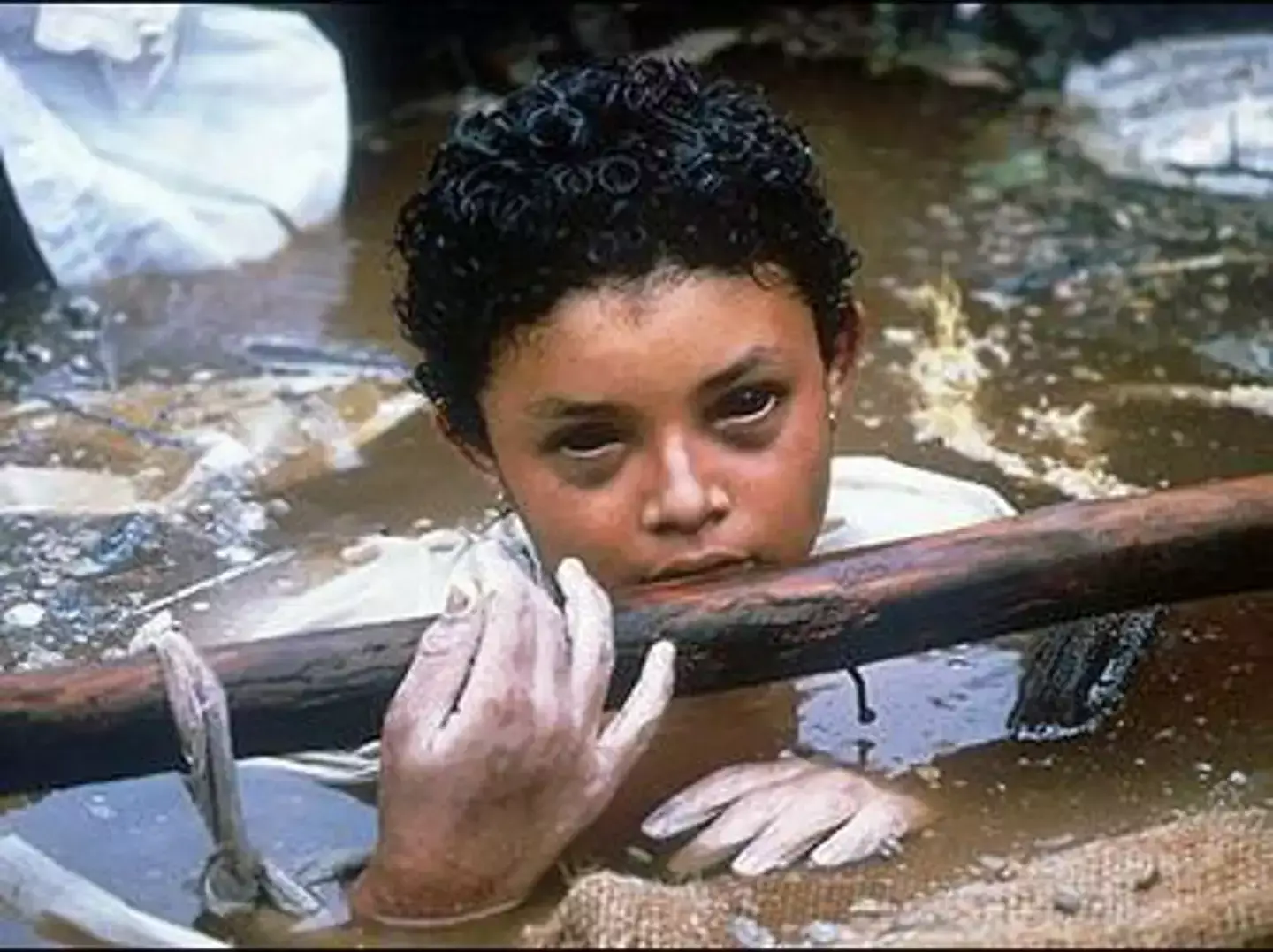
Naturally, the first instinct of any able-bodied person in the area would have been to try to rescue her, but they lacked the necessary equipment to pull her free, as her legs were trapped under the debris of her house, and her aunt's body was also tragically later found underneath, still holding on to her niece's body.
So, when Fournier snapped a picture of the tragedy, he faced a huge amount of backlash from people wondering why he would think to take a picture rather than giving every effort to save her.
However, he later explained that it simply wasn't possible, and that the emotional image helped highlight the failings of the country's government when it came to protecting those living close to the volcano, either through evacuation or better planning.
Speaking to the BBC, Fournier addressed the question that everyone kept asking him after they saw the picture, as people always wanted to know: "Why didn't you help her? Why didn't you get her out?"
He explained that it was 'impossible' to get her out of there and said that people wondered whether he should have taken pictures, but he defended his decision.
He said: "There was an outcry - debates on television on the nature of the photojournalist, how much he or she is a vulture. But I felt the story was important for me to report, and I was happier that there was some reaction; it would have been worse if people had not cared about it.
"I am very clear about what I do and how I do it, and I try to do my job with as much honesty and integrity as possible. I believe the photo helped raise money from around the world in aid and helped highlight the irresponsibility and lack of courage of the country's leaders.
"There was an obvious lack of leadership. There were no evacuation plans, yet scientists had foreseen the catastrophic extent of the volcano's eruption.
"People still find the picture disturbing. This highlights the lasting power of this little girl. I was lucky that I could act as a bridge to link people with her. It's the magic of the thing."
Topics: News, World News
 James Moorhouse