Woman, 112, celebrated as Denmark’s oldest person allegedly former Nazi Party leader

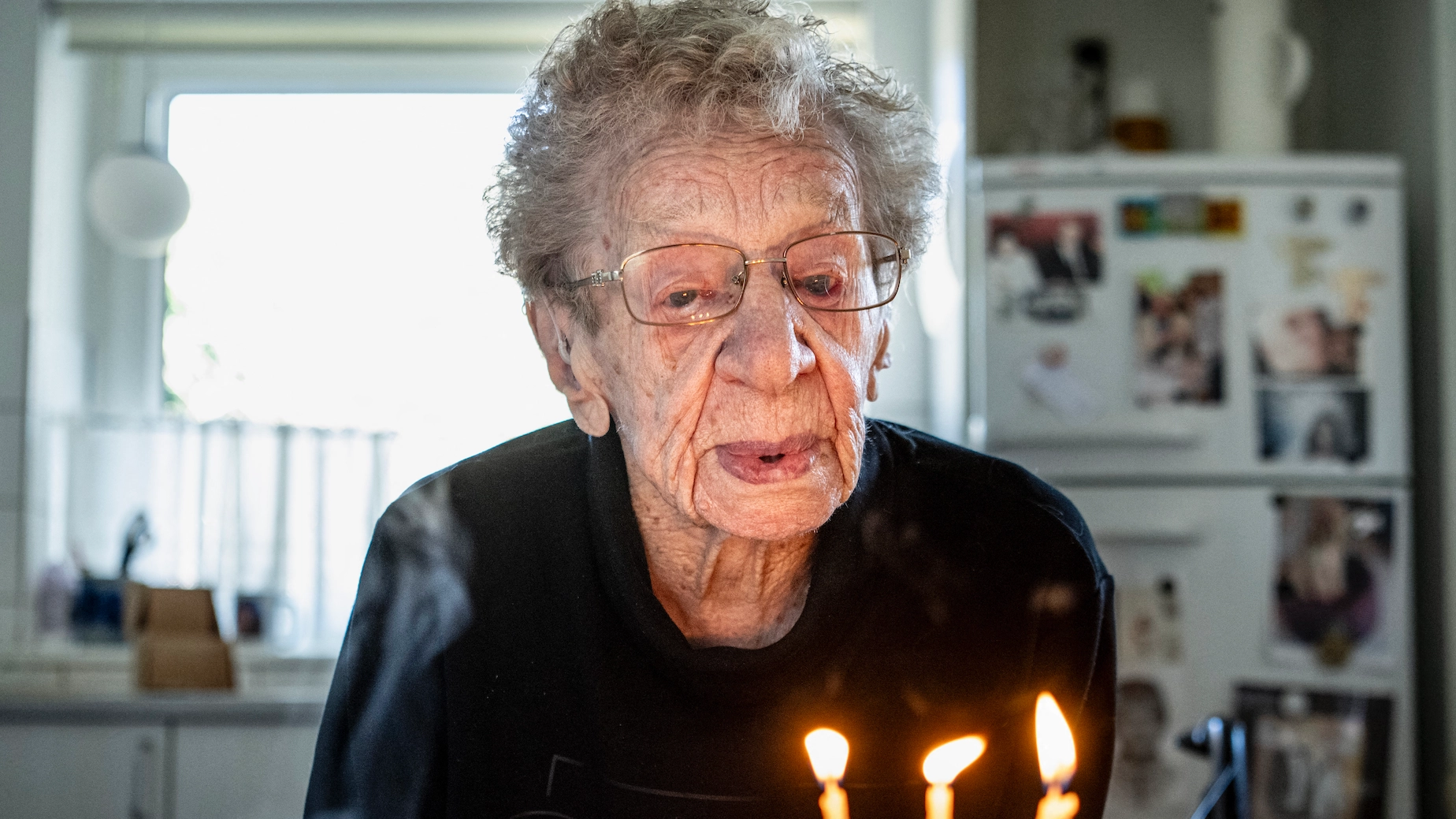
A woman who just became Denmark's oldest living person has been accused of being a member of the country's Nazi party during the Second World War.
Last month Kirsten Schwalbe was named the world's oldest Dane as she reached 112 years and 218 days, leading to much fanfare and interest in her life.
However, TV Midtvest reported that she had been a member of the Danish Nazi Party in occupied Denmark in 1941 at the age of 27, with her confirming that she had been but saying it was only because her late husband had joined.
She said: "Yes, I was signed up. My husband asked me about it, and I said I didn't care. I wasn't interested in politics at all, so I just did what he thought I should do."
Advert
Schwalbe and her husband Laurits travelled around Denmark in the 1940s and said that he was offered a sum of money to take some letters with him, but would have needed to join the Danish Nazi Party to deliver them.
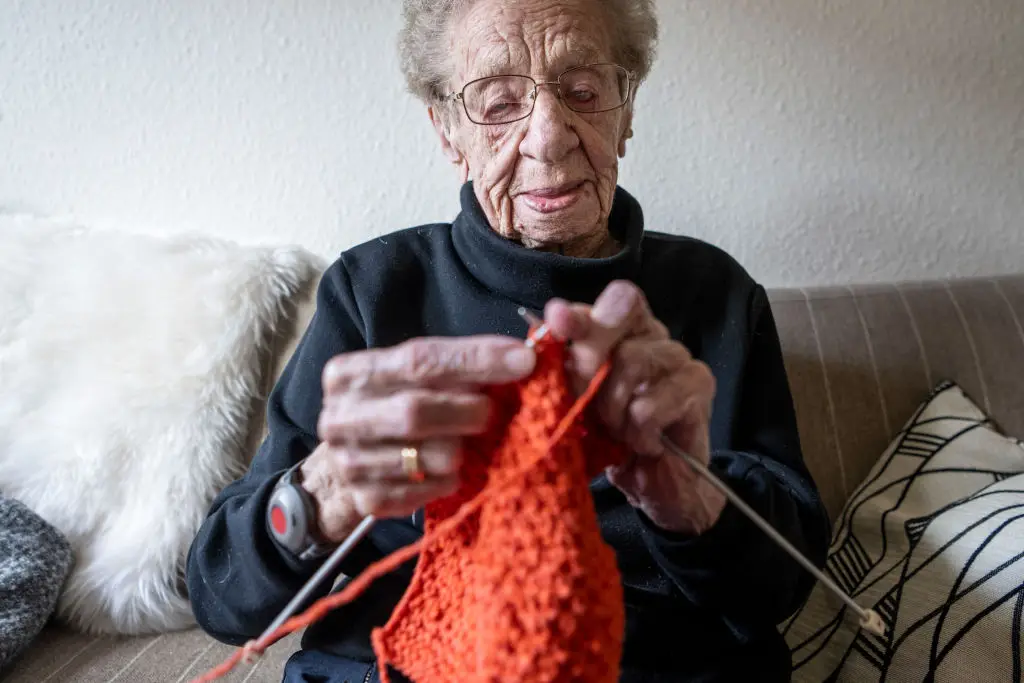
She told them that Laurits accepted the job and joined the party, and a few months later she followed him at his encouragement.
"I didn't think much about it, other than that we could buy the little house we had been looking at. I just signed, and that was it," she told the outlet.
When asked if she regrets joining the Danish Nazi Party she said that she did, but 'there's nothing you can do about it' now and her biggest regret is that she 'didn't look into what it was' and 'didn't know it would matter in the long run'.
Asked if she sympathised with the Nazis, she claimed when it came to the party she 'barely knew what it was' and had never been interested in politics, believing it is 'unfair' that her life would be impacted over it.
She said: "Back then, wives didn't get involved in things like that - they left that to the men. That's why I think it's unfair that it should affect me."
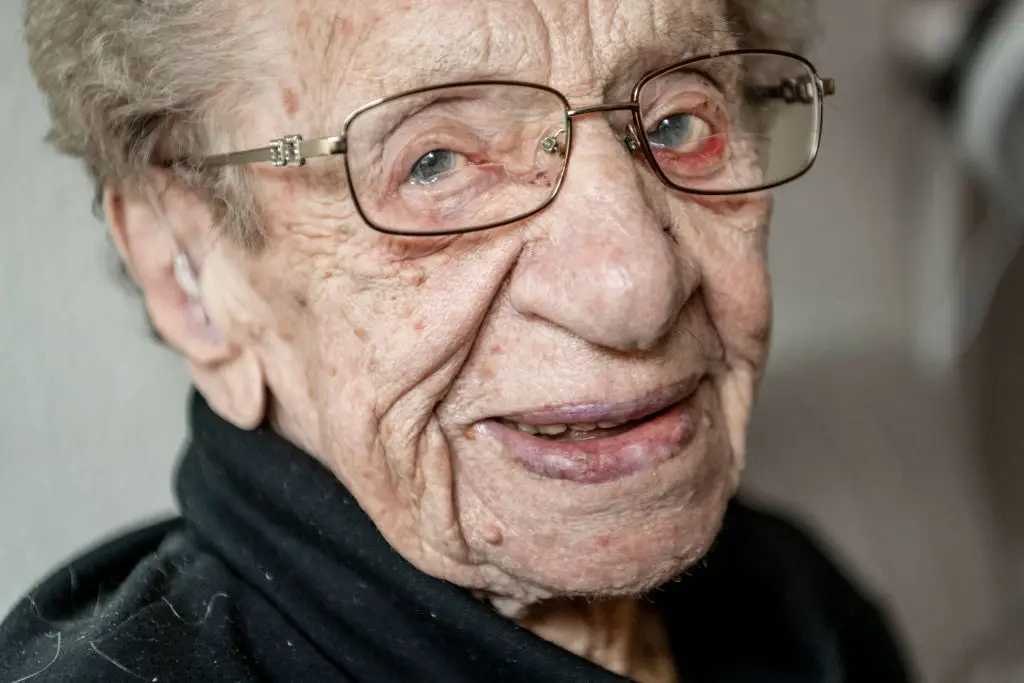
Schwalbe insisted that she never sided with the Germans and thinks war is a terrible thing.
Danish historian Troels Solgaard Andersen told them that in the 1940s in Denmark it was typically the man who decided things politically and joined parties, but it wasn't unusual for women to be politically active.
Frihedsbrevet reports that another historian, Claus Bundgaard Christensen, has alleged that she was the acting leader of the party in the town of Holstebro between August 1943 and July 1944, with him saying she and her husband were 'more than an ordinary member of the rank and file'.
During the Second World War, Denmark was occupied by the Nazis in 9 April, 1940 and remained under their control until 5 May, 1945 when the country was liberated by British forces.
In August 1943 the Danish government refused to further co-operate with increasing demands from Germany and was placed under martial law by the Nazis, at an election earlier in that year the Danish Nazi Party had received just over two percent of the vote.
Topics: World News, History, World War 2
 Joe Harker