Archaeologists opened cave chamber sealed for 40,000 years and were shocked at what they found

Archaeologists were left stunned after coming across a new chamber on the Rock of Gibraltar that's been sealed off for 40,000 years.
The discovery - made during of an excavation of the cave network - could shed light on the Neanderthals, who lived on there for centuries.
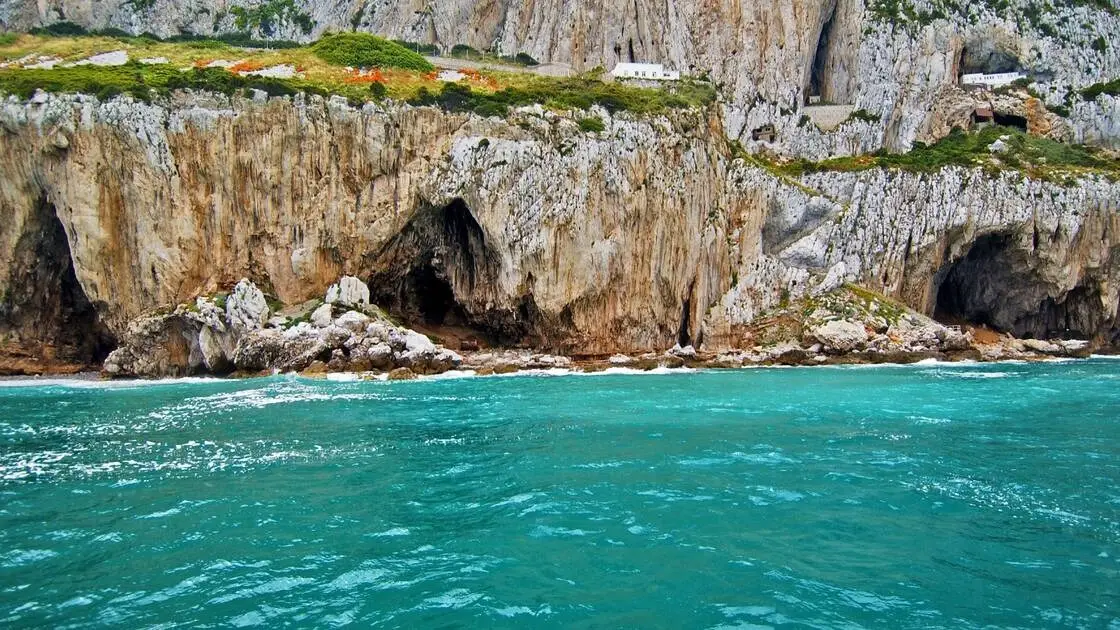
Gorham's Cave is located at Governor's Beach on the southeastern face of the Rock, and appears to be complete with a museum of artefacts that shine a light on the lives of the forgotten people.
Neanderthals were an extinct group of archaic humans, our closest relatives, who lived in Europe and Asia from about 400,000 to 40,000 years ago.
Advert
Although there were no skeletons from them inside of the cave, there is plenty of evidence which points towards their existence.
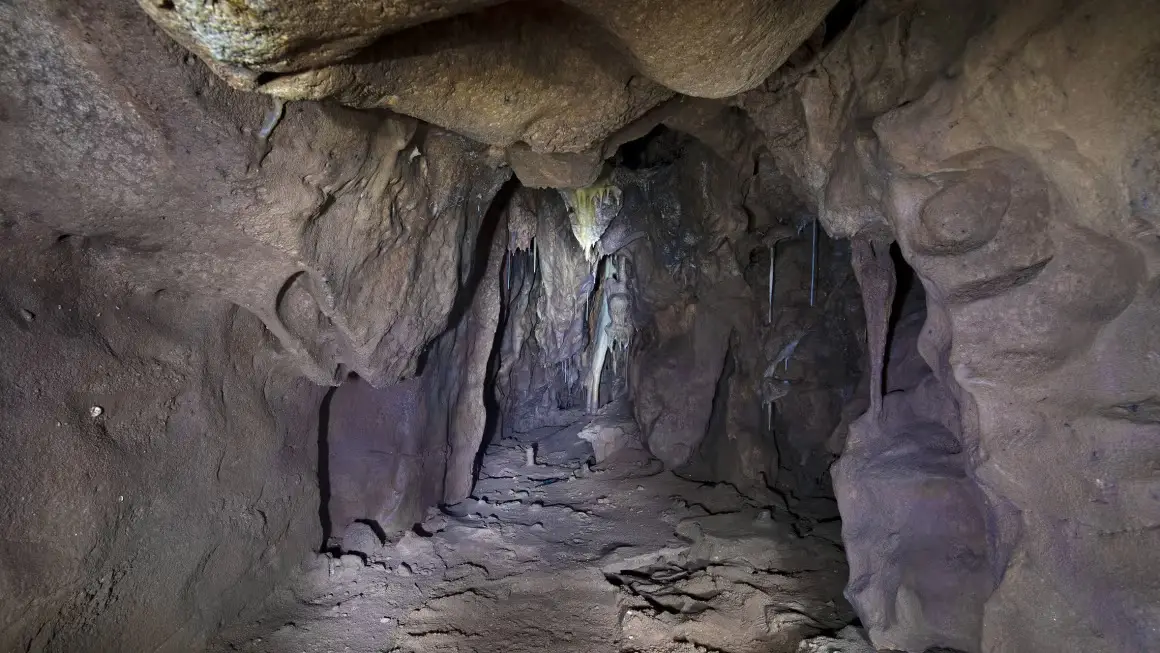
According to UNESCO, there is 'evidence of the hunting of birds and marine animals for food, the use of feathers for ornamentation and the presence of abstract rock engravings'.
It adds that scientific research into the caves has 'contributed substantially to debates about Neanderthal and human evolution'.
Recently in 2024, researchers came across a 60,000-year-old glue-making oven in the Neanderthals' cave.
The layer of sediment was around 67,000 to 60,000 years old, and was 'clearly' made by human hands.
They believed that the hearth was used to create birch tar, a gloopy substance once used by prehistoric humans to attach a handle to a tool or weapon.
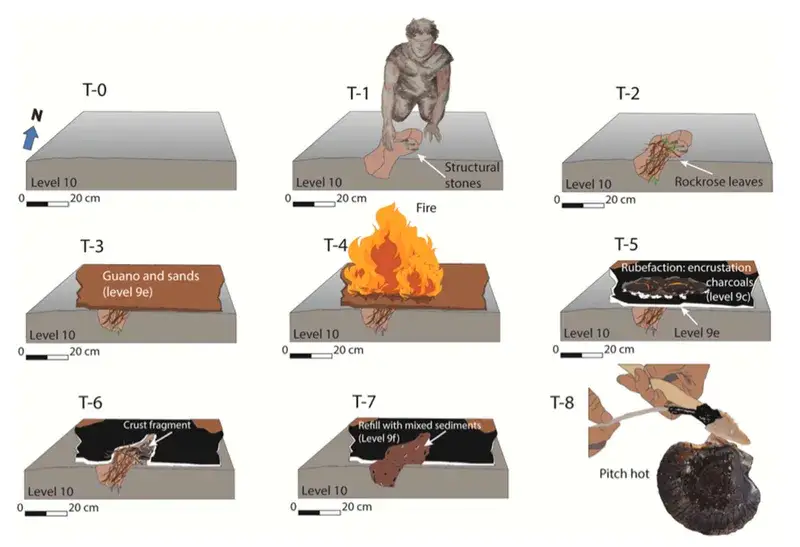
Meanwhile, the structure itself was circular and included two channels and a thick wall lining.
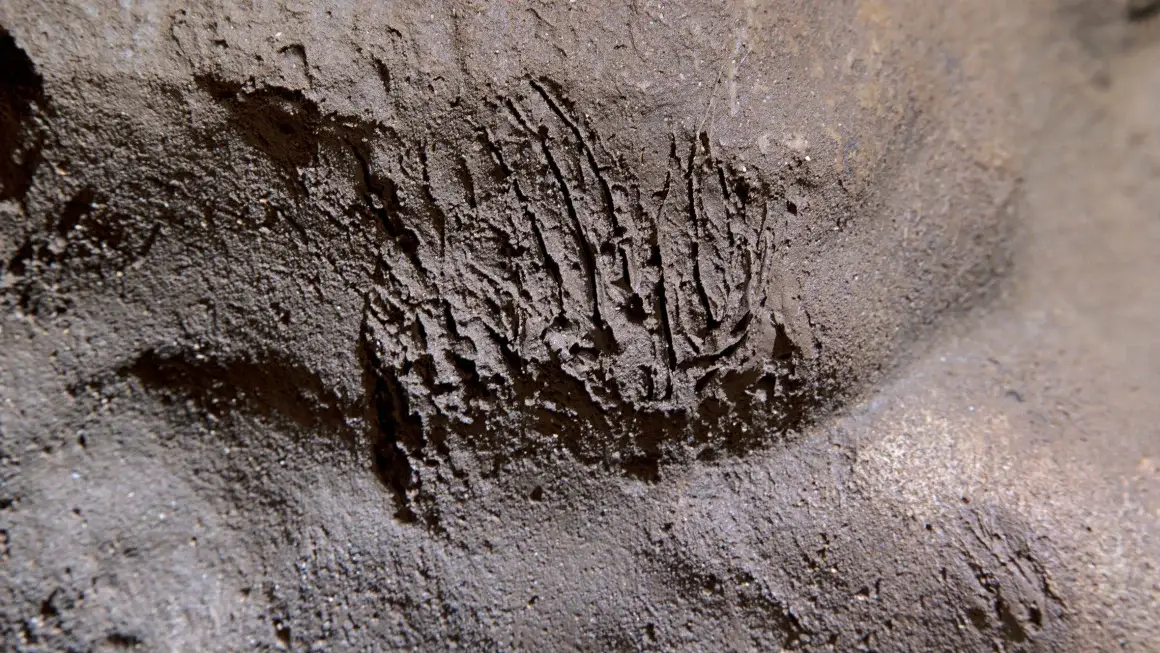
Clive Finlayson, director and chief scientist at the Gibraltar National Museum, told CNN in 2021 that they also found scratch marks on the walls from an unidentified carnivore.
“The whelk is at the back of that cave… it’s probably about 20 meters from the beach,” he said.
“Somebody took that whelk in there… over 40,000 years ago. So that’s already given me a hint that people have been in there, which is not perhaps too surprising. Those people, because of the age, can only be Neanderthals.”
Finlayson admitted that he got 'goosebumps' when he first entered the cave, referring to it as one of the most exciting moments of his career.
“How many times in your life are you going to find something that nobody’s been into for 40,000 years? It only comes once in your lifetime, I think,” he said
“As we dig, it’s only going to get bigger and bigger and bigger.
“So the chances are we have an enormous cave there. And as we go down there may even be so passages. So it’s extremely exciting.”
Topics: History, News, World News, Science
 Anish Vij