55-day countdown begins to find missing MH370 ten years after it vanished

There is renewed hope that the missing Malaysia Airlines flight MH370 might be located.
It went missing more than a decade ago after veering massively off course.
A private company, Ocean Infinity will be paid $70m (£56m) if their search for the plane is successful. The firm started a new search for Flight MH370 in February but bad weather forced them to cancel, but they are resuming today (December 30) for 55 days.
It's no small task, as the search area covers more than 5,800 square miles of the Indian Ocean.
Advert
The doomed flight went missing with 12 Malaysian Airlines crew and 227 passengers on board, while flying from Kuala Lumpur to Beijing.
It took off just after 1am, but disappeared from radar coverage just after 2.22am after turning away from the planned route, with some people fearing it was hijacked, a deliberate act by the pilot, or it was intercepted.
Satellites still picked up signals until just after 8am, when experts believe the fuel ran out.
Simon Maskell is the professor of autonomous systems at Liverpool University, and was previously a scientific adviser to Ocean Infinity, and he warned there is a mammoth task ahead.
"“It’s a monstrously big circle to cover," he explained.
“The ocean floor is a very complicated environment to navigate around, it’s not just flat. You’ve got huge mountains, ridges and chasms – and you’ve got to look everywhere.
“You can have the greatest technology in the world, but if you look in the wrong place, it’s not going to help you.”
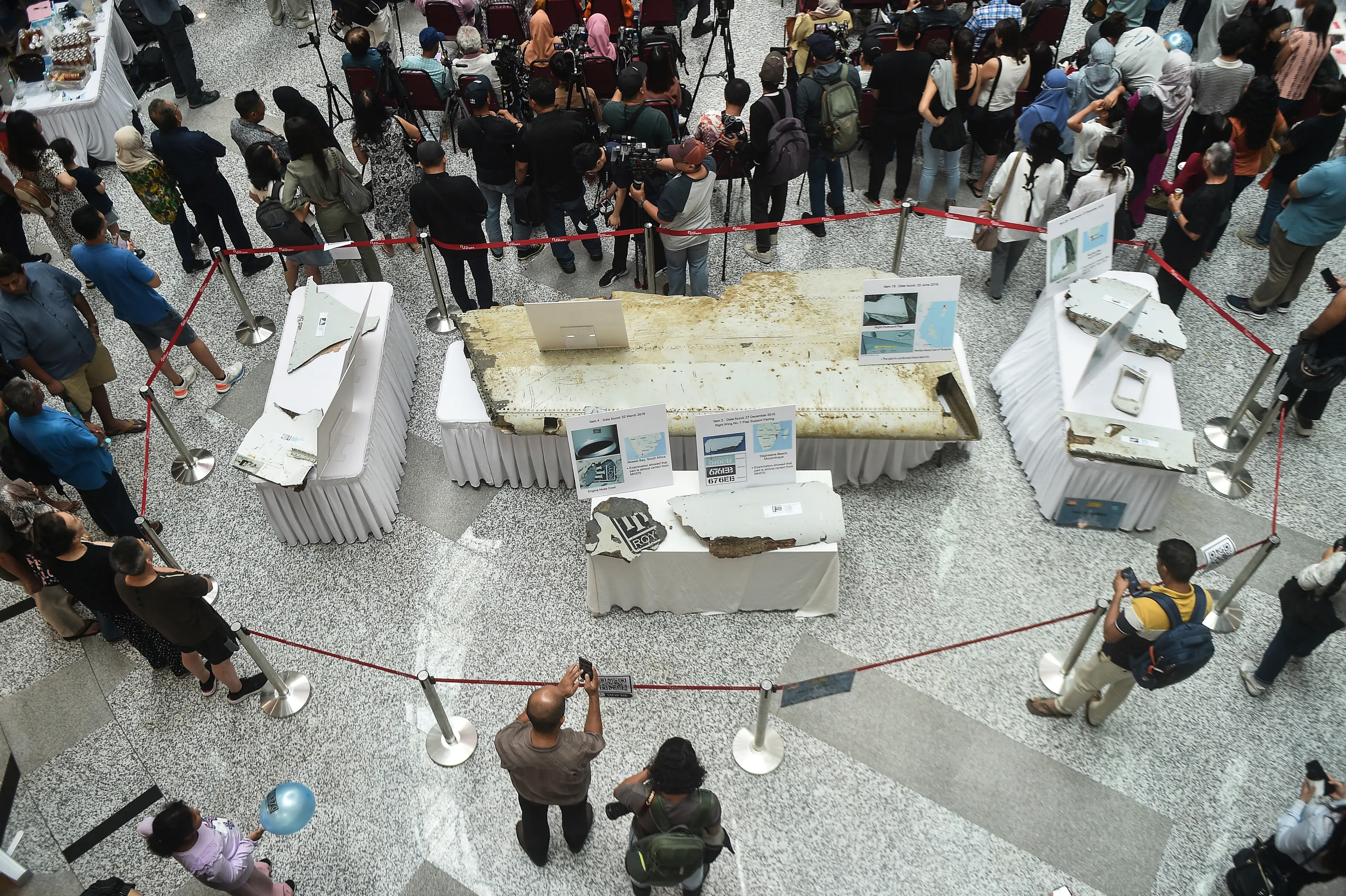
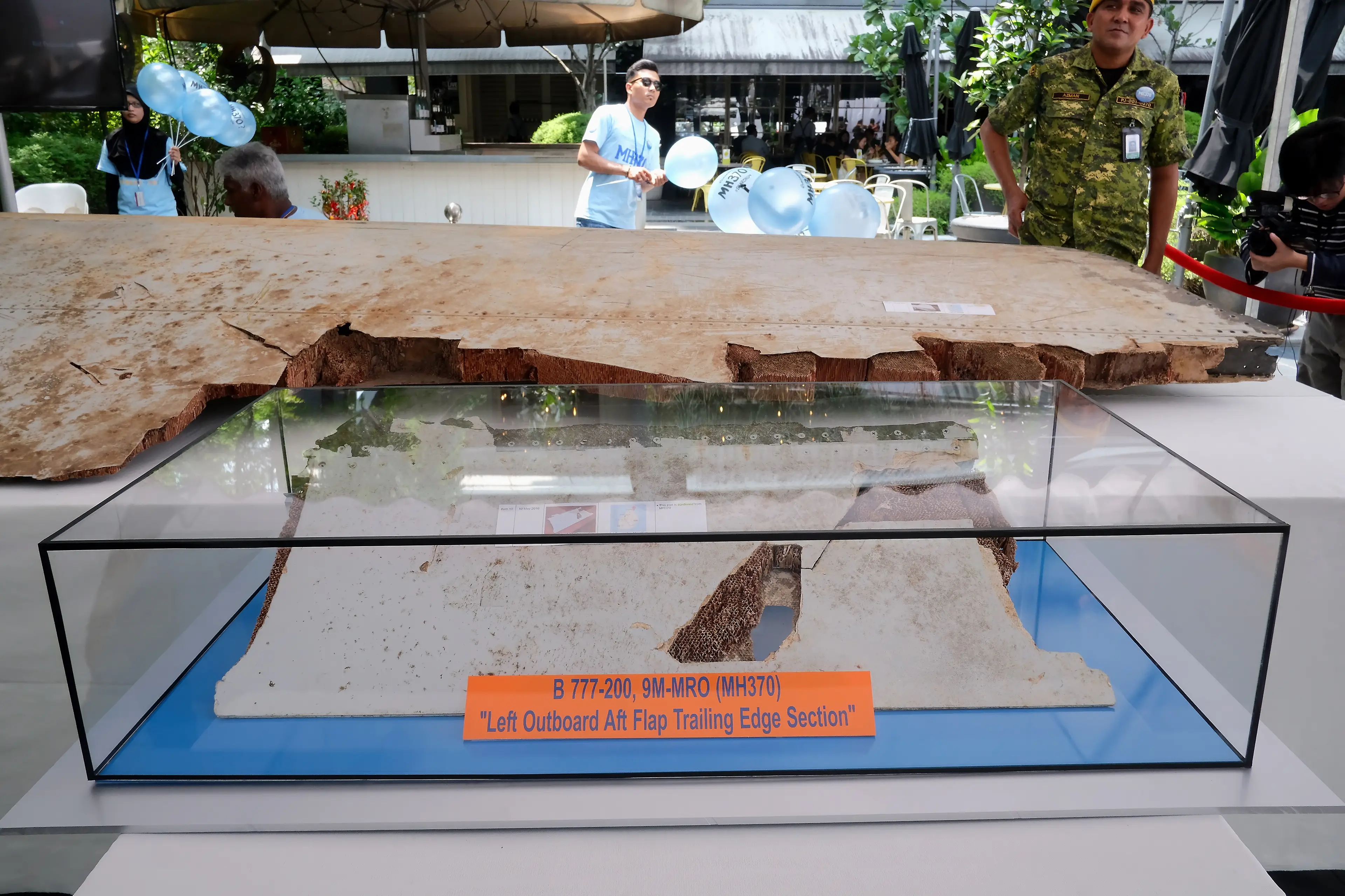
Debris has been found over the last decade, including sections of the wing, tail, cabin and engine. Ocean Infinity has 'a track record of finding things that are difficult to find on the ocean floor,' according to Maskell.
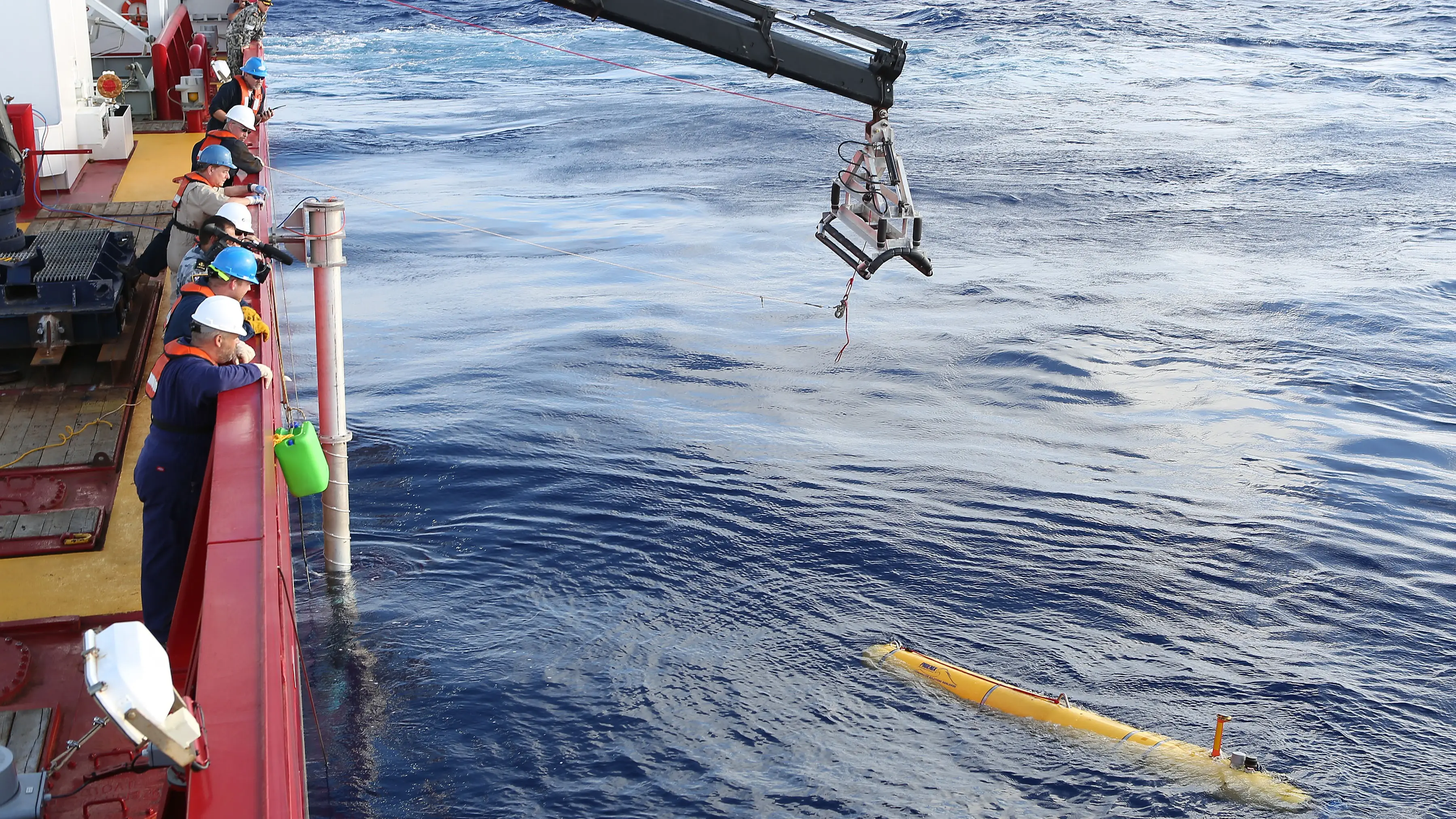
They have underwater robots as well as a team of experts.
No human remains have ever been recovered and it is thought everyone on board died.
The firm previously tried to find the wreckage back in 2018 and are trying again. Thanks to technological advances, they have underwater vehicles which can map the ocean floor.
Each of the robots cost around $8 million, and they can scan in the dark by using acoustic pulses. They can stay under water for 100 hours with their battery life, and can be operated remotely.
Maskell explained: “You can say: 'make me a map of that area and come back when you’re done'."
One of the investigators, Richard Godfrey, advised: “It uses a sub-bottom profiler to see how much sediment there is and how far you have to go down to get to solid rock seabed.
“It also has a magnetometer so it can detect metal, even if it’s buried under several metres of sediment.”
The search team can also send down robots with floodlights to enable an item to be filmed and photographed, and the robotic arms can grab, turn, and closely examine anything of interest.
Godfrey says it will cost 'tens of millions of dollars' for the ships and equipment needed.
“I don’t think they’re in this for the monetary reward of $70m, because this search is very, very expensive", he added. "I think they’re in this for the achievement and their ability to market themselves as the greatest underwater-search firm in the world because they found MH370.”
Topics: Ocean, Travel, World News, MH370
 Jen Thomas