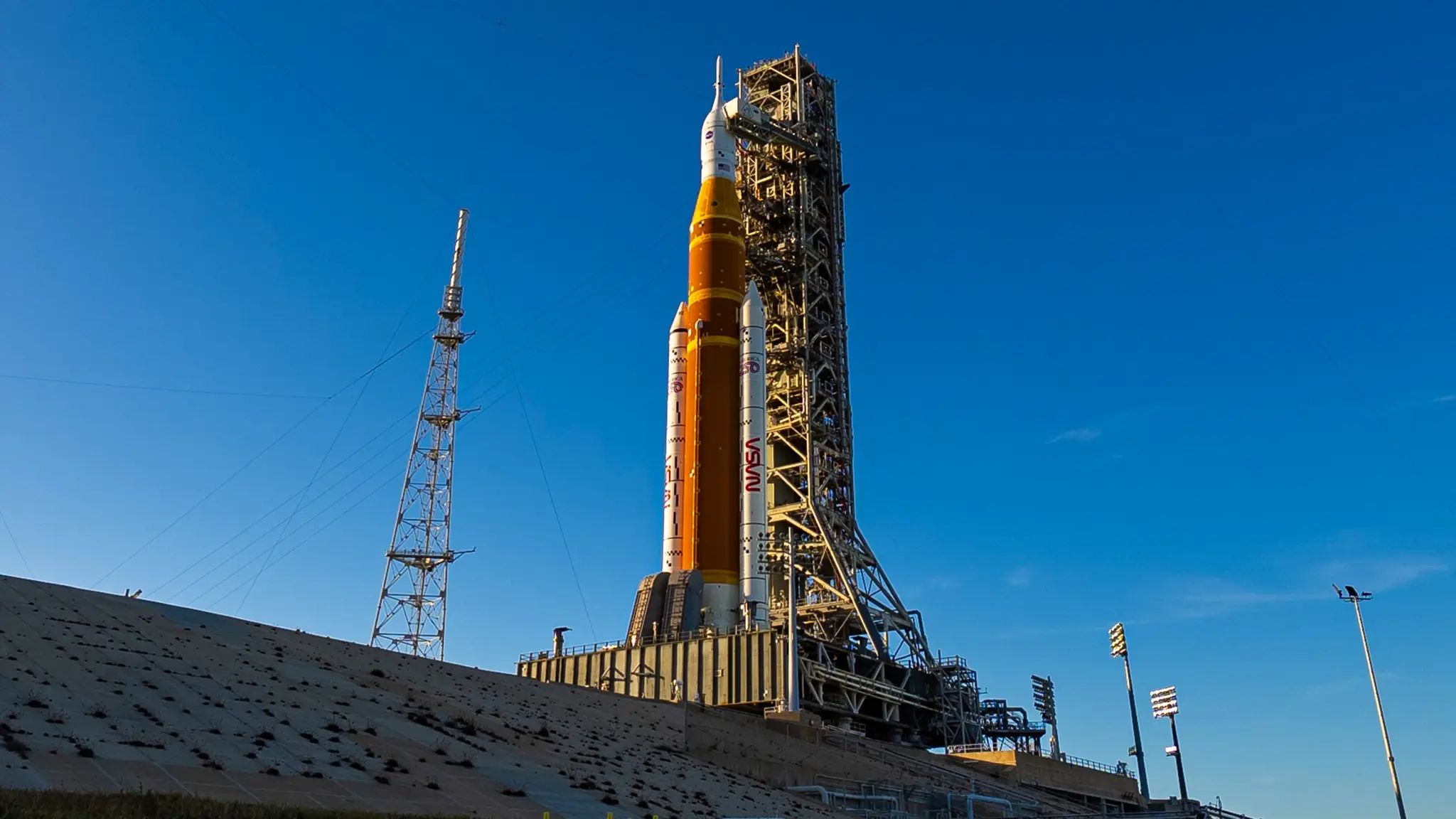
NASA confirms astronauts will fly further into space than ever before in March

NASA is on track to launch a crew of four astronauts around the Moon for the first time in 50 plus years.
The US agency say their Artemis II mission 'will carry astronauts farther from Earth and closer to the Moon than any human has been in over half a century'.
Following a 10-day space journey, researchers are looking to understand more about 'how deep space travel influences the human body, mind, and behavior'.
Three Americans and one Canadian make up the Artemis II crew scheduled to hop on the Orion capsule, located at the top of the 98m-tall (322ft) Space Launch System (SLS) rocket, as early as 6 March (7 March in UK).
Advert
It will take them four days to travel to the far side of the Moon, which is the side we never see from Earth.
"Every night I look up at the Moon and I see it and I get real excited because I can feel she's calling us and we're ready," said NASA's Moon to Mars programme manager Lori Glaze on Friday.
"The excitement for Artemis II is really, really starting to build, we can really start to feel it. It's coming."
On the earliest launch attempt date, however, she added that she wants 'caveat that'.
"I want to be open and transparent with all of you — there is still pending work," Glaze said.
"A lot of forward work remains, including the post-wet dress analyses."
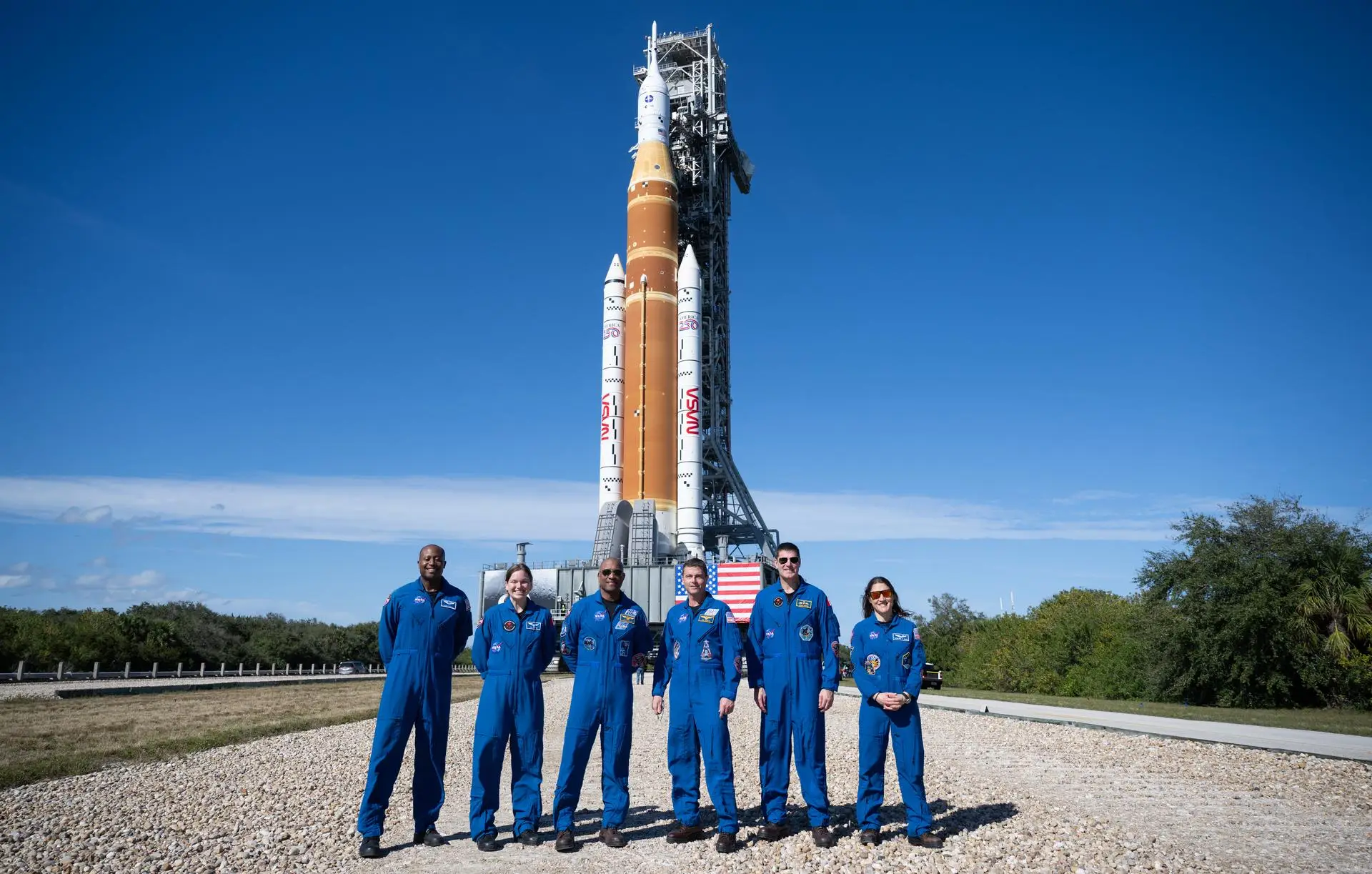
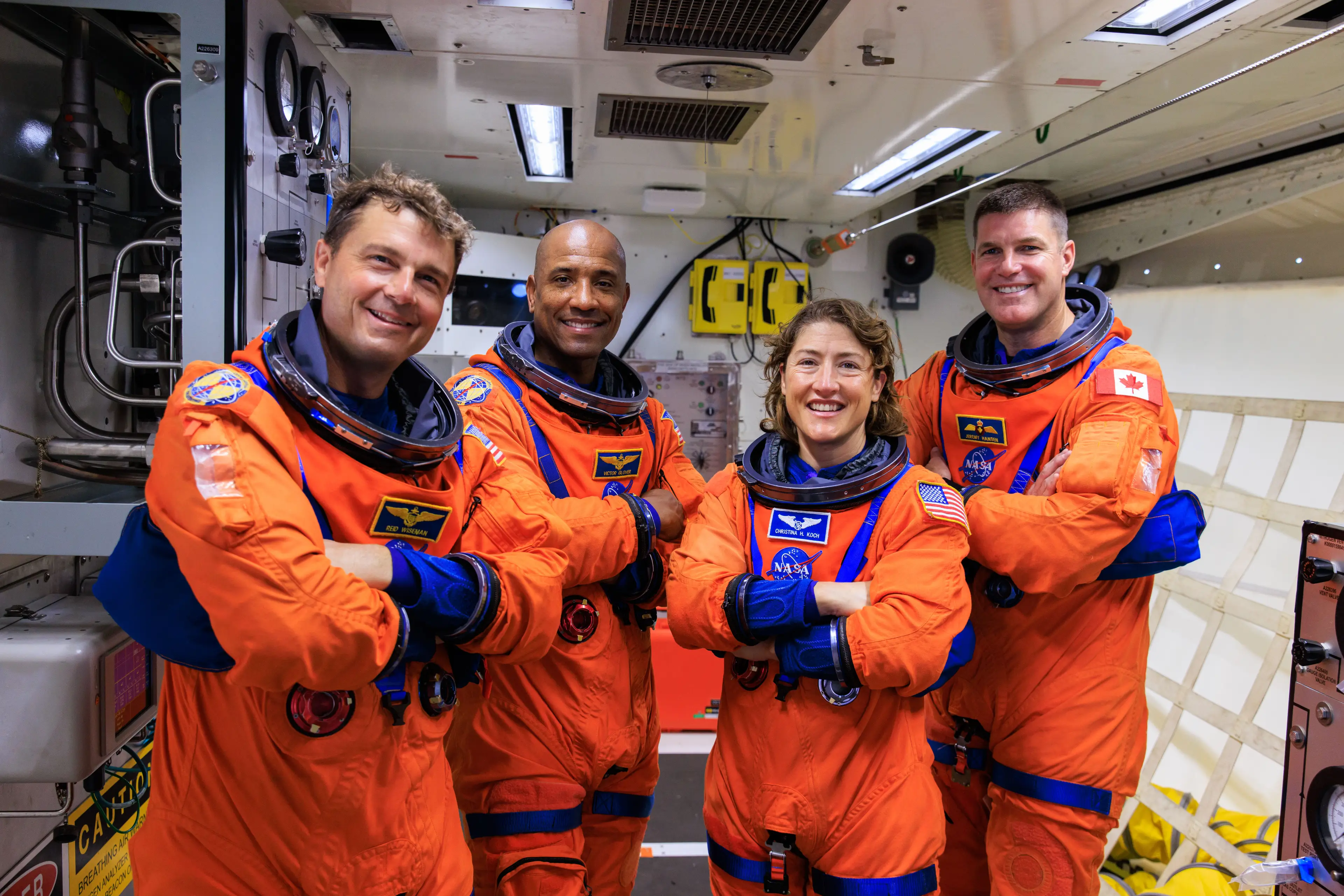
The crew - made up of Reid Wiseman, Victor Glover and Christina Koch and Jeremy Hansen - is currently in quarantine in preparations for the launch attempt.
"Regarding the crew — they will go into what we’re calling a soft quarantine at Johnson Space Center later today," she added.
"Then at probably around L-minus five days, or possibly a little earlier, they would transition here to Kennedy Space Center to continue their quarantine up until launch."
The rocket where they will eat and sleep for 10 days is about the size of a minibus, and will not land.
Instead, it uses a 'free-return trajectory', taking Orion around the lunar far side (about 7,400 km beyond it) before re-entry and splashdown.

The main goal of the mission is to test all systems with astronauts onboard.
Engineers want to make sure life-support systems (air, water, temperature control), navigation, communications, and the heat shield work properly in deep space.
These systems were tested without crew during Artemis I in 2022, but Artemis II will be the first real test with people inside.
"I also want to stress: this continues to be a flight test," Glaze added.
"This is our second time flying the SLS and Orion systems, the first time with crew, the first time with the environmental control systems active, the first time with the flight termination systems active to support crew. I don't want anybody to lose sight of the fact that this is a flight test.
"The entire mission, we will continue to learn. That's the whole point."
If Artemis II is successful, it will clear the way for Artemis III, which aims to land astronauts near the Moon’s south pole.
Topics: World News, News, Space, NASA
 Anish Vij