
ladbible homepage
ladbible homepage
  • iconNews
  • videos
  • entertainment
  • Home
  • News
    • UK
    • US
    • World
    • Ireland
    • Australia
    • Science
    • Crime
    • Weather
  • Entertainment
    • Celebrity
    • TV
    • Film
    • Music
    • Gaming
    • Netflix
    • Disney
  • Sport
  • Technology
  • Travel
  • Lifestyle
  • Money
  • Originals
    • FFS PRODUCTIONS
    • Say Maaate to a Mate
    • Daily Ladness
    • UOKM8?
    • FreeToBe
    • Citizen Reef
  • Advertise
  • Terms
  • Privacy & Cookies
  • License Our Content
  • About Us & Contact
  • Jobs
  • Latest
  • Archive
  • Topics A-Z
  • Authors
Facebook
Instagram
X
Threads
Snapchat
TikTok
YouTube
Submit Your Content Here
  • SPORTbible
  • Tyla
  • GAMINGbible
  • LADbible Group
  • UNILAD
  • FOODbible
  • UNILAD Tech
How NASA will bring astronauts home after first ever evacuation of International Space Station

Home> News> Science

Published 13:09 12 Jan 2026 GMT

How NASA will bring astronauts home after first ever evacuation of International Space Station

SpaceX and NASA will return Crew-11 to Earth this week after one of the astronauts suffered a medical episode

Emma Rosemurgey

Emma Rosemurgey

google discoverFollow us on Google Discover

Last week, NASA announced it would be scrapping its first spacewalk of the year to evacuate four astronauts a month early, as one of them has developed a 'serious medical condition.'

The American space agency cancelled the mission and triggered the first-ever medical evacuation of the International Space Station (ISS) in a bid to get Crew-11 home, as NASA's chief health and medical officer, Dr James Polk, said it wasn't an 'emergency evacuation', but rather a case of 'erring on the side of caution for the crew member'.

With the astronaut said to be in a 'stable' condition, NASA and SpaceX are now planning the return of the SpaceX Dragon capsule, which will bring the crew back to Earth.

The four astronauts onboard the ISS are NASA's Zena Cardman and Mike Fincke, Japan's Kimiya Yui, and Russian cosmonaut Oleg Platonov.

Advert
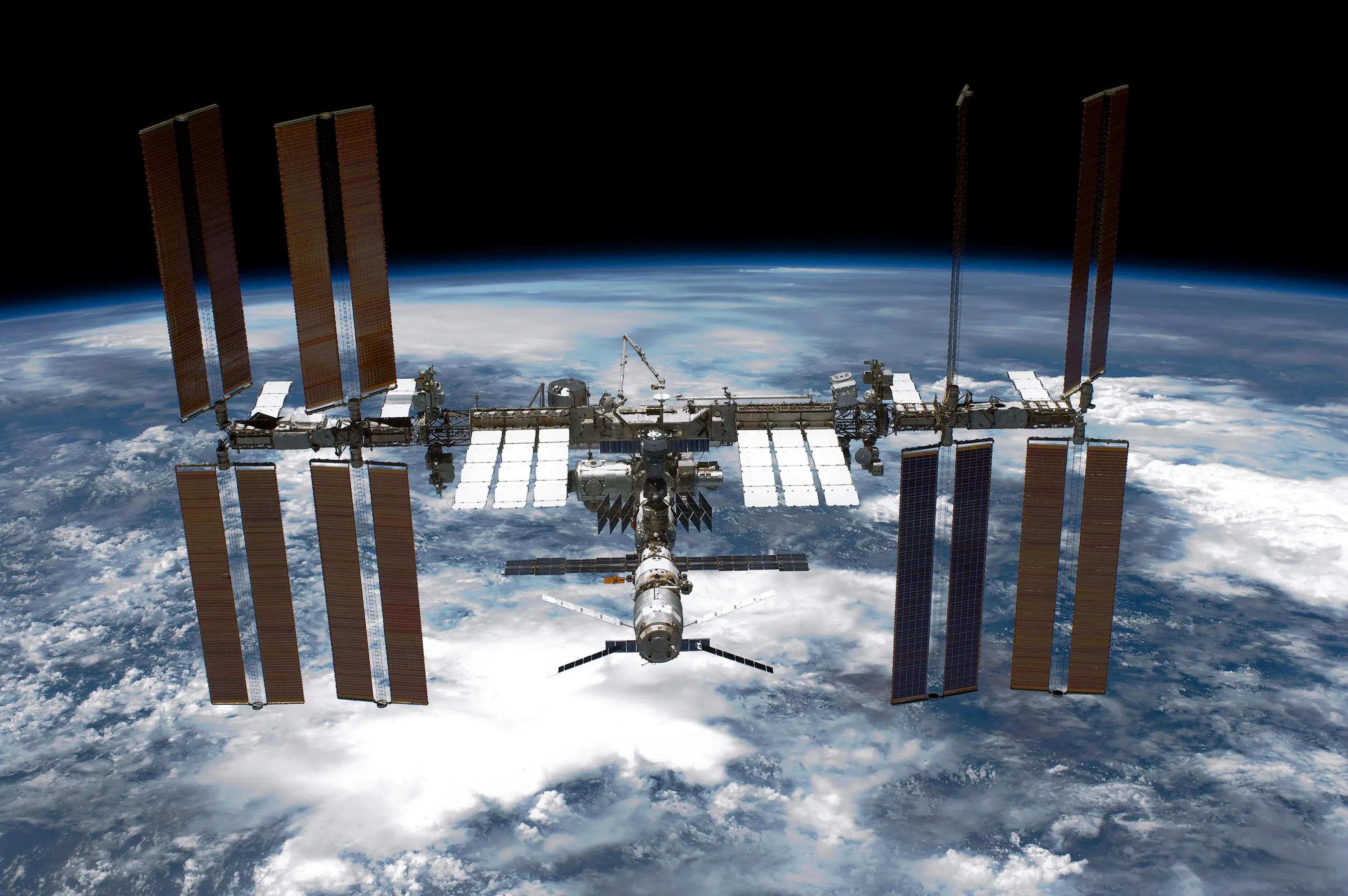
It marks the first medical evacuation of the ISS in its 25-year history (NASA via Getty Images)

NASA's latest update revealed the crew should land back into our atmosphere in the early hours of Thursday morning (15 January), with an estimated landing time of around 3.40am local time.

The plan is for the capsule to splash down just off the coast of Southern California, after SpaceX decided to move all splashdowns to the Pacific to avoid any debris from the Dragon capsule's expendable trunk falling over populated areas.

However, there are multiple drop zones in the area.

How will the astronauts return home?

Crew-11's journey will begin on Wednesday (14 January), when they'll undock from the ISS in the Dragon capsule and get to a safe distance from the space station.

From there, the spacecraft will fire its engines to slow down just enough to drop out of orbit and head back towards Earth.
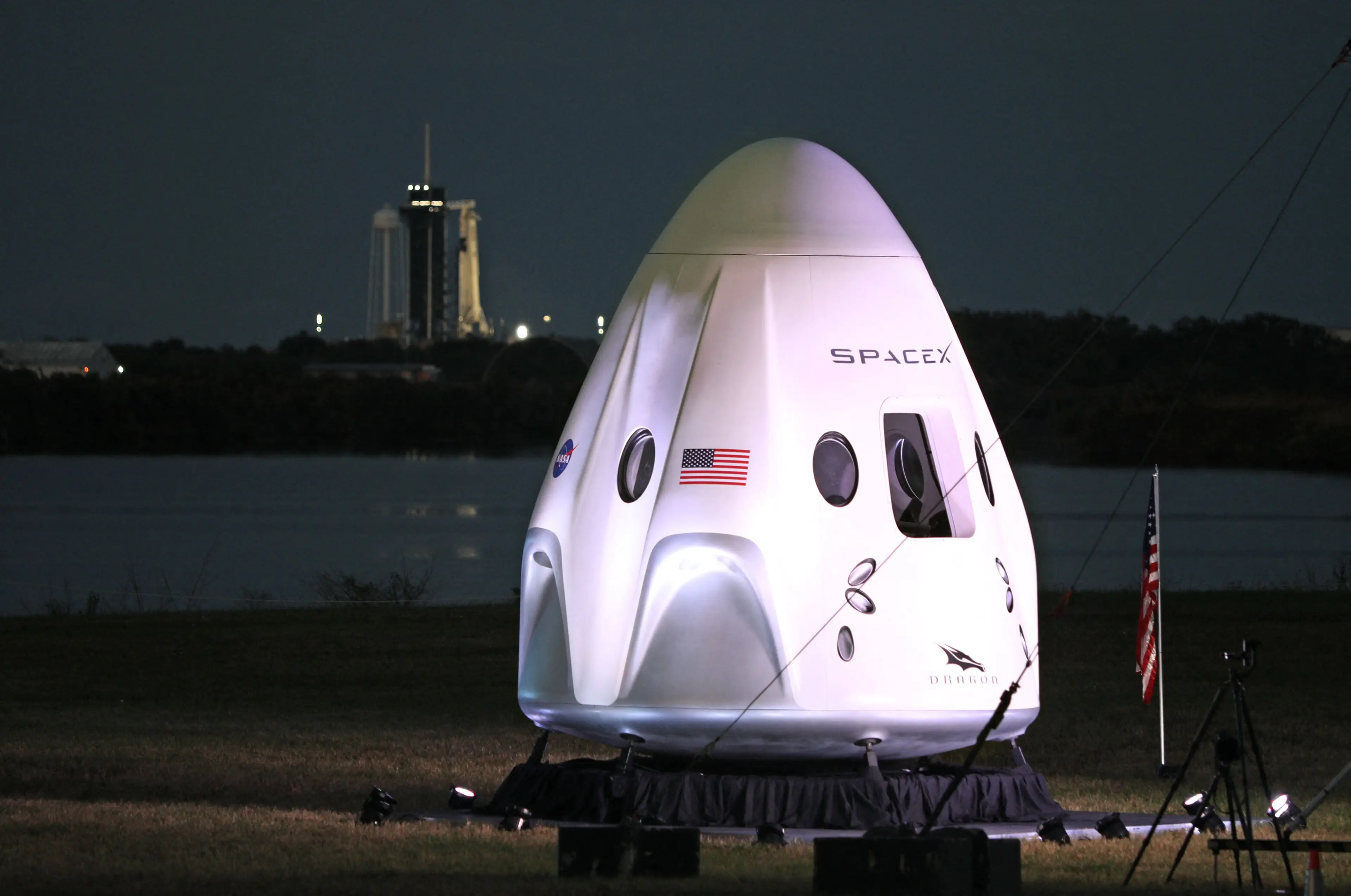
The SpaceX Dragon capsule on which the crew will return (GREGG NEWTON/AFP via Getty Images)

Once the capsule enters Earth's atmosphere on Thursday, it will be travelling at around 17,500 mph and will begin to slow dramatically due to friction as several parachutes are deployed in stages to prepare for landing.

Eventually, the Dragon will splash down in the Pacific Ocean, and a SpaceX recovery ship will pick up the capsule and assist the crew.

Explaining in an updated mission overview, SpaceX officials wrote: "After performing a series of departure burns to move away from the space station, Dragon will conduct multiple orbit-lowering maneuvers, jettison the trunk, and re-enter Earth’s atmosphere for splashdown off the coast of California approximately 11 hours later on Thursday, January 15."

NASA confirmed that the astronaut who experienced the medical issue does not require any special measures that would alter the plan to return the crew home.

Featured Image Credit: SpaceX

Topics: Science, Space, SpaceX, NASA

Emma Rosemurgey
Emma Rosemurgey

Emma is an NCTJ accredited journalist who recently rejoined LADbible as a Trends Writer. She previously worked on Tyla and UNILAD, before going on to work at the Mirror Online. Contact her via [email protected]

Recommended reads

Commonly prescribed nifedipine linked to sudden cardiac arrest riskGetty StockHomeland security respond after Natasha Lyonne claims she was detained by ICEMichael Loccisano/Getty ImagesMan accused of 'cutting sex offender into pieces' after 'beating him to death'Brevard County Sheriff's OfficeMan falls from Jet2 plane and is 'lucky to be alive'Nicolas Economou/NurPhoto via Getty Images

Advert

Choose your content:

12 hours ago
13 hours ago
14 hours ago
  • Getty Stock
    12 hours ago

    Commonly prescribed nifedipine linked to sudden cardiac arrest risk

    The medication has been linked to a higher risk of heart problems

    News
  • Brevard County Sheriff's Office
    13 hours ago

    Man accused of 'cutting sex offender into pieces' after 'beating him to death'

    Lucas Sander Jones was arrested after the body of a man was found on 28 March in the Palm Bay area

    News
  • Nicolas Economou/NurPhoto via Getty Images
    13 hours ago

    Man falls from Jet2 plane and is 'lucky to be alive'

    The horrifying incident has left a man badly injured and a 'full investigation' is underway

    News
  • Getty Stock
    14 hours ago

    NASA supercomputer made very worrying prediction for when the world will end

    We might be lucky to make it that far...

    News
  • NASA triggers first evacuation of International Space Station in history and cancels mission
  • Artemis II astronauts warned of 'space comedown' effect after crashing back to earth
  • NASA scientists explain exactly how astronauts sleep with zero gravity in space
  • Artemis II astronauts received terrifying warning message as their spacecraft passed the 'point of no return'