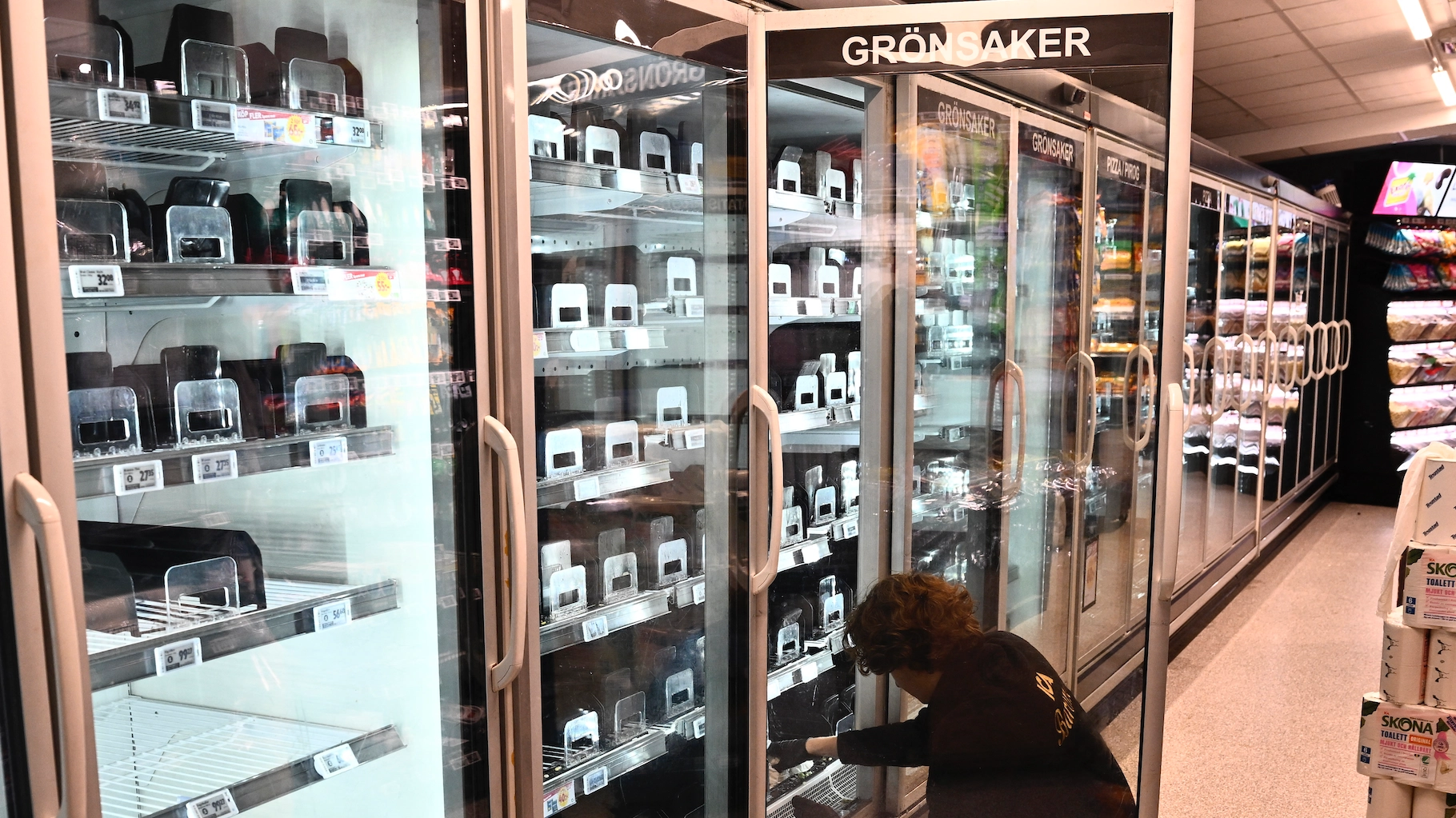
Russian hackers suspected of exploiting '12345' passwords to target supermarket fridges

The perpetrators of a cyberattack which targeted commercial fridges and freezers in Europe may have used easy to guess passwords to carry out the attack.
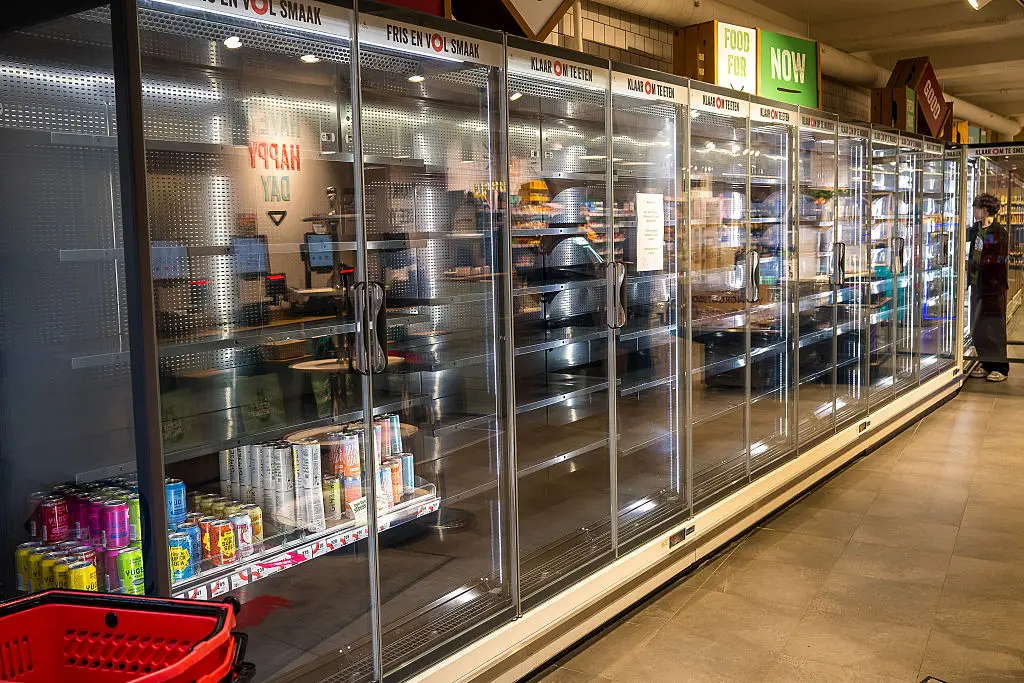
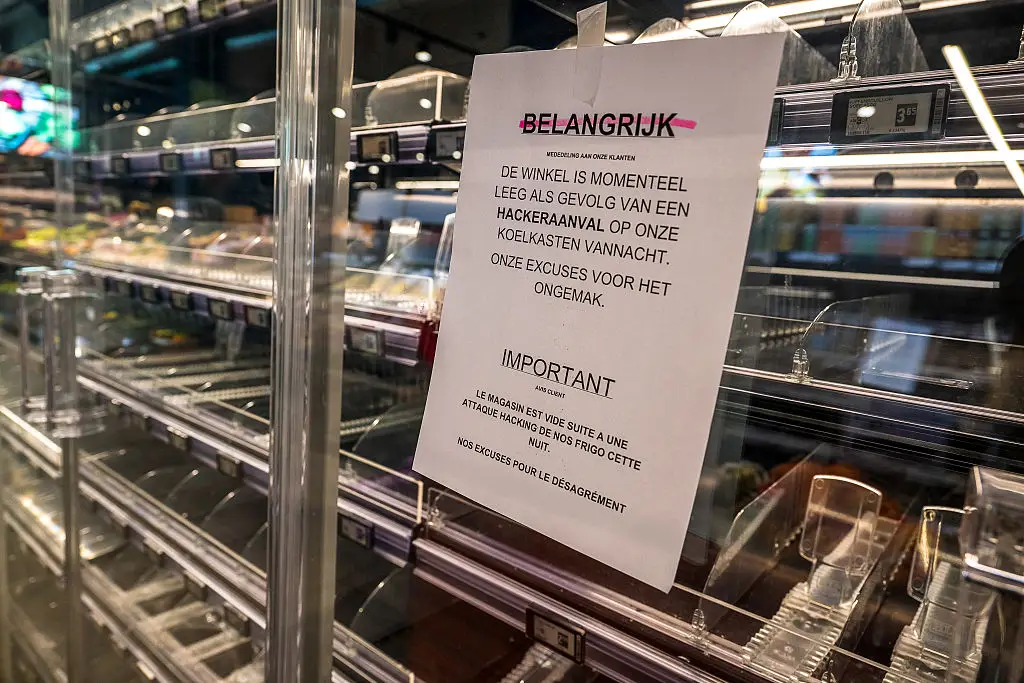
It has not yet been confirmed who is behind the incident, which saw hackers gaining access to closed networks and remotely raising the temperatures of fridges and freezers, causing huge amounts of food to spoil.
Hackers may have been able to do this by simply guessing the passwords on the networks, using the username 'Supervisor' and trying the default password '12345'.
Reports have claimed that the freezers affected by the attack had not been changed from the default settings for the username and password, making them an easy target as the flaw was publicly documented.
Advert
Dr Xavier Bellekens is from Lupovis, which was set up by the University of Strathclyde for cybersecurity, and told The Sun that the nature of the incident suggests that it was a co-ordinated attack, possibly by Russia.
“The coordination across all of the European countries, the fact that all of these devices were probed essentially end days for 10 days before the attack means that not only there is coordination, but it’s a planned attack," said Dr Bellekens.
“When we look at our previous data, previous attacks, we can effectively say that we are not talking about an adversary that might be a teenager in a bedroom.
“It’s something that requires a lot more insights into that, into those technologies as well.”
If the attack did indeed originate in Russia then this would make it something called a 'greyzone' attack, though cybersecurity experts have said it's too early to tell at this stage.
These are attacks which are designed to target the infrastructure of a country, for example airports, electricity grids, or in this case food supply chains.
Cybersecurity specialists in the UK's electricity and gas grids, and the water network are on alert for any potential attempts to breach their networks.
What Dr Bellekens also said was that the attack could have been a way for Russia to show western countries what they are capable of doing.
“If you were Russia and you wanted to demonstrate capabilities on a critical system, because food is part of our critical national infrastructure, you wanted to demonstrate capabilities at a European scale, the food market is a perfect target," said Dr Bellekens.
He added: "I don’t think there’s anybody in the UK now that has not heard of those attacks in Europe, in the UK and elsewhere.
“Being able to demonstrate that capability is also playing in favour of Russia and instilling fear.”
The attacks targeted seven European countries, with Belgium and Luxembourg being the most affected, and Finland, Estonia, Ireland, the Netherlands, and Sweden also hit.
Fridge and freezer units are connected to the internet to allow basic maintenance on the units to be carried out remotely, but in doing so created this vulnerability.
One branch of the food retailer Delhaize in Flanders in northern Belgium told local media that they had lost €100,000 worth of food, around £83,000, and this was just the lost food, it didn't factor in the losses incurred by having to close the shop.
Topics: World News, Russia, Technology
 Kit Roberts