Toddler, 2, euthanised in first case of its kind

Warning: This article contains discussion of assisted dying which some readers may find distressing.
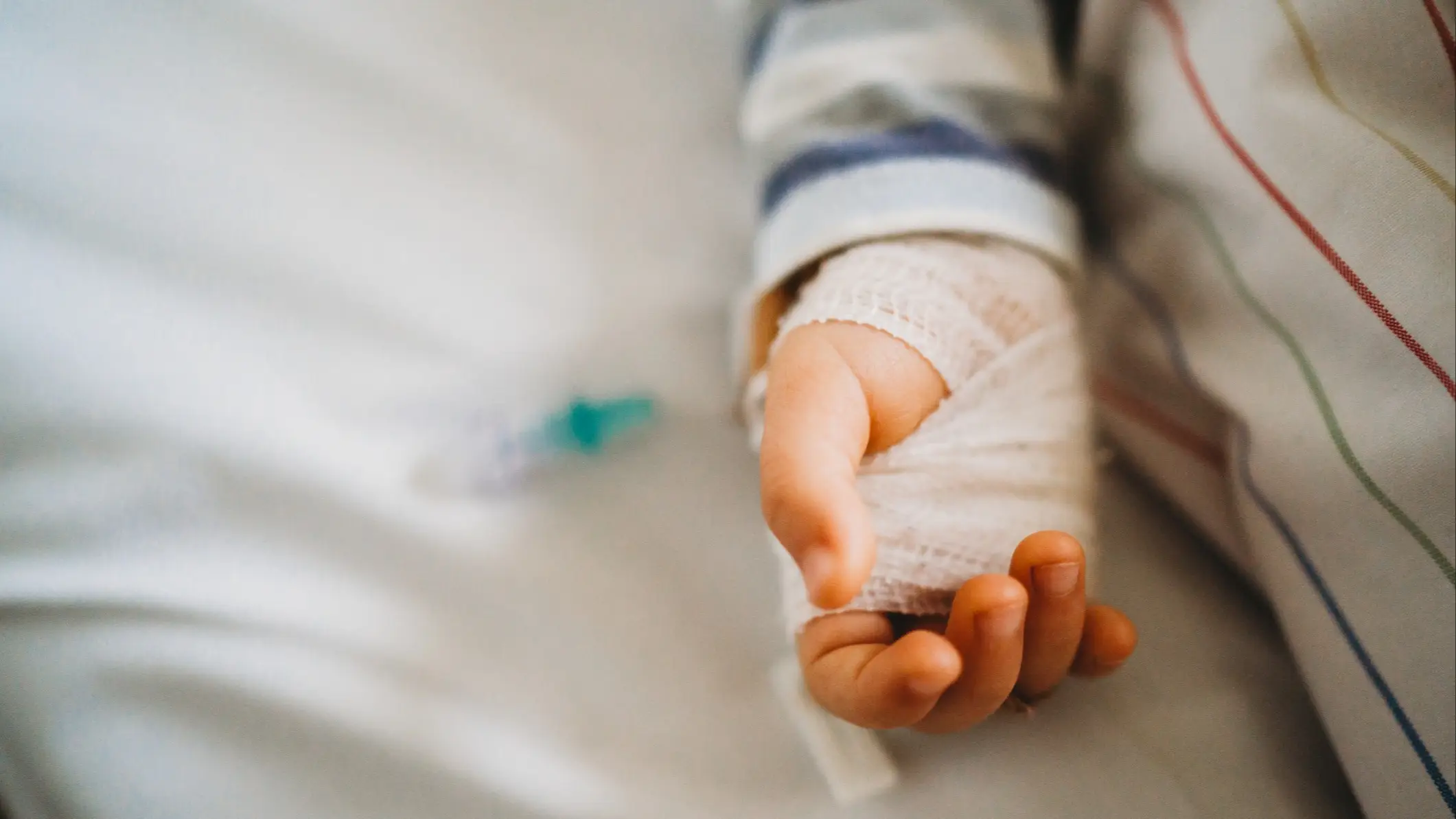
A two-year-old child was euthanised in what is thought to be the first case of its kind.
The toddler had been suffering from severe medical conditions and 'was suffering unbearably', according to a review board in the Netherlands.
It followed an investigation by the Committee for Late-Term Abortion and Termination of Life in Newborns and Children, which revealed the child was 24 months old.
Advert
It is believed it is the first case of a non-infant child under the age of 12 dying by euthanasia, and happened at the end of 2025.
A review found the child was born very prematurely and had suffered severe brain damage, resulting in severe cerebral palsy and a visual impairment.
The supervising committee said this was compounded by frequent and severe epileptic seizures, which were largely unresponsive to medication and that it was clear that the child would not live to adulthood, according to the NL Times.
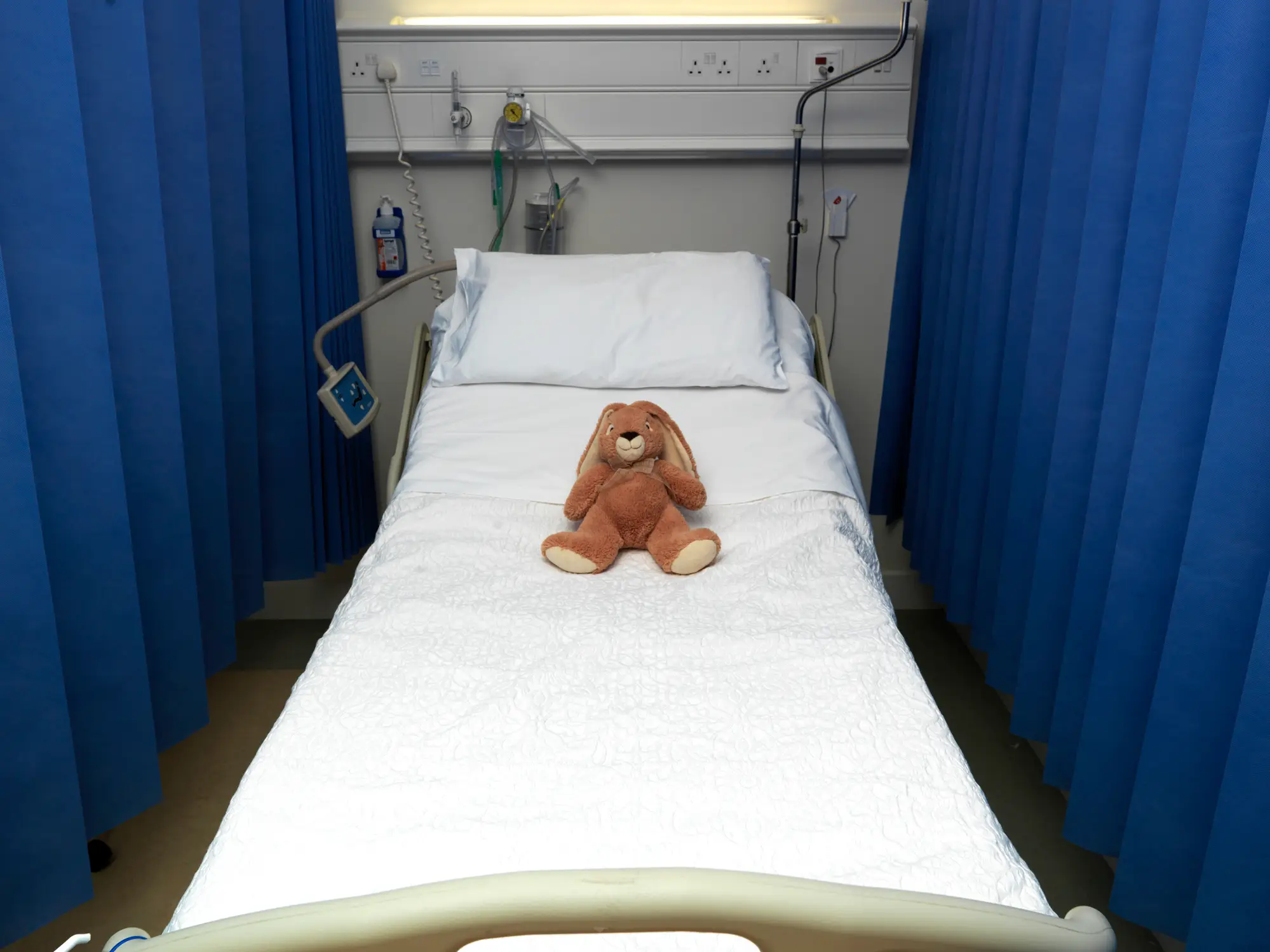
A report stated that the child, whose gender was not revealed, also struggled to breathe because of mucus in their lungs.
"Despite all medical and non-medical interventions, the parents and the doctor observed no improvement in the child’s condition and were convinced that the child was suffering unbearably and without prospect of relief," the committee concluded.
It comes after the Netherlands changed its euthanasia law in 2024 to allow for the termination of the lives of children between the ages of 1 and 12 but under very strict conditions.
Before the law changed, only newborns and those over the age of 12 could be euthanised. Only Belgium and the Netherlands allow for the euthanasia of children.

The Government of the Netherlands stipulates that in the case of terminating the life of a child aged 1 to 12, the parents and doctors 'decide together that there is no alternative but to terminate the child’s life'.
"Termination of life is only allowed if a child is terminally ill and is suffering unbearably with no prospect of improvement," the Government states.
"This means the child is in constant, severe pain. And that there is no cure, and no reasonable alternative to relieve the child’s suffering, even through palliative care.
"In this situation, the doctor may decide, together with the parents, to terminate the child’s life. This decision is always made in consultation with the parents and, if possible, also with the child."
The board concluded that the doctor who euthanised the two-year-old child had done so with appropriate due care.
Topics: World News, Health
 James Holt