'I caught a deadly virus in Thailand – I couldn't walk or remember my family'

A woman who went into a coma after contracting a rare disease didn't recognise her family when she woke up.
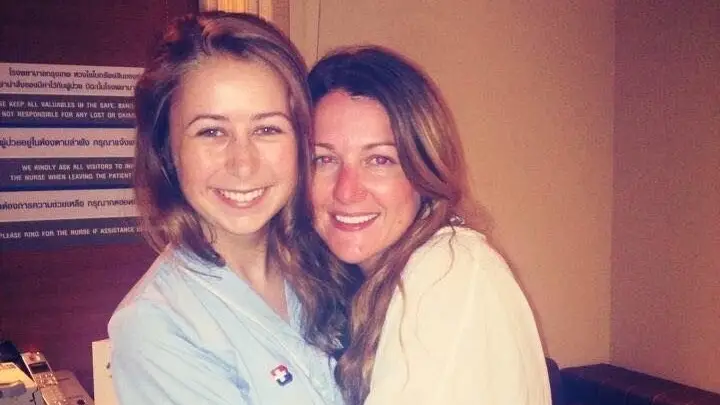
Back in 2014, Chelsea had just completed her psychology degree and decided that at the age of 21 it was the perfect time for her to go travelling.
Many of her friends who'd also just graduated were looking for jobs or options to stay in academia, but Chelsea 'just wanted to travel' for a while.
"I went by myself, planning to meet a group of people in Thailand and then spend two weeks with my mum," she said of her plans.
Advert
The woman from Bath volunteered to teach English to children while in Thailand and she was having a fine time abroad, and then things suddenly went very wrong.
"You don’t have time to wait. Get to the hospital now."
“I started having flu-like symptoms. I remember lying in this small, hot room, just staring at the ceiling fan, feeling completely out of it," Chelsea said of her illness.
A trip to a pharmacy and medication made her feel better, well enough to go travelling again, but a couple of weeks later when she reunited with her mum she got much worse.
She said: "I started experiencing flu-like symptoms again, getting headaches, was confused most of the time and I couldn’t remember simple things."
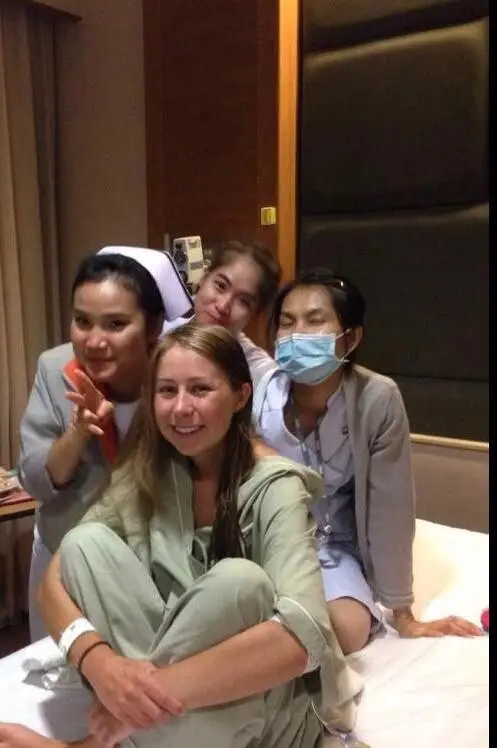
Her mum would end up finding her unconscious in her hotel room and Chelsea was rushed to see a doctor.
Initially they thought it might be something to do with the heat, but the doctor told Chelsea and her mum it was far more serious than that.
“It’s the brain. You don’t have time to wait. Get to the hospital now," Chelsea remembers the doctor telling her.
She's fortunate the doctor urged them to go to the hospital, as Chelsea had a cardiac arrest minutes after arriving there.
"I didn’t recognise people; I couldn’t even remember who my brother was"
Hooked up to machines and placed into a coma, Chelsea was diagnosed with Japanese encephalitis, a rare and very serious viral infection that causes inflammation of the brain.
At the same time she also had melioidosis, a dangerous bacterial infection contracted from contaminated soil or water.
Chelsea woke up to a completely different world, one where she no longer recognised the familiar.
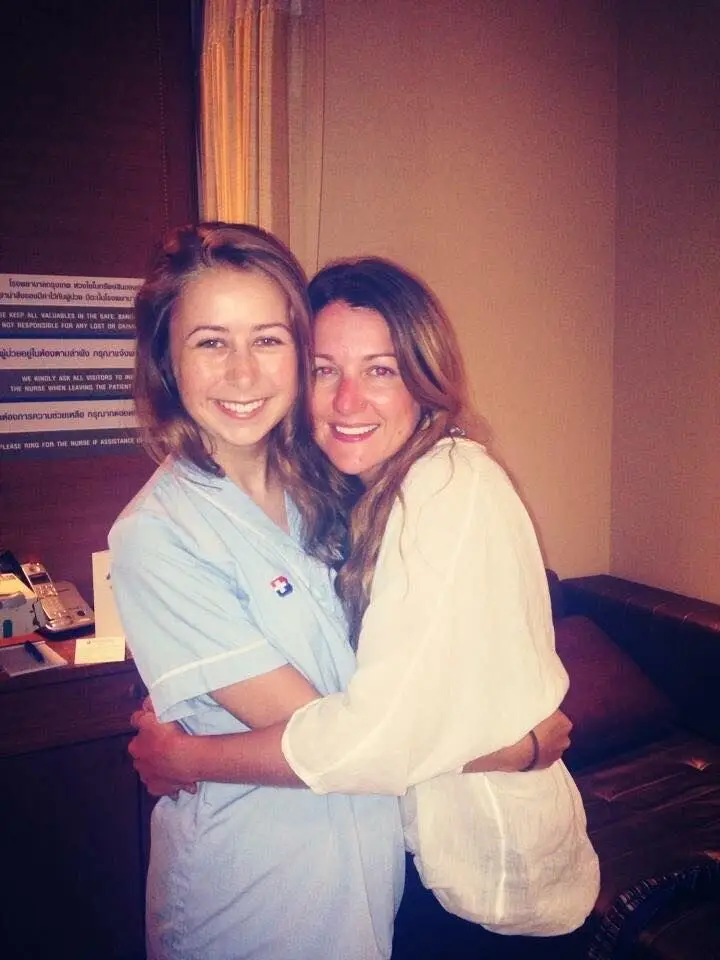
She said: "I couldn’t walk or stand. I didn’t recognise people; I couldn’t even remember who my brother was."
She underwent a lengthy recovery as she had to spend two hours a day 'just learning how to walk again' and rebuilding her strength.
"It wasn’t really a single moment where everything suddenly came back," she said of regaining her memories.
"As I became more conscious after the coma, things slowly started making more sense, but parts of my memory still weren’t there.
"Over the following weeks, memories gradually started returning and I became more aware of the people around me again. It was very much a gradual recovery process rather than an instant one."
"I had a lot of gaps in my memory"
Getting her memories back was part of the recovery process for Chelsea, she said being around her family and hearing stories that were familiar 'definitely helped reconnect pieces of my memory over time'.
"Talking about certain memories, places, or experiences sometimes helped trigger things and bring parts of my memory back," Chelsea explained.
A lot of the gaps in her memory included 'holidays, conversations, and experiences that should have felt really familiar to me', and she found it 'particularly strange' when she forgot about 'everyday things like well-known films and music that I would normally have known instantly'.
"A lot of those memories gradually came back over time as my recovery progressed, but even today there are still occasions where people will mention something from the past and I’ll have absolutely no recollection of it happening," the woman said.
"It completely changed my life"
Her recovery continued for another 18 months after she returned to England, with Chelsea 'constantly tired, sleeping a lot, and going to weekly check-ups'.
For a 21-year-old it was a lot to deal with, seizures she suffered from meant she couldn't drive for a year, let alone work or study.
Even now at the age of 33 she still faces challenges.
"It completely changed my life. People see me and think I’m fine. But I have headaches most days, constant fatigue, and memory problems. It’s not a visible illness," she explained.
Still, she considers herself 'one of the lucky ones', and says it's also changed her perspective on life as well.
She said: "Before, I worried about everything: what people thought, whether I was good enough. Now, I just think I’m alive. That’s enough."
What is Japanese encephalitis?
Chelsea, who in 2025 got her Master's degree in Neuropsychology and now works as an assistant psychologist, is sharing her story in the hopes people will get vaccinated, 'because I know how close I came to not being here'.
She said: "My message is: just get the vaccines. Even if the risk is low, it’s not worth it. It can be life-threatening and lead to severe brain damage."
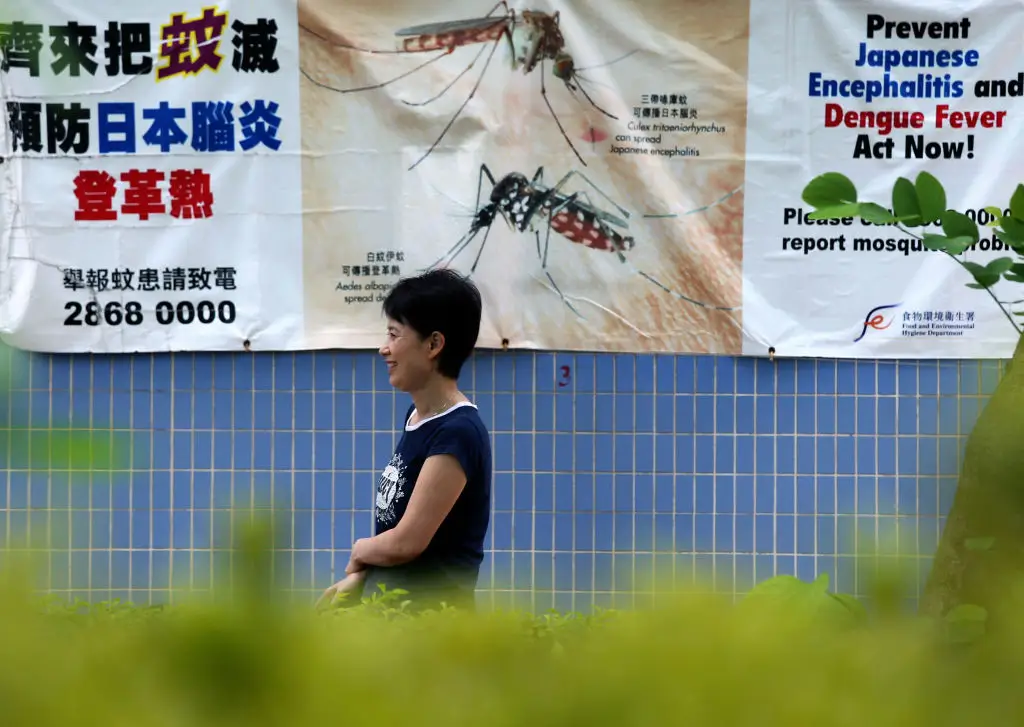
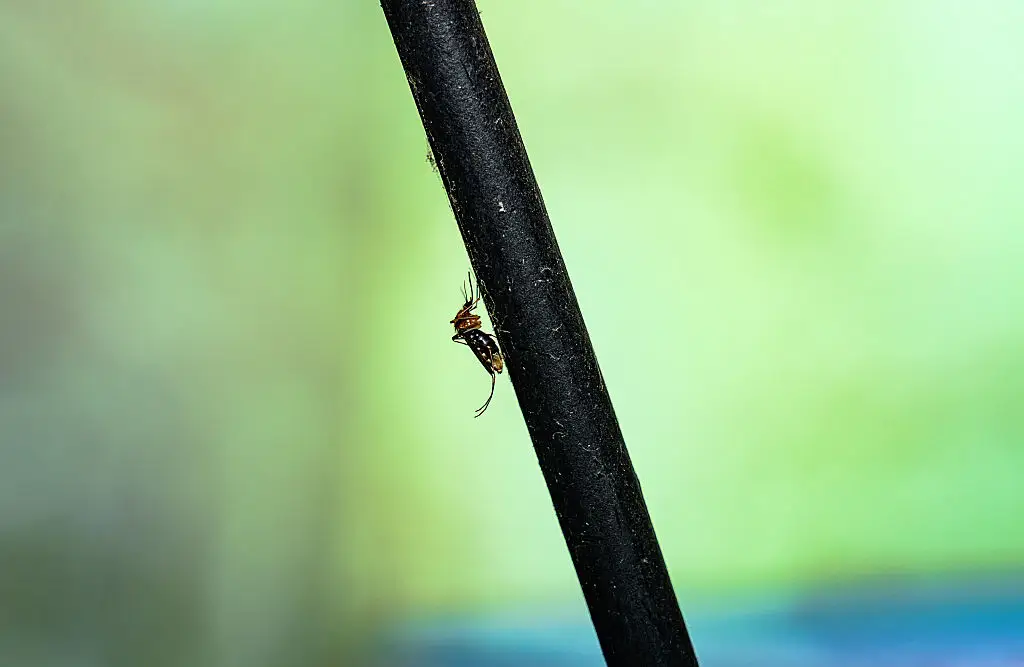
According to Encephalitis International, Japanese encephalitis is transmitted by Culex mosquitoes which breed in water pools and flooded rice fields which bite mainly during the night or just after sunset.
It cannot be transmitted from person-to-person, and people living in areas at risk are typically residents of South-East Asia, Australia and the wider Western Pacific region.
Around 100,000 cases as estimated each year, and many children suffer from it.
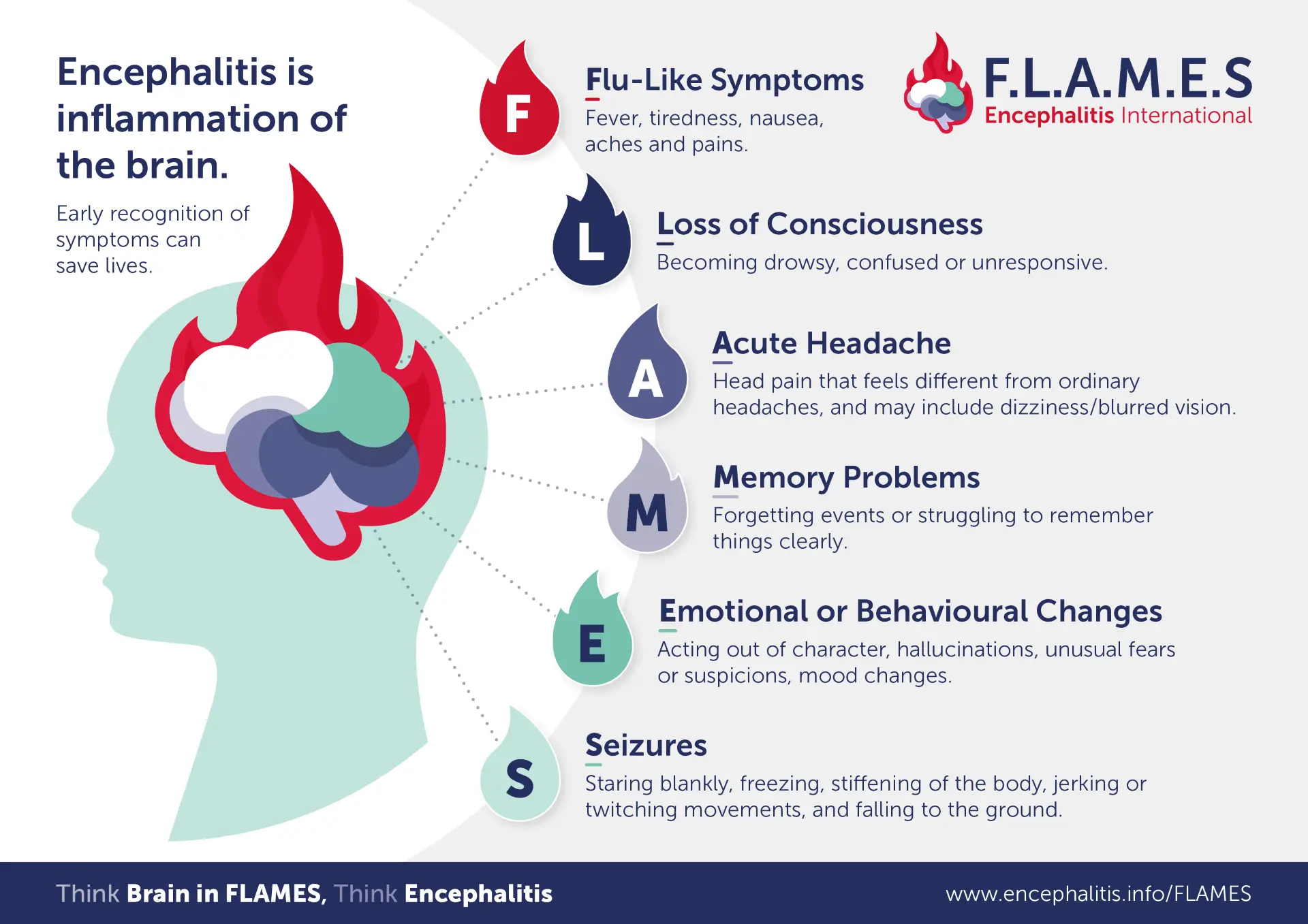
Encephalitis International have the 'FLAMES' acronym for the symptoms of the disease, which are:
F: Flu-like symptoms
L: Loss of consciousness
A: Acute headache
M: Memory problems
E: Emotional or behavioural changes
S: Seizures
 Joe Harker