Young people are facing ‘ABC of doom’ amid 'lack of hope' over mental health crisis

Warning: This article contains discussion of mental health issues which some readers may find distressing.
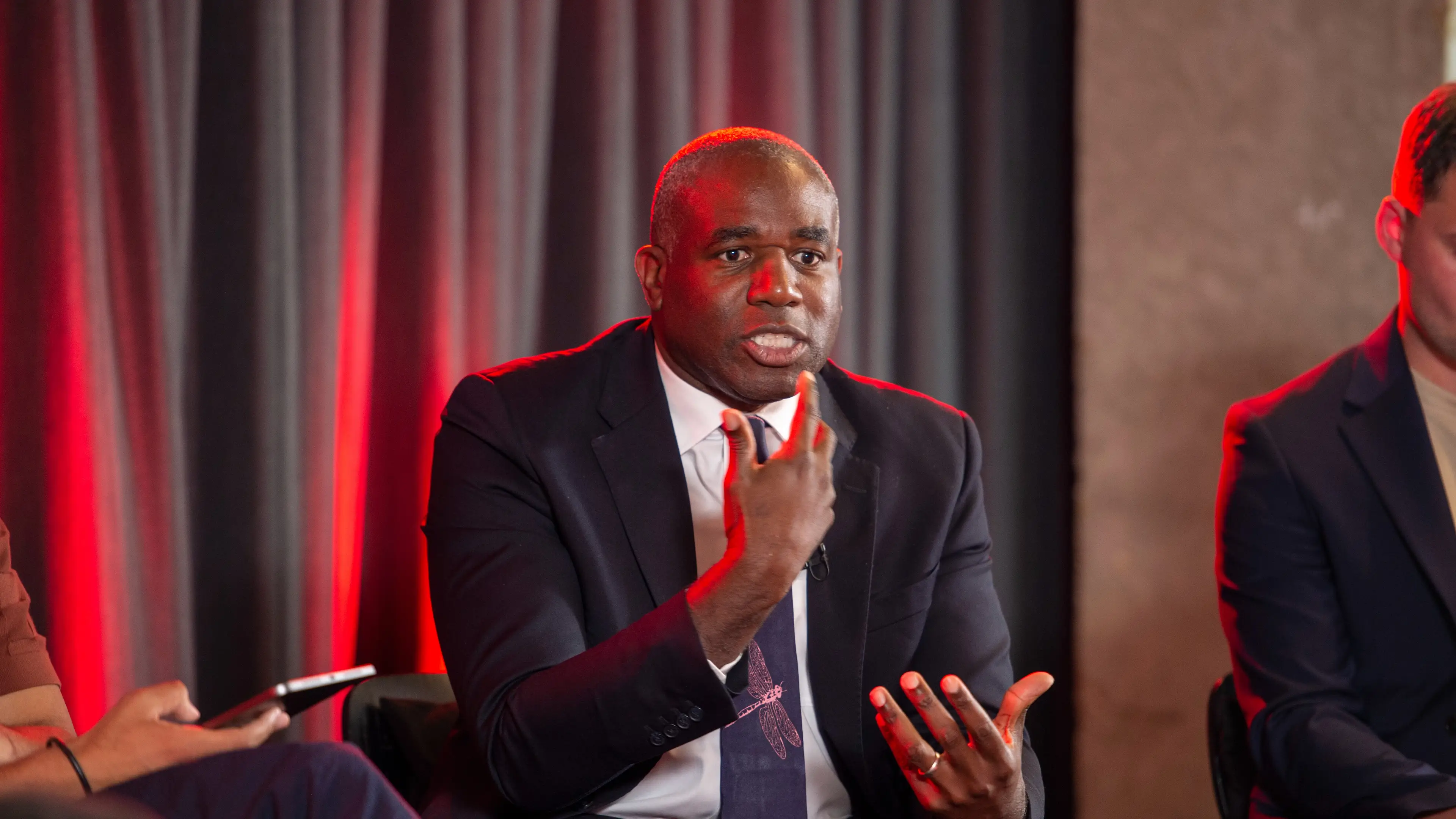
Government minister Alison McGovern has said that younger generations have it tougher than ever as the hopes that they'd grow up in a better world 'turned out to be wrong'.
A new review into mental health from Professor Peter Fonagy has warned for the first time since the Second World War there's a 'lack of hope' among young people that their lives will be better than their parents.
Advert
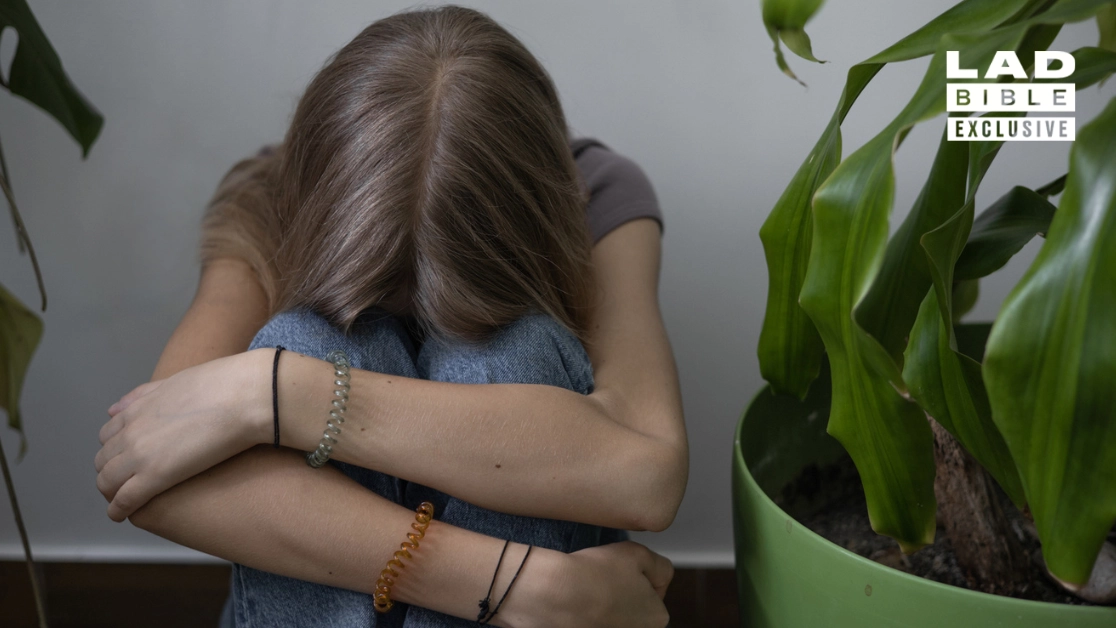
Mental health problems and distress have 'increased substantially', especially among young women, with the review adding that self-harm and eating disorders were among the issues on the rise.
These issues are 'real', 'affecting everyday functioning' and 'cannot be explained by greater awareness alone', the review says, which means the government has a lot of work to do.
Speaking with LADbible, McGovern accepted previous generations had it better and identified what she thinks are some of the main causes behind this slew of mental health issues.
"It actually was better for previous generations"
“I grew up in the 90s, I was a teenager in the 1990s and then I thought it was absolutely nailed on that the teenagers of the 2020s would be doing better," she said.
"That they'd live in a more progressive, more inclusive world and sadly those of us who hoped for that turned out to be wrong. It actually was better for previous generations. And there's a complicated set of causes."
This is something the prime minister agrees with, as Andy Burnham appeared on LADbible's Agree to Disagree and agreed with the idea that Gen Z have it tougher than the generations that came before them.
McGovern went on to outline the 'ABC of doom' as she talked about what she thought were the causes of much of the misery facing people these days.
She said: "Those young people who are teenagers now have lived through the consequences of austerity, of Brexit and all of that damage to our economic opportunities.
"Then they were young during COVID and that had a complicated impact on the kind of support that they might have got and their ability to have friends and play out and all of that kind of thing.
"That toxic mix, the sort of ‘ABC of doom’ of austerity, Brexit and COVID I think has had a massive impact."
"They feel pretty hopeless that they'll ever get someone who can support them"
One of the main things to tackle is the lengthy waiting lists people who seek help get put on.
According to the minister young people who've been on those lists have said they 'feel pretty hopeless', while the Fonagy review warns that 'we are waiting too long' and it's leaving people with mental health conditions untreated.
McGovern said: "Young people who have been through a mental health condition and got support often will know that it's not a miracle cure.
“I myself have experienced mental ill health at times in my life and you kind of go through a process of talking to somebody, understanding yourself, and then it's not a straight line of recovery, it's not a line goes up graph.
“Often it's a bit of a bumpy graph of recovery. But once you've got those tools of help, of a way of thinking through your problems often that can be a really good thing to come back to if those if that depression or anxiety resurfaces."
"Some of that I would argue is spent quite poorly"
While around £16 billion is currently spent on mental health support in England she said that some of it wasn't being used very well.
Pointing towards the recent review she explained that for the most significant mental health conditions 'we're not seeing improvements in the rate at which people are recovering'.
"I don't want it to be shameful anymore and we want to make sure that that money that we spend supporting people actually helps them recover so that they can work and participate in society," she said.
“At the other end for common conditions, depression, anxiety and so on, I want young people to feel as though they know where to get help in their community.
“For every town and city across England, I want young people to feel like they know that there's that local organisation that they can drop into. That's already happening in some places, but it's not happening everywhere.”
Those in need of support are more likely to be younger
While mental health is something that affects all generations it appears almost half the people seeking help for it in England and Wales are under 30.
24,681 people claimed personal independence payment (Pip) who had been on the benefit for at least two years and had an anxiety disorder listed as their primary condition.
Press Association analysis found that 30 percent of this group were aged between 16 and 24, while a further 22 percent were aged between 25 and 34.
The older cohorts make up smaller proportions of this group claiming Pip for anxiety, with a further 22 percent in the 35 to 44 group, 14 percent aged 45 to 54, 11 percent being 55 to 64 and just two percent aged 65 and over.
There's a total of 72,195 overall Pip claimants with anxiety disorders, though the Fonagy report also warns that fewer than one in 15 young people with a mental health disorder has been diagnosed.
A mental health review to be released by Christmas
McGovern said that the prime minister's announcement of a mental health strategy being published by Christmas was an 'exacting timetable'.
She added that they wanted to introduce local drop-in hubs anyone could access, and that more details on that would be coming when they published their plans.
“For every town and city across England, I want young people to feel like they know that there's that local organisation that they can drop into," she said.
"That's already happening in some places, but it's not happening everywhere.”
Earlier this year the government announced plans to open 159 mental health centres across England, spending £343 million to provide places where people could walk in and get support without a referral.
If you're experiencing distressing thoughts and feelings, the Campaign Against Living Miserably (CALM) is there to support you. They're open from 5pm–midnight, 365 days a year. Their national number is 0800 58 58 58 and they also have a webchat service if you're not comfortable talking on the phone.
Topics: Originals, Mental Health, UK News, Politics
 Joe Harker