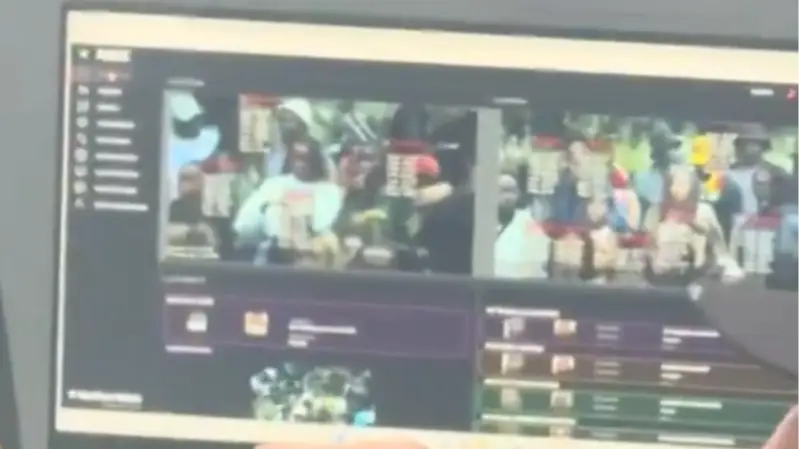
Eerie footage shows 'Black Mirror' police surveillance camera scanning all our faces

Cameras scanning all of our faces as we walk by may have seemed like something out of this world a decade ago.
Granted, it might be a little eerie, but specialist technology able to highlight our faces and indicate whether we are of interest to authorities is very much here in 2026.
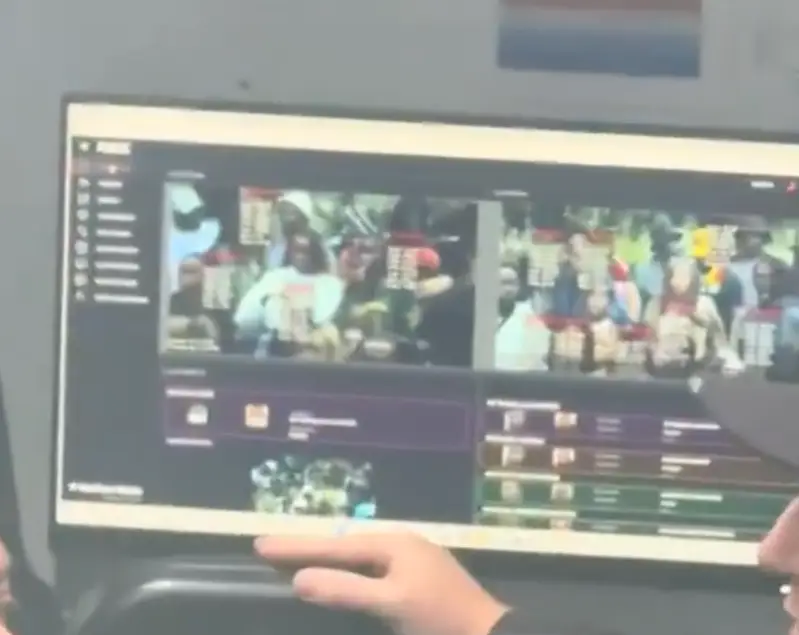
That is why recent mobile phone footage zooming in on the back of a police van in Manchester has attracted more than ten million viewers on social media.
Dubbed ‘the real life Big Brother’ and like ‘something out of Black Mirror’, the screens scanned large crowds during a recent outdoor festival and individually captured everyone’s faces in real-time.
Advert
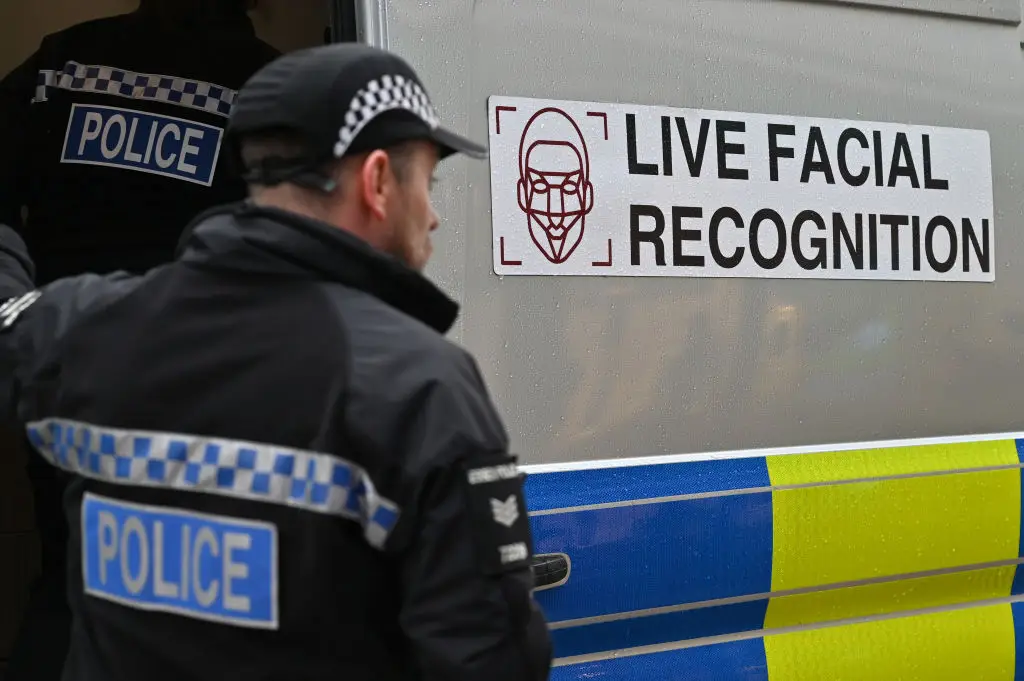
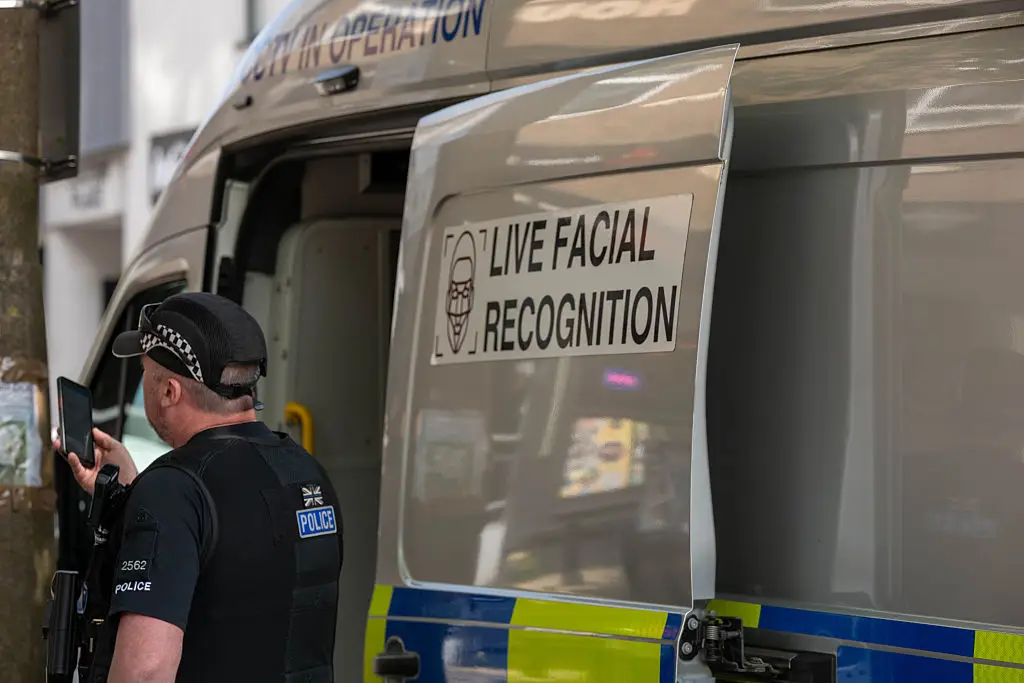
The post, on X, titled “Nothing to see here folks, move along now” appeared to film the back of a Greater Manchester Police van as specialist live facial recognition technology (LFR) scanned thousands in a matter of minutes as crowds moved through the area.
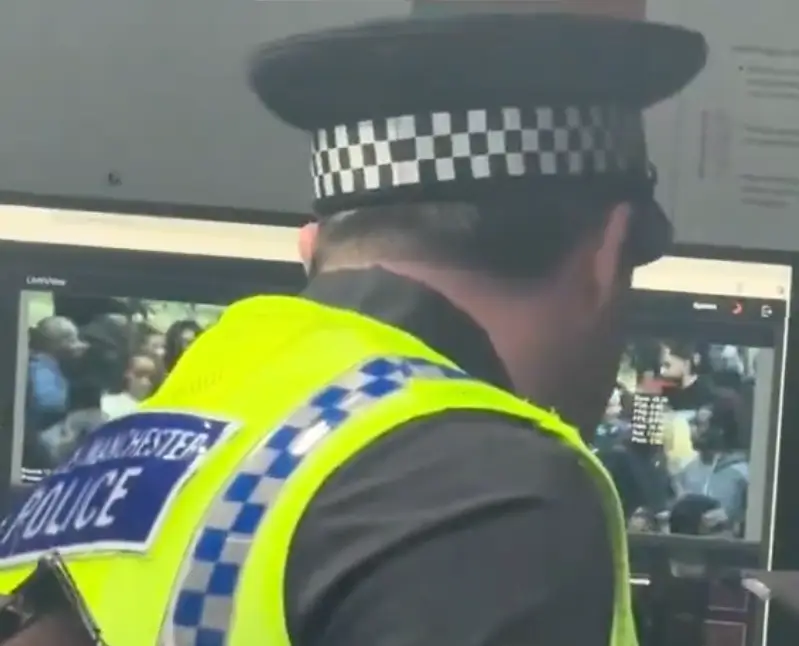
“When I say the UK is one of the most surveilled states in the world (top 5) people think it’s a joke,” a response from another user read, which has since had hundreds of thousands of views online.
Social media users were quick to comment on the video, which was likened to a ‘sci-fi film’, as one said: “If people truly knew about the technology available today they’d have a heart attack instantly lol.”
Another wrote:”Every single sci-fi is literally getting you ready for the c*** they’re gonna feed to you in the future.”
Others likened the technology to something out of a Black Mirror episode, which has frequently explored the use of mass surveillance, personal privacy and data tracking in its thought-provoking storylines.
In Hated in the Nation, the government uses cameras and sensors in artificial bees for facial recognition and mass surveillance. “Minority Report had a baby with Black Mirror” another commented, followed by: “Black Mirror is here. Take a seat and grab a popcorn,” and: “Big Brother is watching.”
Technology criticised by human rights groups
Elsewhere, it was announced that the technology would be rolled out to busy shopping areas in London and on the Tube network. But LFR has been widely criticised by human rights groups and has been viewed as controversial.
Ruth Ehrlich, from human rights organisation Liberty, said: “This technology scans the faces of everyone who passes by, regardless of whether they are suspected of any wrongdoing.
“If live facial recognition is to be deployed in one of the country’s busiest shopping and tourist destinations, there must be full transparency about how it will be used, what safeguards are in place, and how its impact on people’s rights will be monitored."
Meanwhile Jasleen Chaggar, from the campaign group Big Brother Watch, previously said: “A face scan is as unique as a fingerprint. The police cannot take your fingerprints when you are not suspected of wrongdoing. Taking a faceprint is no less intrusive just because it happens remotely."
The UK government ran a public consultation on a new legal framework for the use of biometrics and facial recognition which closed in February, focusing on clear rules, privacy safeguards, and proportionality for technologies like live facial recognition.
How does LFR work?
The Home Office has described the technology, first rolled out in 2016, as a ‘crucial tool’ that is used to locate suspects and those who are classed as wanted. Issuing reassurance, the Government said that police forces must comply with human rights and data protection laws, and that facial images are only scanned against people of interest before being blurred and deleted.
In a statement to LADbible, a Home Office spokesperson said: “Facial recognition is a crucial tool that helps the police locate suspects and those wanted by the courts.
“The Government intends to bring forward a new bespoke legal framework to ensure all police forces across the country can use facial recognition with greater confidence, and that their uses and limits are clear to the public.”
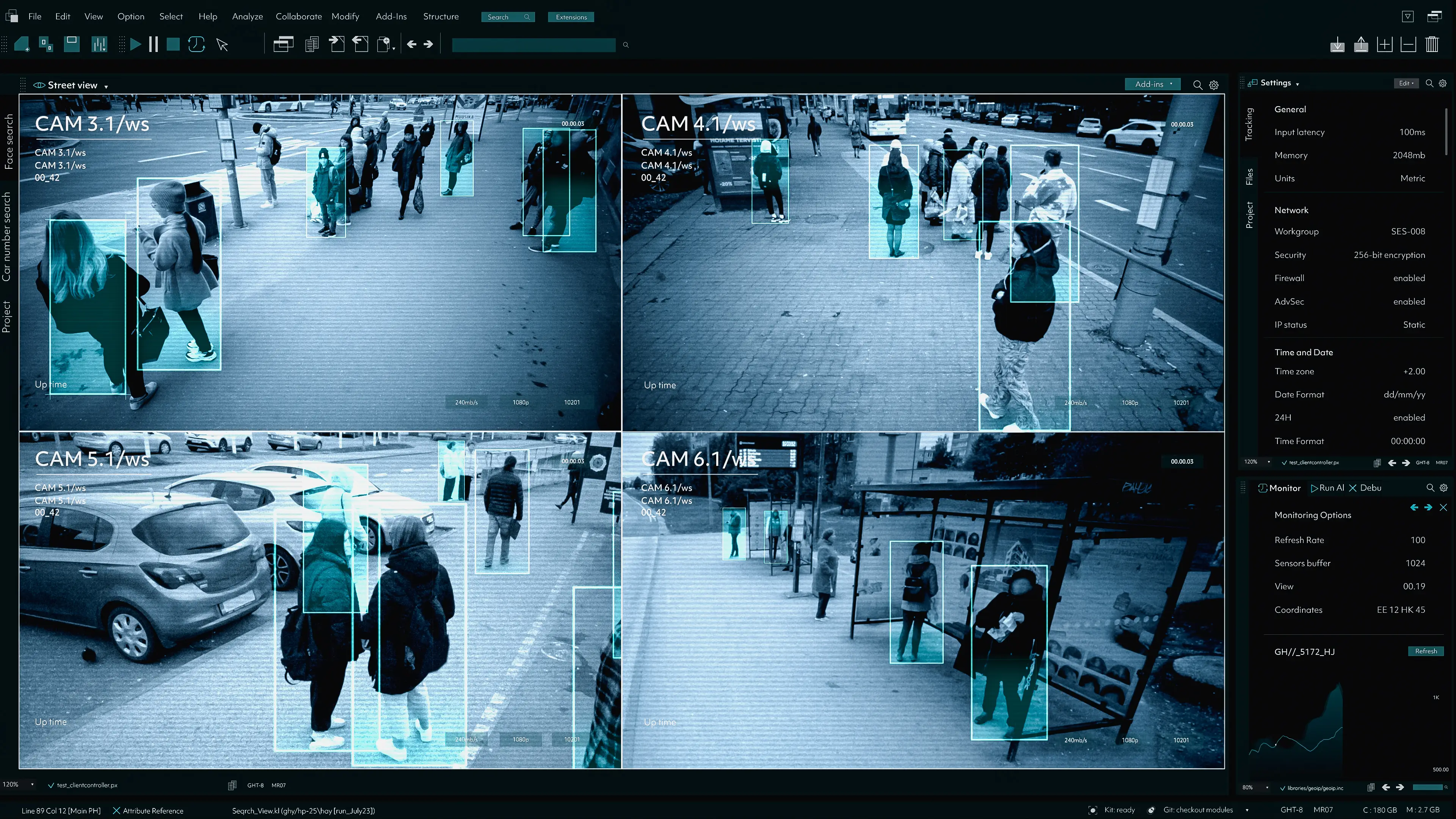
Police forces must comply with existing laws, including human rights, equality and data protection obligations when using the technology. LFR uses live video footage and compares the faces of people passing the LFR camera against a predetermined watchlist of people wanted by the police or courts.
And don’t fear, the LFR system blurs images of people not of interest and automatically deletes their biometric data where there is no match to the watchlist.
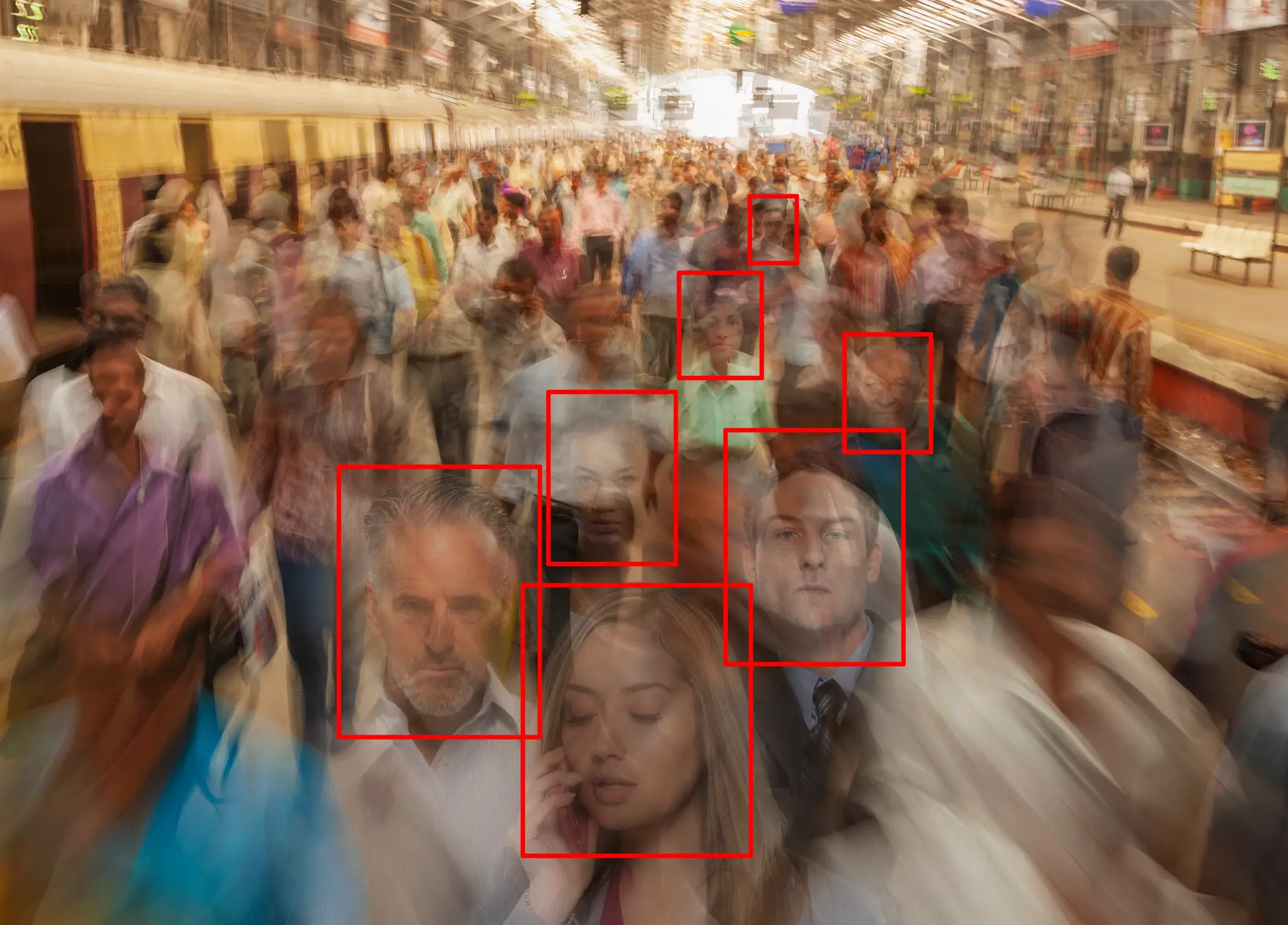
It works by comparing a person's facial image against a watchlist to determine whether they may be a match to someone the police are looking for. It does not reveal any other personal characteristics
Greater Manchester Police that since last October, the LFR technology has been used to ‘provide an extra layer of security to keep people safe’. More than one million people have had their faces scanned.
It is routinely used across Greater Manchester and has so far resulted in more than 100 arrests, 359 alerts and has been used to bring two sex offenders to justice.
A force spokesperson said: “The LFR vans have been used for operations and events including the Brit Awards, the MOBOs, football matches, within town centres, and at community events. Out of more than one million faces scanned, there has only been one false alert.
“With any alert generated, there is always an officer who makes the decision to arrest. The decision to arrest is not based on an alert and numerous checks are made to ensure that any arrest is necessary, proportionate and lawful.
“All images with alerts are deleted immediately after using them or within 24 hours. Not every alert results in specific action also and, the images and biometric data of those who don’t cause an alert are automatically and immediately deleted.
“LFR deployments are advertised on our website in advance of any operation, and we always encourage members of the public to approach us and learn about the technology being used.”
Topics: Crime, UK News, Social Media, Technology
 James Holt