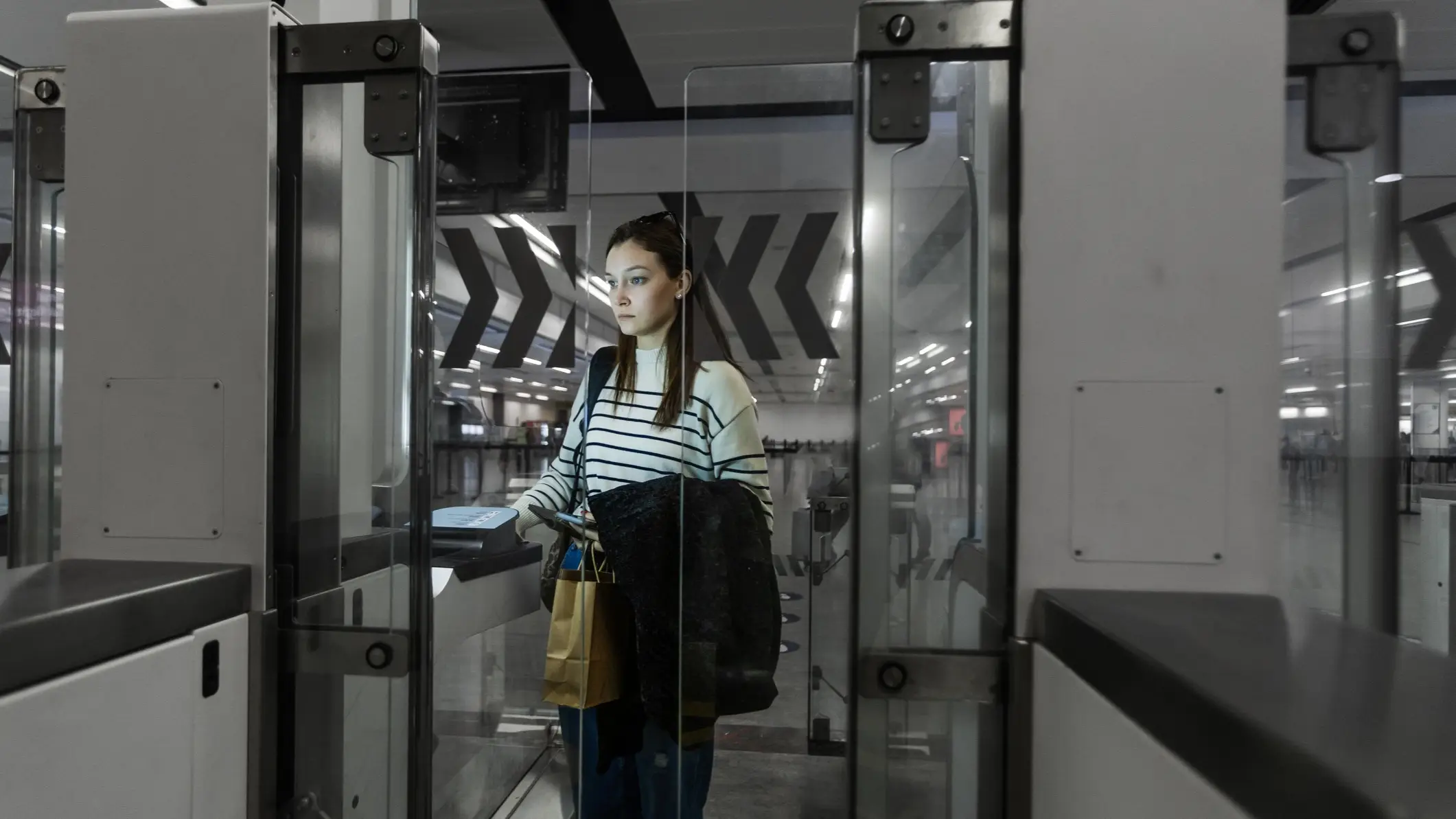
'Contactless borders' to allow Brits to move through airports without scanning passports under new rules

Travelling is supposed to be a way for us to feel less stressed but the various changes in airports can often make it very difficult to relax.
In the last few years alone, we've seen the increased queues for Brits following our obviously fantastic decision to leave the EU, as well as the new entry exit system in airports which did more harm than good over a busy summer, with some even missing their flight because of it.
Depending on your approach, you might get to the airport hours before your flight or maybe just 15 minutes before you're due to board, which seems to be a bizarre working theory for some folks.
But the good news is that when you're tired and probably depressed about coming back to the UK, there's now set to be some 'contactless borders' which will roll out at selected airports in the next few weeks.
Advert
You might be wondering why or what this means for you, and essentially it means that if you're a UK citizen, you can put your passport away once you're through security and on the plane back home.
At first it will only work for British passport holders but it could be extended to other nationalities with biometric passports allowed to use e-gates.
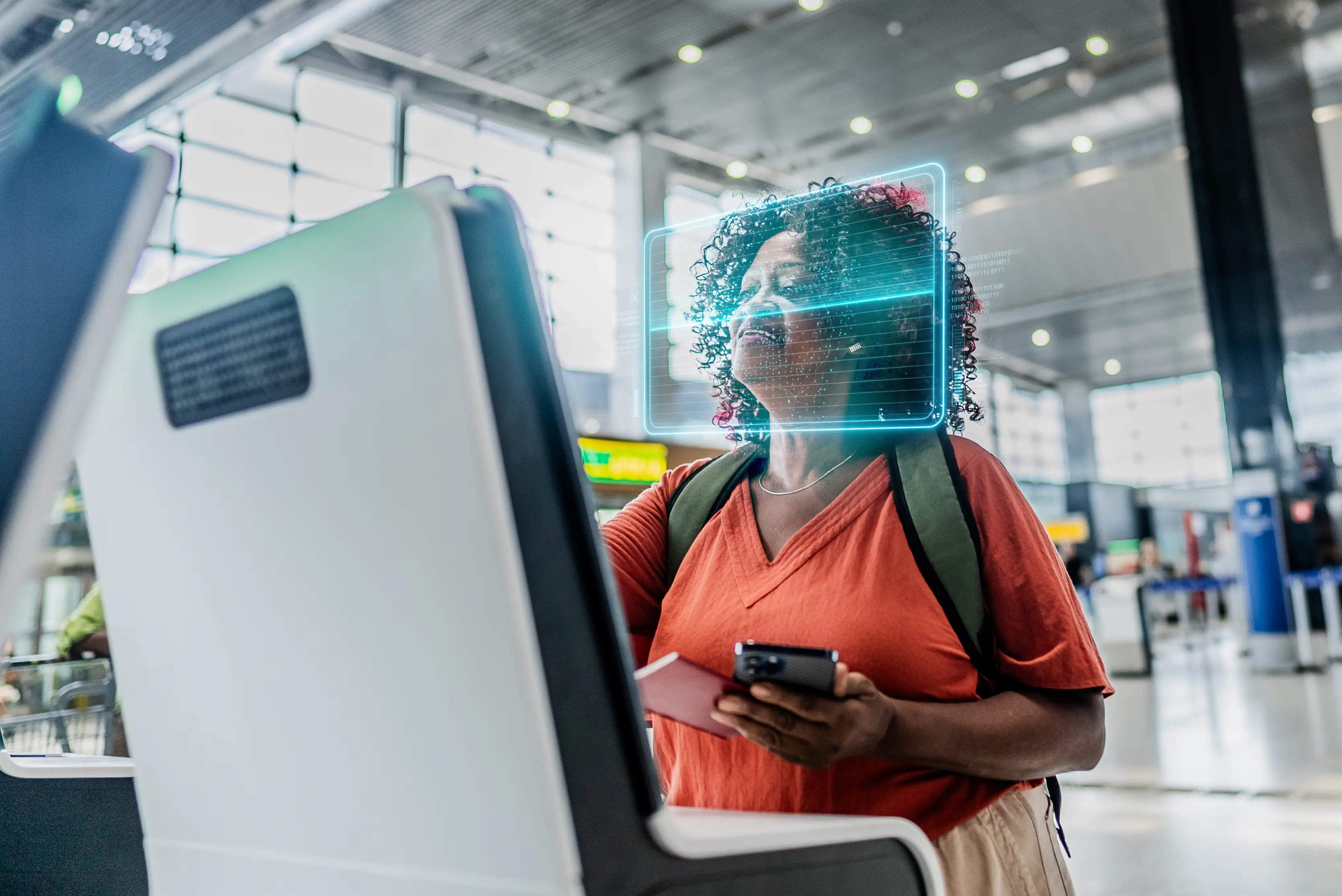
These new borders, which are due to arrive at the Birmingham and East Midlands airports in the coming weeks, will use facial recognition technology to allow you back through, without the often slow and painstaking process of scanning your passport and fingerprints.
Should this prove to be a success, it would then be extended to all e-gates, which are already in operation at Bristol, Cardiff, East Midlands, Edinburgh, Gatwick, Glasgow, Heathrow, London City, Luton, Manchester, Newcastle and Stansted airports early next year.
Speaking to The Times, Phil Douglas, the director general of Border Force, suggested this could speed up the process by a significant 25 per cent.
He said: “It will mean we have a more secure border and a much faster transit through the airport. It’s quicker, it’s more modern, it’s more secure."
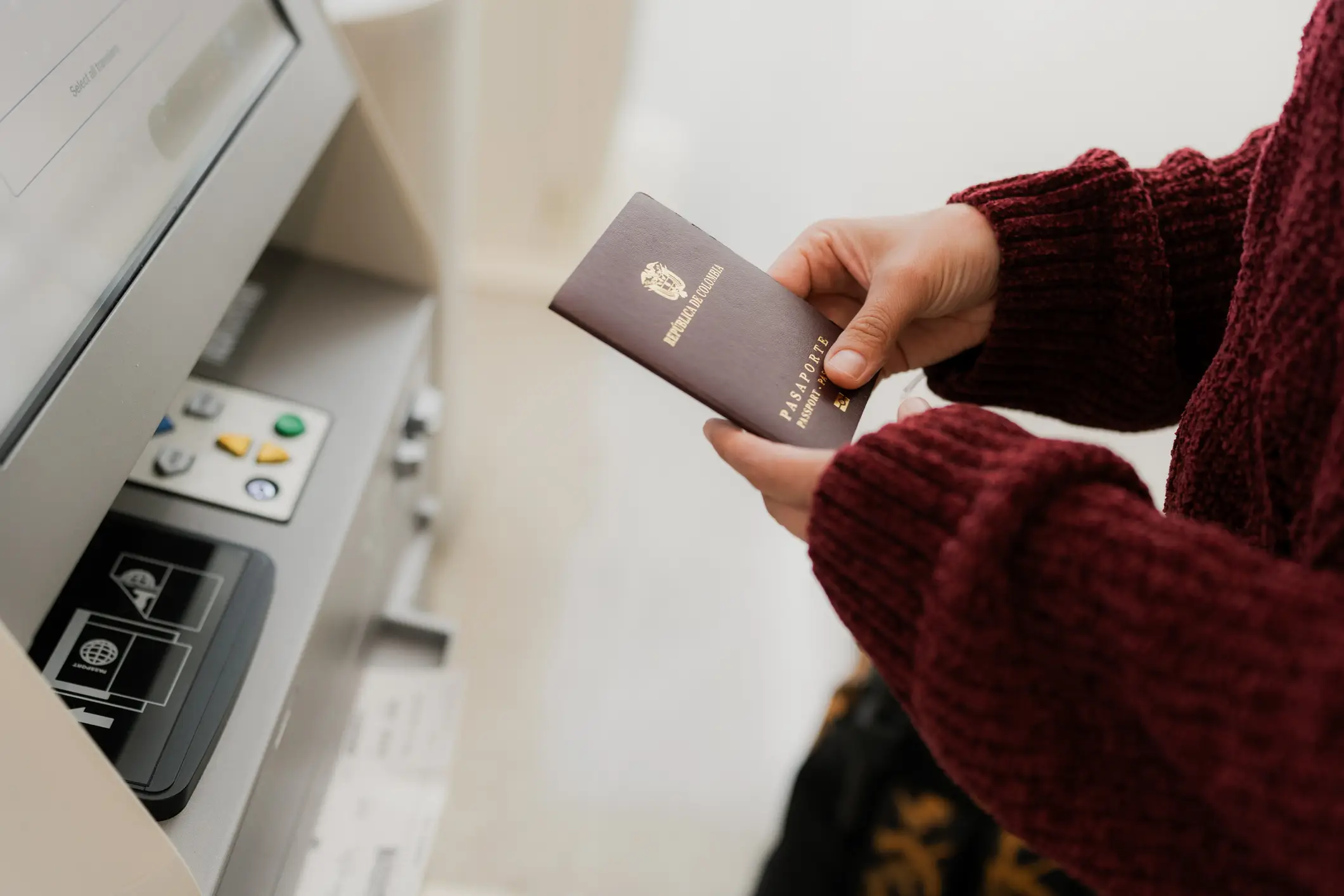
Anything that speeds up the process at an airport is a good thing, even if it does rely on facial recognition technology and serve as a strong reminder that the government know exactly who we are, what we look like and even where we go on our holidays.
The current process is of course a long one, especially when you're stuck behind someone who doesn't know which way to put their passport down, and fortunately it seems as if there will still be back-up options to the facial recognition, including the physical scanning and then a border official at a gate if needed.
While it feels inevitable that it will go wrong at first, at least it's been done in the winter, so we can all hopefully have a less stressful experience in UK airports the time that our next summer holiday comes around.
Topics: Travel, Technology
 James Moorhouse