
Seven signs that suggest you are new personality type ‘otrovert’

While you might be familiar with the personality types introvert or extrovert, there’s actually a third type, called 'otrovert'.
No longer are people only being placed into two boxes of being ‘loud’ or ‘quiet’, instead, there’s a middle ground that’s a new personality trait recently coined by experts.
But you’ve probably not come across it yet.
According to American psychiatrist Rami Kaminski, it’s a term for those who don’t feel they fit in either of the introvert or extrovert term.
Advert
Kaminski explained: "When Jung invented the terms extrovert and introvert, he saw them as two fundamental orientations of the personality. I see the otrovert in the same way. A personality trait that faces away from the group.”
However, with seven different personality traits, it’s likely you might either recognise the signs in yourself, or others you know.

You prefer one-on-one or small-clusters instead of being in groups
If you like to join someone for a paired outing or activity but feel snowed under in a group, then you could be part of the otrovert club.
Kaminski said: "Extroverts and introverts are inherently communal, while the otrovert is an outsider to the group. In itself, it is not a problem or condition, nor is it a diagnostic label.
"It simply means that while most people learn to develop a sense of belonging to a specific group through social conditioning, otroverts remain social but not communal."
You’re not connected to the group
Do you feel out of the loop while everyone seems to be in sync?
Kaminski also spoke about something he calls the 'Bluetooth phenomenon' which describes emotionally pairing with others.
For otroverts, this is hard to do, with Kaminski adding: "Otroverts discover very early in life that they feel like outsiders in any group. This is despite the fact that they are often popular and welcome in groups.
"That discrepancy may cause emotional discomfort and a sense of being misunderstood."
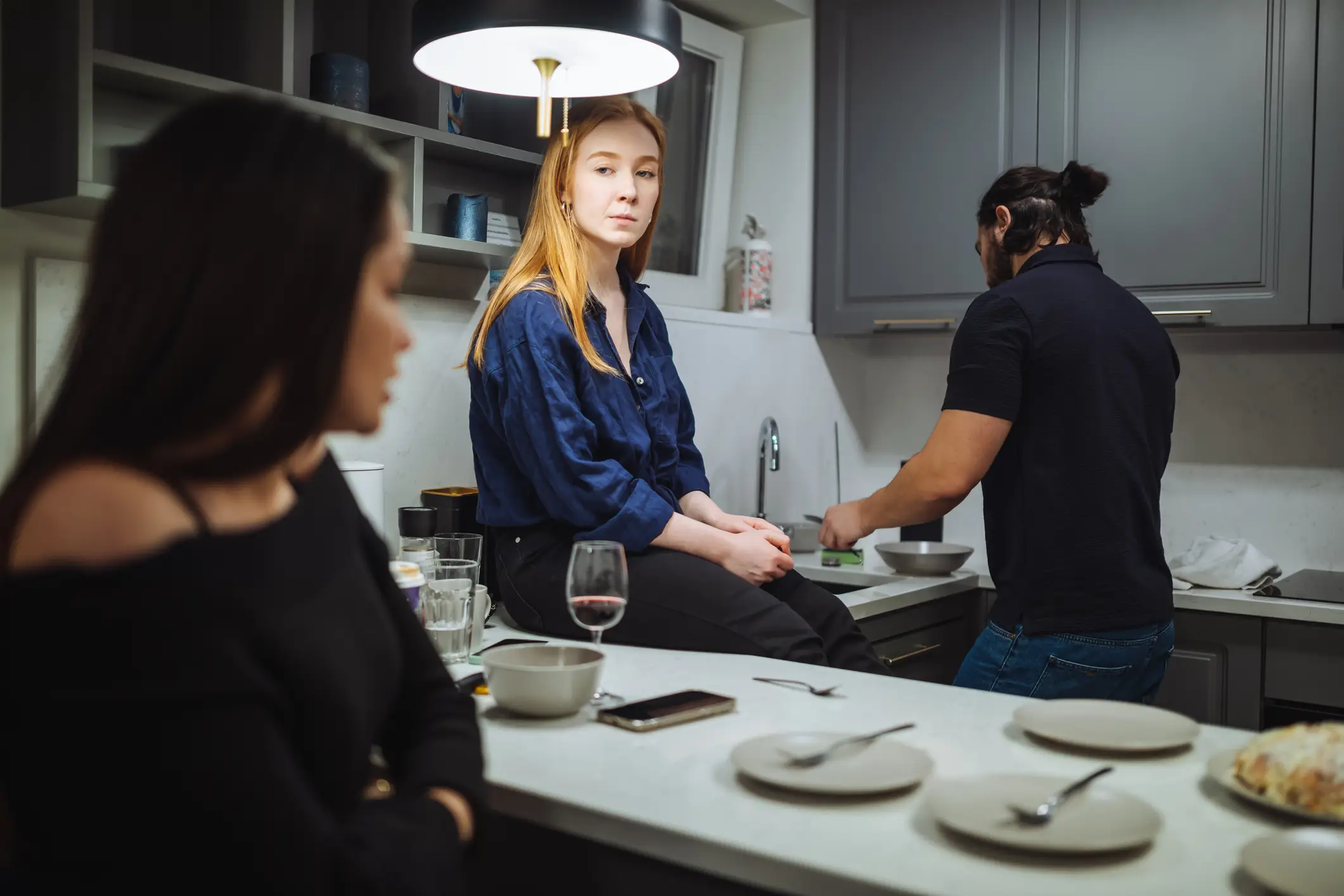
You like originality
"Otroverts are very friendly and able to forge very deep connections with other people," he told the Daily Mail.
"The only social difference happens in the lack of connection to groups: collective identity or shared traditions."
Instead of gravitating towards those who everyone else likes, an otrovert might prefer the person who is different from the rest.
You can look extroverted in public, but not be connected to your surroundings
Fitting in without being personally invested in the tasks or social setting around you might be a skill you thought everyone had.
But they don’t.
As an otrovert, you might call this the ‘fake it until you make it’ personality mask that comes naturally to others when in group settings.
You’re more fluid
Some people like their identity to be rigid and labelled, but not an otrovert.
Fluidity is the name of the game, and when things get too tight around you, you might want to bolt.

Low-maintenance is your jam
Are your friends people you call every five months and text maybe once a week and it feels totally normal?
Otrovert.
Being in relationships and friendships that require minimal maintenance might be what you prefer, because it’s what you can invest in.
You do your best when you’re separate from the group
Otroverts might just collaborate best with the freedom to take liberties and have creative control, without being forced to do it a ‘certain way’.
If you ask me, it’s a pretty cool way to be.
Topics: Community
 Britt Jones