Ambivert is little known personality type that most people fit into without realising

Ever felt like you don’t quite fit into being a social butterfly or a recluse? This might be for you.
For years most of us have been told that you’re either an extrovert – a person who feels most energised when spending time in large groups – or an introvert – which is someone who needs alone time to ‘recharge’ after socialising.
Coined by psychiatrist Carl Jung in the early 1900s, introversion and extroversion have long been considered to be a core part of our personality types and used in popular tests, such as the Myers-Briggs Type Indicator.
However, in recent years people have begun to point out potential flaws in the system, noting that it’s often possible to feel like both an extrovert and an introvert at different times or permanently exist somewhere in the middle.
Advert
Enter, the ambivert.

What is an ambivert, explained
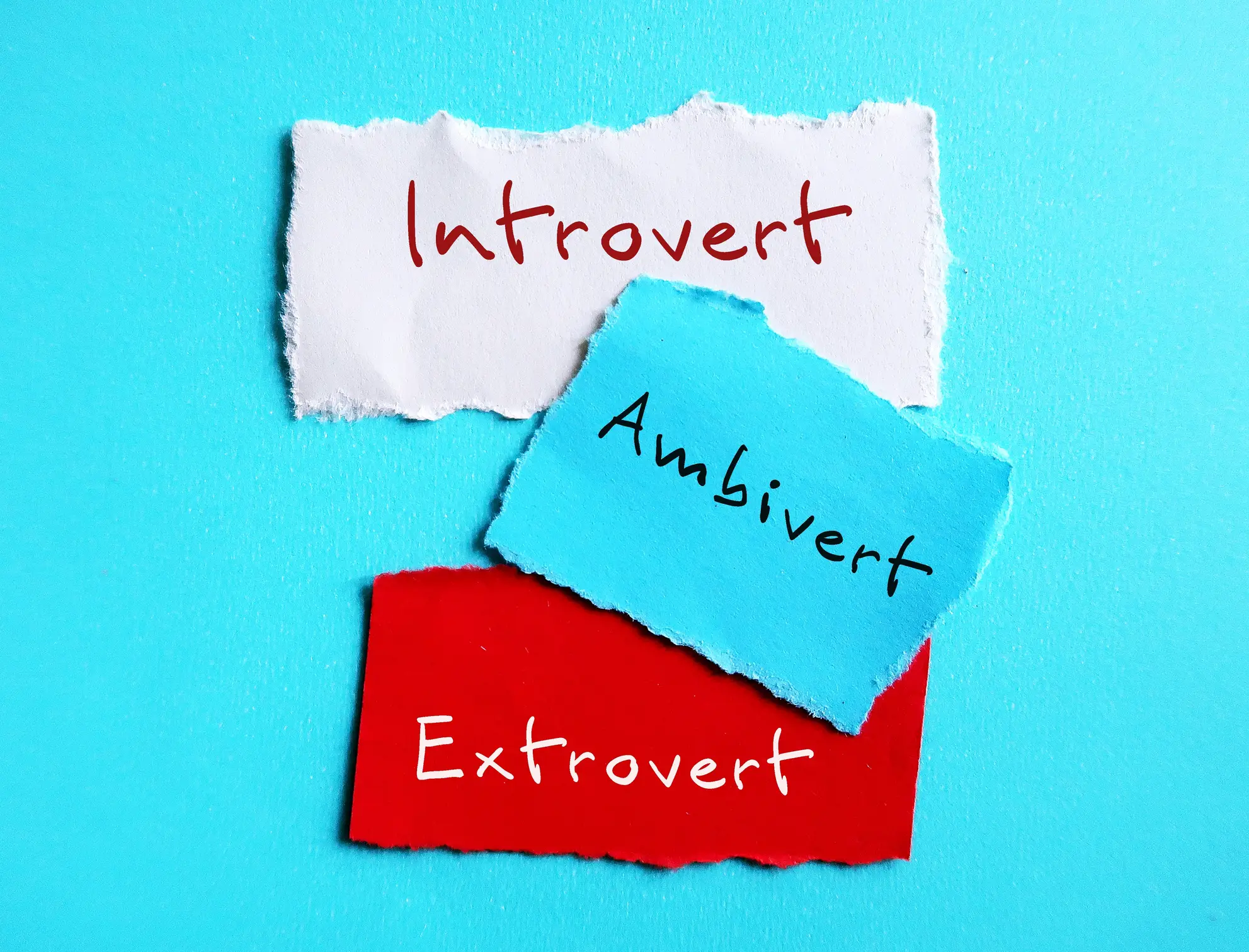
As you’ve likely already guessed, an ambivert is someone who sits in-between the two camps.
A person who is social and enjoys spending time with others but also needs to balance it with a night alone in-front of the TV. Sound familiar?
“An ambivert is someone who balances traits of both introversion and extroversion,” psychologist Darrielle Allen, PhD previously explained to Cleveland Clinic.
“They’re flexible, adapting their behaviour to the demands of the situation. They might thrive in a lively social setting but also enjoy quiet moments alone to recharge. Ambiverts are comfortable in both environments.”
According to Heathline, common traits of ambiverts include:
· Being a good listener and communicator
· You’re able to regulate your behaviour depending on who you’re around. For example, you can be loud and chatty with one group of friends but quiet and introspective with another
· You’re comfortable with spending time in groups and alone.
· You’re empathetic due to being able to see both sides of a situation.
Are most people ambiverts then?
After hearing the description of an ambivert, you’ll soon realise that pretty much everyone you know fits into this category rather than the initial introvert/extrovert binary.
Humans are inherently social creatures and thrive off in person connection but fill up a person’s week with seven different social commitments and they’ll quickly become overwhelmed.
So, does that mean introverts and extroverts are the minority and the rest of us fall in the middle? Yes, according to Scientific American, as it’s estimated that anywhere between 60 and 90 percent of the population would be classified as ambiverts.
“Ambiverts are often overlooked because more extreme personalities tend to grab more attention. They often fly under the radar,” Allen explained.
Ambiversion also exists on a spectrum, meaning that one person can be an outgoing or more extroverted ambivert while another person is a more introspective or shy ambivert.
So the next time someone asks you if you’re more of an extrovert or an introvert, you can tell them the answer is most likely neither.
 Brenna Cooper