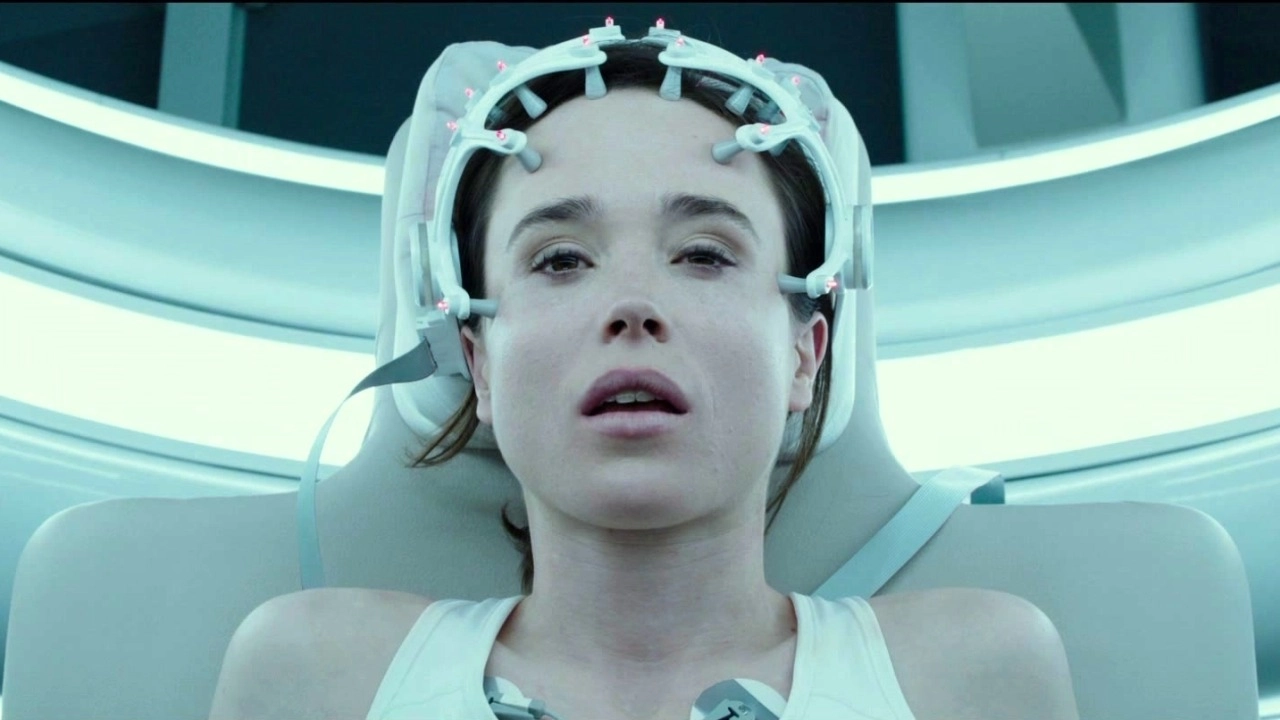
Expert’s theory could finally explain what happens when we die

Consciousness may not come from the brain but instead exists as a fundamental part of the universe, according to a radical new theory put forward by a scientist.
The question 'what happens when we die' is one which has plagued humanity for as long as we've been able to think. It's a thought which philosophers have spent decades pondering over, while scientists argue that your brain - and by extension all your thoughts, memories and emotions - simply cease to exist when your heart stops beating.
Add in the countless stories from people claiming to see guardian angels or lights at the end of a tunnel during near-death experiences, and you have a topic which people could spend hours freaking out over.
Unfortunately for everyone out there seeking answers about what happens when our organs shut down, there's still no definitive answer, but one physicist has suggested a groundbreaking theory that consciousness may not be tied to the brain after all.
Advert
According to Professor Maria Strømme from the University of Uppsala, consciousness should instead be looked at as a 'building block' of the universe.
Strømme outlined her arguments in a paper published in the journal AIP Advances, saying consciousness is not a 'byproduct of brain activity' confined to our individual heads but instead a key part of reality.
"The possibility that consciousness is fundamental has been under–explored. But that is changing rapidly," Professor Strømme told MailOnline.
"We are reaching a point where asking deeper questions about consciousness is not philosophy on the margins — it is becoming a scientific necessity."
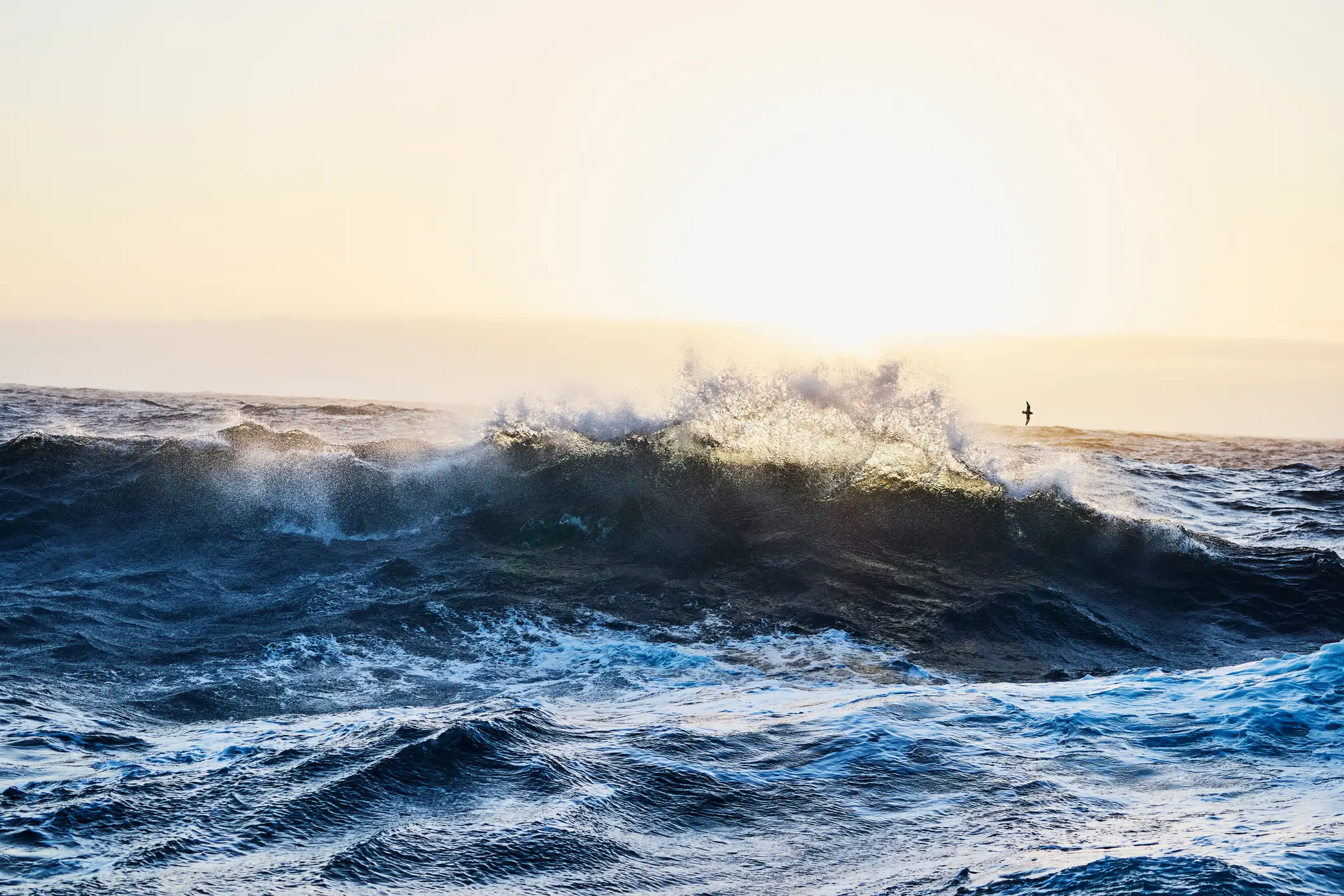
She goes on to compare consciousness to a wave forming, adding that when a person dies, their thoughts 'return' to the ocean.
It's a lot to get your head around, I know, but Professor Strømme believes this could completely change our understanding of life, death and near-death experiences (NDEs).
"If individual awareness is not generated only by the brain, but is an expression of a deeper field, as my model suggests, then moments when the brain is impaired could allow atypical access to that underlying field," she explained.
The theory isn't limited to NDEs either, as it could also be used to explain phenomena such as psychic abilities, which are currently considered to be pseudoscience.
"This would explain why telepathy–like phenomena appear across cultures and throughout history, even though the empirical evidence so far is controversial and not yet conclusive," she added.
Now I don't know about you, but I think I need to lie down.
 Brenna Cooper