Director of 'most disturbing movie ever’ banned for 24 years was brutally murdered weeks before release

A disturbing movie that censors said was 'one of the most disturbing ever' is being issued a rare re-release, but many will not know the dark story of how the director was brutally murdered in a vicious attack, with many believing his true killers were never caught.
Though many consider A Serbian Film or Human Centipede to be the most disturbing movies ever, both these films are considered to just be the sum of their shocking content, not a more critically acclaimed piece of work.
Meanwhile Salò, or the 120 Days of Sodom has been released as part of the Criterion collection, publicly backed by Martin Scorsese after it was banned in the US, and is now receiving a re-release from the British Film Institute (BFI) 51 years after the movie was banned in the UK.
Advert
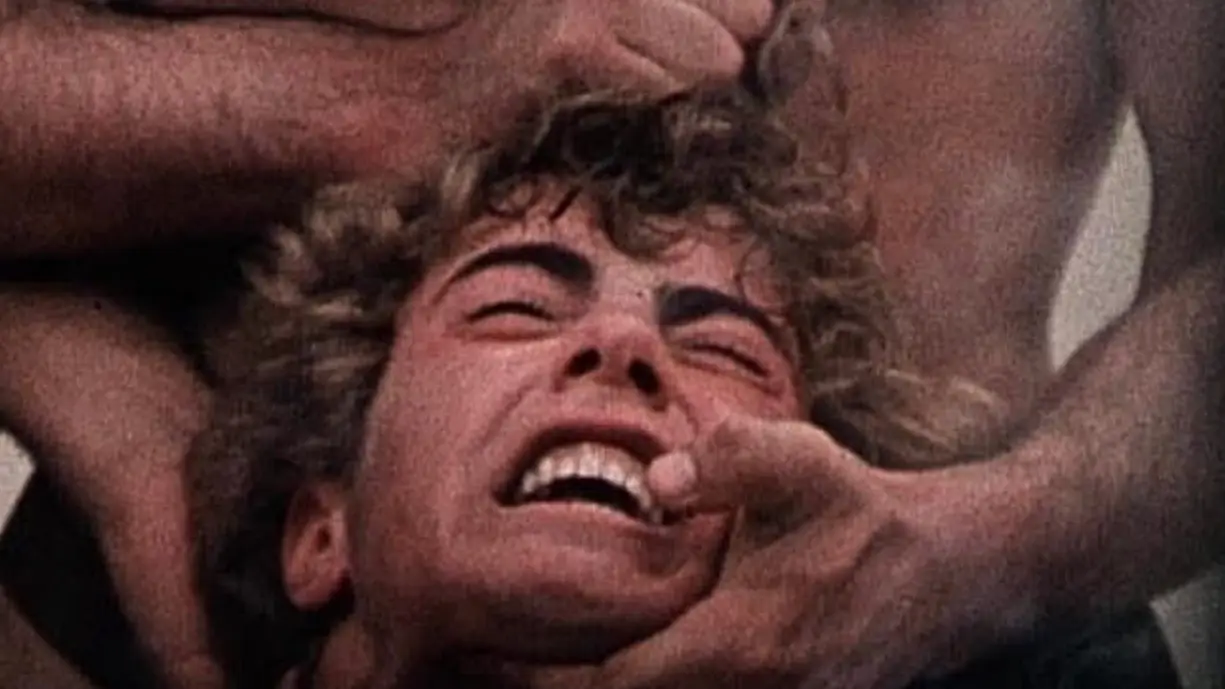
Salò follows a group of four wealthy Italian men who kidnap a group of young teenagers to put them through horrific sexual and physical torture for their own pleasure, and in 1976 on its release in the UK the British Board of Film Classification banned the movie.
This was reversed in 2000 after the BBFC changed the rules around their classifications, allowing it to be shown, but screenings and DVDs of the movie are still incredibly rare as a result of the graphic content.
The BFI are now releasing a 4K Ultra HD DVD of the film in October, and many will not realise that the film features an Easter egg tribute to its late director with a track titled ‘OSTIA (The Death of Pasolini)’ in the DVD extras.
Pasolini was murdered in the early hours of 2 November 1975, just 21 days before Salò premiered at the Paris Film Festival, in a brutal attack.
Warning: This article contains discussion of content that some readers may find distressing.
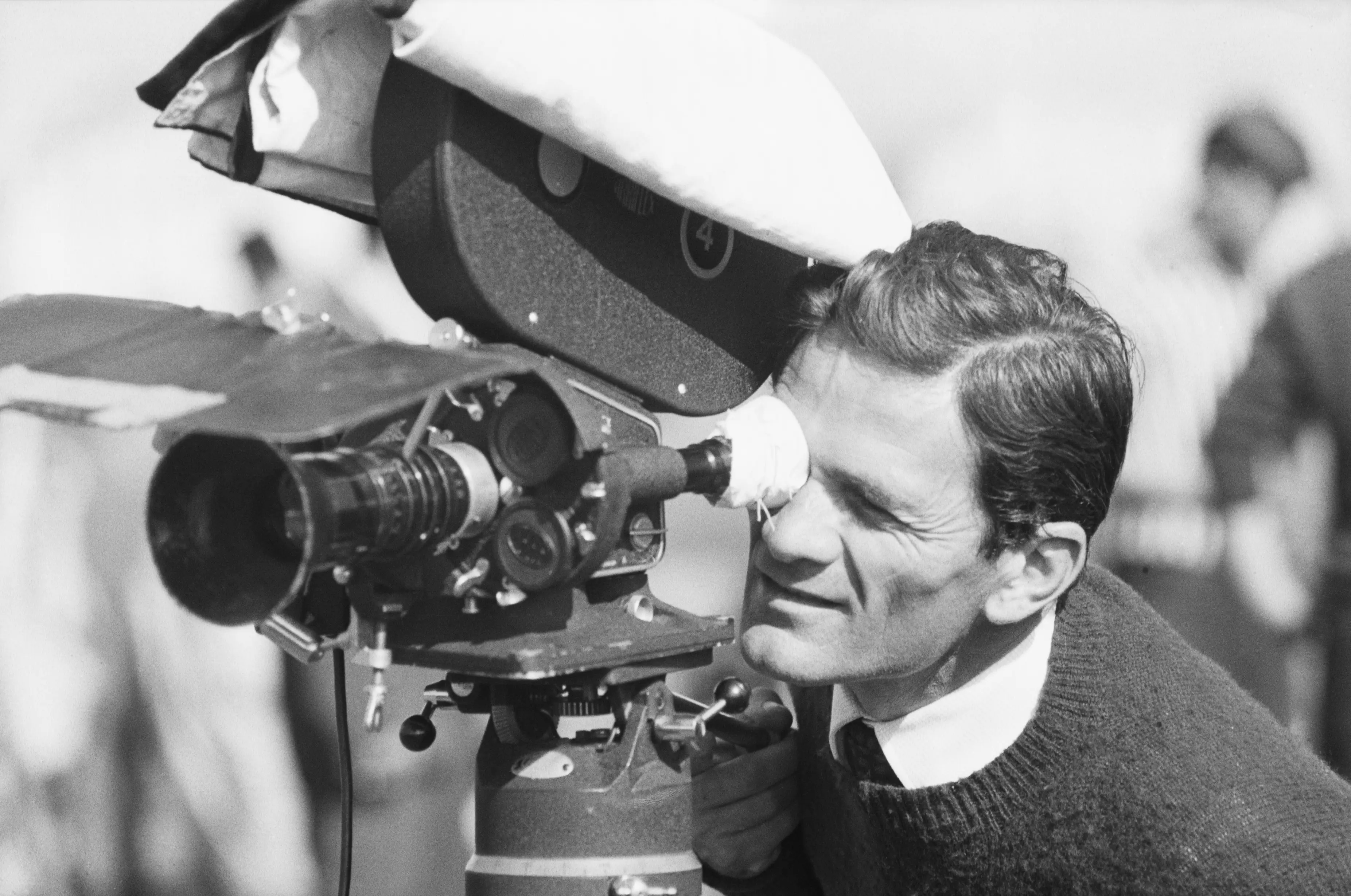
Pasolini’s murder was incredibly graphic and disturbing. The Italian film director was found nearly unrecognisable after having been beaten to death, run over by a car several times, set on fire, and had his testicles crushed by a metal bar.
Initially, a 17-year-old male sex worker called Giuseppe Pelosi claimed responsibility for the crime after he was found driving Pasolini’s car, claiming he and the director had scuffled after he refused to carry out graphic sex acts, ending in him killing Pasolini.
Pelosi later recanted his admission, however, claiming that he had been coerced into giving it by a gang of men who attacked Pasolini and called him a ‘communist’, threatening to hurt the sex worker’s family if he did not confess.
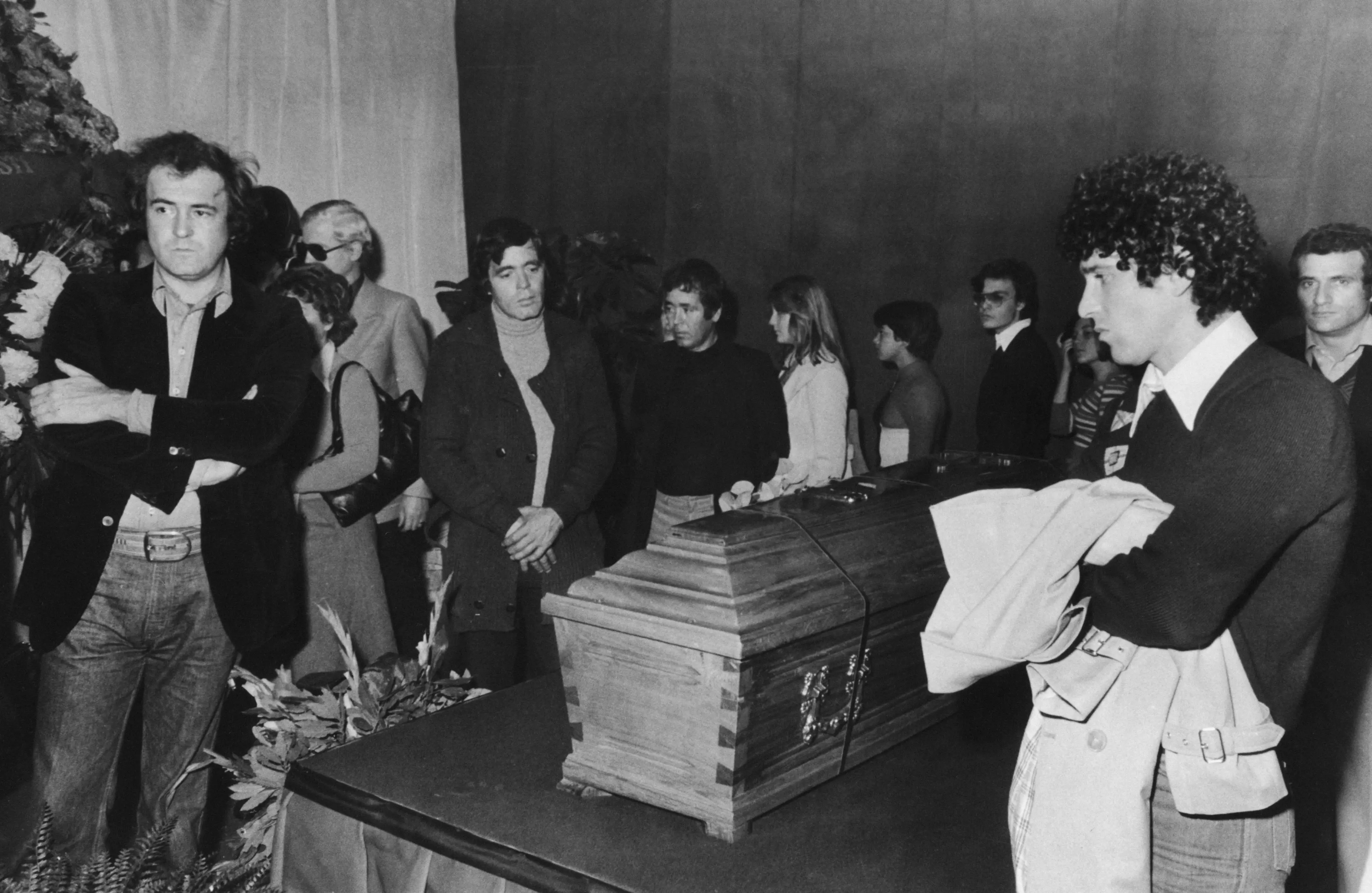
Even at the time of his death, Pasolini’s friends disputed the confession, suggested it may have been politically motivated due to his outspoken recent statements against corruption and mafia influence in the local government, whilst another friend suggested that reels of film from Salò had been stolen and he was attacked as retribution for refusing to pay the ransom.
In 2023, a new plea was made to reopen the murder file surrounding his death after a parliamentary anti-mafia commission released on December 16 suggested that the murder may have been gang-related in connection with the extortion attempts surrounding his stolen reels of film, purporting that ‘major criminal gangs’ may have been involved in his death.
Speaking at his funeral, attended by thousands, author Alberto Moravia spoke in an address, saying: “We have lost a man of deep goodness, mildness, gentleness."
Topics: True Crime, TV and Film, Film
 Michael Slavin