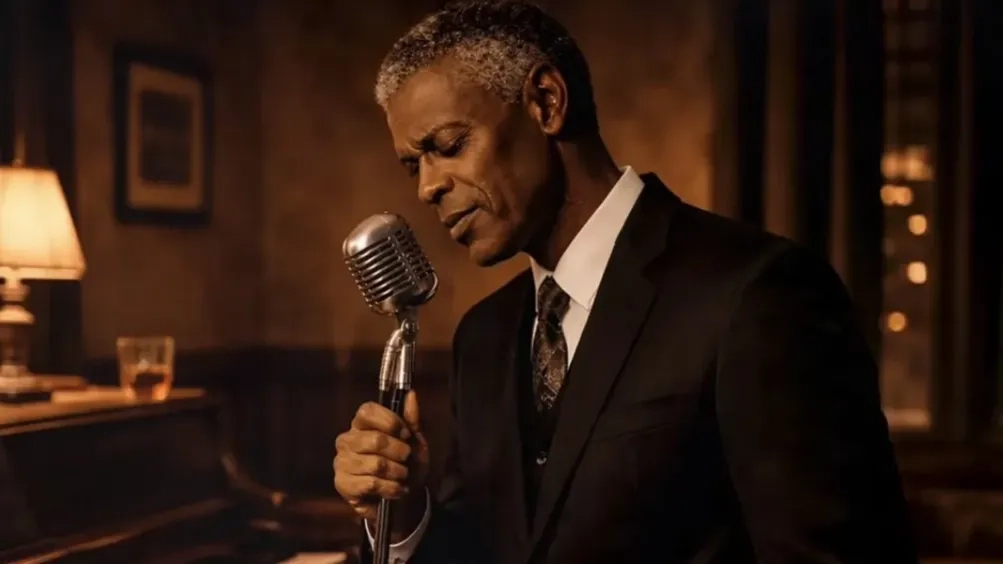
Blues singer who peaked at number two on the charts revealed to be AI

It's pretty much accepted that artificial intelligence is taking over the planet but it's even managing to infiltrate the arts.
Despite the backlash to the AI actor Tilly Norwood, she's still proving popular in some circles of the internet, and it seems as if we're getting some computer-generated music as well now.
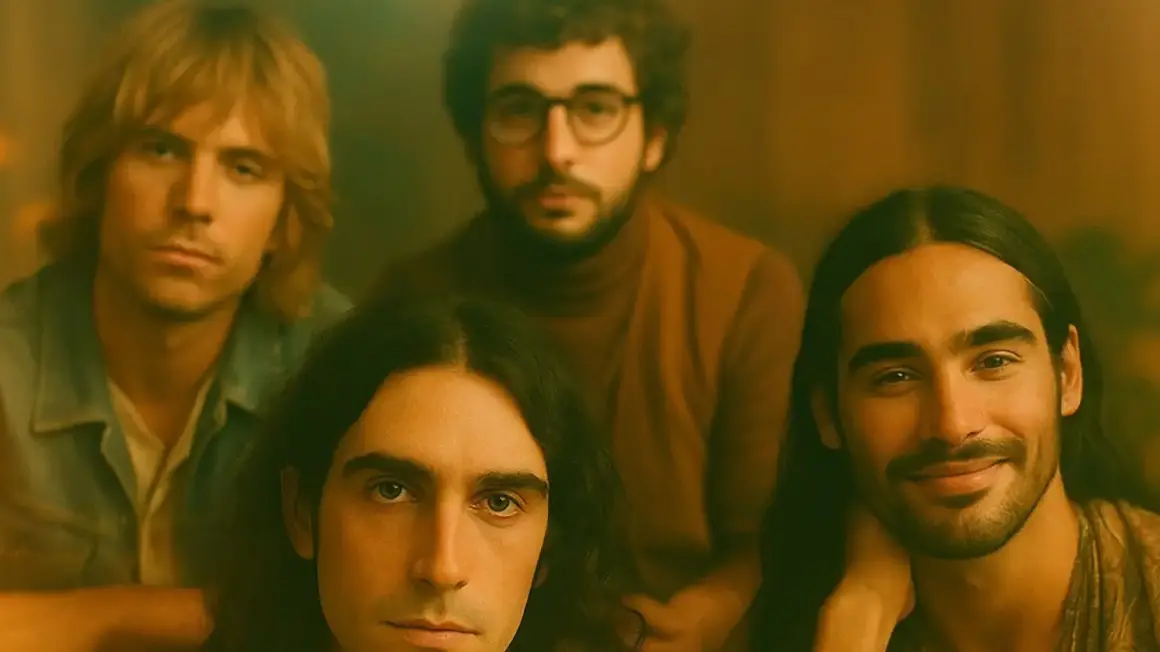
It was reported last year that a rock band who were topping the charts, known as The Velvet Sundown, were actually AI-generated, with some people somehow not figuring that out from the orange tint in all their images.
But then again, it is getting harder and harder to tell what's real and what's not, just ask the hundreds of thousands of people that follow the conjoined twin Instagram influencer who posts nothing but lewd photos.
Advert
Now, it appears as if Crusty Records, a label that is dedicated to releasing music that epitomises innovation and creativity through AI, has struck again with its creation of blues singer Eddie Dalton.
Despite blues singing requiring a lot of soul, it turns out that Dalton has no soul whatsoever, as it's become clear that he is AI-generated despite his song 'Another Day Old' peaking at No. 2 and No. 3 on the official UK singles chart.
And as much as it pains me to say, the song sounds frustratingly realistic and catchy, so it's easy to see why Dalton has over a million listeners on some of his songs on Spotify.
Crusty Records suggest that they 'specialise in building distinctive artist brands', and that their 'catalogue showcases the future of sound', but musicians everywhere will hate the fact that their hard work could be outshone by an AI creation.

Perhaps it might soon be time to add musicians to the long list of jobs which could be replaced by the super-intelligent technology, although it's hard to see many people paying their hard-earned money for an AI concert, as Dalton is unlikely to have any real stage presence.
It also seems likely that the millions of listener numbers on Dalton's songs may also be bots, since I imagine that like me, you had never heard of him before today, but those numbers provide easy money for the record label until streaming sites can clamp down on AI performers.
Spotify said on its website: "As streaming payouts have grown to billions of dollars per year, bad actors have started trying to manipulate streams for their own financial gain, or to scam artists by promising increased stream counts in exchange for money."
The Musicians' Union is also campaigning to defend real artists' copyright against being used by AI models without their consent, as many AI creations are actually based on something that already exists, due to their inability to have original thoughts.
Their website said: "Tech firms should not be able to use your music to train their artificial intelligence (AI) models without your consent.
"Big tech companies want to use songs, recordings and other creative works to train their AI models for commercial purposes without asking or paying the original creators or rights holders.
"The MU is fighting for consent, credit and fair compensation for all creators for the use of their work to train AI models."
Topics: Artificial Intelligence
 James Moorhouse