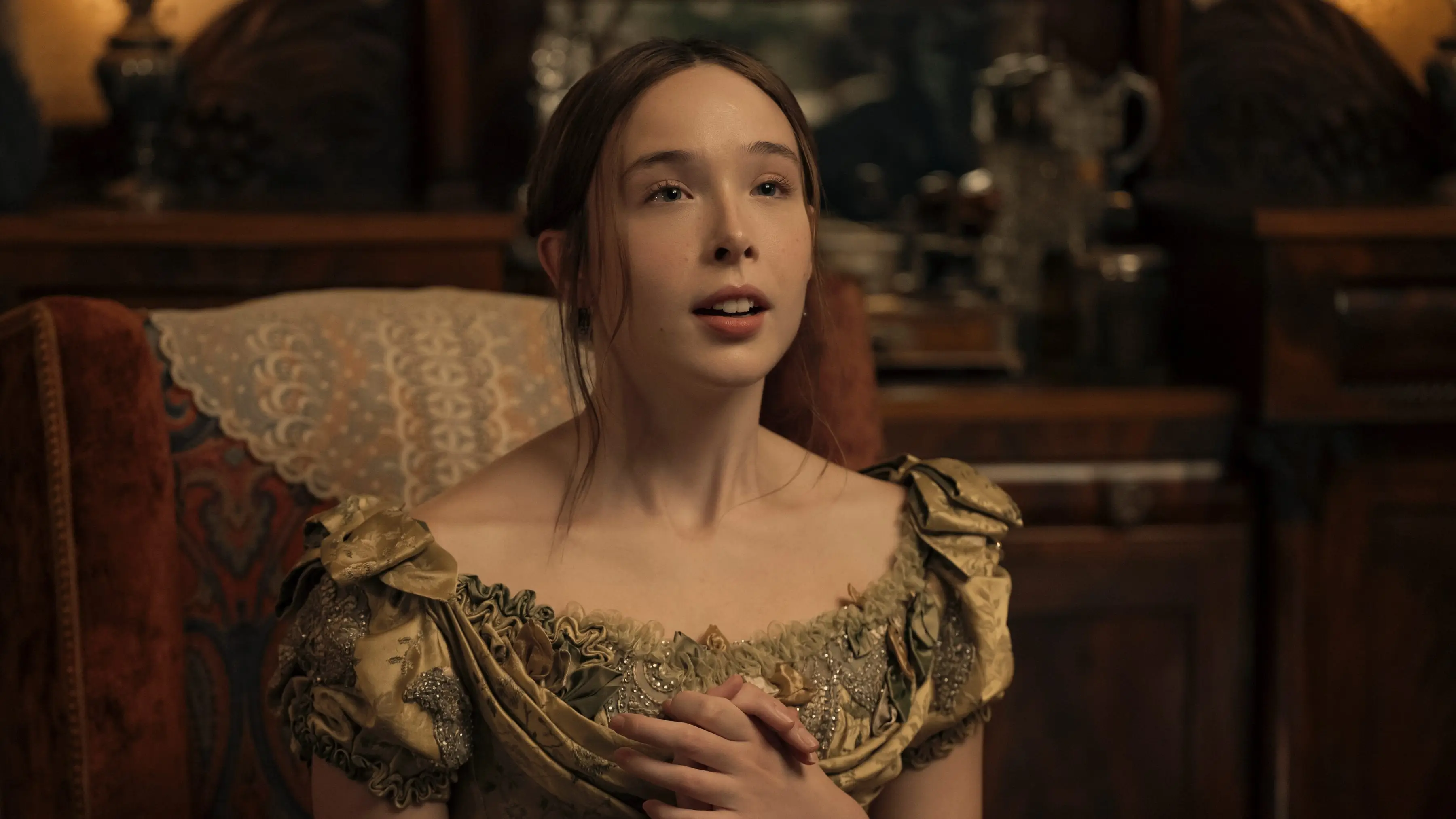
Netflix's Monster: The Lizzie Borden Story criticised for lesbian portrayal and 'sexualising' the infamous case

Viewers tuning into the latest series of Monster are being treated to a smorgasbord of dark drama, gore and chilling twists - with a side of romantic intrigue.
But the suggestion that there is a spark between Lizzie Borden and housemaid Bridget 'Maggie' Sullivan hasn't gone down well with a lot of people.
A host of Netflix subscribers have complained that this aspect of the storyline is historically inaccurate, while others don't understand why the show that is centred around the brutal axe murders in 1892 has been 'sexualised'.
Although some folks are a sucker for a love story, an array of viewers reckon this part of the plot in Monster: The Lizzie Borden Story was downright unnecessary.
Advert
Taking to X to share their thoughts, one person said: "Can somebody explain to me why they made Lizzie Borden a lesbian in the Netflix show? Because, as far as I know, that is not actually the case."
Another added: "Why have they sexualised her in the Netflix series?"
A third wrote: "Of course Netflix makes Lizzy Borden a lesbian…Smh."
While a fourth chimed in: "Lizzie Borden was innocent. Lizzie Borden was not a lesbian. Lizzie Borden did not kill anyone. She went on trial. She was found to be not guilty. I know everything about the story, facts, trial, etc, everything. "Don’t let Netflix weirdos lie to you about an innocent woman."
While delving into the murders of her father and stepmother, as well as the fallout that followed - which landed Lizzie in the dock - the eight episodes also explore the theory that she was a lesbian.
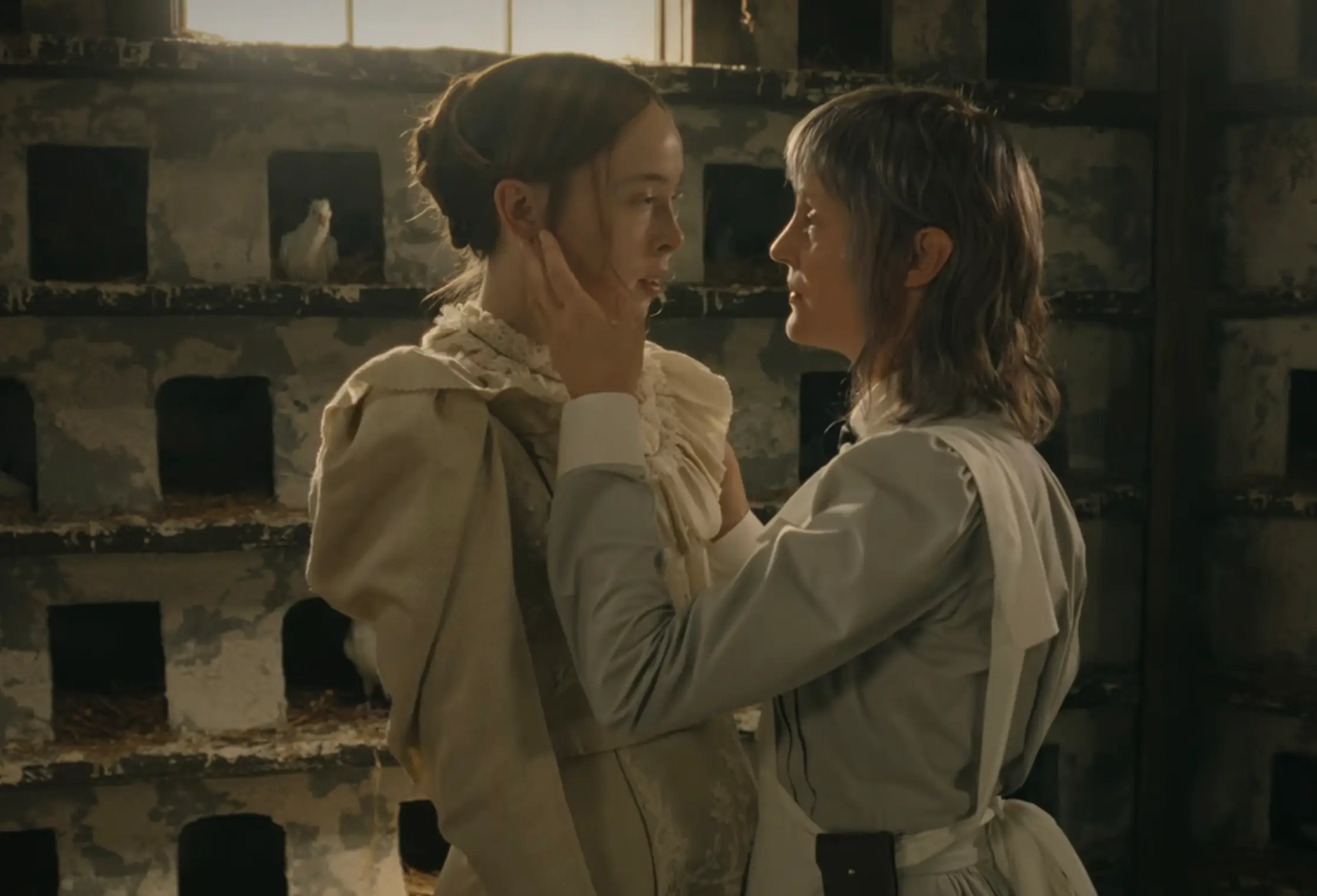
Ella Beatty, who stars as the woman accused of the killings before she was later acquitted, shares a host of tender moments with her co-star Vicky Krieps in Monster.
They smooch, share a bed, vow to be partners in crime and the maid even declares her love for Lizzie...however, there isn't any concrete evidence that this actually happened in real life.
It's a topic which has long been debated by historians, but it seems that the show's creators Ryan Murphy and Ian Brennan used a lot of artistic license when depicting the alleged romance on screen.
The cast themselves have admitted that there was 'not a lot of information' to go off when preparing for their roles, as like Billie Lourde put it, 'there wasn’t all this media that we have now in the 1800s'.
Discussing how she struggled to 'research' her character of Emma Borden, she told The Hollywood Reporter: "It’s not like today, when we have TikTok and documentaries and books.
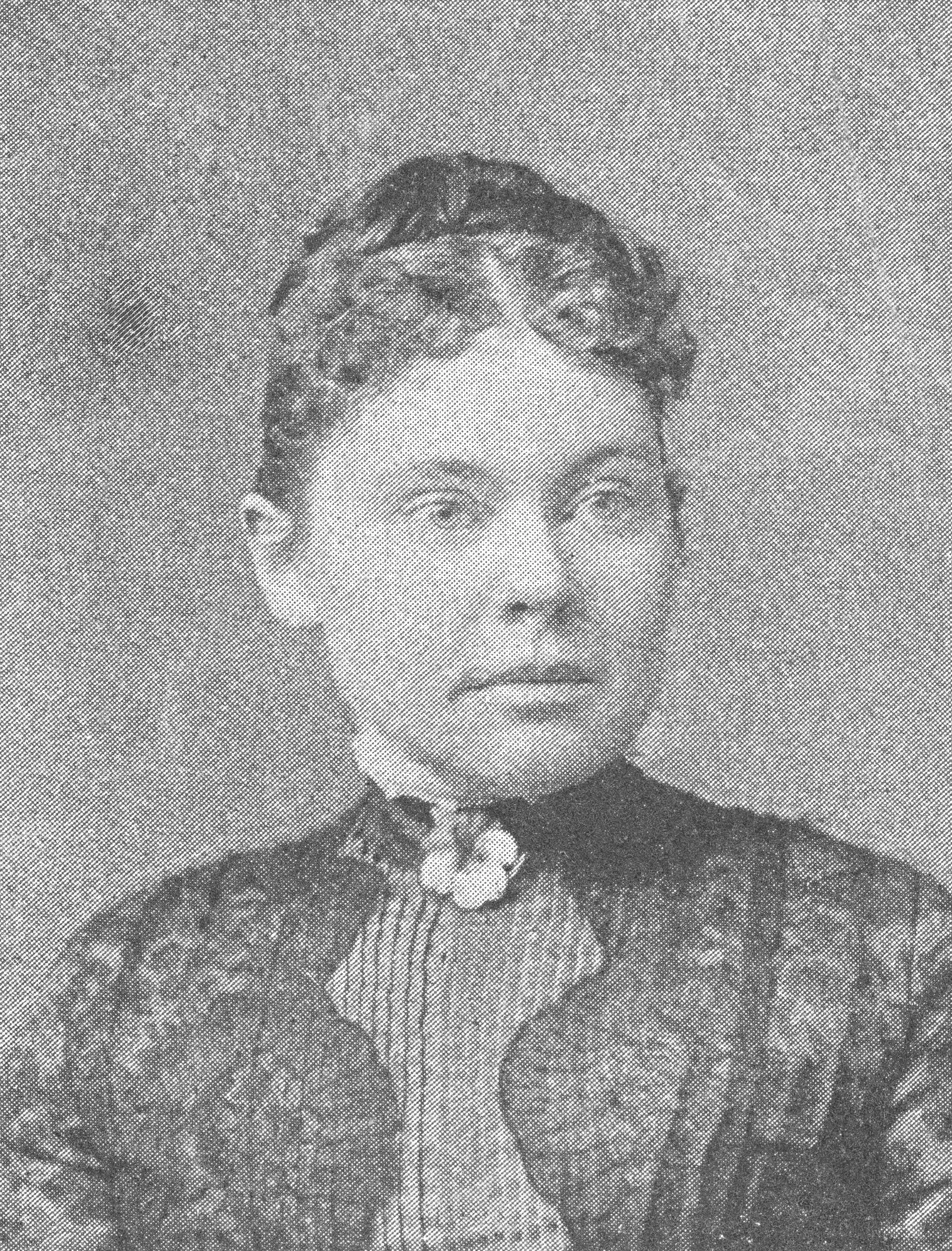
"So what was so fun about that is we got to create our own version. We’ve been talking about it being more like a painting than a documentary," Lourde went on.
"It’s an interesting way of doing this because most of the other seasons have been by the book, down-to-the-word true."
Explaining why this storyline featured in the series, Brennan said this theory was an 'interesting thing to play with dramatically', while sharing his personal thoughts on Lizzie's sexuality.
"Even if we didn’t think it was true, I’d still do it," the screenwriter said. "But I actually happen to think that was true."
Krieps, the actress who cosies up to Beatty in the Monster: The Lizzie Borden Story, also shared her assessment of this rumour.
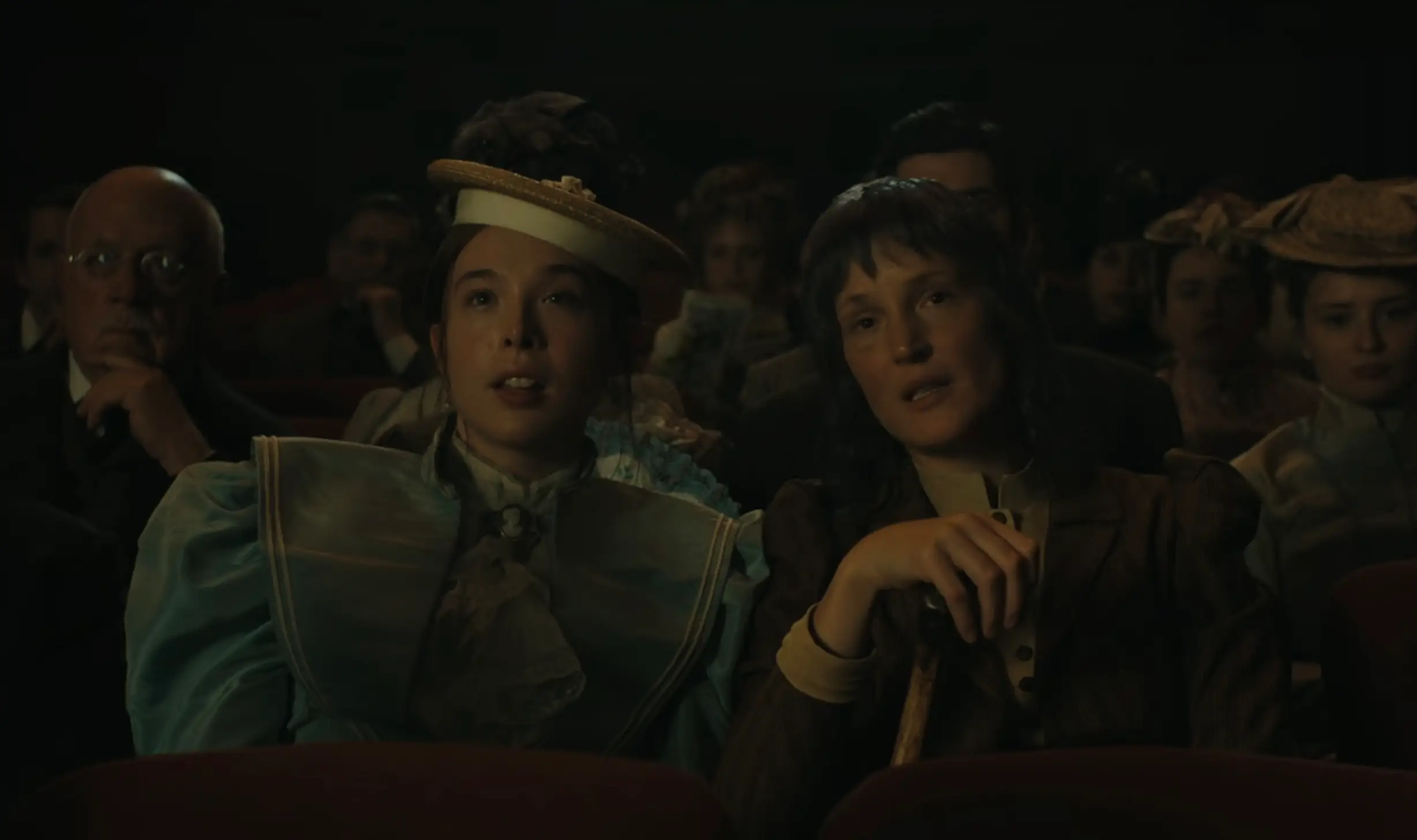
She told the publication: "The question of, 'Why would you do a story about different serial killers?' and, 'Why would you do it about a man or a woman?', is about exploring what is in between - the black and white, right and wrong, good and evil. The truth is usually in the middle, and I think the same goes with sexuality. We have a very simple way of seeing stories, and I think in this case, it is really breaking that pattern."
Director Max Winkler said the aim of the series was to tell Lizzie's story, as well as the one of 'the symbol of what she represents'.
It is unlikely that Lizzie would have openly discussed her sexuality due to the stigma surrounding it at the time, however, some people think the fact that she never married supports the argument.
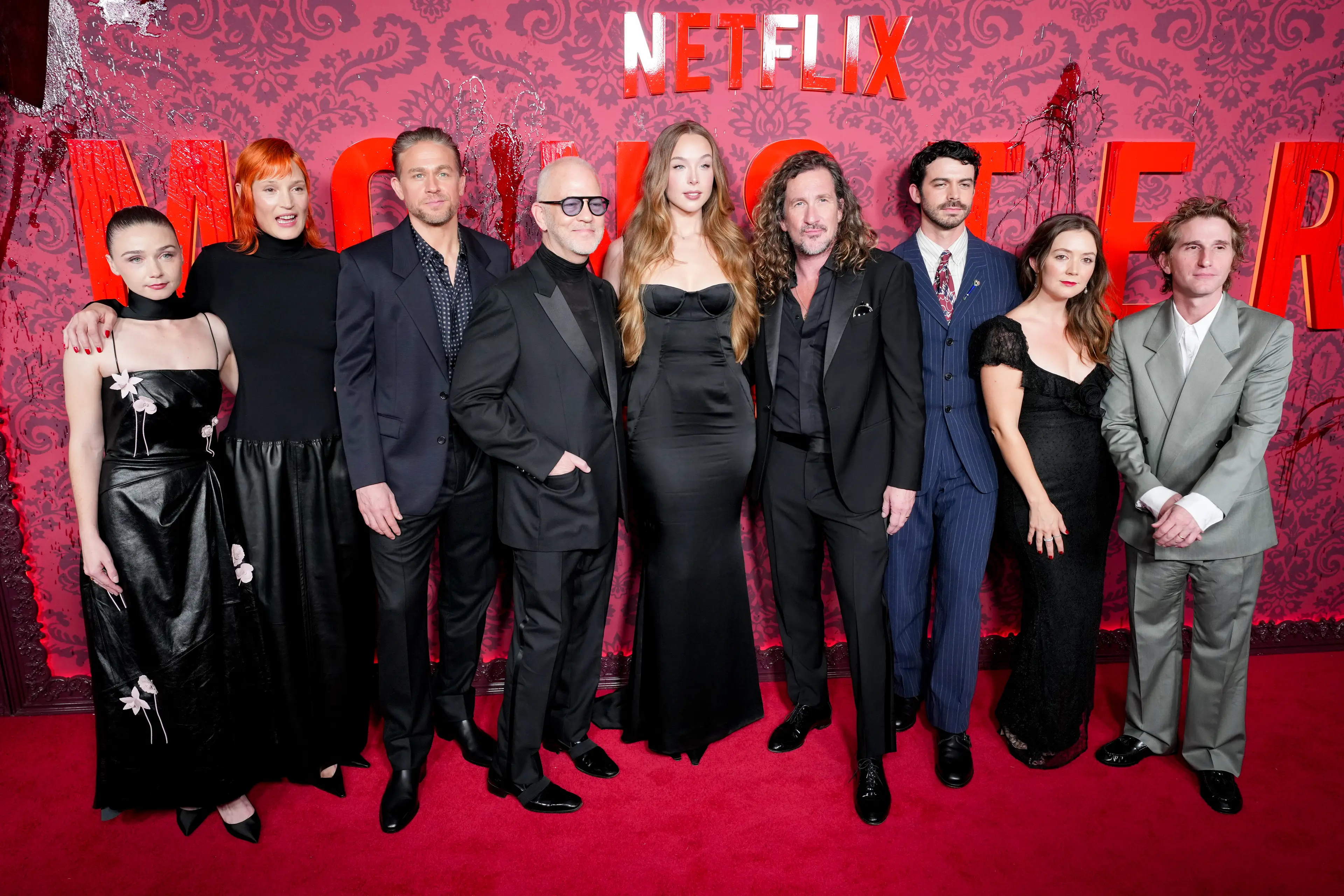
She also had a close relationship with actress Nance O'Neil, which reportedly set tongues wagging in the years before her death in 1927.
Dr Stefani Koorey has dug into the axe murder for decades - and she has insisted there 'is no evidence' that Bridget and Lizzie were an item.
"Bridget Sullivan was a heterosexual, she married later in life, but it’s an easy thing to do, it’s an easy thing to have this sort of sexual awakening that has to do with lesbianism," the expert told The US Sun.
"There’s no evidence that Lizzie was a lesbian, that Lizzie had any homosexual relationships, and certainly not this."
Topics: Netflix, History, LGBTQ, TV and Film
 Olivia Burke