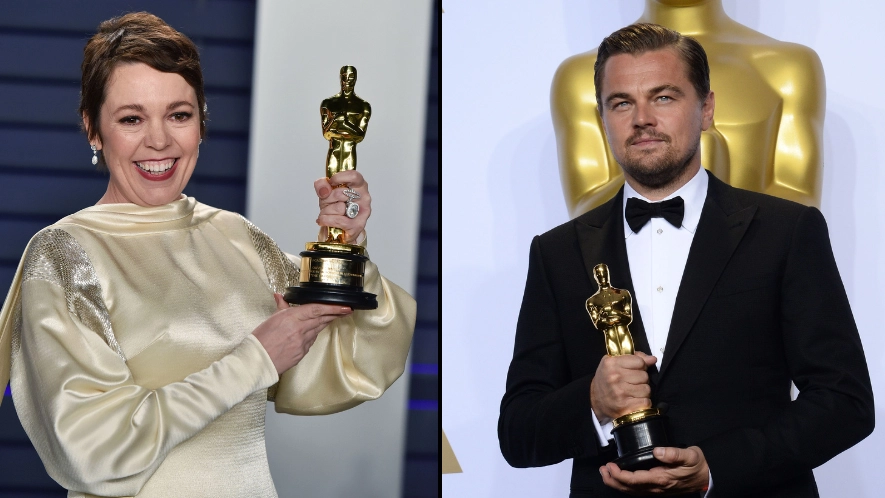
Oscar winners are unable to receive award if they don't sign specific agreement

Winning an Oscar is the highlight of any actor’s career - so few get to stand on the podium with the respect of their peers for a job well done, receiving the iconic statuette.
But, did you know that if that respect and adulation was ever to get boring, they can’t even sell off the statue for a profit if the proceeds from their film career ever dry up?
Advert
It’s because of a strange rule that was put in place by the Academy that means that the Oscars statues cannot be sold without first being offered back to the awarding body for a nominal price of $1, which - you’d have to imagine - they’d always accept.
What’s more, this also applies to anyone who inherits the Oscar, so even your children aren’t allowed to sell the statue after you are gone.
It’s a strange little rule, but why does it even exist?
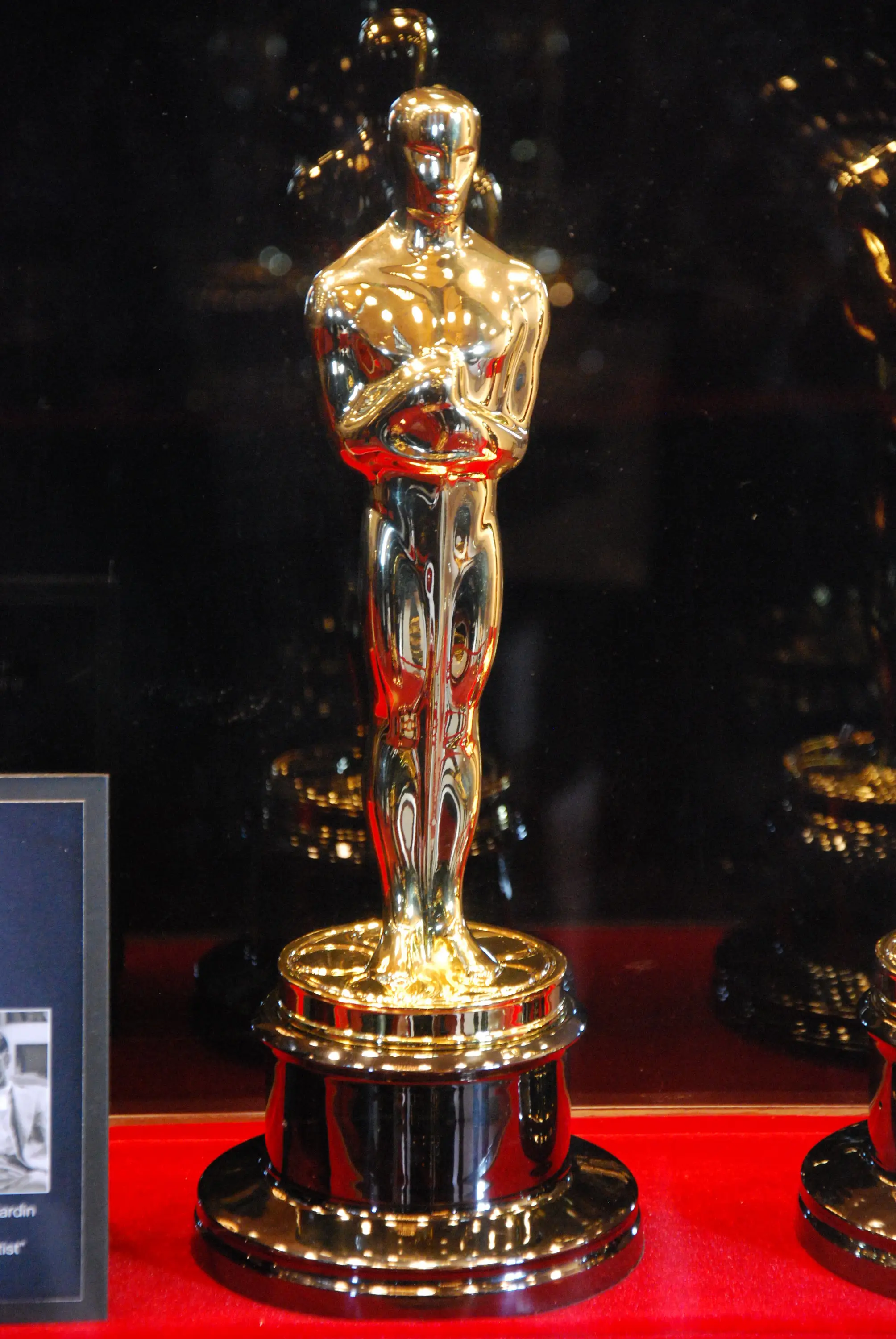
Well, it’s been the rule since 1951, even thought the nominal price was $10 (£8.30) back then.
According to a lawsuit that took place back in 2015, it’s basically to protect the Oscar statue as a rare and valuable asset that can only be attained through recognition from the Academy.
Think about it - can you imagine any billionaires, perhaps the owners of social media networks or online retailers, who might fancy buying an Oscar to sit on their mantlepiece without having achieved anything in film?
Even they can’t - or at least, shouldn’t - easily be able to get their hands on one of the iconic awards.

The case back in 2015 related to an Oscar statue that was won by Joseph Wright in 1943 for colour art direction on the film My Gal Sal.
His nephew wanted to sell the figure, but was found in contravention of that 1951 law.
Auctioneer Nate D Sanders had bought the Oscar for $79,200 (£65,800), but a judge ruled that the law still stood and remained binding to Oscar winners and - crucially in this instance - their heirs.
For the Academy, their then-CEO Dawn Hudson said that they ‘never intended the Oscar statuette to be treated as an article of trade’ because the award would be ‘diminished by distribution … through commercial efforts rather than in recognition of creative effort'.
After that case, it became unlikely that statues from post-1951 would be readily available on the legal retail market.
Despite the fact this Oscar was won in 1943, it was held binding because Wright remained a member of the Academy until the law came in.
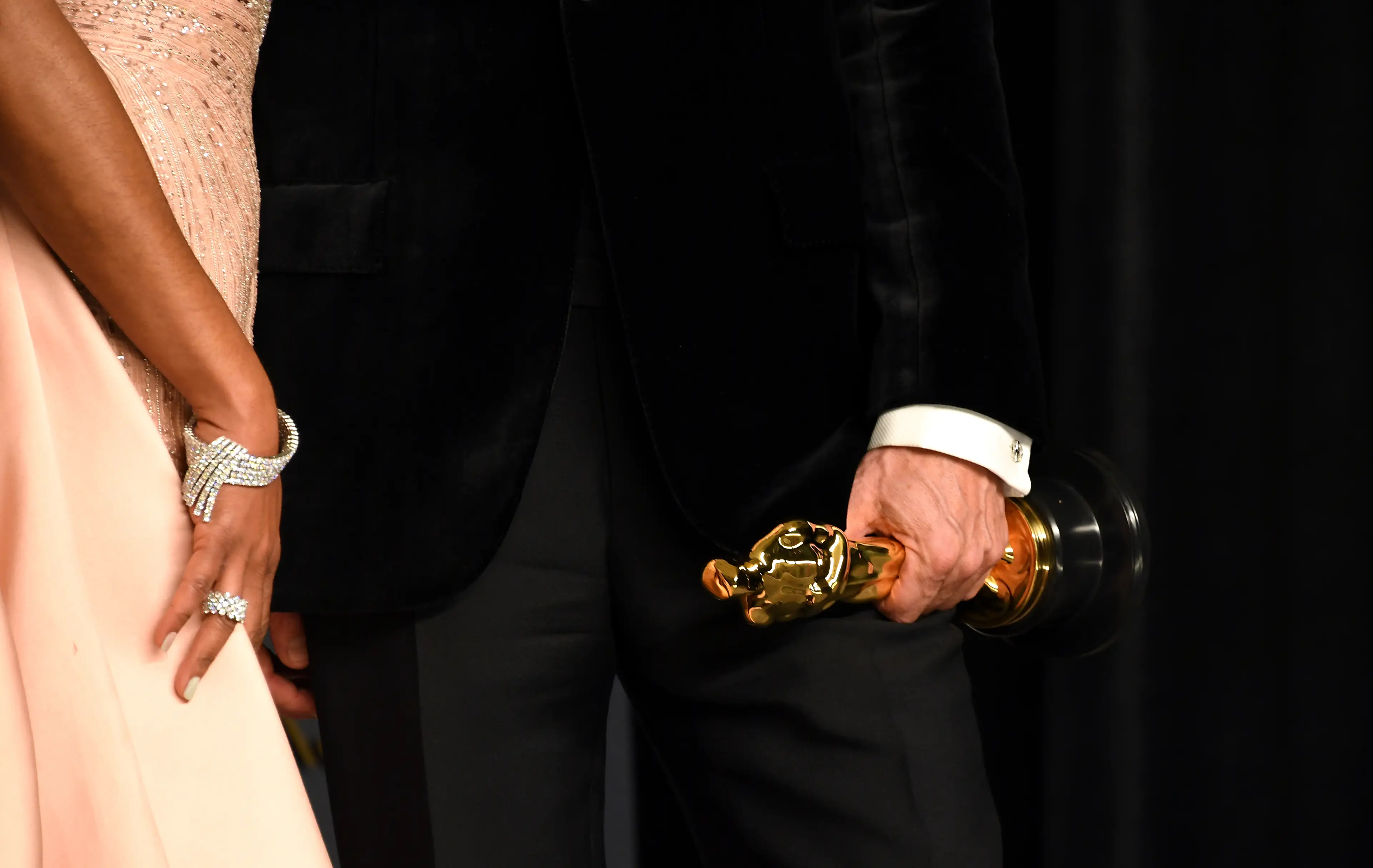
To this day, on the Academy Awards regulations page, it states: “Academy Award winners have no rights whatsoever in the Academy copyright or goodwill in the Oscar statuette or in its trademark and service mark registrations.
“Award winners must comply with these rules and regulations.
“Award winners shall not sell or otherwise dispose of the Oscar statuette, nor permit it to be sold or disposed of by operation of law, without first offering to sell it to the Academy for the sum of $1.00.
“This provision shall apply also to the heirs and assigns of Academy Award winners who may acquire a statuette by gift or bequest.”
There you have it - if you win an Oscar, it’s yours forever, whether you continue to want it or not.
The only way to get rid of it is to sell it back.
LADbible has contacted the Academy for comment.
Topics: Oscars, Academy Awards, TV and Film, Weird, Money
 Tom Wood