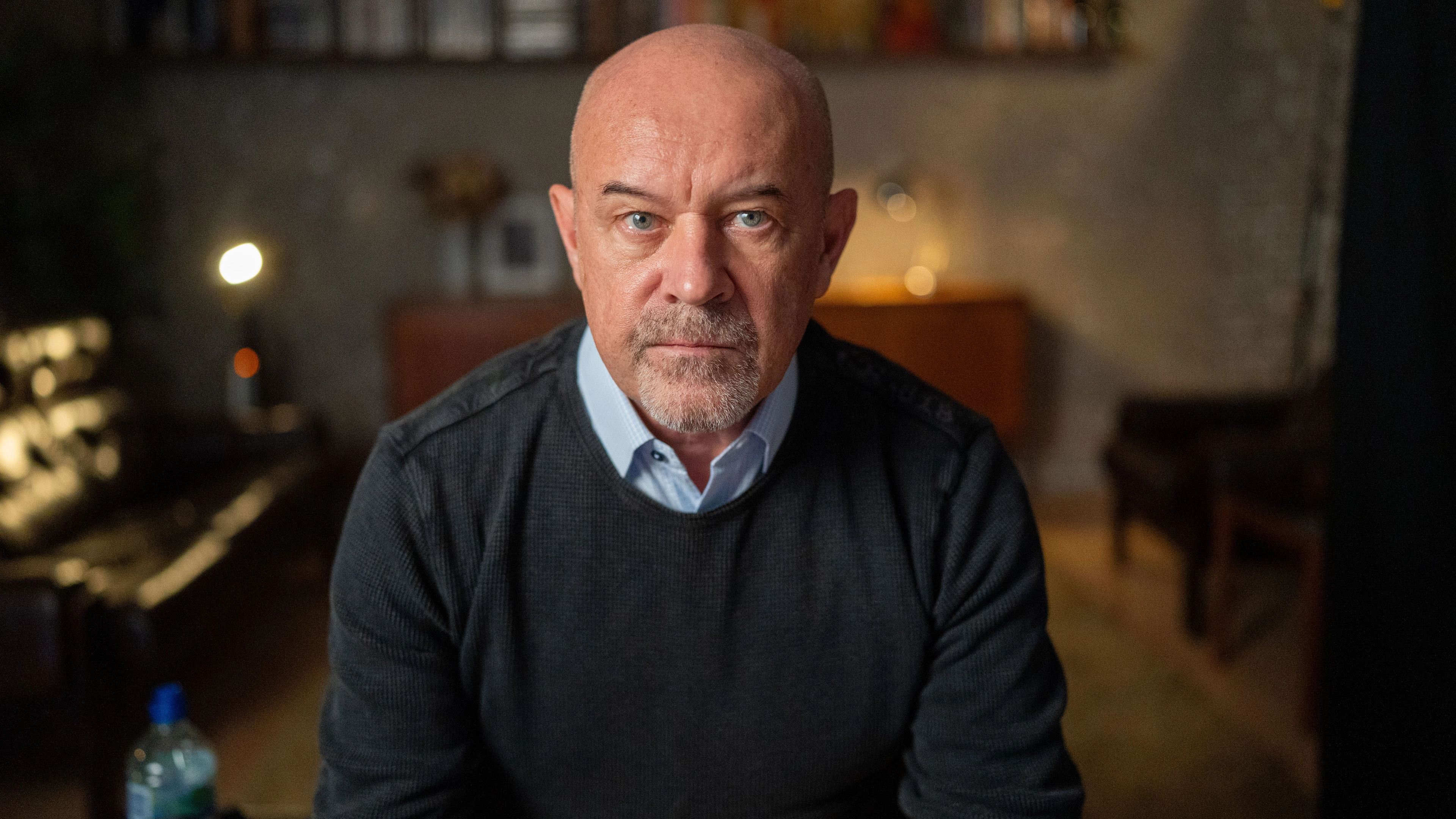
Chernobyl first-responder reveals lifelong health damage 40 years after working in deadly radiation zone

In April 1986, Sergei Belyakov was fishing along the Dnieper River when he noticed that the water level had dropped significantly, a sign of an industrial accident further upstream.
Just days before, he'd seen the state news broadcaster briefly mention an incident at Chernobyl, a nuclear power plant in the north of the country.
"They were casually saying there was an accident at the nuclear power plant, and there were a few casualties, but it had all been taken care of," Sergei recalled.
Advert
The assistant professor initially believed there had been some form of industrial accident at the plant, but what would unfold would go on to be one of the worst nuclear disasters in history.
Chernobyl disaster: 40 years on
In the early hours of the morning on 26 April 1986, technicians at Chernobyl Nuclear Power Plant in Pripyat, Ukraine, were performing a routine test on the reactor when a fatal design flaw caused it to explode, releasing more than 100 radioactive elements into the atmosphere.
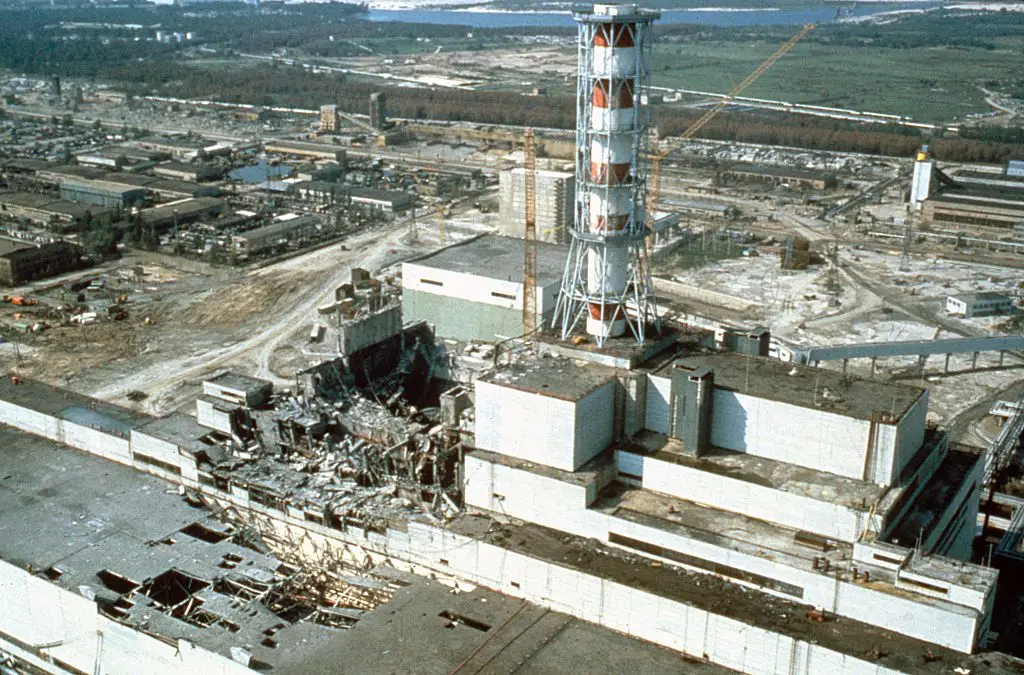
The consequences of the explosion would be catastrophic, with harmful radiation spreading as far north as Sweden and even reaching the US East Coast.
Four decades on from the disaster, National Geographic has released a four-part documentary series, titled Chernobyl: Inside the Meltdown, featuring first-hand accounts from those who witnessed the disaster and its aftermath.
After initially attempting to cover up the worst of the disaster, government officials leaned on national pride and propaganda to entice volunteers to help in the cleanup.
Around 600,000 people, referred to as liquidators, were drafted in from across Ukraine and the wider Soviet Union to assist with the clean-up, each receiving a radiation dose of 2000 roentgen an hour, equivalent to four times the lethal dose, in exchange for their work.
Sergei, then an assistant professor from the Ukrainian State Chemical Technology University in Dnipro, was one of such volunteers. Believing his background in military chemistry would be beneficial to the clean-up, Sergei travelled to the exclusion zone and worked for several weeks between July and September. With the job title of 'biorobot liquidator', Sergei's work involved turning over top-level soil, spraying down buildings and shovelling graphite from the roof of reactor No. 4.
His work on the roof brought him just footsteps away from the open reactor, an area where experts say just 30 to 45 seconds of exposure would be lethal. With only a respirator and two sheets of lead for protection, Sergei made six trips up onto the roof – and the health consequences of his work still linger today.
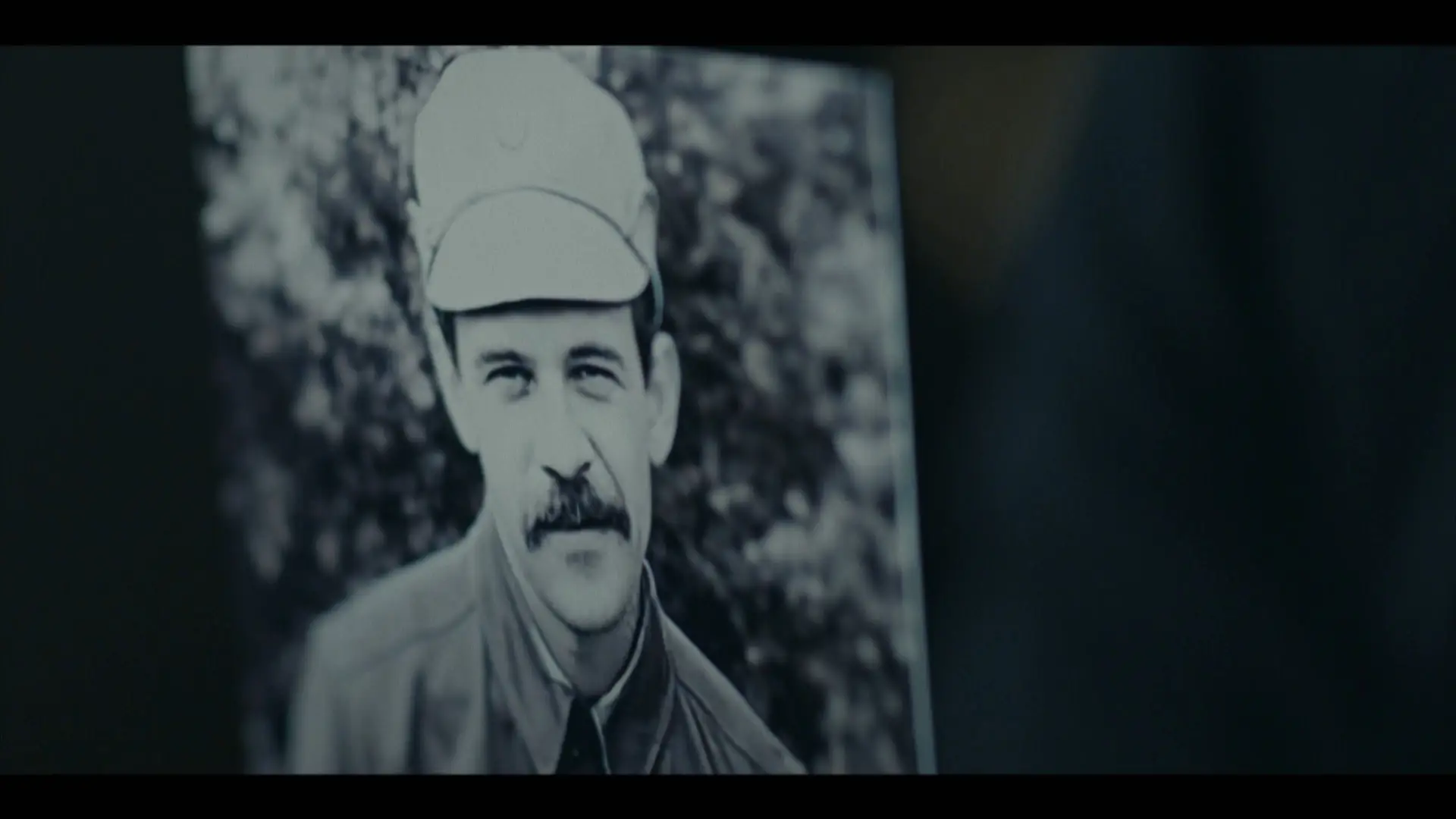
"I still have some [problems], yes," Sergei explained in an interview with LADbible. "Strangely enough, now, after all these years, and it's… this is one of the things people don't realise, that how radiation hits you."
The impact of radiation exposure on his health was near instant. Aged 30 at the time, he began to experience immediate headaches, nasal congestion and difficulty looking into the sunlight.
After his 42 days in the exclusion zone ended, Sergei returned home with 1,000 Rubles, roughly £2,500 in today's money and the equivalent of 'five times' his monthly salary at the time.
However, the health issues would continue. A 'high-level' basketball player before the explosion, Sergei also suffered with 'severe fatigue', with it taking around 'a year and a half' for the university professor to get back onto the court.
"[My] immune system suffered, I had problems with [my] kidneys," he said.
"[I] had problems with my liver, my blood work was laughable at the time when I came back. I mean, white blood cells were miserable."
Chernobyl and the cost of 'dark tourism'
Now 70-years-old, Sergei lives and works in Singapore.
He hasn't returned to Chernobyl or nearby Pripiyat in the years following 1986, although it's something which he has considered.
"I personally wanted to go there just to see a 30-kilometre zone," he explained. "Just how nature took over, how it healed itself, you know, how it basically regained the health overall."
Although the thought of returning has crossed the chemist's mind over the years, it's also a complicated topic for Sergei, especially when it comes to 'dark tourism' trips.
Before the 2022 invasion of Ukraine, international visitors flocked to the exclusion zone in their thousands through licensed tours.
However, not all tourists followed the strict rules while in the exclusion zone, with some tourists bending the rules to explore abandoned buildings, while others helped themselves to contaminated souvenirs – and this is something which has left Sergei feeling 'very angry'.
"That drives me crazy," he said. "There are a lot of people from the West who do these so-called Chernobyl trips [and] that drives me very, very angry, because I think it's just exploitation of the specific, huge accident in the history of mankind."
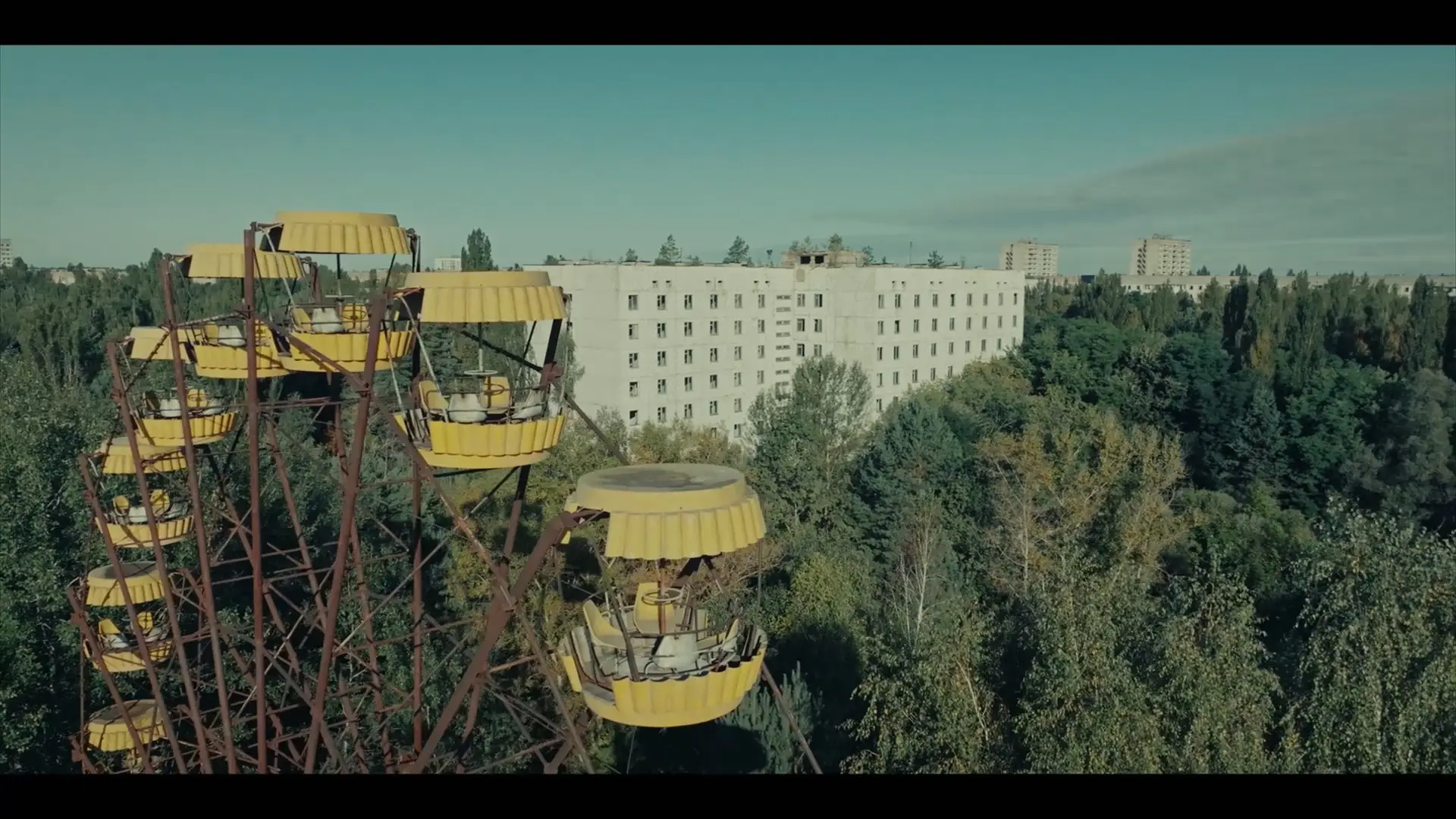
"There are people who go into Kindergarten there, you know, for instance, and do all these pictures," he added. "I despise it."
Sergei's anger at the ethical grey area of Chernobyl tourism is certainly understandable. While technically safe to visit for a short period of time, the abandoned town and those who sacrificed their health during the clean-up serves as a reminder of the tragedy which occurred on 26 April, 1986.
Although the official death toll recognised by the USSR stands at 36, it's estimated that as many of tens, if not hundreds, of thousands died from the consequences of nuclear fallout. The true number of people who died or suffered life-changing illnesses due to the fallout is unlikely to ever be known.
"It is a very sad story overall," Sergei added.
Chernobyl: Inside the Meltdown airs on Sunday (19 April) and Monday (20 April) at 9pm exclusively on National Geographic.
Topics: History, Entertainment, TV
 Brenna Cooper