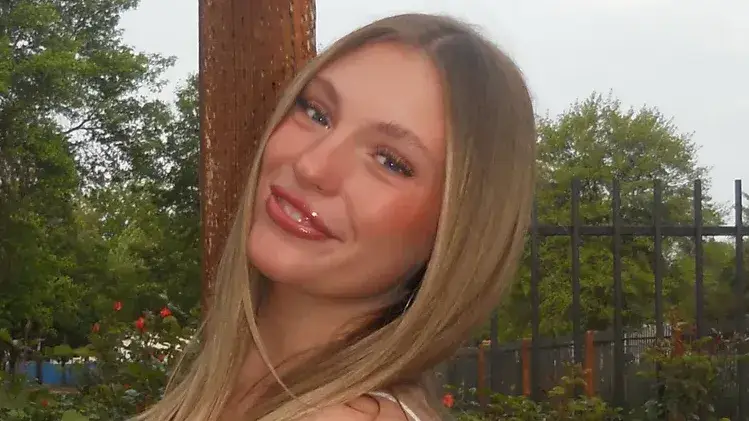
Why Dylan Mortensen didn’t call police for eight hours after Bryan Kohberger murders

When Bryan Kohberger stabbed four students to death in a horrific attack, the murderer left two of the victim’s housemates alive, Dylan Mortensen and Bethany Funke.
This disturbing case is now the focus of Netflix’s latest true crime documentary The Idaho Student Murders: College Nightmare.
Mortensen overheard Kohberger amidst his horrific crimes, even opening her door and seeing him in a mask and black clothing before he left. He stabbed Ethan Chapin, Kaylee Goncalves, Xana Kernodle, and Maddie Mogen to death after breaking into their home, earning four consecutive life sentences.
One question that arose from the case however centred around Mortensen and Funke not calling anyone for eight hours after the attack took place. They eventually called their friend, who came with her boyfriend to the house. He saw two of the bodies and called police.
Advert
Though neither Mortensen nor Funke are to blame for not the calling police of course, but many have asked questions due to the insight it gives into how victims can become totally frozen in fear at Kohberger breaking into their home.
LADbible spoke exclusively to Dr Keri Nixon, Consultant Forensic Psychologist, who explained what would’ve been going through their minds and bodies when they didn’t call police.
Dr Keri Nixon, a forensic psychologist, said that Dylan went through Fight or Flight or Freeze
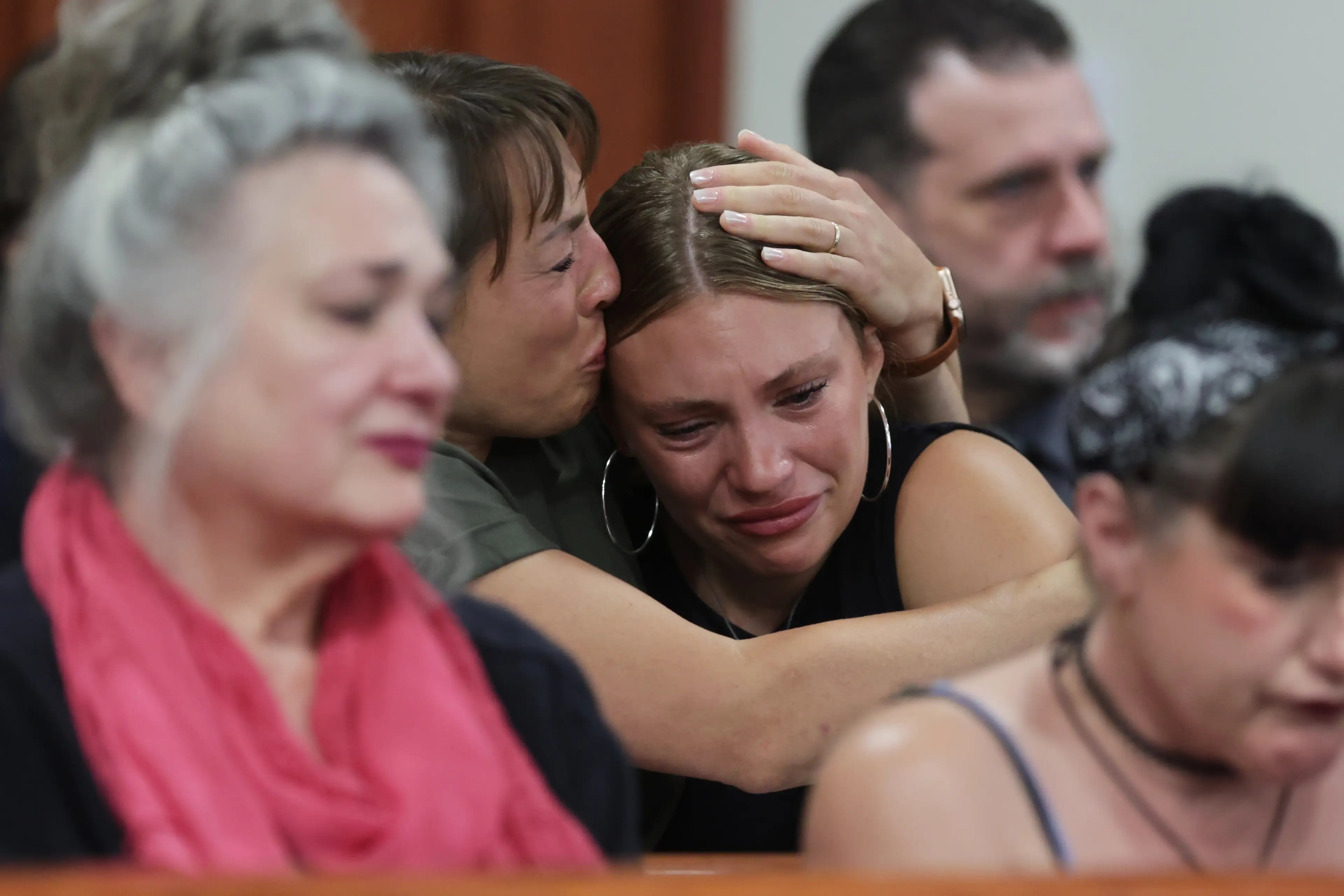
When discussing automatic survival instincts everyone always says fight or flight, but ‘freeze’ and ‘fawn’ are lesser discussed but genuine psychological instincts.
She said: “I think it's, from my perspective, I think it's understandable that they didn't, you know, they were absolutely terrified. You can see that from the text exchange.”
Dr Nixon also urged viewers to imagine how terrified they would be in Dylan’s shoes, having opened her door at 4am to a strange man in her house and having heard yelling elsewhere in the home.
She added: “Can you imagine the fear if you open your bedroom door and you see a man walk past who's masked that you then know is not somebody that you live with?
“What happened here is she absolutely went into the freeze response.”
Dr Nixon explained that your freeze response is where the ‘frontal lobe part of your brain shuts down and hands power to the brainstem part which is your animal instinct, which is to keep you alive’.
The expert added that they actually believe in the specific situation the ‘majority of people would probably have acted the same’.
More context was given in court documents, and Kaylee’s family said an earlier call would not have made a difference
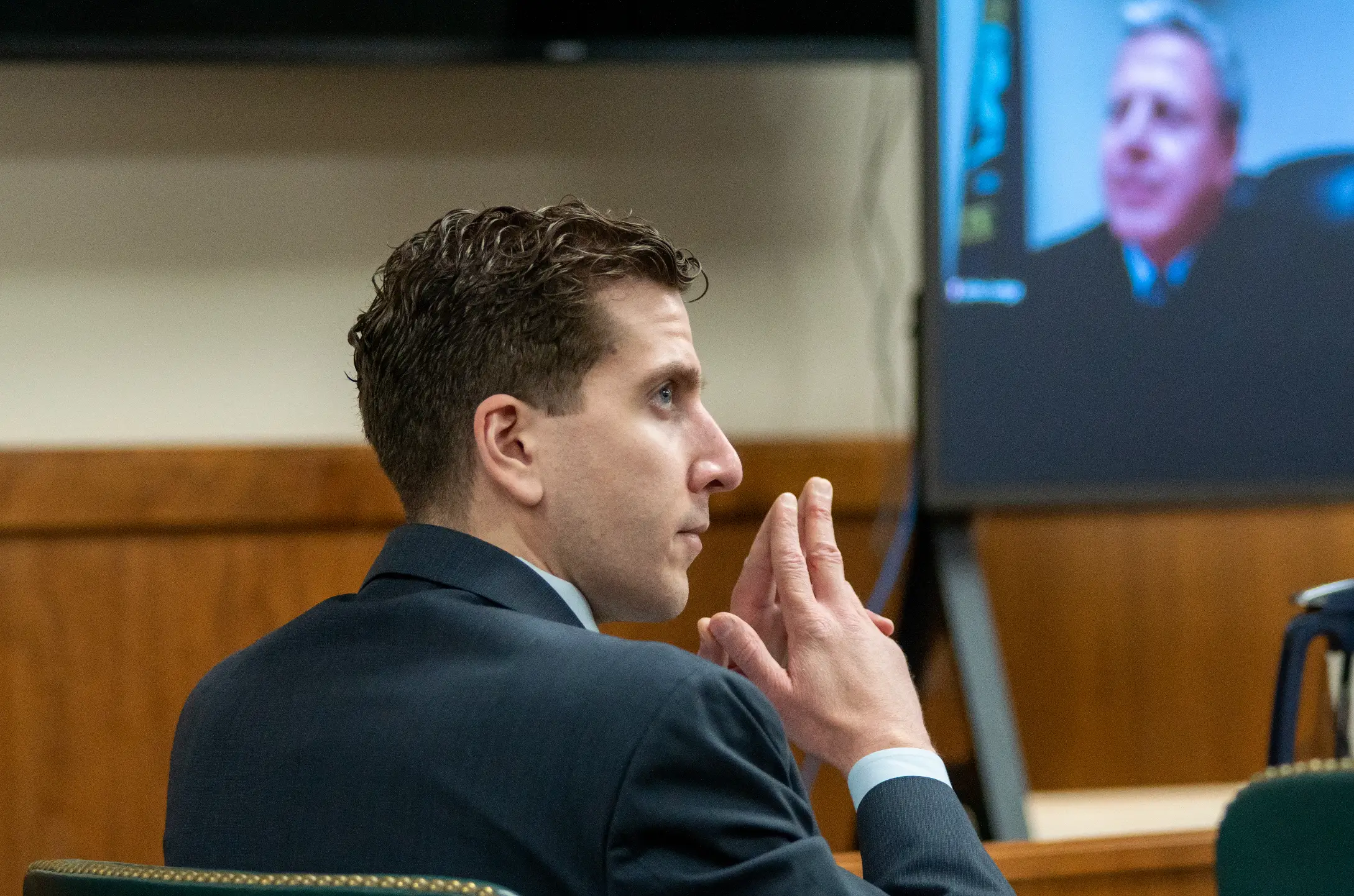
In unsealed court documents for the case it is revealed that, after spotting Bryan and hearing noises outside her door, Dylan made a run for it to Bethany’s room.
Explaining in part why she didn’t call, she stated that ‘she was intoxicated and didn't want to believe what was going on’.
Bethany supposedly initially believed it to be a prank being played on Ethan by his fraternity brothers.
Speaking in the documentary Anthony Dahlinger, the Chief of Police for the local Moscow Police Department, said: “We asked the question why did the roommates wait eight hours to call the police?
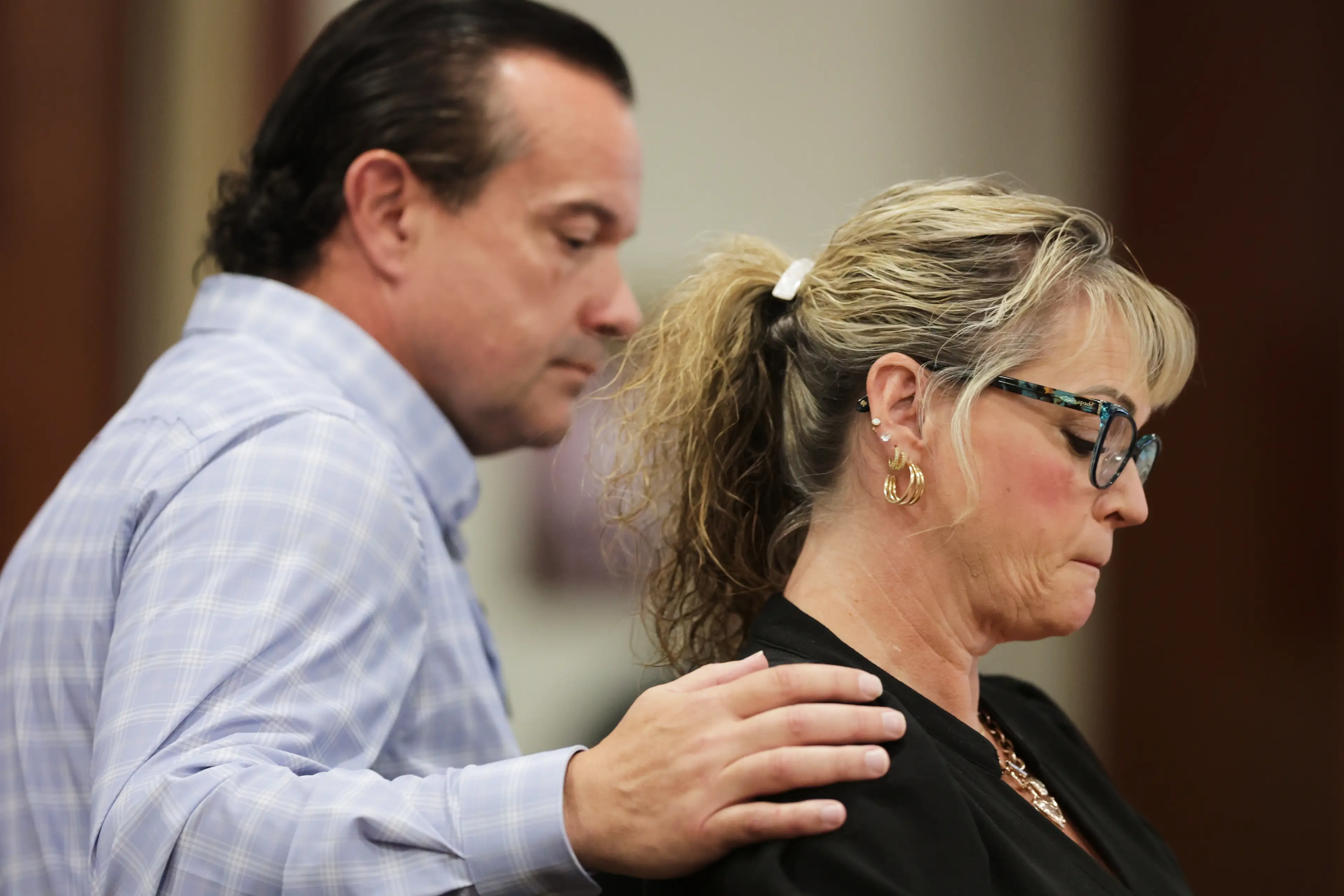
“There are so many reasons why you may not, people are in shock, it’s traumatic - I mean I can’t imagine, being of that age and being able to comprehend that this horrific thing just occurred.”
Kristi Goncalves, Kaylee’s mother, stated in Netflix’s documentary that she had asked the coroner whether calling earlier would have made a difference.
She explained: “We asked the coroner if somebody had called 911, could anybody have been saved. The answer was no."
The Idaho Murders: College Nightmare is available to watch on Netflix now
Topics: True Crime, Netflix, Bryan Kohberger, TV and Film, Documentaries
 Michael Slavin