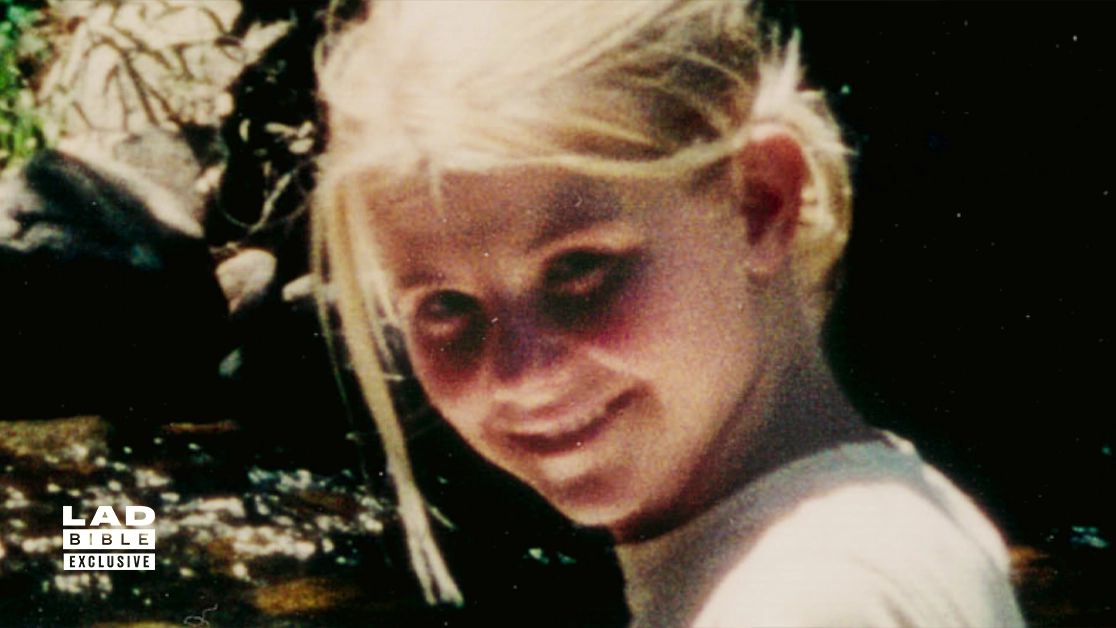
Heartbreaking reason Elizabeth Smart kept graphic abuse details in documentary

Warning: This article contains discussion of rape which some readers may find distressing.
Elizabeth Smart’s Netflix documentary Kidnapped: Elizabeth Smart has been a massive hit for the streamer, sitting at number one in the UK and in the top three in the US and Worldwide.
Part of the success of the true crime film is how frank and open Elizabeth Smart and her family are about the horrifying experiences she was put through. Speaking exclusively to LADbible, the documentary’s executive producer and director explained the decision to include such graphic details.
Advert
Elizabeth Smart has previously spoken about how, initially, the plan had been for the creatives behind the doc to avoid re-traumatising her, and thus not go into the more graphic details of her abuse. But the finished documentary sees her explain the everyday life of her nine months of capture at 14.
Speaking to Tudum about why she ended up being so open about the details, she added: "If all of this was going to be out there anyway, I wanted it to have some meaning … it needed to serve a purpose.
"As I started sharing my story, I had more and more survivors disclosing their own stories to me. And I began to realize the importance of stories."
The first night after her kidnapping by Brian David Mitchell, she explained that his wife Wanda Barzee took her inside and insisted she had to ‘wash her feet’. She then began undressing her and when she resisted told her that the alternative was Mitchell coming in and ripping her clothes off.
Mitchell then forced her to ‘marry’ him in a bizarre ceremony, saying: “I hereby seal you to me as my wife before God and his angels as my witnesses.”
He told her afterwards that he needed to ‘consummate’ their marriage and this was the first time he raped her, something that Elizabeth explained happened on a ‘daily basis’ throughout her capture.
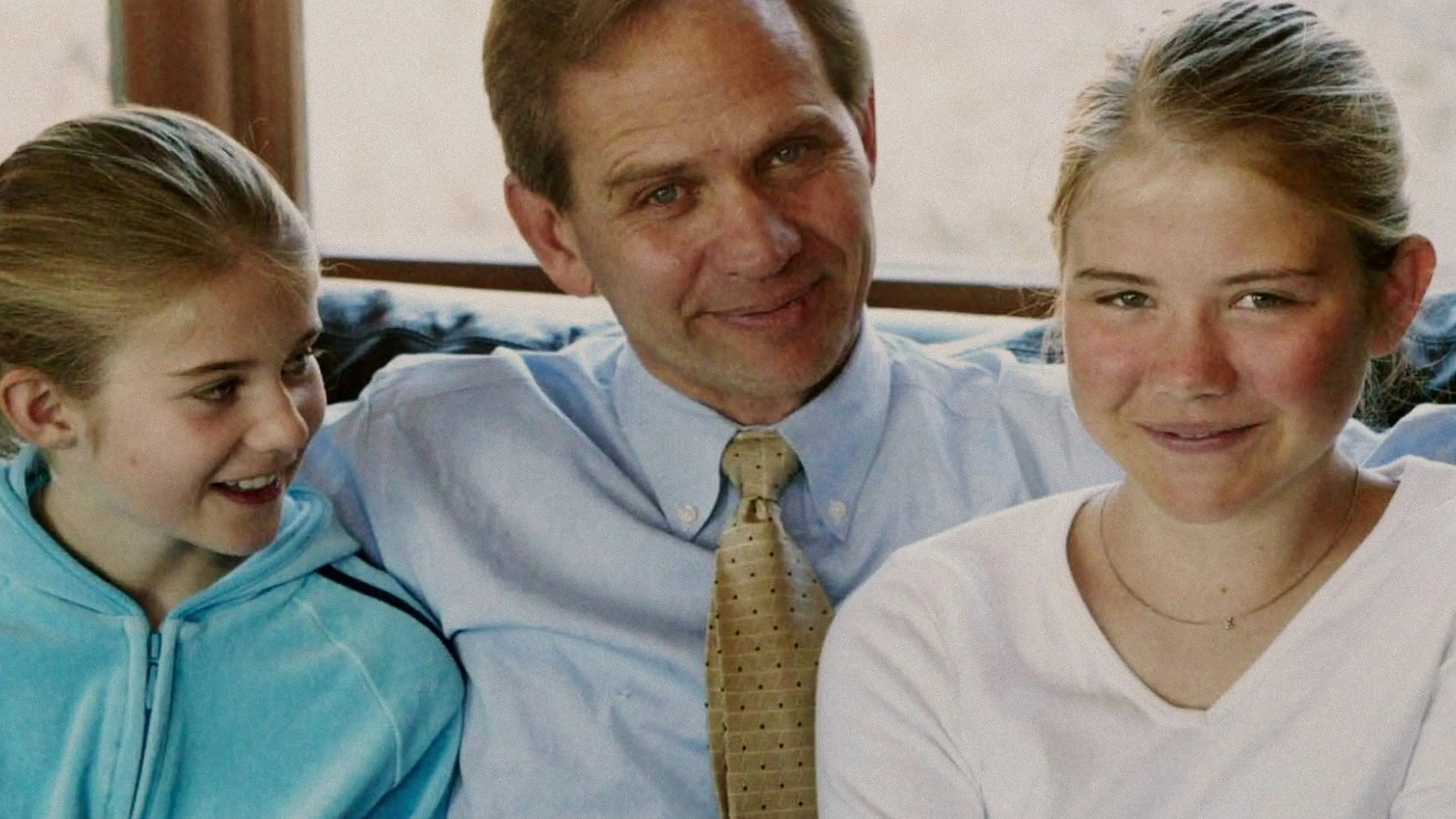
Smart explained that Barzee would often watch him rape her, with the paedophile justifying his vile crimes using ‘god’.
In addition to this sexual abuse, she also suffered physical and mental abuse – being starved, forced to wear a dog collar, and walk around on all fours, and drink beer until she vomited.
Executive producer on the film Claire Goodlass spoke about Elizabeth’s decision to change the film and make sure it included more details about her harrowing experience.
She said: “From a duty of care perspective, we were always led by Elizabeth, always led by survivors that experience trauma.
“They are always the guiding voice in terms of how much detail we go to. On this case, you know, there was a huge amount of work done before [director Benedict Sanderson] and the team did the interview in terms of understanding how much detail Elizabeth wanted to go into and how to approach those subjects.
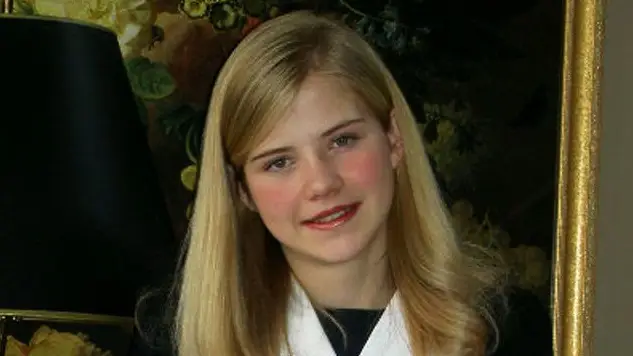
“She’s absolutely right… by having a conversation and confirming absolutely that she wanted more of the horror to be included in the film it gave us great confidence and agency in the edit to put more of those really uncomfortable details in.”
Director Benedict Sanderson said: “I mean, we were keen to tell the story, but obviously you wanted to do it in the most sensitive way possible and in a way that she felt comfortable with.
“We met her and talked everything through ages before we sat down to do the interview and then when we did that over two days. We took it very slowly and were led by her.”
He added that something that sets apart this documentary is its portrayal not only of the sexual abuse but of the psychological torment she underwent.
He said: “She felt when she was first rescued and, in the years afterwards, there were what feel now quite inappropriate but difficult questions from journalists saying ‘well, why didn't you cry out when you were brought down in the city?’
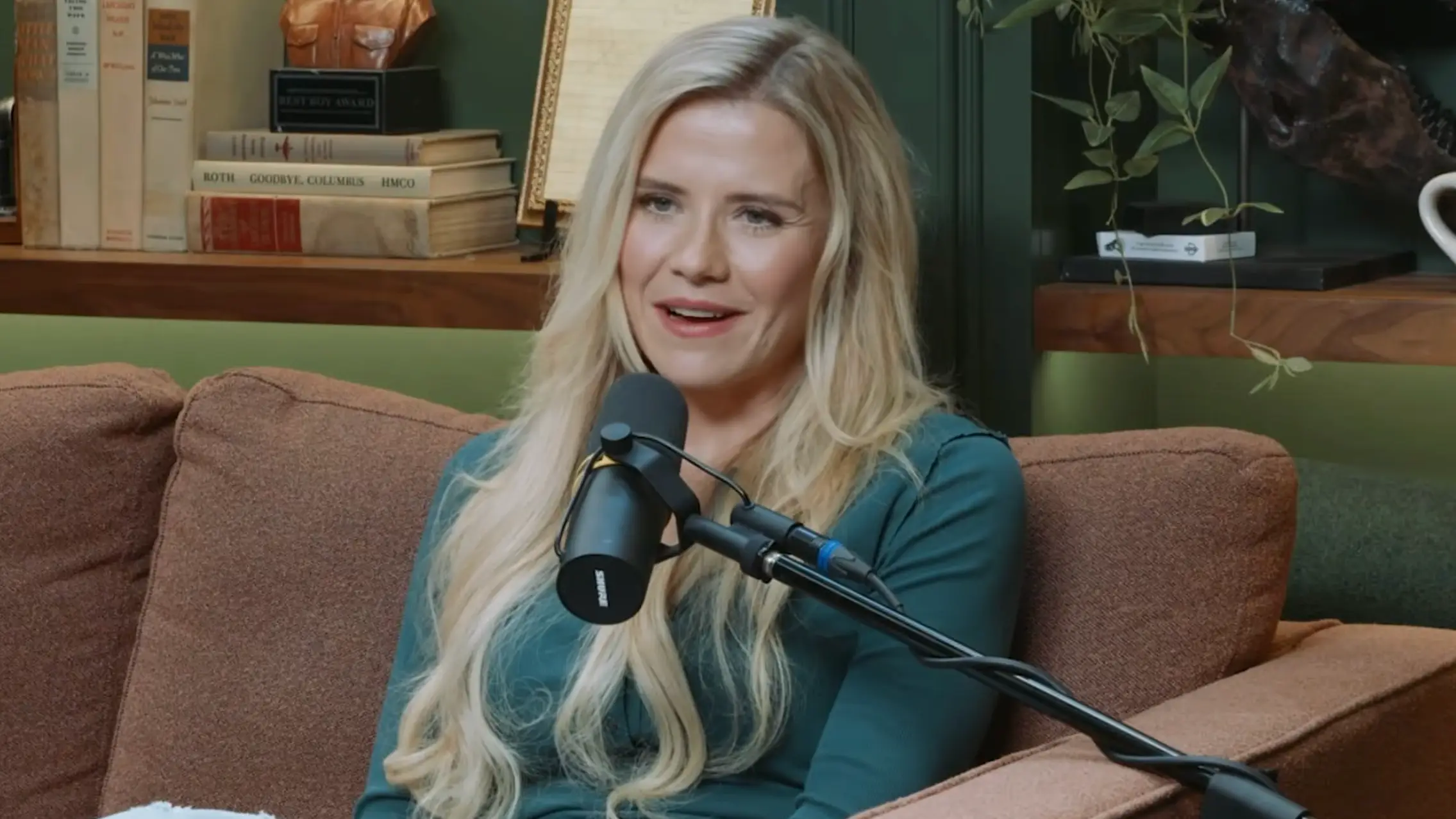
“She was not only abused every day but demeaned, around like a dog, her family were threatened, she was threatened. He threatened to kill her. If she did cry out when she brought down the city, he threatened to withhold food.
“So I think because she did go deeper and further into talking about that kind of thing, I think it gives the audience a better understanding of her experience of the different kinds of abuse and coercive control generally as well.”
Speaking about the importance of being open about her experiences however is important to Elizabeth for a more heartwarming reason too, she said in her chat with Tudum: "I hope it brings comfort that there are happy endings — and that even after terrible things happen, you can still have a wonderful life."
Kidnapped: Elizabeth Smart is available to stream on Netflix now.
If you have been affected by any of the issues in this article and wish to speak to someone in confidence, contact the Rape Crisis England and Wales helpline on 0808 500 222, available 24/7. If you are currently in danger or need urgent medical attention, you should call 999. If you are in the United States you can contact The National Sexual Assault Hotline on 800.656.HOPE (4673), available 24/7. Or you can chat online via online.rainn.org.
Topics: Documentaries, Film, Netflix, TV and Film, True Crime
 Michael Slavin