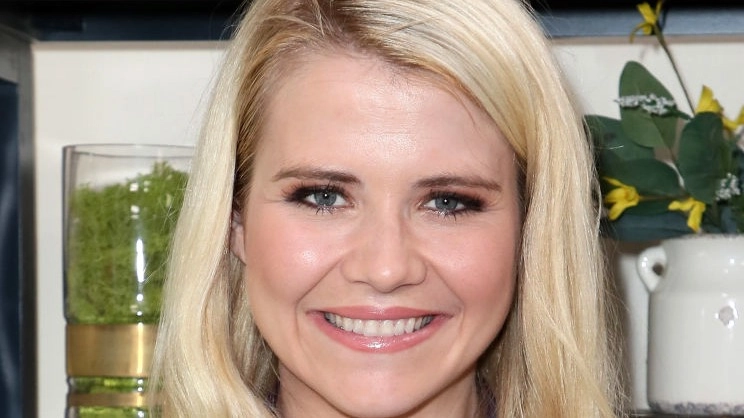
Crucial police mistakes that delayed the rescue of kidnapped child Elizabeth Smart

Warning: This article contains discussion of rape which some readers may find distressing.
The investigation into Elizabeth Smart's disappearance was hampered by the cops involved, her family's former publicist claimed.
It took nine months for police to locate the missing teenager, who was just 14 when she was kidnapped at knifepoint from the bedroom of her family home in the US state of Utah.
Advert
Her nine-year-old sister, Mary Katherine, bore witness to the abduction on 5 June, 2002, but pretended to be asleep as she was 'paralysed' in fear - and this allowed her to share key details about the kidnapper with investigators.
Both of the women appeared in the new Netflix documentary, Kidnapped: Elizabeth Smart, to discuss the harrowing ordeal that took place more than two decades ago.
Take a look at the trailer here:
After tuning into the gripping doc, a host of viewers have been left questioning why it took so long for officials to track down the missing girl who hailed from Salt Lake City. People have been taking to X to explain that they expected police to be speedier, with social media users suggesting that Elizabeth 'could have been rescued' a lot sooner than she was.
After she was snatched from her bedroom in the middle of the night by Brian David Mitchell, the 'devout Mormon' teen spent the next nine months being shackled, starved, and abused. Elizabeth was repeatedly raped by her captor, forced to watch pornography, drink alcohol and take drugs - and she was even forced to 'marry' Mitchell in a bizarre ceremony.
Mitchell's wife, Wanda Barzee, also played an instrumental role in the abuse, with the victim later describing her as the 'most evil woman' she has ever met.
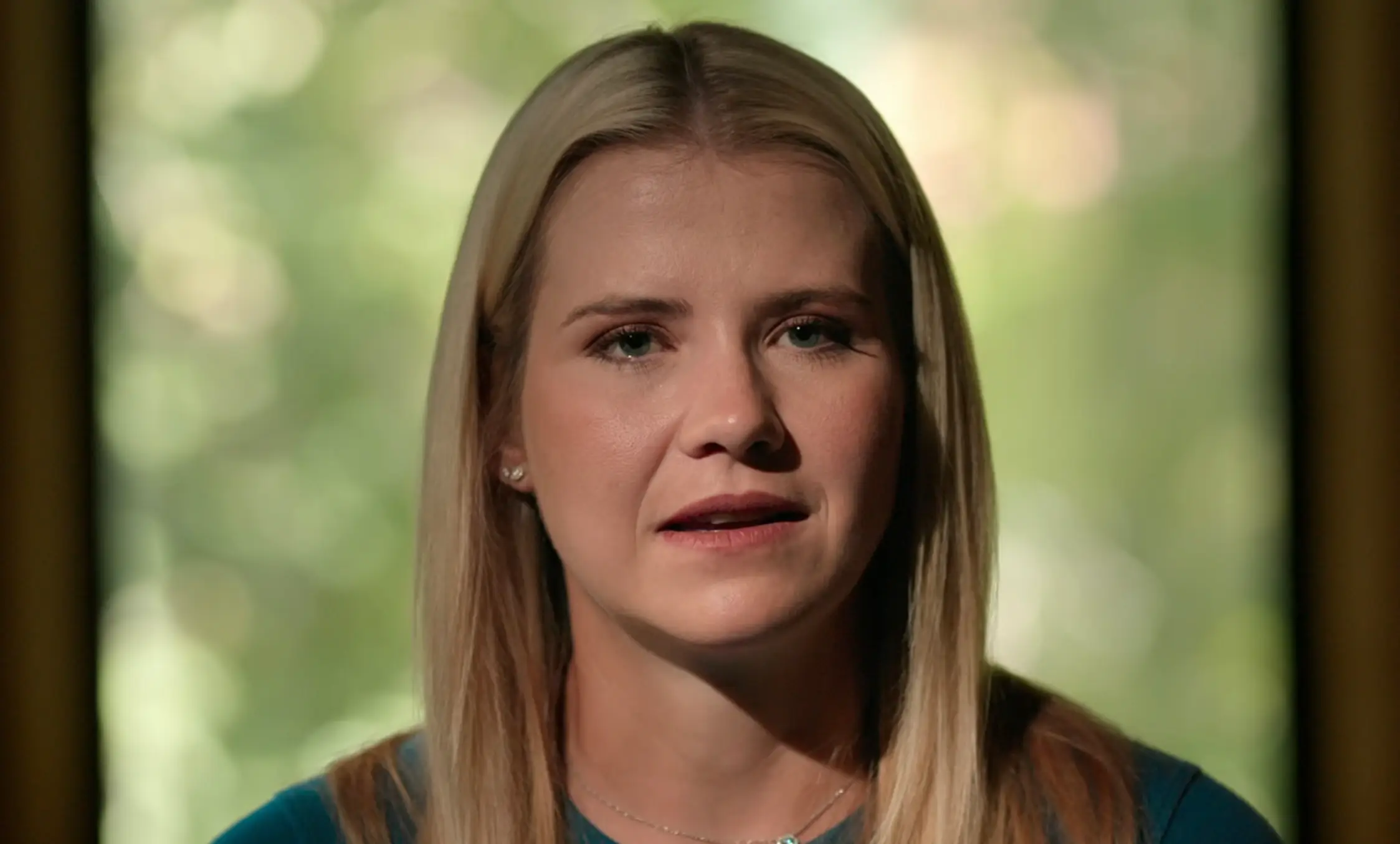
Although the police had an eyewitness to the kidnapping at their disposal who offered up a hazy description of the man who kidnapped Elizabeth, fingers were first pointed at her family members.
Her parents, Ed and Lois, and her uncle Tom were all looked into, while a huge manhunt ensued in the hopes of finding the missing 14-year-old.
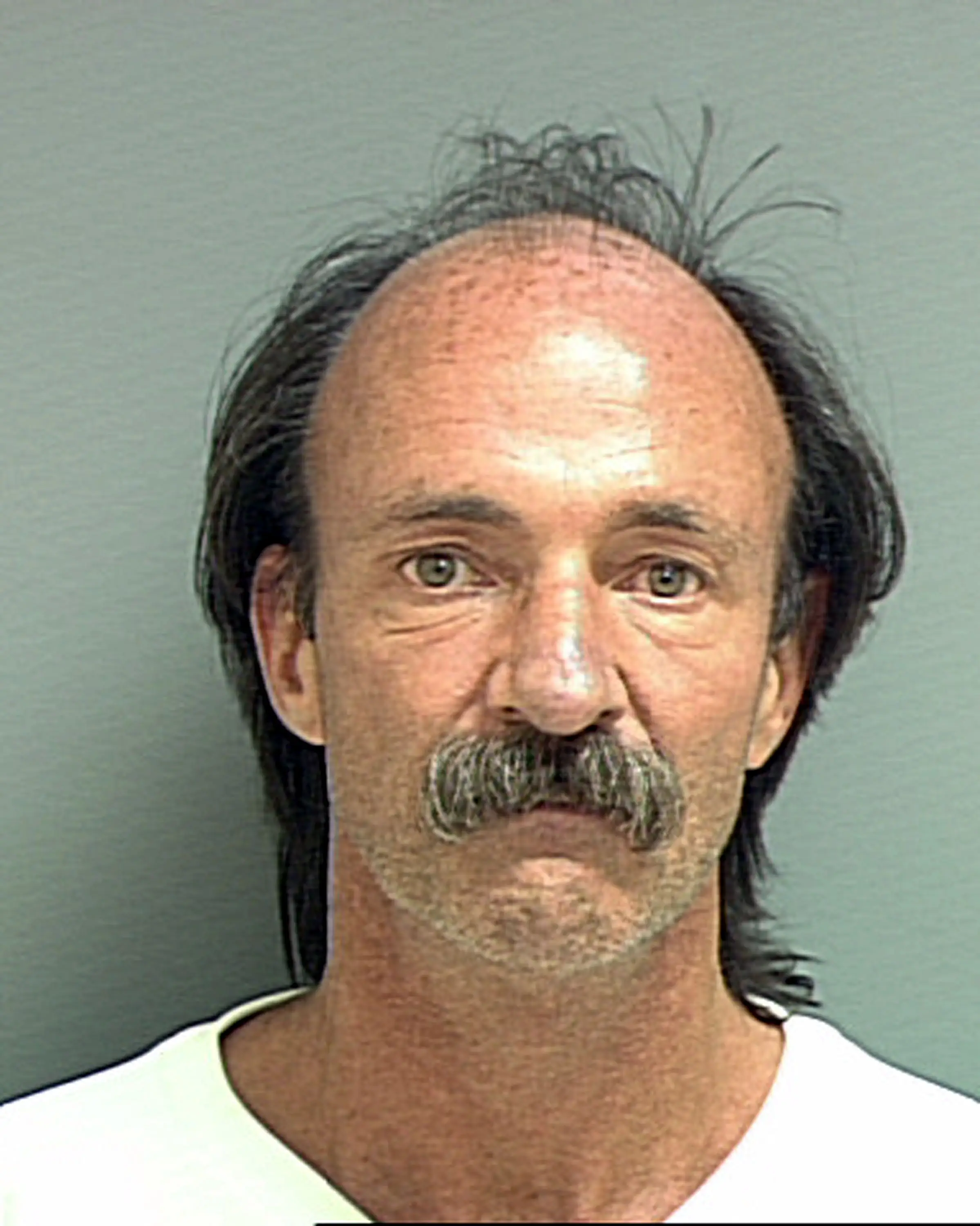
Focus then fell on Richard Ricci - a handyman who had previously been hired by the Smart family - who had a 'violent, criminal history' and had swiped expensive items from the Smart's home, CBS News reported. Although he insisted he had an alibi and he was never officially named as a suspect, authorities are said to have put a lot of resources into investigating Ricci.
Ultimately, the 48-year-old passed away from a brain haemorrhage while behind bars at Utah State Prison on unrelated charges, but prior to this, cops were '99.9 percent sure' he was responsible for Elizabeth's disappearance, her uncle Tom claimed in Kidnapped.
Public relations manager Chris Thomas represented the Smart family during this time period. He later penned a book about his experience, and he even explained that he believes officials wasted time by fixating on the wrong suspect.
"There is a lot of tribalism in law enforcement," he told KUTV 2 News in 2023. "In this case, there was a real herd mentality."
Thomas said he thought it was 'very disturbing that they really couldn't get beyond' the idea that Ricci was responsible, and that police 'pushed that [narrative] publicly'.
He explained that at the time, cops were skeptical about how credible Mary Katherine's recollection of the kidnapping was, so when the young girl claimed to have remembered another crucial clue, they weren't keen to follow it up.
The nine-year-old was reading a book when she suddenly recalled the word 'Immanuel', which is the name that Mitchell gave to the Smart family when he worked on their home.
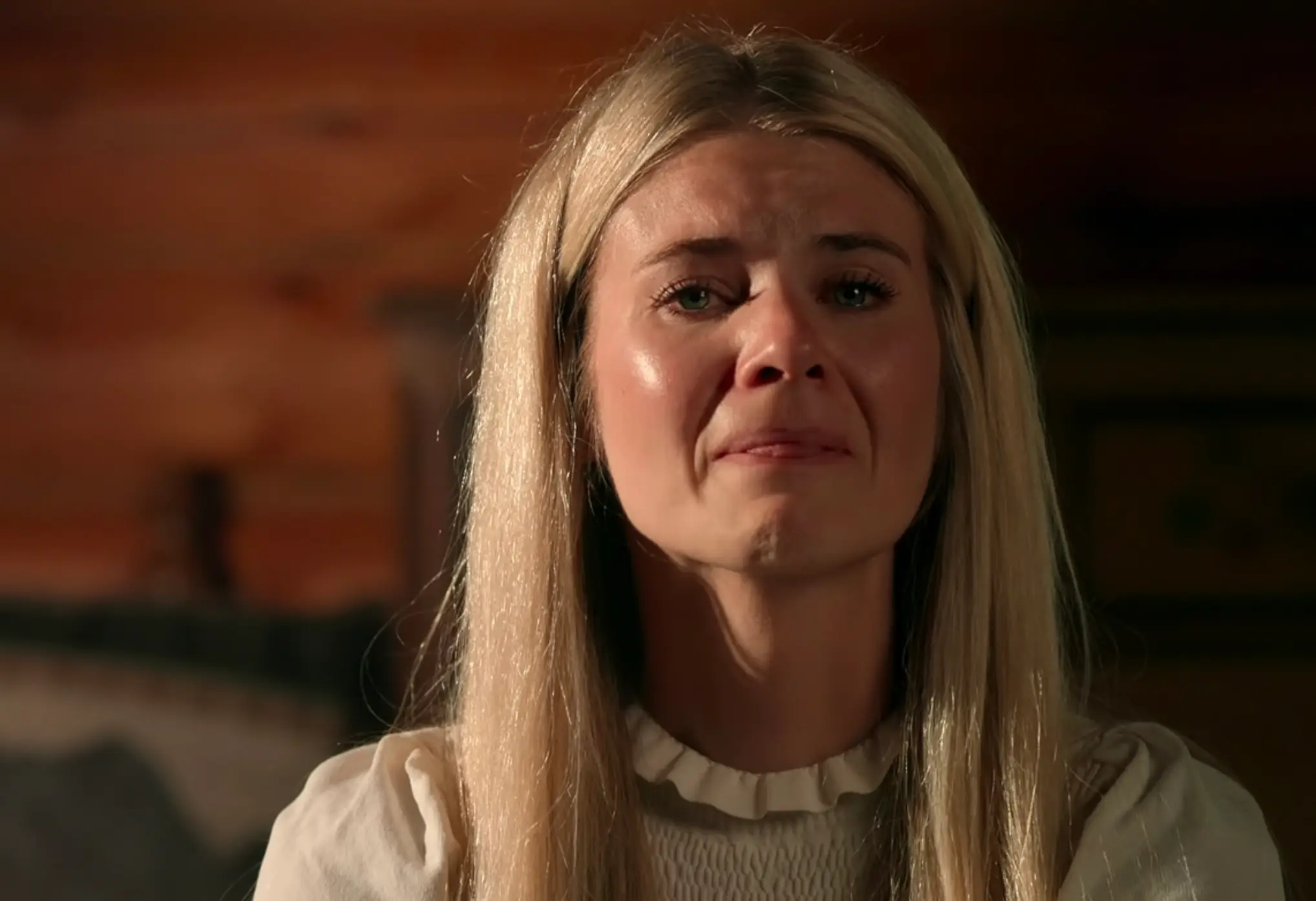
Elizabeth's loved ones hired a sketch artist to compose an image of the abductor from the details that Mary Katherine could remember, which was then shown on America’s Most Wanted.
This sketch ultimately led to people recognising Mitchell, allowing police to finally find Elizabeth - and according to Thomas, she might have still been in captivity if the family didn't take matters into their own hands and release it.
"It's absolutely mind-blowing," the author added. "It led to getting Elizabeth back. If they hadn't done that...it's not out of the question that she'd still be out there somewhere."
It is believed that some of these mistakes may have cost the police crucial time.
Upon his retirement, one of the lead investigators on the case admitted that he had 'regrets' about how it was handled - and how long it took.
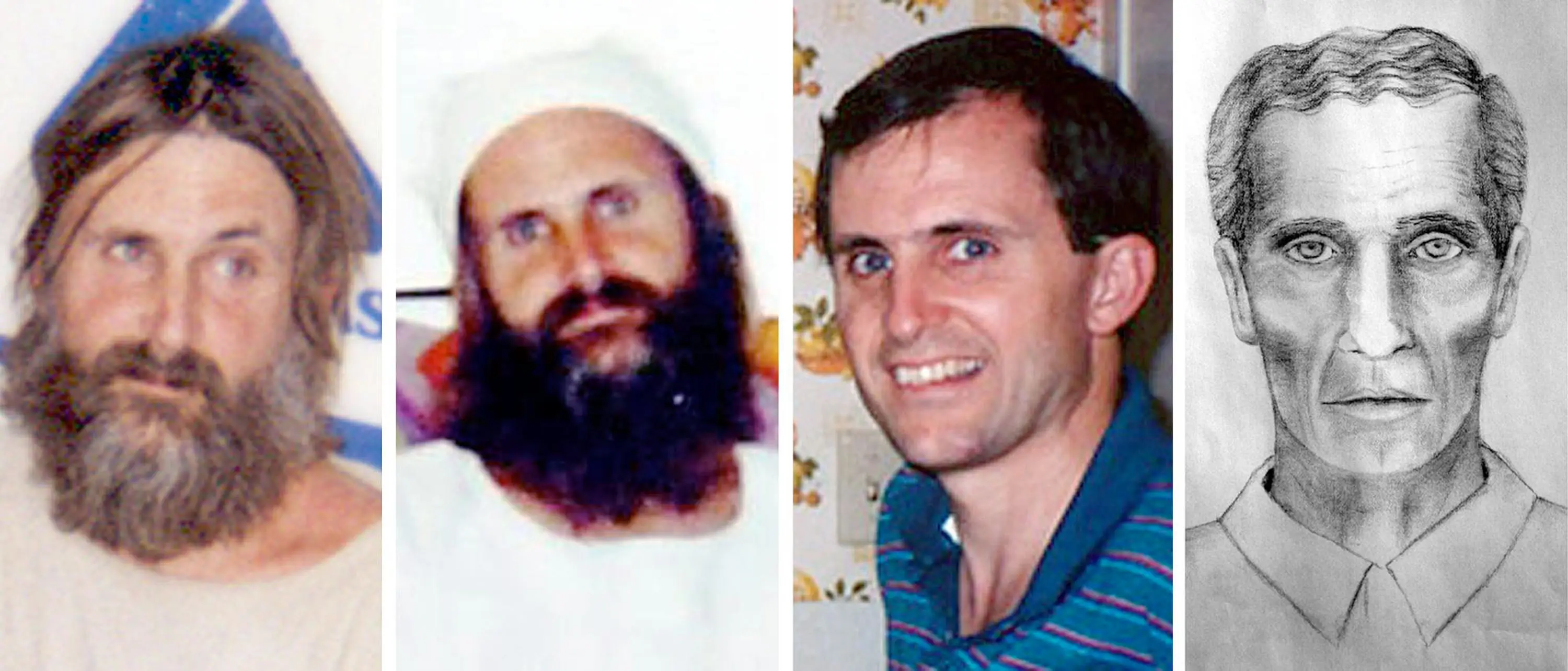
Corey Lyman previously told CBS News: "At the time, I thought I was making the best choice, but now in hindsight I wasn't. And so, absolutely, I have regrets.
"I wish I could do it over. I kind of go through this emotional, 'Could this have been over so much sooner?'"
Salt Lake Police Chief Rick Dinse also added at the time: "Hindsight is 20-20 vision. If we had to go back over it again, I think every one of [our investigators] would say, 'I wish we had gone public with that [sketch] earlier'."
Elizabeth's father Ed said he believed that 'some mistakes' had been made during the probe into his daughter's disappearance, yet added: "But I know that they were trying."
Kidnapped: Elizabeth Smart is now available to stream on Netflix.
If you have been affected by any of the issues in this article and wish to speak to someone in confidence, contact the Rape Crisis England and Wales helpline on 0808 500 222, available 24/7. If you are currently in danger or need urgent medical attention, you should call 999.
If you are in the United States you can contact The National Sexual Assault Hotline on 800.656.HOPE (4673), available 24/7. Or you can chat online via online.rainn.org.
Topics: Crime, Documentaries, Netflix, True Crime, US News
 Olivia Burke