How true is Peaky Blinders? The real history behind the Shelby story


Few shows have left their mark quite like Peaky Blinders. From its razor-sharp style to its characterful cast, the Birmingham-set drama has built a cult following that’s only grown stronger over time. After all, not only does it have its legion of die-hard fans rewatching every episode on BBC iPlayer (guilty), but there’s also even a whole host of famous names who have spoken out about their love of the show, including the likes of Snoop Dogg, Julia Roberts and Brad Pitt.
But is Peaky Blinders based on a true story? And how much of the Shelby family’s rise to power is rooted in real history? Here’s everything you need to know.
Were the Peaky Blinders real?
Yes – but not quite as you see them on screen. Thankfully, though, the real story behind BBC’s Peaky Blinders is arguably just as fascinating as the drama itself.
While the show depicts the sharply dressed Shelby family striding through smoky 1920s Birmingham in the aftermath of the First World War, in reality the real Peaky Blinders existed much earlier – mainly in the late 1800s through to the early 1900s – and they weren’t one slick, all-powerful crime dynasty.
Instead, they were loose street gangs made up largely of working-class teenagers and young men growing up in tough areas of Birmingham like Bordesley and Small Heath – both of which feature heavily in the BBC series.
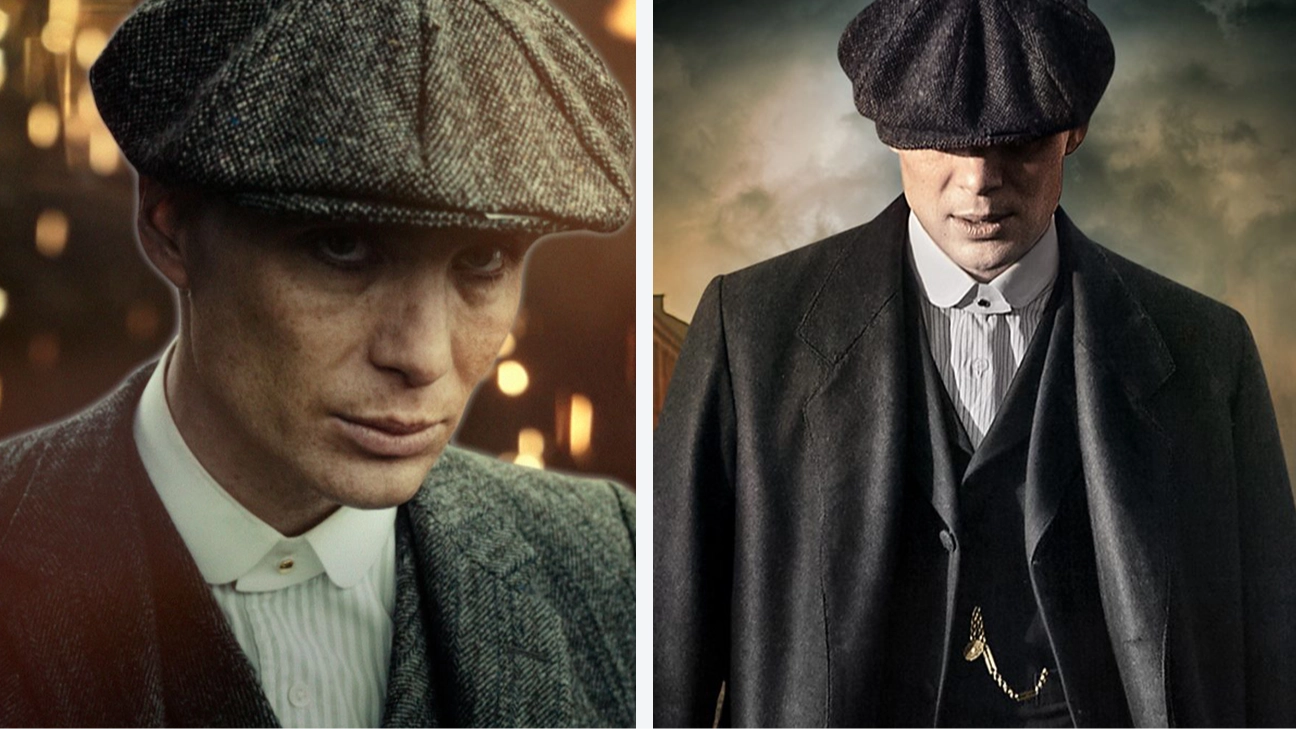
What is true, though, is that they stood out. Looking the part wasn’t just about style, it was about status and, just like their on-screen counterparts, the Peaky Blinders were known for dressing sharply in the likes of tailored jackets, waistcoats, silk scarves and those signature peaked caps. The famous story you will have heard about razor blades sewn into those caps, though? There’s no solid evidence to prove that was ever a real tactic, and it’s widely considered untrue.
What did the Peaky Blinders actually do?
In short, nothing quite as glamorous as in the BBC drama. Rather than running a sophisticated criminal empire built on illegal betting, protection rackets and the black market, they were mostly involved in lower-level crime like theft, street violence, small-scale gambling scams and intimidation.
By the early 1900s, many of the gangs had either faded away, with their decline largely down to the rise of more powerful gangs like the Birmingham Boys and the Sabini gang (both of whom we see in the BBC series), who dominated organised crime in the years that followed.
And while the original Peaky Blinders had mostly disappeared by the 1930s, with many drifting away from Birmingham altogether, it’s safe to say that their legend stuck around – more than a century later and they are a global pop culture phenomenon.
Who were the real Peaky Blinders?
Peaky Blinders creator Steven Knight was inspired by stories his parents would tell him from their days growing up in Birmingham, and while Tommy Shelby (Cillian Murphy) and most of the main characters - including Arthur, John and Polly - are fictional, they are mirrored on the real-life Sheldon family, Knight’s dad’s uncles who ran an underground horse-betting operation (it was illegal to run bets in those days).
The real gangs also did have leaders who built fearsome reputations on the streets, with the show taking inspiration from real people. Case in point? Tom Hardy’s Alfie Solomons is based on a real-life Jewish gangster named Alfred Solomon, while Billy Kimber, who appears in the series as a major rival, was also very real. As leader of the Birmingham Boys (also known as the Brummagem Boys), he was one of the most powerful crime bosses in the country at the time yet, unlike his on-screen fate, he didn’t die in a dramatic showdown but passed away after a long illness.
Is The Garrison pub real?
If you thought The Garrison was just the ultimate fictional boozer you wish you could have had a pint in, you’d be wrong – almost. The pub, which is where the Peaky Blinders did most of their dodgy dealings, is based on a real building on Garrison Lane in Birmingham, just a short walk from Birmingham City’s St Andrew’s stadium. Back in its day it would’ve made it a pretty ideal pre-match spot.
The original building is more than 100 years old, but sadly today it’s largely fallen into disrepair.
 Tom Green