NASA admits no plan B to avert disaster as Artemis II enters most dangerous part of mission

NASA is 'making sure they don't take their eye off the ball' as its groundbreaking lunar flyby mission comes to a close - as the crew is bracing for the most dangerous part.
The Artemis II team are now making their way back down to Earth ahead of their scheduled splashdown off the coast of San Diego, California on Friday (10 April).
But the four astronauts onboard the Orion spacecraft aren't out of the woods just yet, as they've got to get back through a fiery wall of heat as they re-enter Earth's atmosphere.
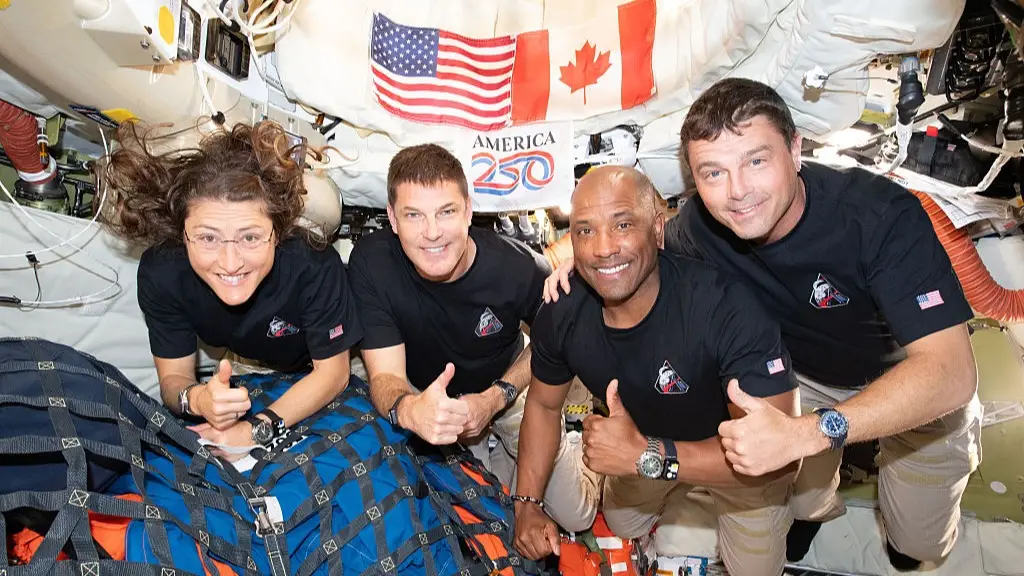
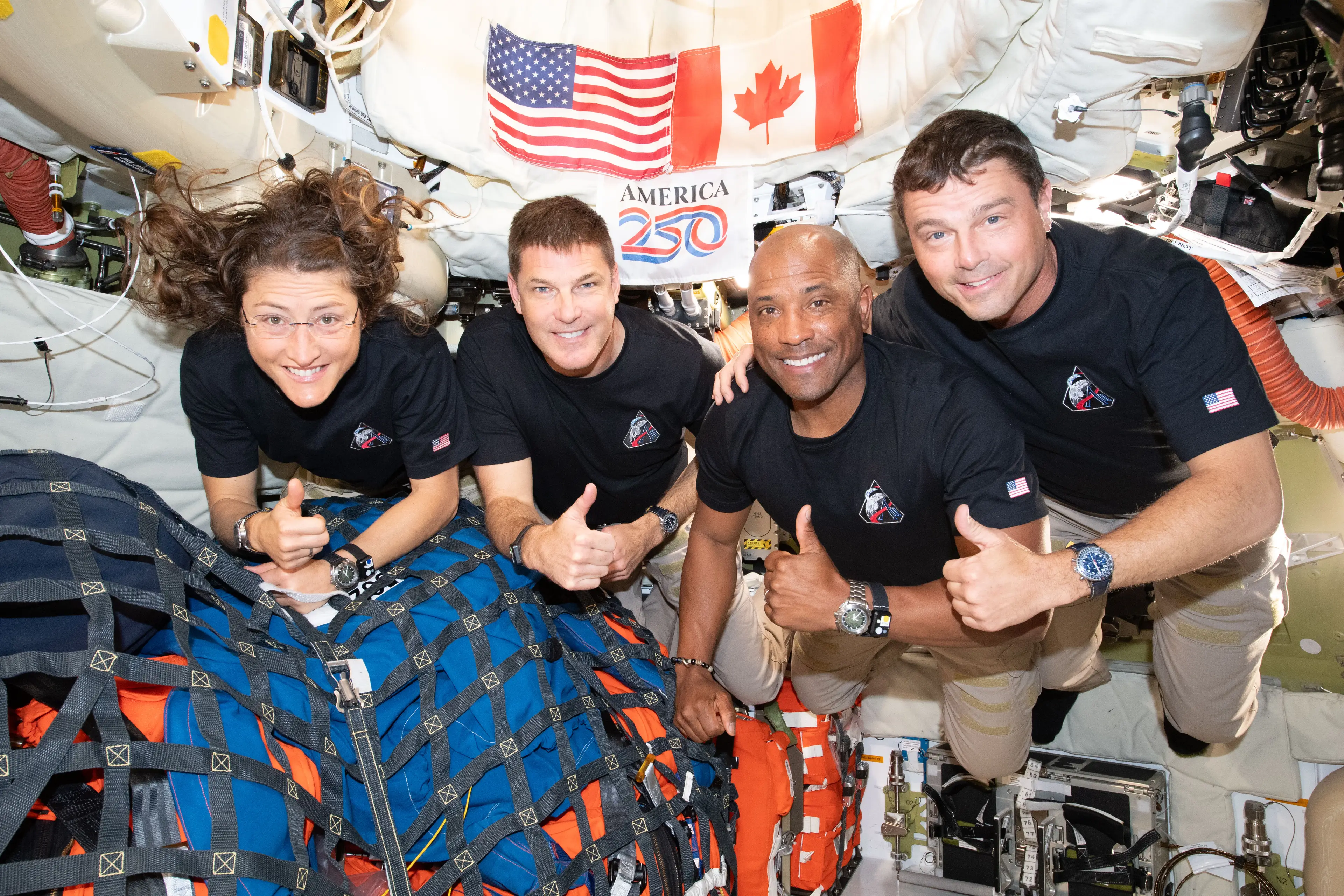
The fate of NASA’s Reid Wiseman, Victor Glover, and Christina Koch and Canadian astronaut Jeremy Hansen is all riding on a heat shield.
Advert
When the crew come blasting back through the atmosphere, the spacecraft they are in will be travelling at around 25,000mph and enduring temperatures up to 5,000 degrees Fahrenheit, which is about half as hot at the Sun.
As Dr Megan Argo, Senior Lecturer in Astrophysics at the University of Lancashire, previously told LADbible why this is a 'really, really risky' part of the mission.
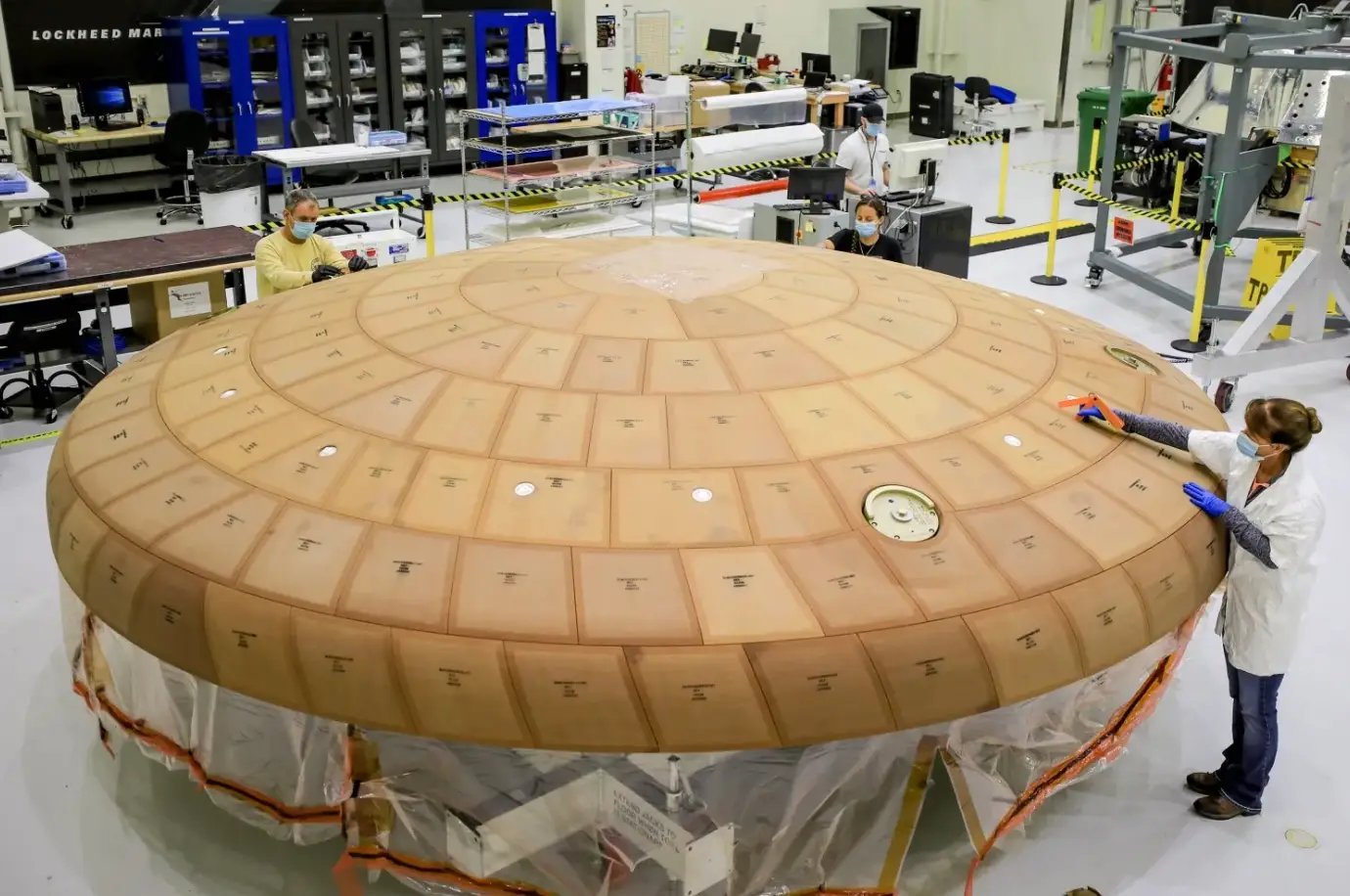
She explained that when the original Artemis mission launched in 2022 it had some problems on re-entry, the heat shield cracked and the sustained a lot more damage than NASA had expected.
Engineers later determined 'gases generated inside the heat shield’s ablative outer material called Avcoat were not able to vent and dissipate as expected'.
"This allowed pressure to build up and cracking to occur, causing some charred material to break off in several locations," the US space agency said in 2024. Tweaks were then made to bolster the heat shield.
Explaining why this component of the Orion is so crucial, Dr Argo told LADbible: "When the capsule comes back through the Earth's atmosphere it has a heat shield on the flat end of the spacecraft to try and take away some of the heat that's generated in that re-entry process.
"As it's flying through the atmosphere, you get what's called a bow shock built up at the front of it, and that bow shock generates an awful lot of heat, thousands of degrees.
"It can get to temperatures rivalling half the heat of the sun's surface, very, very high temperatures that can melt metal," Dr Argo explained.
"It can do serious damage to spacecraft and if you don't protect your astronauts inside the capsule, your astronauts don't make it through the atmosphere. So that heat shield is vital."
Although NASA has done all it can to toughen the heat shield up, one official has admitted that the return of the Artemis II crew has been 'keeping him up at night'.
Discussing how vital it is for the heat shield to do it's job properly, NASA Administrator Jared Isaacman said at a press conference on Tuesday (7 March): "In terms of what keeps me up at night, my blood pressure will be elevated until they're under parachutes in the water off the West Coast. There's no plan B there. That is the thermal protection system. The heat shield has to work."
However, Isaacman did remain quite optimistic as he added: "I have no doubt the team did a great analysis, made the most of things. Most of the heat shields that we have available are not the right way to do things long term.
"And we are fixing it going forward. That's why we're increasing production rate, getting back into a good rhythm, getting a little bit closer to goodness there.
"But it is definitely an area we will all be thinking about until they're on the water."
Lakiesha Hawkins, NASA's acting deputy associate administrator for exploration systems development, also said NASA is 'turning our attention to the return and getting the crew safely home'.
"When a mission goes well, it can look like flying to the Moon is easy," she said. "It certainly is not.
"We can’t forget that this is a test flight, and are taking everything that we’re learning forward to support the next mission.
"This has been a good mission so far, and we’re nearing the end, having retired a significant number of risks over recent days, but the team remains focused, and we’re making sure that we don’t take our eye off the ball."
IN PICTURES: Artemis II's historic lunar mission
From rogue Nutella jars to lunar hugs and even the Milky Way, let's have a look at some of the highlights of the mission in pictures, as the crew prepares to splash down on the West Coast of the US.
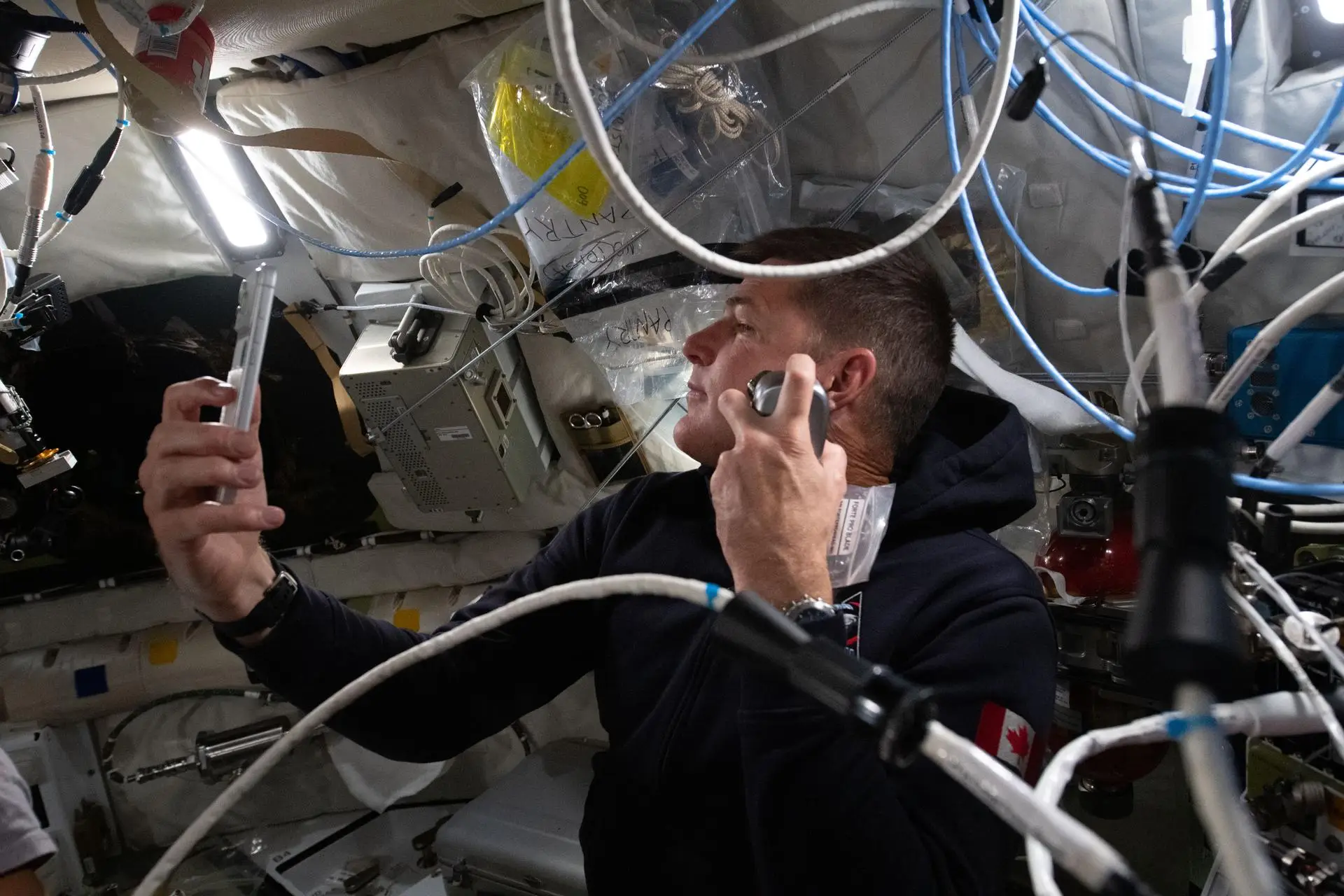
Astronaut Jeremy Hansen enjoys a shave on the way to the Moon
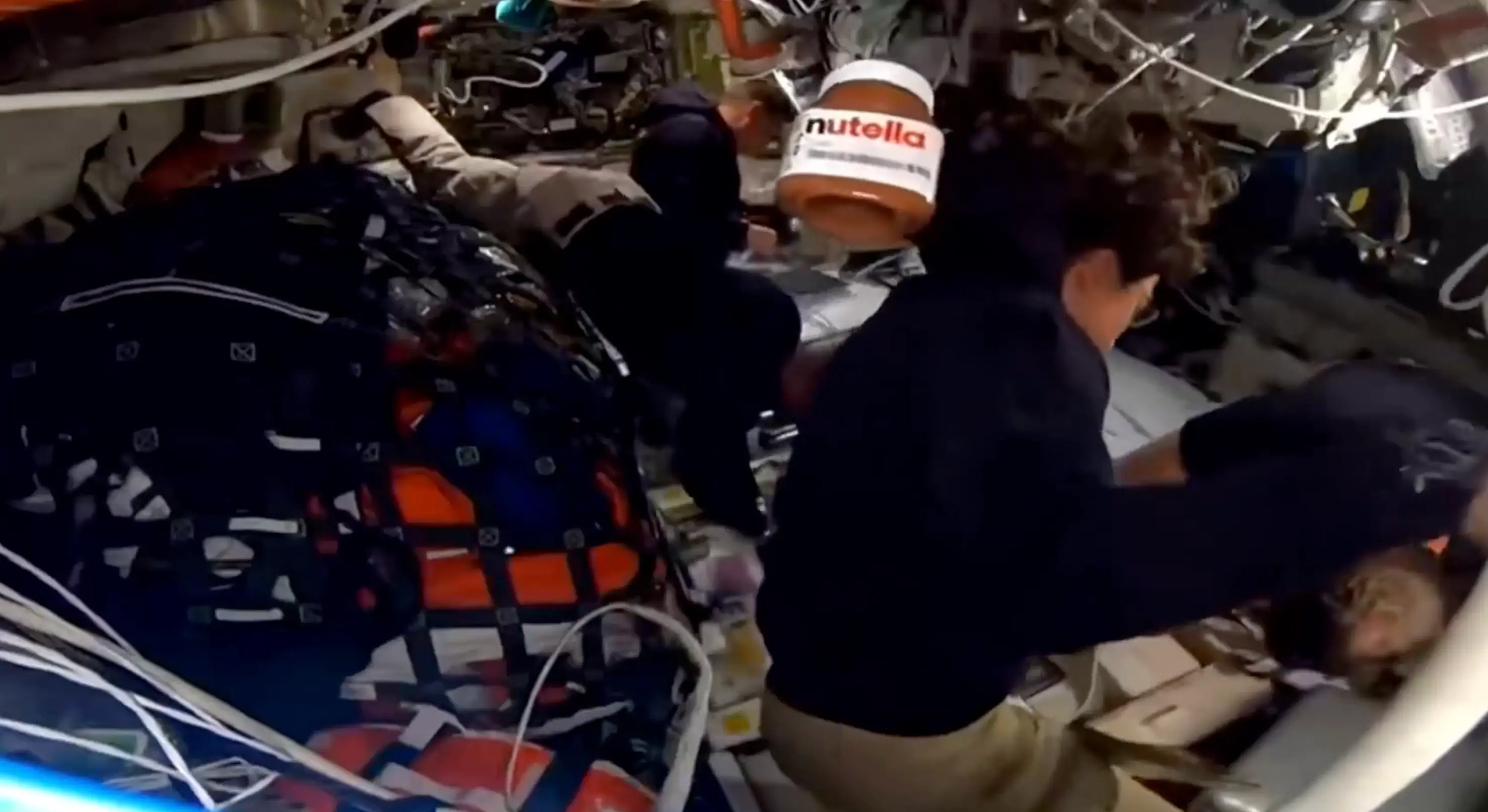
Rogue Nutella jar photobombs the crew's livestream
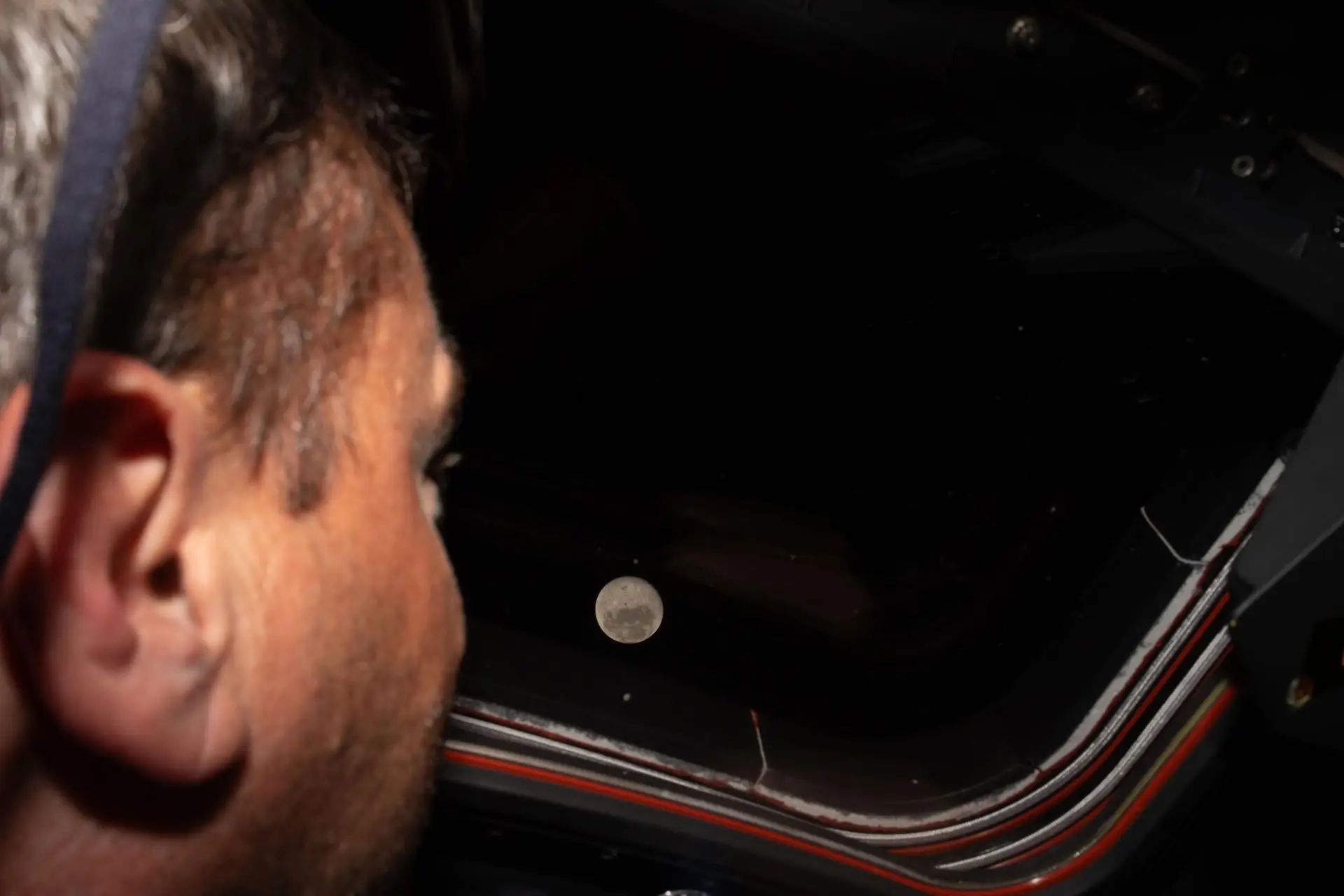
Christina Koch takes a little peek at Earth

The crew look out of the Orion as they close in on the Moon
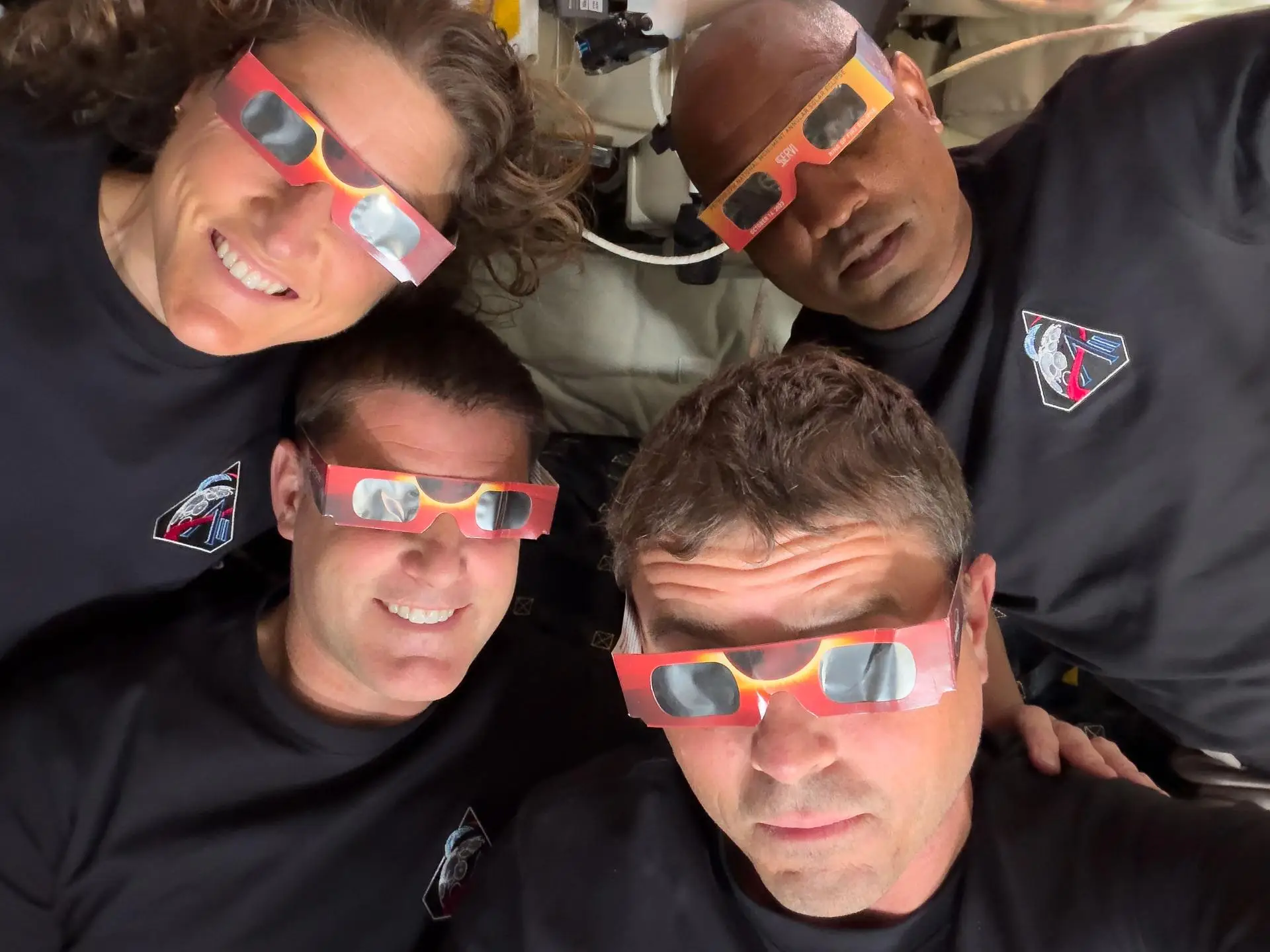
It's solar eclipse time

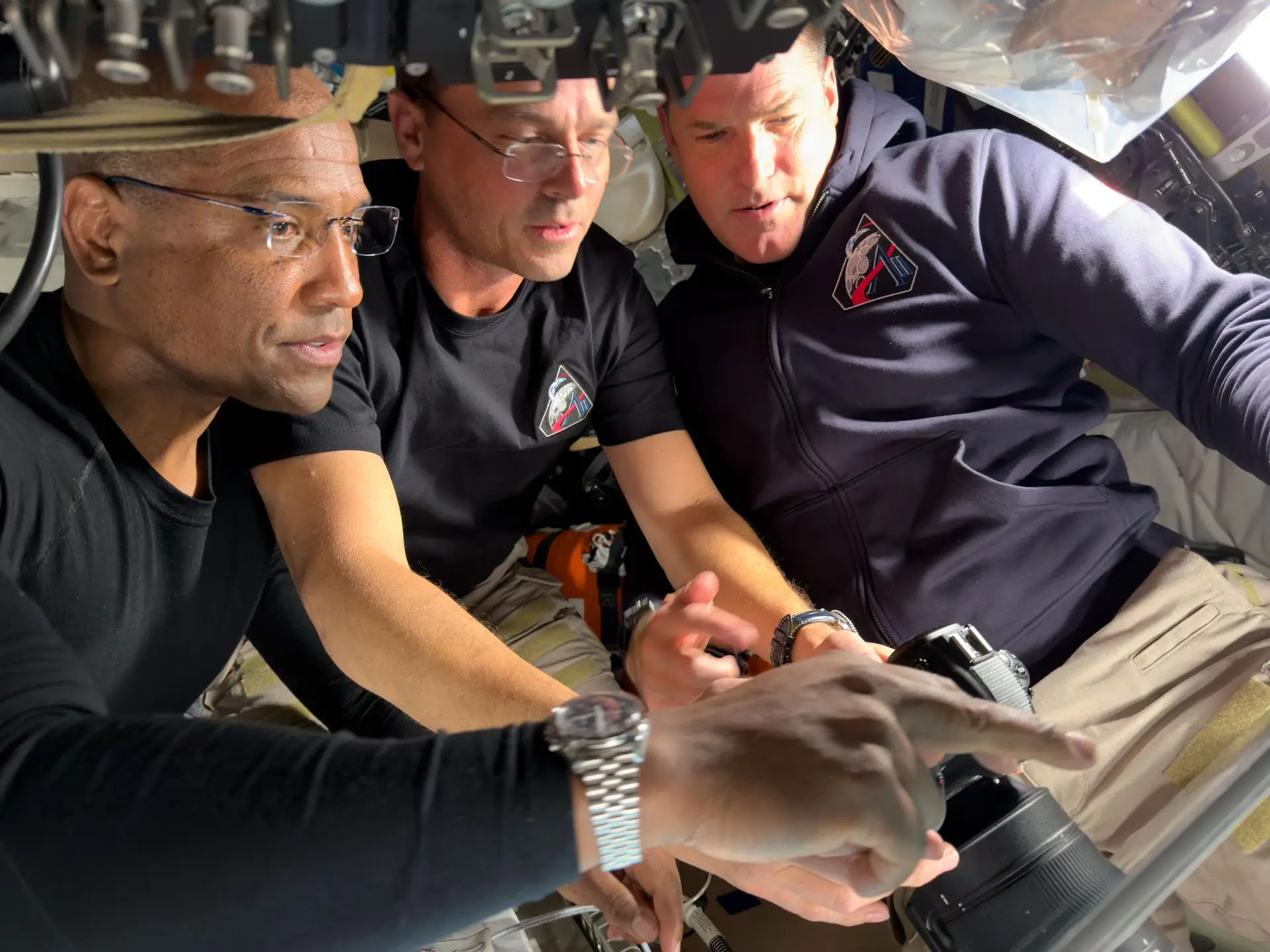
The crew prepare their cameras for their journey around the far side of the Moon
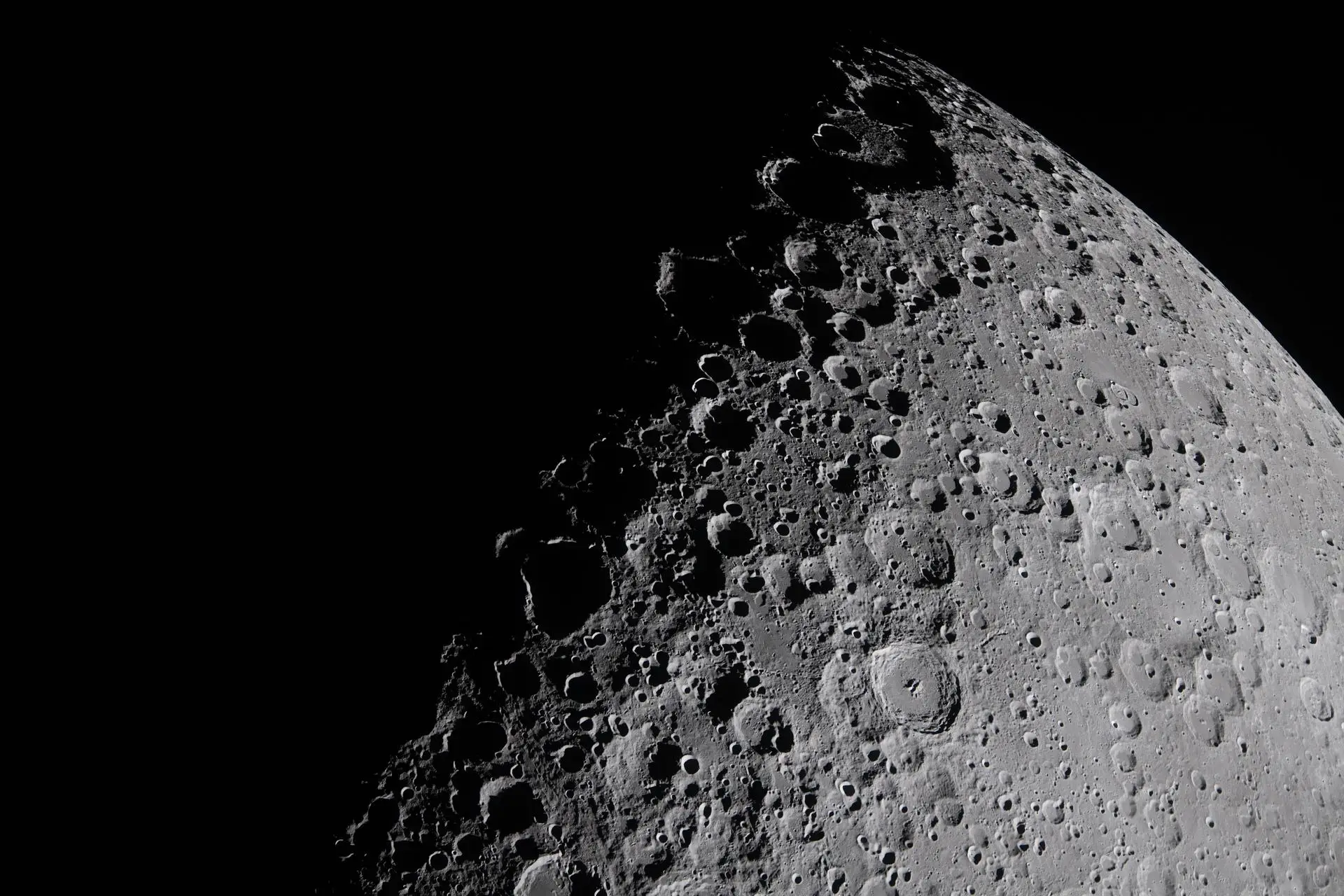
An in-depth look at the lunar surface
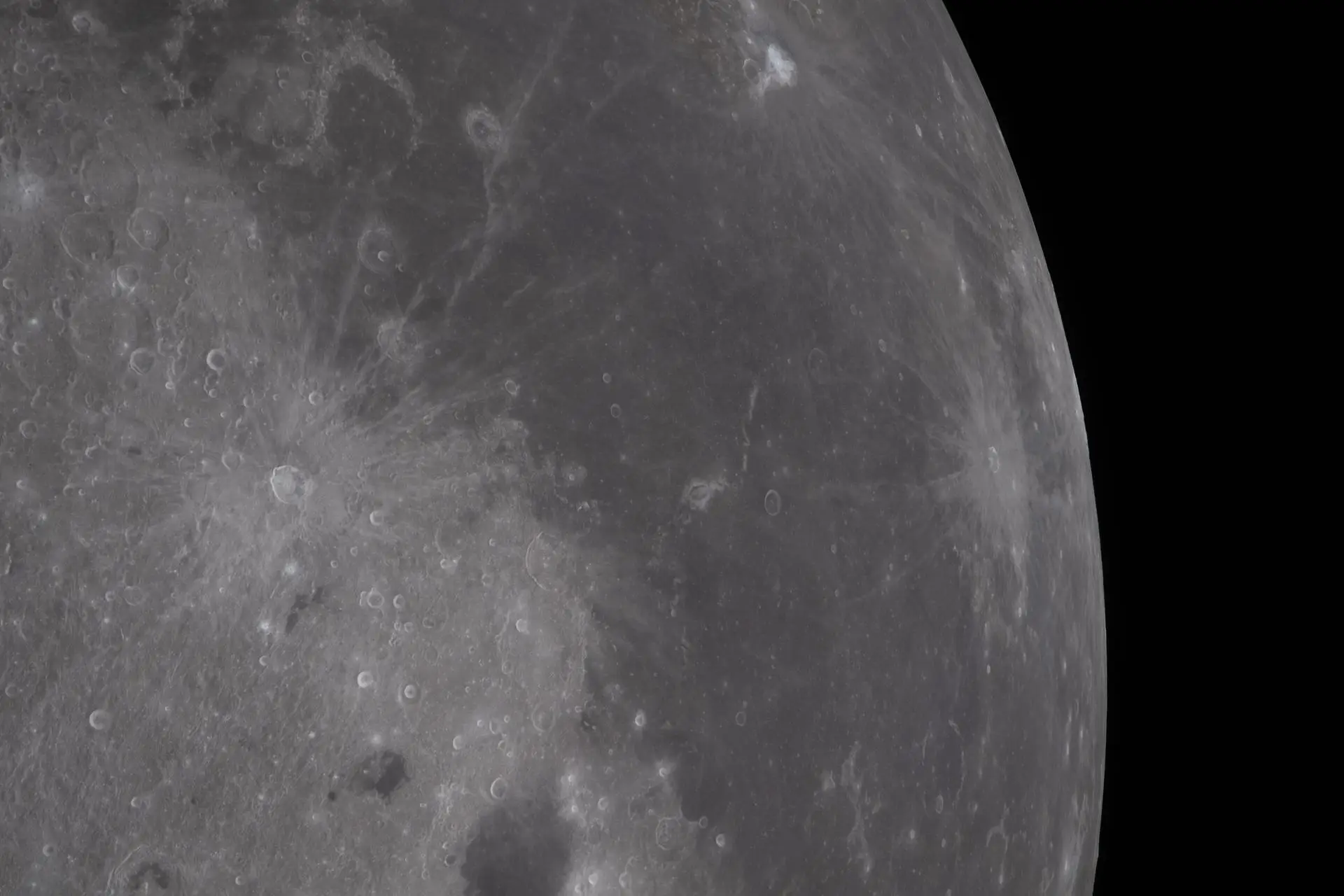 A cross section of lunar geology (NASA)
First photo taken from the far side of the Moon

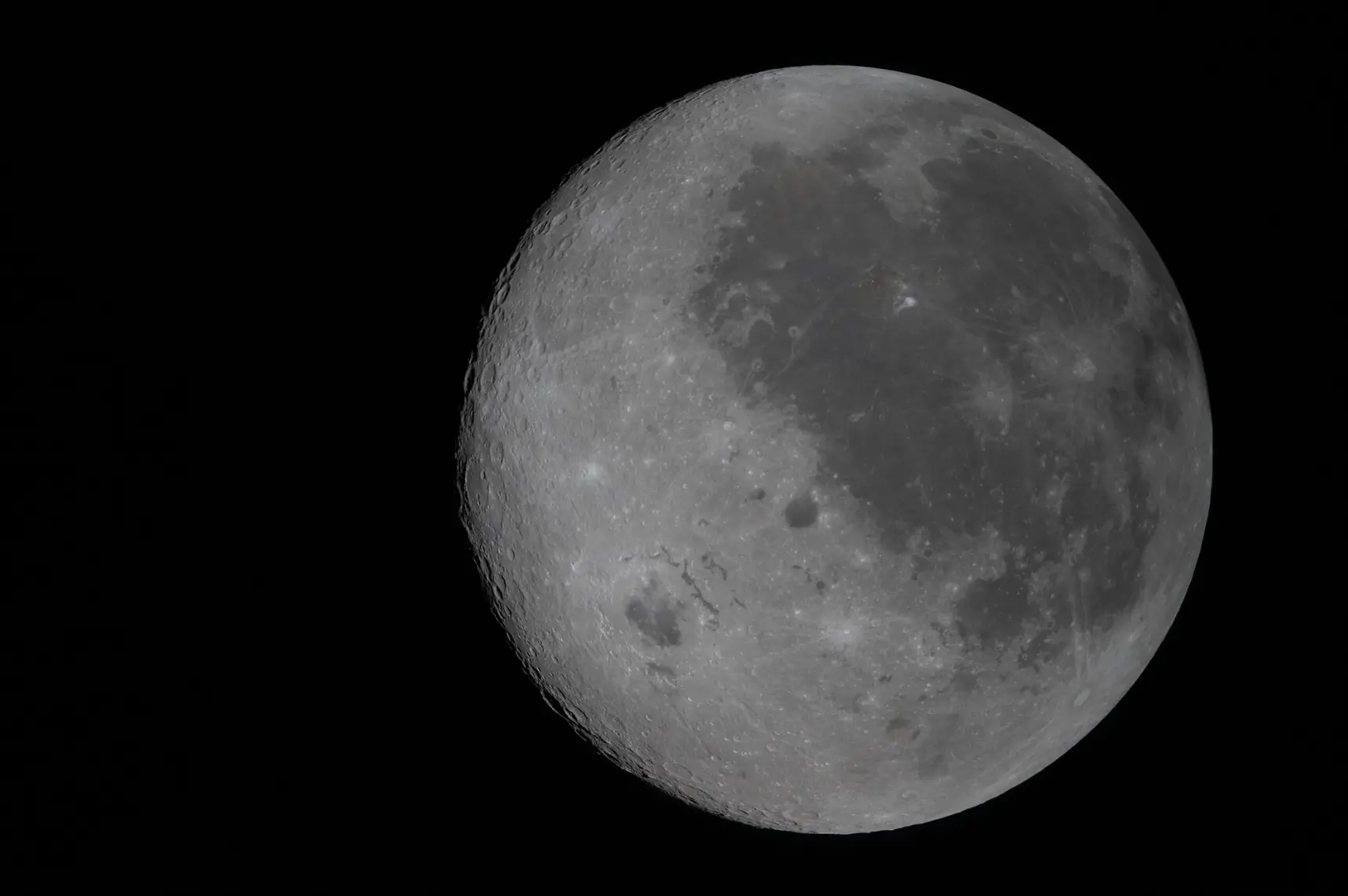
A full view of the Moon
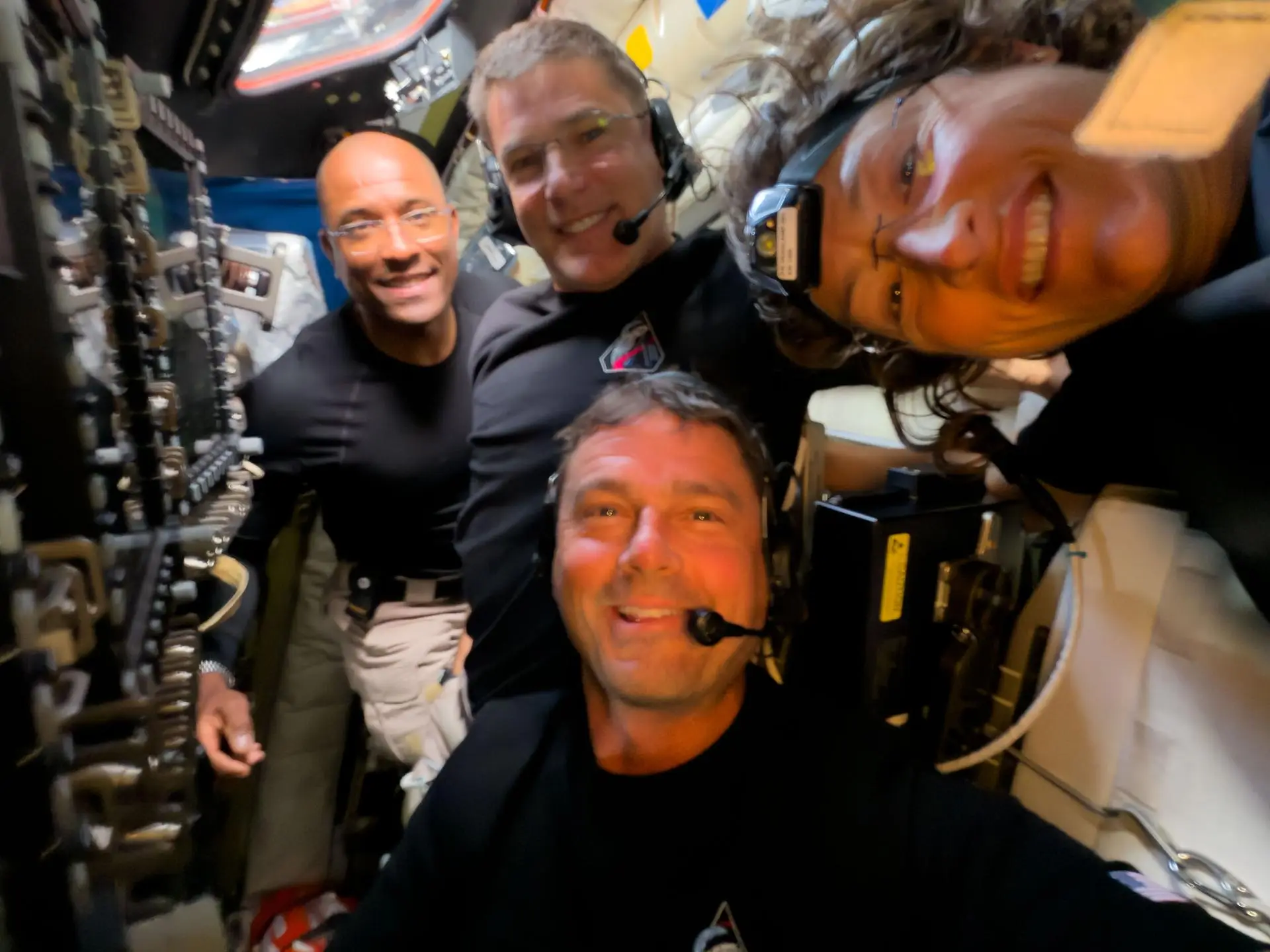
Time for a space selfie
A quick pit stop to snap the Milky Way

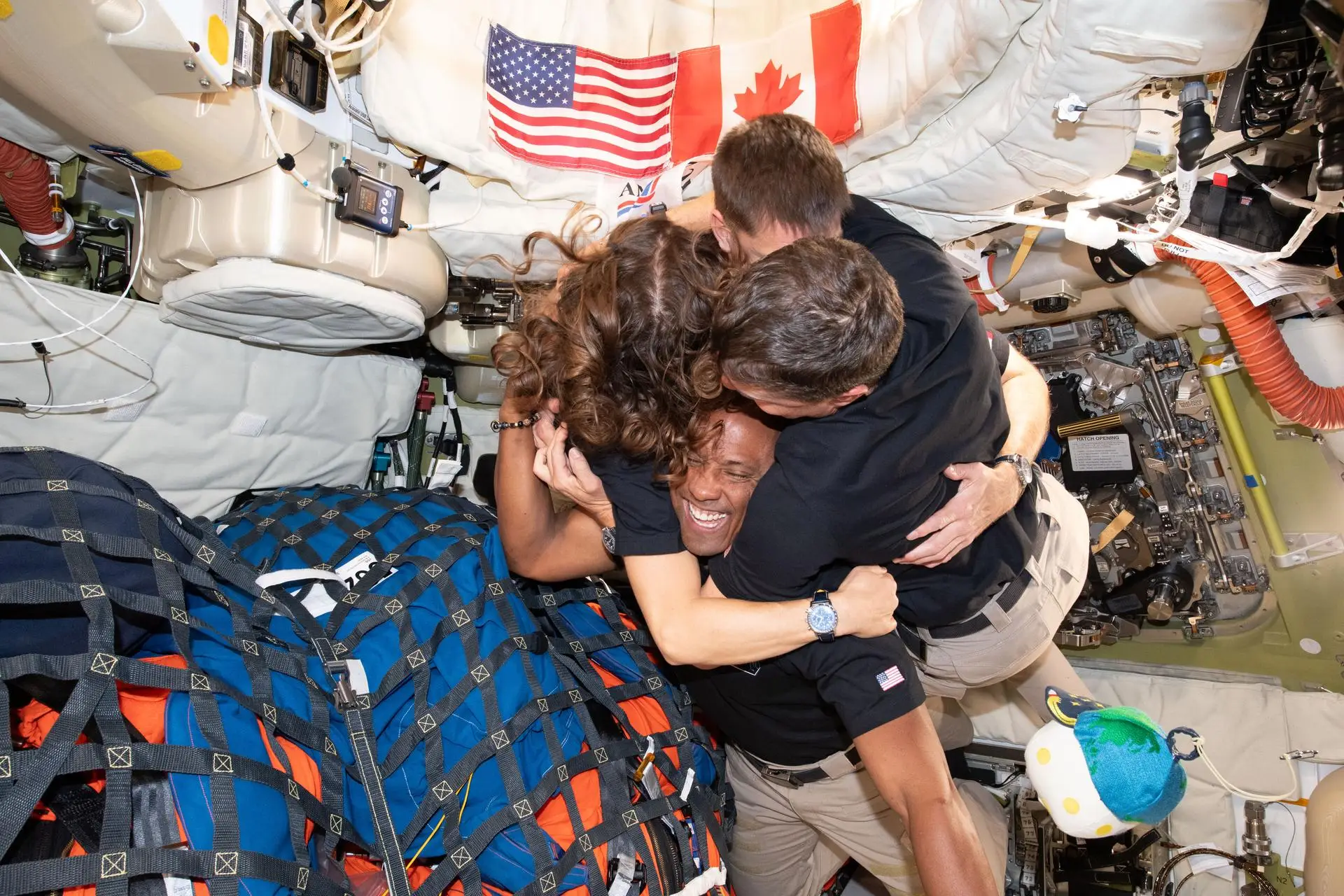
A space hug
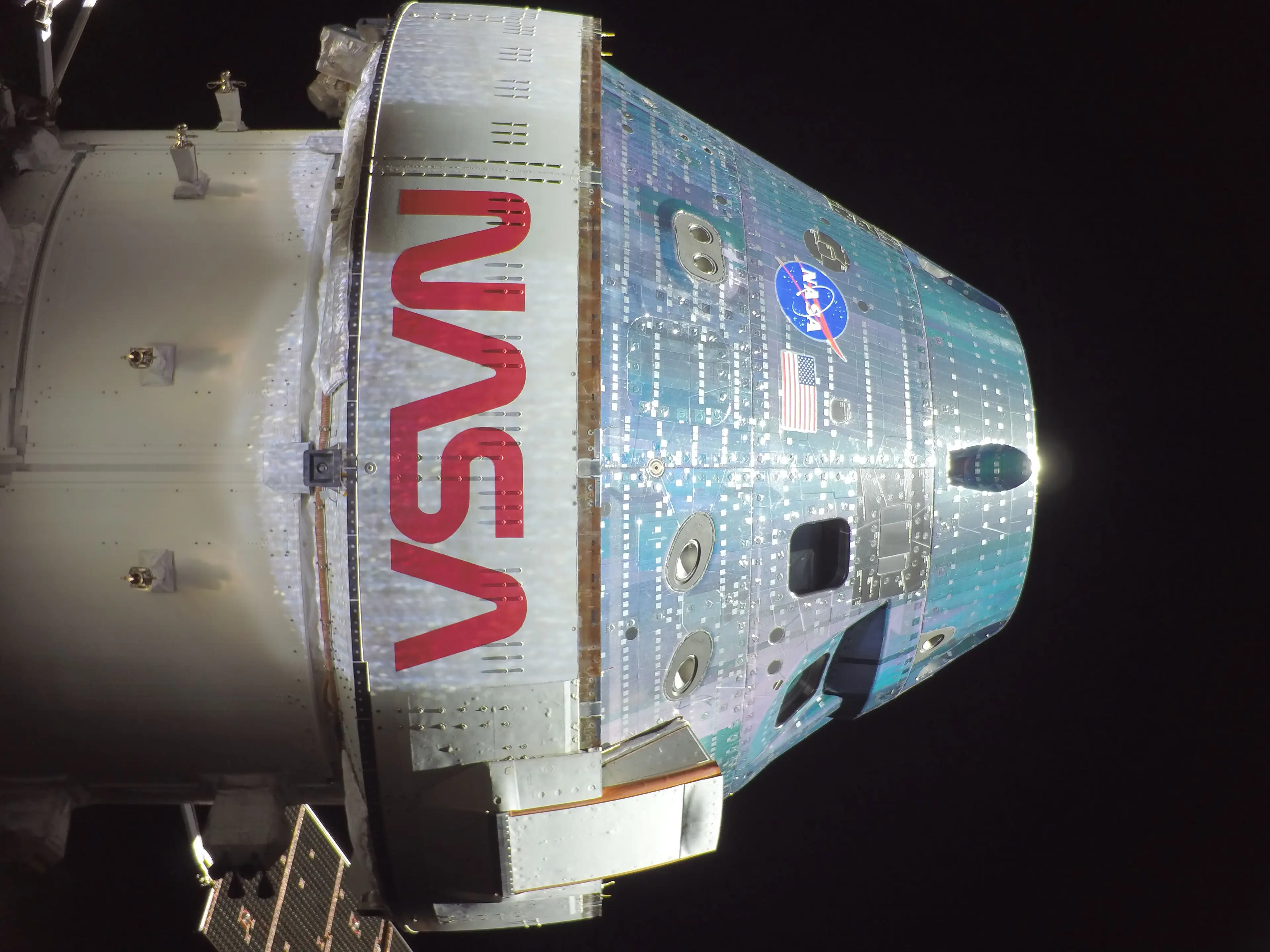
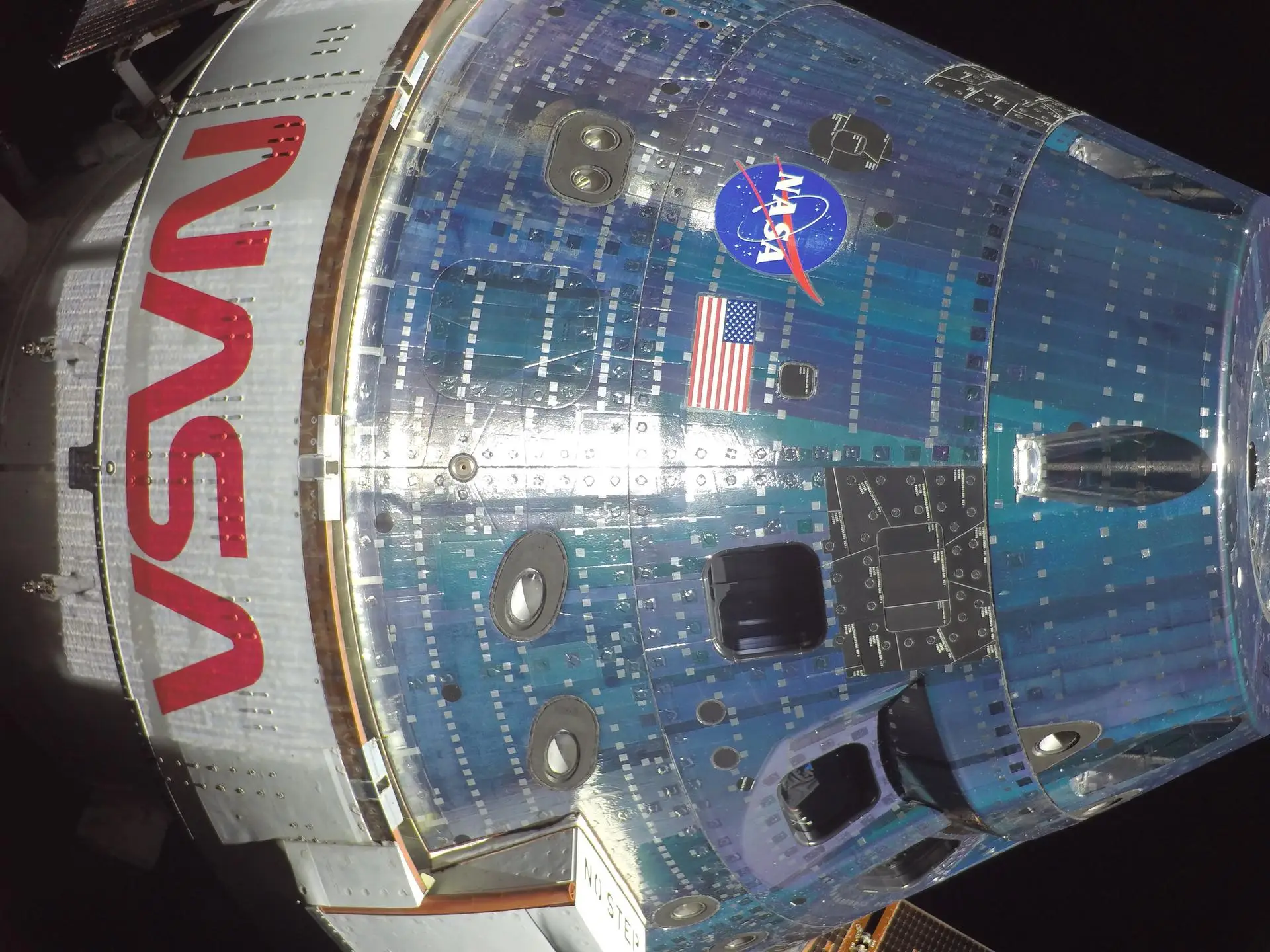
NASA’s Orion spacecraft in full view among the stars
Topics: NASA, Science, Space, World News
 Olivia Burke