
The Traitors' obsession with contestant's jobs is bizarre and it doesn't help you win

The Traitors season four has seen the contestants focus on each other’s jobs more than any other previous instalment of the show and honestly? It has been bizarre.
The latest season of The Traitors has seen Amanda talking non-stop about being a detective, fingers pointed at Hugo for being a barrister, and even Rachel bizarrely claiming to have received FBI micro expression training.
All in all, jobs and supposed ‘training’ have been a core part of this year’s banishments and accusations.
The BBC TV show obviously encourages the contestants to try and root out who amongst them in lying and, in theory, this would of course give contestants like Amanda an advantage.
Advert
Amanda’s post-banishment reveal that she was a Met Police detective for years led to one of the biggest showdowns in The Traitors history and had contestants convinced that her suspicions of Jade must be correct.
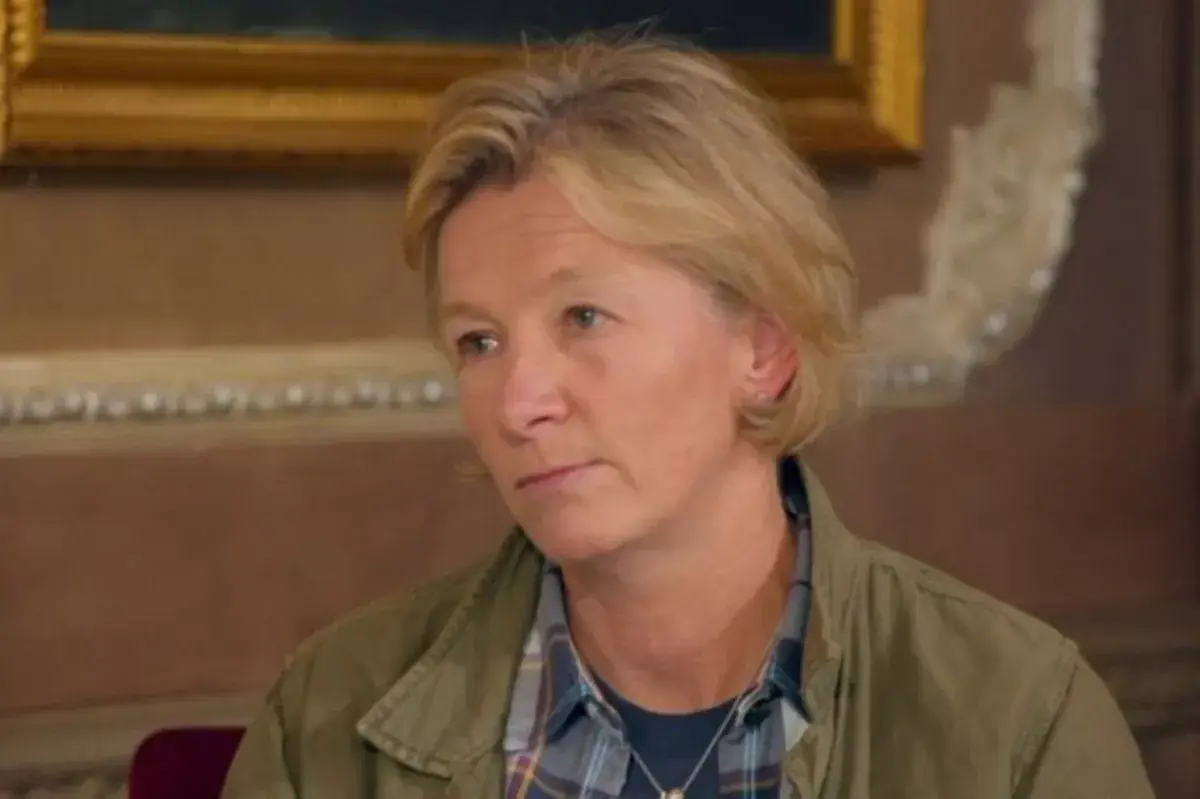
Ultimately though, the stats show that your job really doesn’t matter and her reveal if anything proves that that fact.
Previous winners of The Traitors show that detectives and barristers don’t actually have an advantage
Based on this season of The Traitors, you’d think that every single winner had been a gritty detective rooting out the non-faithful using their years of experience. Looking at the winners though – the opposite actually becomes clear.
Season one’s winners were an estate agent, a social care worker, and a call centre agent.
Season two’s iconic first Traitor winner Harry was an army engineer, and season three was won by a fellow ex-soldier and a project manager who had previously worked as a professional cerebal palsy footballer.

Add in the celebrity version of the game being won by Alan Carr, a comedian who was called the ‘worst Traitor ever’ early on in the game, and it shows that in actual fact jobs have far less of an effect than they are touted to.
Carr's success, and Stephen Fry's abject failure as a prominent Faithful, also points to another important part of The Traitors - ultimately it's not about knowledge, it's about emotional intelligence, and anyone of any job can have that.
Harriet has revealed why she thought Amanda’s job didn’t actually benefit her
If you’re looking at people whose jobs seemed to help them out on the show, Harriet shows both the pitfalls and benefits of this.
The former barrister and acclaimed crime thriller writer rooted out three different Traitors whilst detective Amanda was still in the other room glaring daggers at Jade, but ultimately, she still got booted after overplaying her hand.

Speaking exclusively to LADbible, Harriet spoke about why Amanda’s job didn’t necessarily help her out.
She said: “I operate on vibes. I operate on gut feeling. I operate on instinct. I imagine that police officers have those things, if not trained out of them, they are trained at least to cross-examine that in themselves more strongly.”
She also added: “I think being overskilled and overtrained for this is probably not the best idea.”
Harriet felt that, whilst her job as a crime writer might have made her ‘overqualified’ and helped her root out traitors, she actually ‘wasn’t a good Faithful when it came to gameplay’.
She said: “The way to survive Traitors, is that you keep your head down, you don't get noticed, and you hope that you'll be there at the end so that you can go in for the kill.
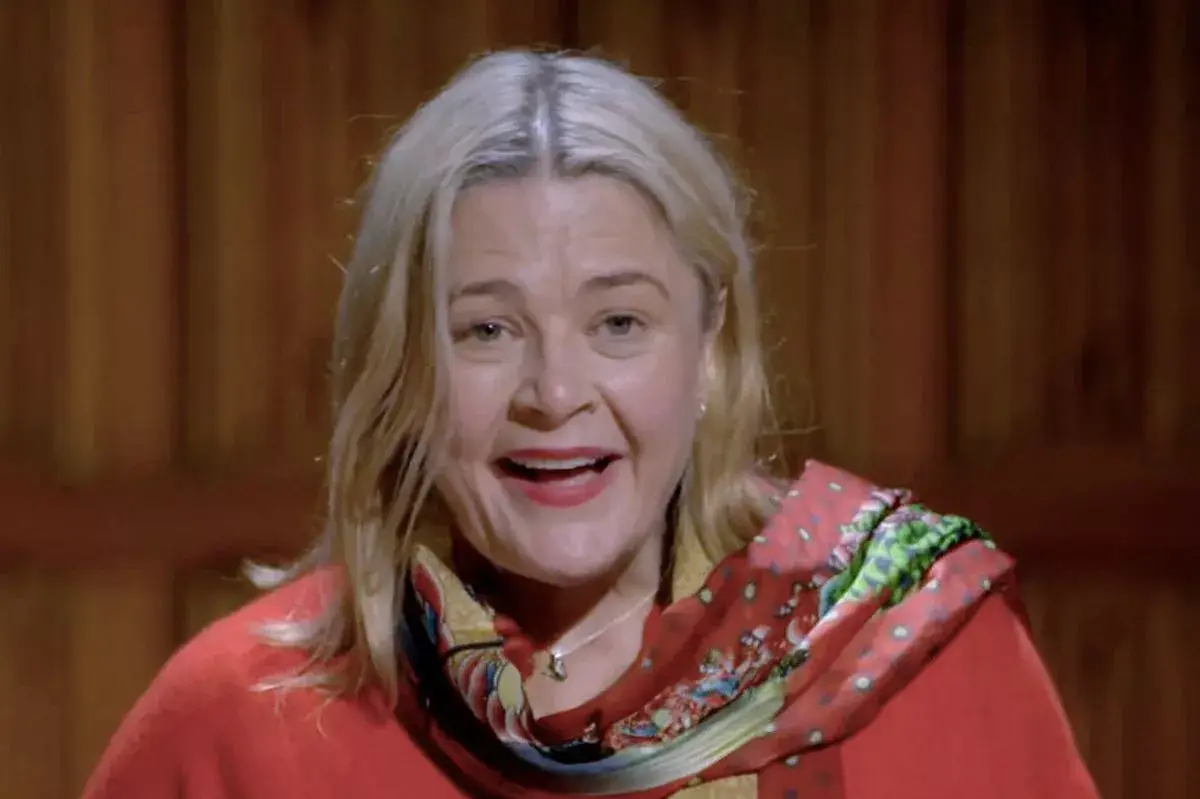
"I think if you're a highly emotional person, which I am, that was never really going to work."
Ironically, she actually said that too much was made of her experience as a barrister, adding: "I think that me being a barrister to carries a lot more weight than it actually deserves because I left 20 years ago.
"And I wasn't very good. I wasn't very good at it because I'm too emotional. I mean, I think we might have seen that on screen that, when it comes to a certain point under pressure, I don't keep my cool."
Ultimately the more you look into The Traitors the clearer it is that being a detective, a barrister, a psychic, or an FBI micro-expressionist (is that a job?) doesn’t actually give you an advantage: it’s mostly a combination of luck, emotional intelligence, patience, and an ability to fly under the radar until the time is right.
Interview conducted by Jess Battison.
Topics: BBC, TV, TV and Film, The Traitors, UK News
 Michael Slavin