BAFTA winner admits she was ‘kept awake at night’ as she speaks out on racial slur incident

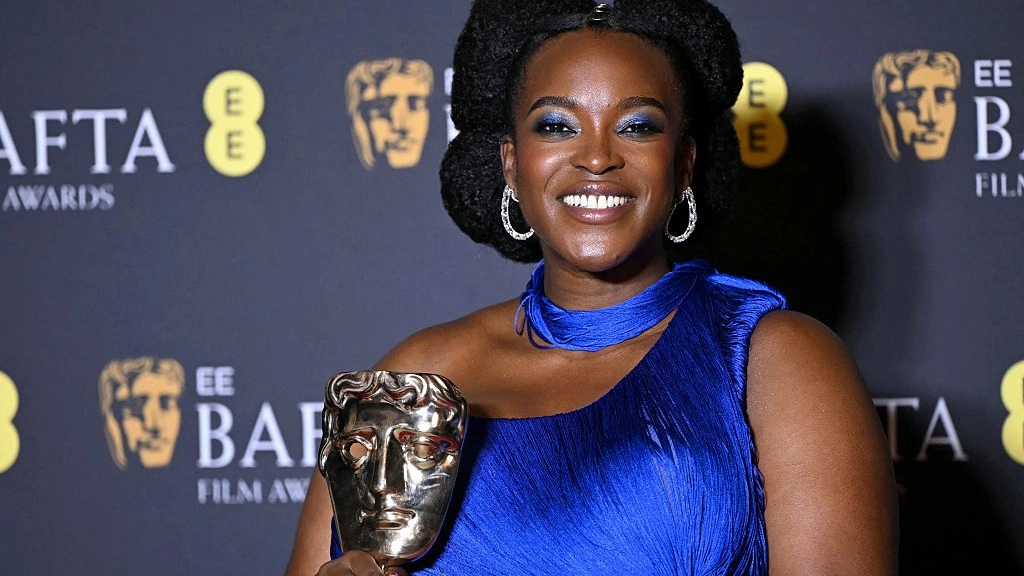
BAFTA winner Wunmi Mosaku has revealed she was 'kept awake at night' following the racial slur incident at the BAFTAs.
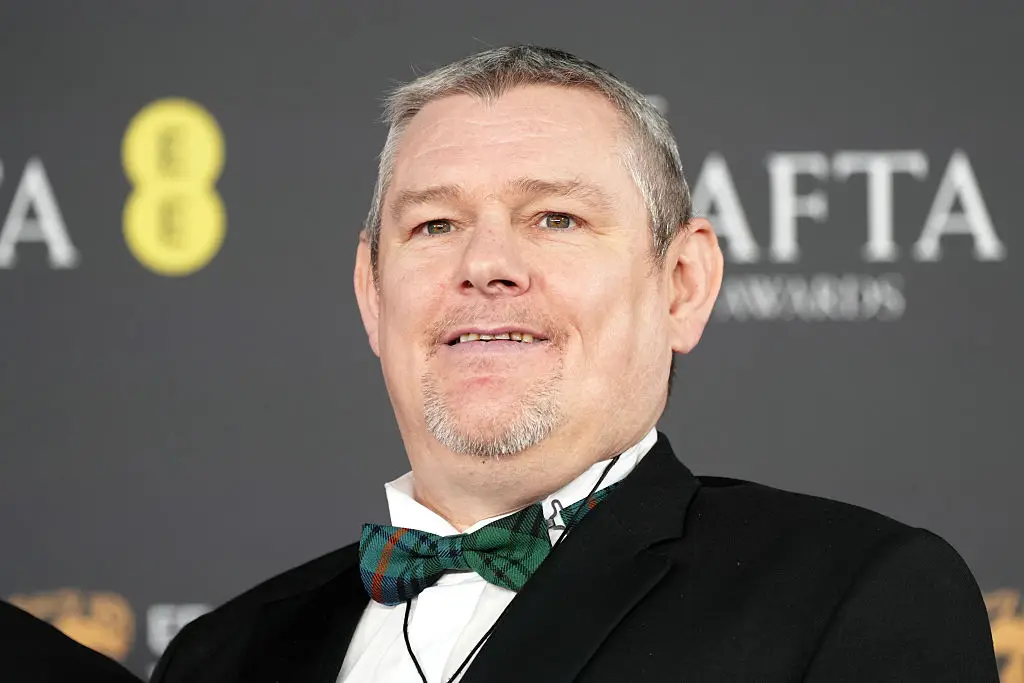
There was controversy at last week's BAFTA awards after Tourette's campaigner John Davidson shouted the N word involuntarily while actors Michael B Jordan and Delroy Lindo were onstage to present an award.
The tic was subsequently aired in TV coverage of the awards ceremony, despite a two-hour delay, after producers did not hear it while editing.
Both the BBC and BAFTA have since apologised for word being broadcast while Davidson, who was there to promote the film I Swear, has released a statement saying his use of the word was 'an involuntary neurological misfire' and not reflective of his beliefs.
Advert
Now Sinners star Mosaku has spoken out about the incident, revealing the moment 'really tainted' the event for her.
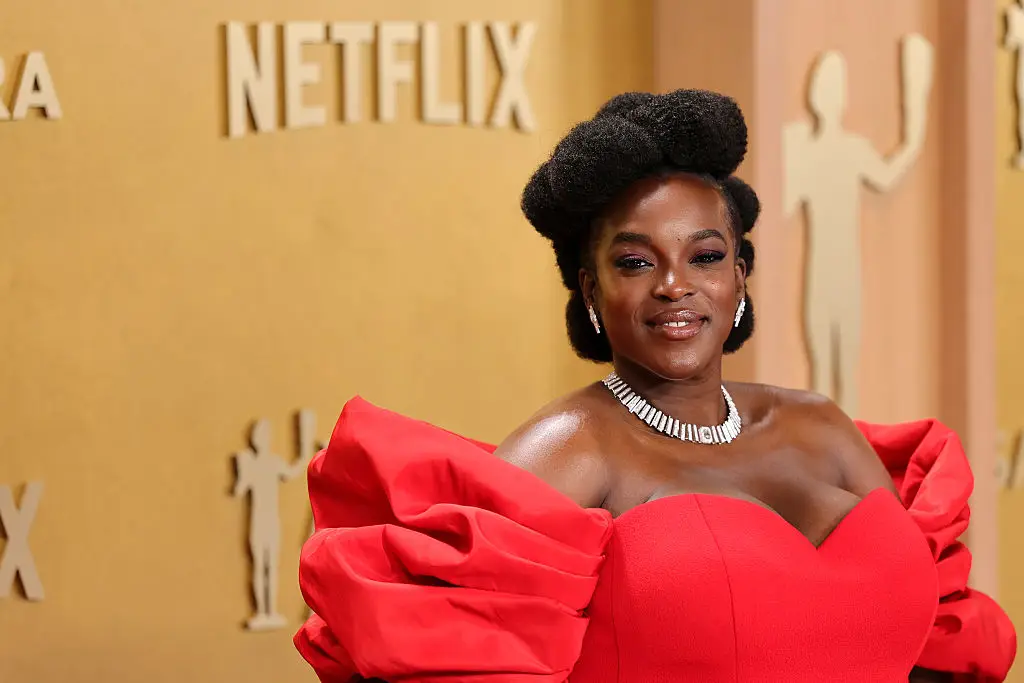
"I was there and it was painful to have that celebration kind of really tainted for me," she told Entertainment Tonight.
Mosaku, who won the 'Best Supporting Actress' award for her role in Ryan Coogler's vampire horror, went on to say that she had 'no hard feelings' towards Davidson but added that she was disappointed in how it was handled.
"I have no hard feelings towards John Davidson at all. He has a condition. I feel like BAFTA has a lot of lessons to learn," she continued.
"It felt exploitative and performative to have someone there without the full protection of everyone, including him, and anyone in that audience."
Addressing the fact that Davidson's tic was aired to viewers at home, Mosaku added: "That’s the bit that really kind of kept me awake at night and brought tears to my eyes.
"I was like, you really chose to keep that in? I can’t understand it, and I’m not sure if I can forgive it."
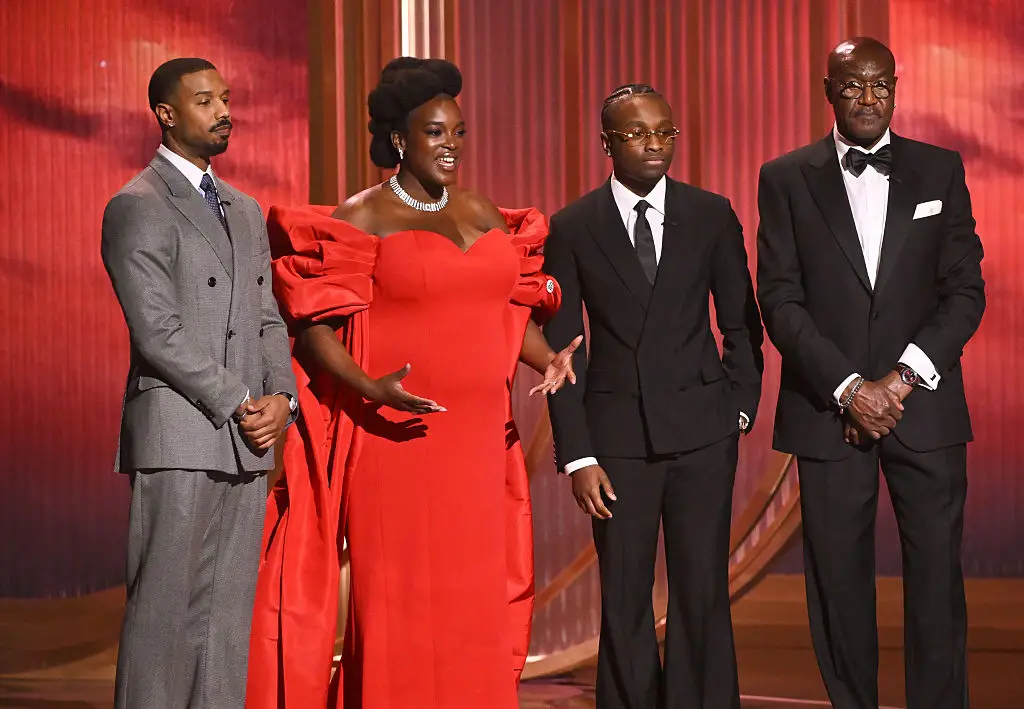
The 39-year-old's comments come after Lindo spoke out about the situation, revealing that he wished 'someone from BAFTA spoke to us afterward'.
Meanwhile Davidson issued a lengthy statement to Variety in response, explaining that his tics 'are not an intention, not a choice and not a reflection of my values'.
"Tourette’s can make my body or voice do things I don’t mean, and sometimes those tics land on the worst possible words. I want to be really clear that the intent behind them is zero," he said. "What you’re hearing is a symptom — not my character, not my thought, not my belief."
He also criticised the mic placement on the night, saying: "I have made four documentaries with the BBC in the past, and feel that they should have been aware of what to expect from Tourette’s and worked harder to prevent anything that I said — which, after all, was some 40 rows back from the stage — from being included in the broadcast.
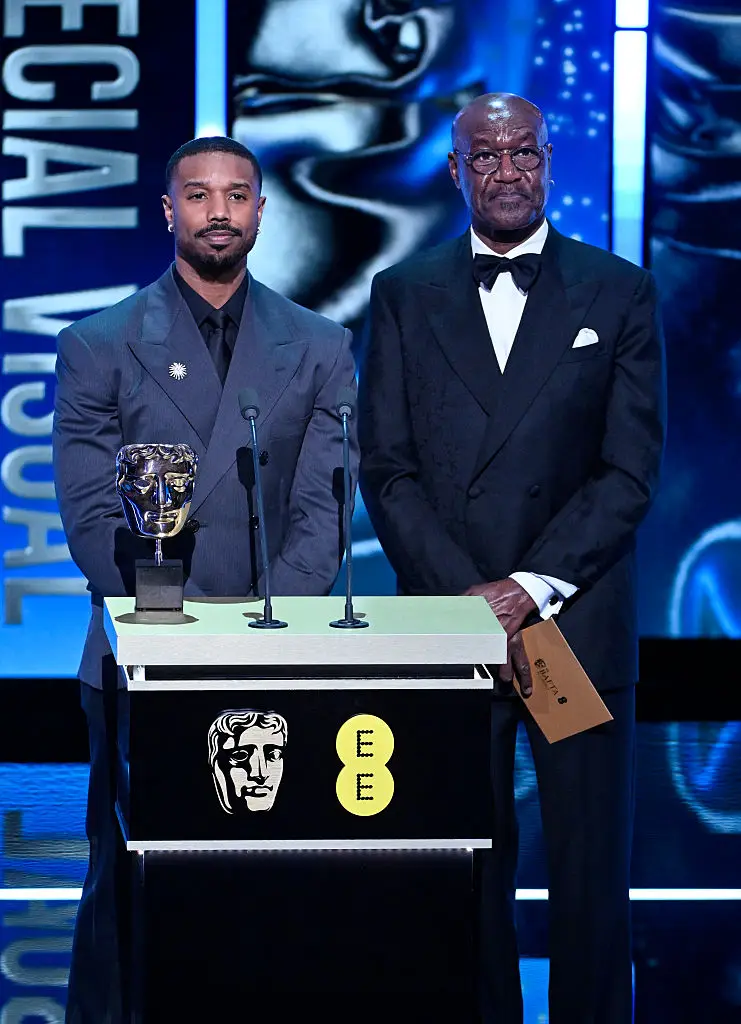
"As I reflect on the auditorium, I remember there was a microphone just in front of me, and with hindsight I have to question whether this was wise, so close to where I was seated, knowing I would tic."
Responding to the backlash, a statement from BAFTA read: "At the BAFTA Film Awards last night our guests heard very offensive language that carries incomparable trauma and pain for so many.
"We want to acknowledge the harm this has caused, address what happened and apologise to all.
"We take full responsibility for putting our guests in a very difficult situation and we apologise to all. We will learn from this, and keep inclusion at the core of all we do, maintaining our belief in film and storytelling as a critical conduit for compassion and empathy."
"Some viewers may have heard strong and offensive language during the BAFTA Film Awards. This arose from involuntary verbal tics associated with Tourette syndrome, and as explained during the ceremony it was not intentional," the BBC said in a statement.
"We apologise that this was not edited out prior to broadcast and it has been removed from BBC iPlayer."
A BBC spokesperson added: "The BBC has been reviewing what happened at BAFTA on Sunday evening. This was a serious mistake and the Director-General has instructed the Executive Complaints Unit (ECU) to complete a fast-tracked investigation and provide a full response to complainants."
 Brenna Cooper