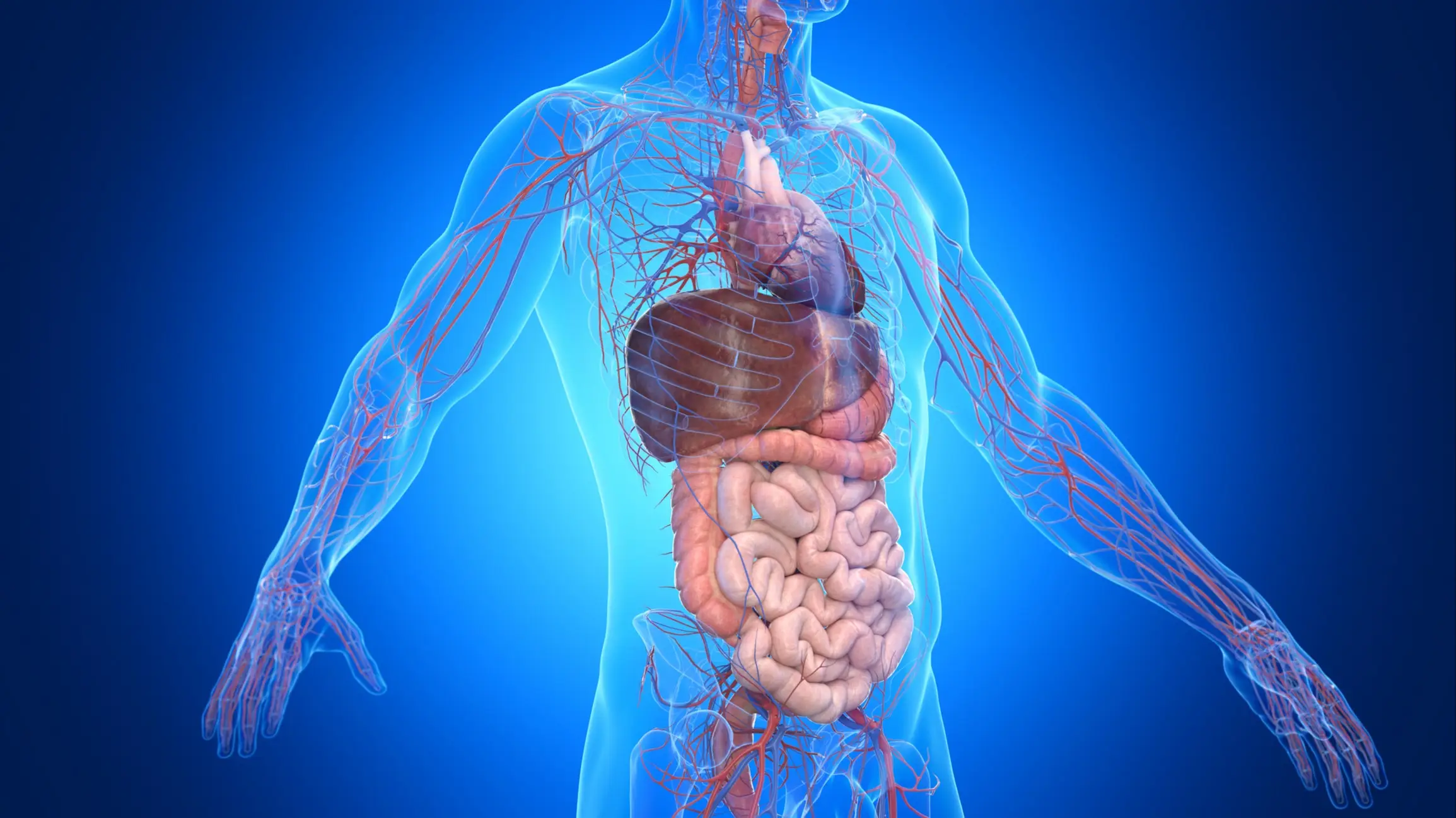
Sobering simulation shows what happens to your body while fasting for 24 hours to achieve ‘deep repair’

Fasting is a trend that has been taking off in recent years, but there's now a lot more information about what it does to your insides as you stop yourself from getting sustenance for a period of time.
This includes simulations, which visualise the process as your body transforms and adapts and even health benefits from a lack of calories.
Fasting for a set amount of time as a routine is often referred to as intermittent fasting, and commonly, social media trends show this comes in a six-hour, eight-hour, and all the way up to days or even a week of refusing to eat to reap its supposed rewards.
Apart from water and some herbal teas, a person isn't supposed to consume anything that could get their juices flowing.
Advert
While a faster might be able to feel it all happening after some time, seeing it is another thing entirely.
Which is why it's a good thing there's a simulation video available for you to watch.

Would you be surprised to learn that humans in the past were used to irregular meals?
It sounds like a daunting prospect, as in yesteryear, our ancestors would make do when food wasn't available.
This forced them to fast for long periods of time, a concept that might seem alien to the majority of the modern population.
Food is available from various sources nowadays, as Dr Vicki Catenacci, a nutrition researcher from the University of Colorado noted: “This has shifted our eating patterns.
“People now eat, on average, throughout a 14-hour period each day.”
So, what happens when we forgo our regular meals and fast for a 24-hour period to do a 'deep repair' on our body?
Well, people usually try to do this in an effort to clear dead cells, regenerate tissues, and even boost metabolism in a full biological reset over the course of a day.
Four hours of fasting
According to a simulation from GrowFit Health on YouTube, you may start to feel a little hungry as your body stops digesting food, causing your insulin levels to drop.
Your body will then start burning stored sugar as an energy source, starting the first of several processes.
Eight hours of fasting
Blood sugar levels start to run low, so your body resorts to using glycogen from storage as energy.
Things might start to get more difficult here, despite only being a third of the way through.
12 hours of fasting
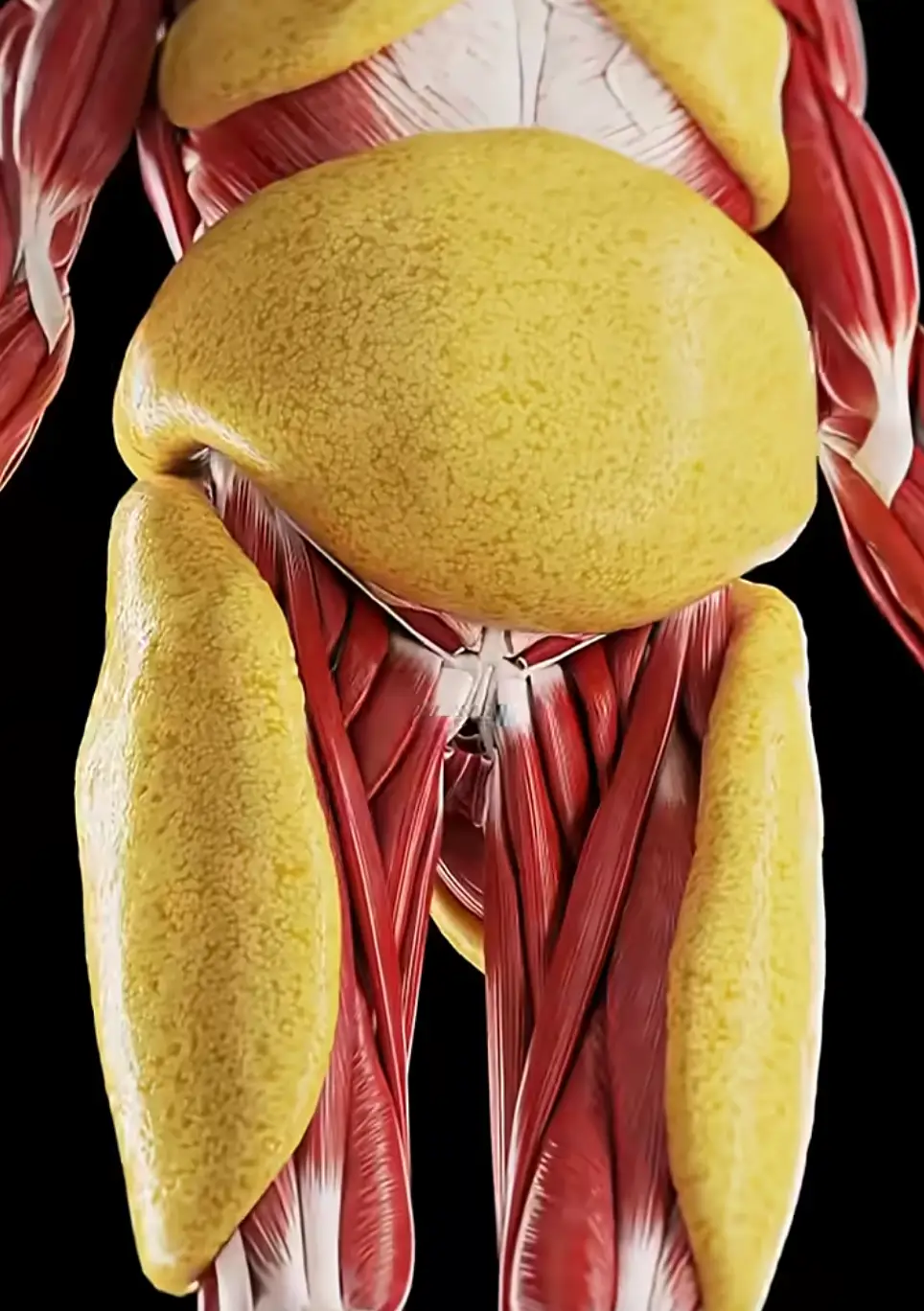
This is when your body enters mini-ketosis mode, which is where the body produces and uses ketone bodies, essentially turning fat into fuel.
According to Healthline, this can result in decreased appetite and weight loss, but also fatigue.
16 hours of fasting
After two thirds of the 24-hour period, autophagy begins and your body begins to consume its own tissue, by recycling and breaking down damaged cells and toxins.
It has plenty of health benefits, such as getting rid of nonfunctional cell parts, and even removing viruses and bacteria, according to Cleveland Clinic.
While a moderate level of autophagy takes place during fasts of between 12 and 16 hours, you really want to avoid food for between 24 and 48 hours to get the full benefit.
You may be desperate for that meal, but it's only one sleep away.
24 hours of fasting
After 24 hours, this is when 'deep repair' mode takes place, as fat becomes your main fuel.
Inflammation in the body decreases as your sensitivity to insulin improves, in what could prove to be a healthy method for your body in the long-term.
Topics: Health, YouTube, Food And Drink
 Joshua Nair