Doctors reveal how 'ferritin face' trend could be a sign of other health issues

Ferritin face, it's a phrase which has gone viral on social media in the past couple of weeks – but how accurate is this online 'diagnosis'?
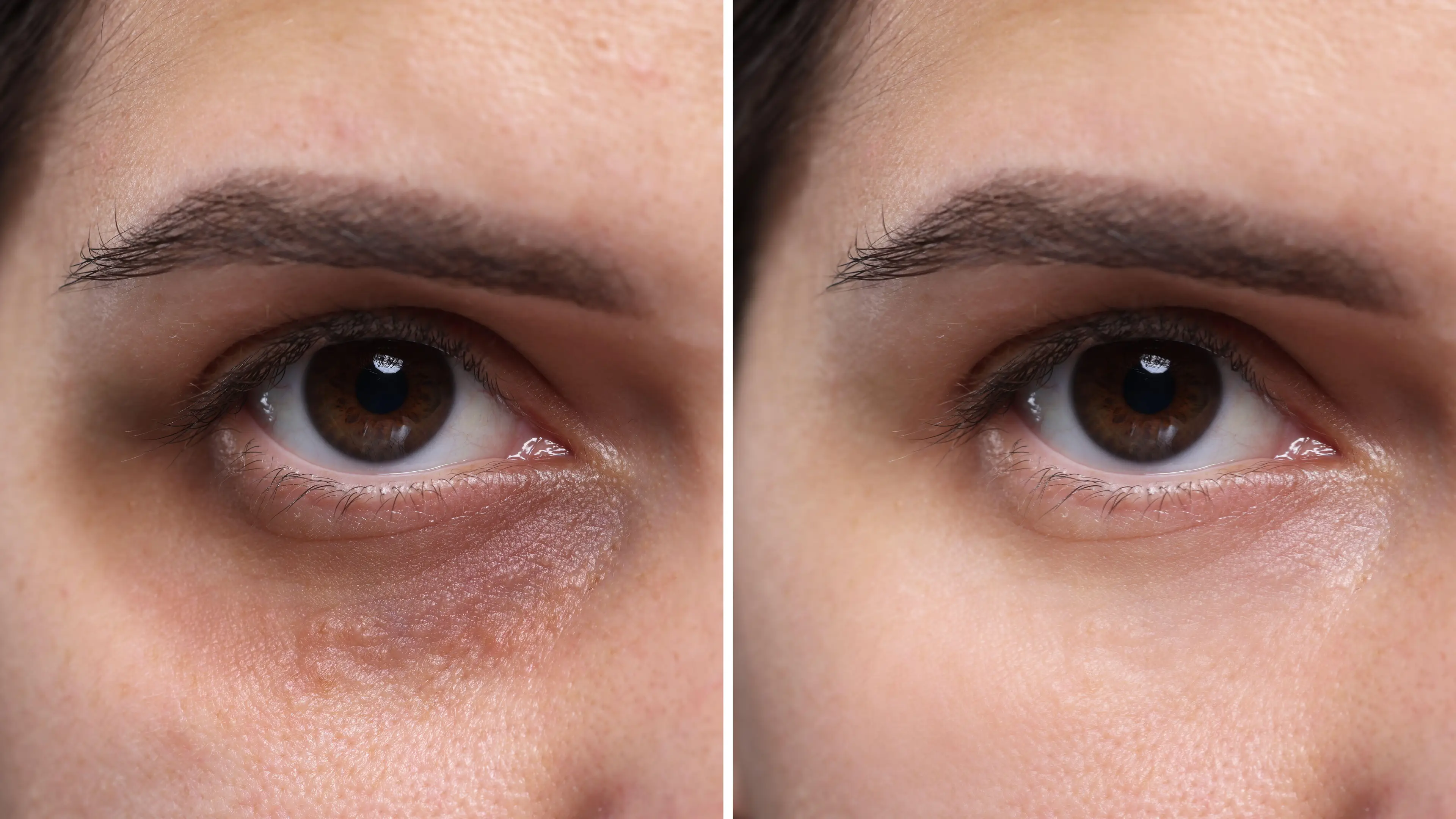
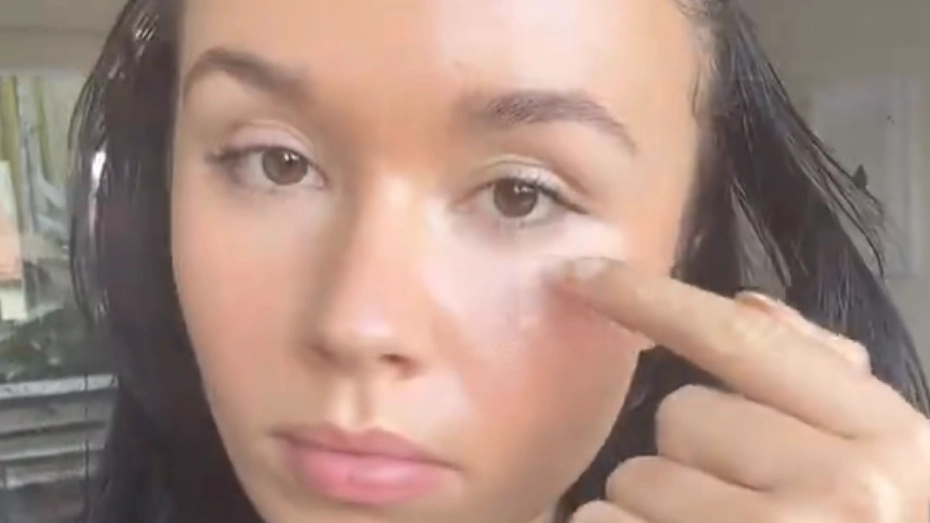
For anyone who doesn't spend their days scrolling through Instagram or TikTok, 'ferritin face' is a term coined by people claiming that having low levels of iron or ferritin, which is the protein which stores iron) can lead to a person having a pale, dull complexion as well as under-eye bags, hair shedding and cracked lips.
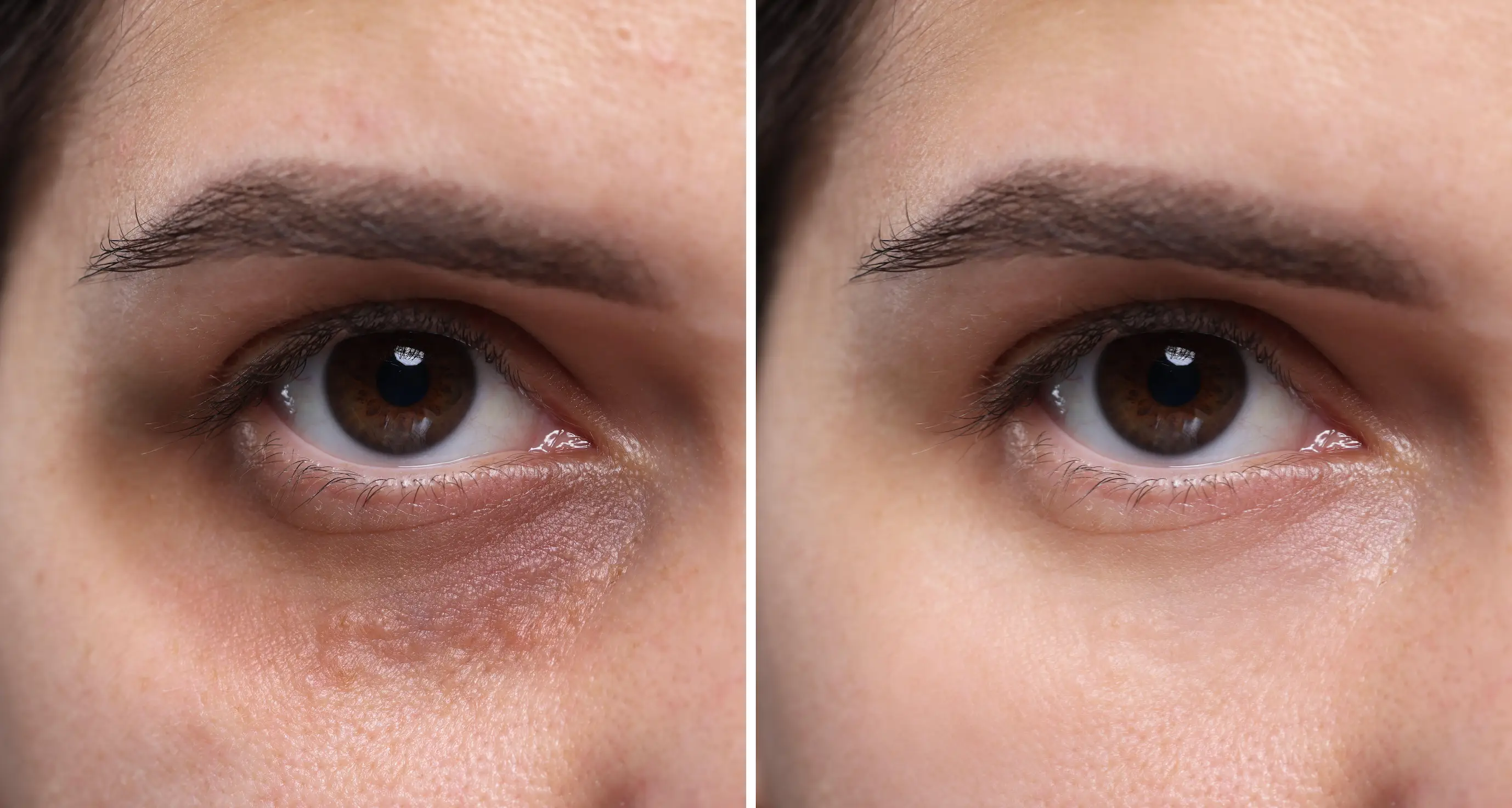
While the trend is filled with images of people comparing 'before and after' shots of their skin, with some claiming that supplements have led to a noticeable change, medical experts have been more sceptical.
"Social media trends aren’t a reliable way of assessing anyone’s health, and might actually prevent you from getting the right help," Dr Daniel Atkinson, a Clinical Lead at Treated, told LADbible, adding that a 'bad night’s sleep, dehydration, or stress' can all lead to a person looking less 'fresh-faced' than normal.
Advert
Meanwhile, Dr Carol Ndlovu, a GP and Medical Director at DocTap, added that social media trends such as ferritin face 'oversimplifies' how deficincies are diagnosed.
"While iron-deficiency anaemia can cause paler skin and tiredness, dark circles, dull skin or looking exhausted aren't reliable signs of low ferritin," she said.
"There's no medically recognised condition called 'ferritin face', and you can't diagnose iron deficiency just by looking at someone."
Ferritin face could also be a sign of other underlying health conditions
Symptoms such as paler than normal skin, fatigue, breathlessness and hair loss are also not exclusive to low levels of ferritin, as Dr Atkinson explained that conditions such as low folate, B12 or an underactive thyroid can also cause similar symptoms.
These types of symptoms can occur if your vitamin D levels are low, for example, which is a common occurrence for people in the UK during winter," he explained.
"Low B12 or folate levels could cause these symptoms, as could an underactive thyroid. If you have asthma that isn’t well managed, paleness and shortness of breath might be an indication that you need to use your inhaler, or review your treatment more generally."
Meanwhile Brandon Richland, plastic surgeon and founder of Richland MD, added that symptoms associated with low ferritin levels can also be down to genetic conditions, allergic reactions, thin skin, lack of hydration, poor sleep, lack of sunlight and aging, meaning that puffy undereyes don't necessarily mean you need to reach for the supplements.
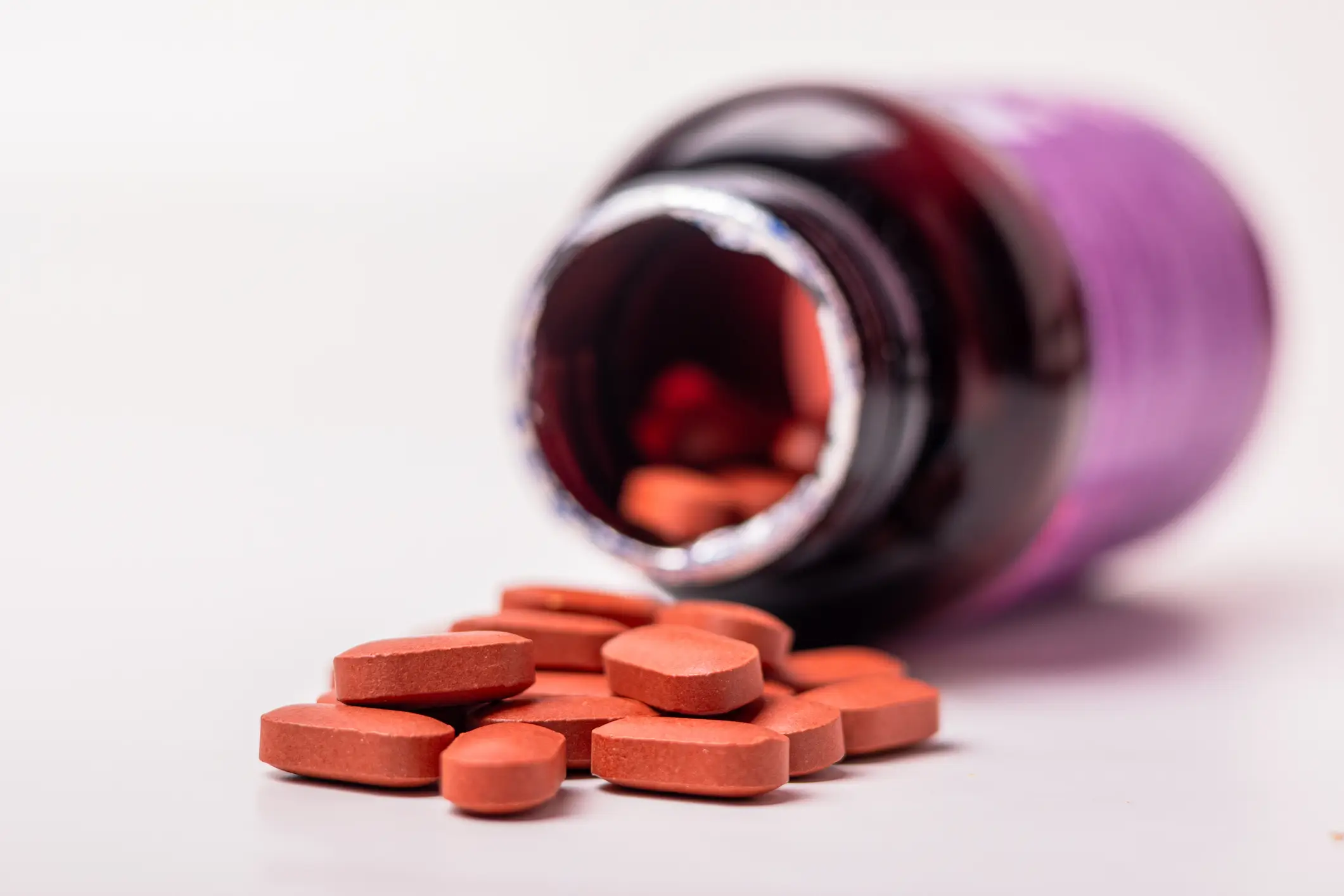
However not all medical experts were entirely critical of the trend, with Sulagna Misra MD BCMAS MSCP telling LADbible that she was 'glad' the trend was leading to conversations about low ferritin levels.
"If this 'viral trend' encourages people to ask more questions about their health, particularly women who have spent years being told their symptoms are normal and their labs are 'fine', then I’m glad we’re having this conversation," she said "But I’d rather see someone receive an appropriate medical evaluation than try to diagnose themselves in the mirror."
How to check if you're suffering from low ferritin
If you're concerned about your ferritin levels or are suffering from symptoms such as fatigue, hair shedding or a pale complexion, then the best way to get diagnosed with a potential deficiency is through a blood test.
"Blood tests are the only way to determine if your ferritin levels are low," Dr Atkinson said. "And routine blood tests that your GP can arrange will check for anything else that might be contributing to your symptoms, while also helping to rule out anything serious."
Topics: Lifestyle, Health, Viral, Social Media
 Brenna Cooper