Why blokes are suddenly taking recovery as seriously as training


Work hard, play hard. For decades, it was practically the unofficial motto of modern masculinity. Long hours at work, heavy sessions at the gym, big weekends with the boys — and very little consideration for what happened in between. Rest was for the weak, and the answer to almost everything was to push harder.
But thankfully, something a little less gruelling has entered the equation — recovery. The same guys who once measured their dedication in kilometres run and kilos lifted are focusing just as much on sleeping well, while swapping post-work pints for sauna sessions and cold plunges.
Working hard hasn't gone anywhere. But now, rest and recuperation is deemed just as important.
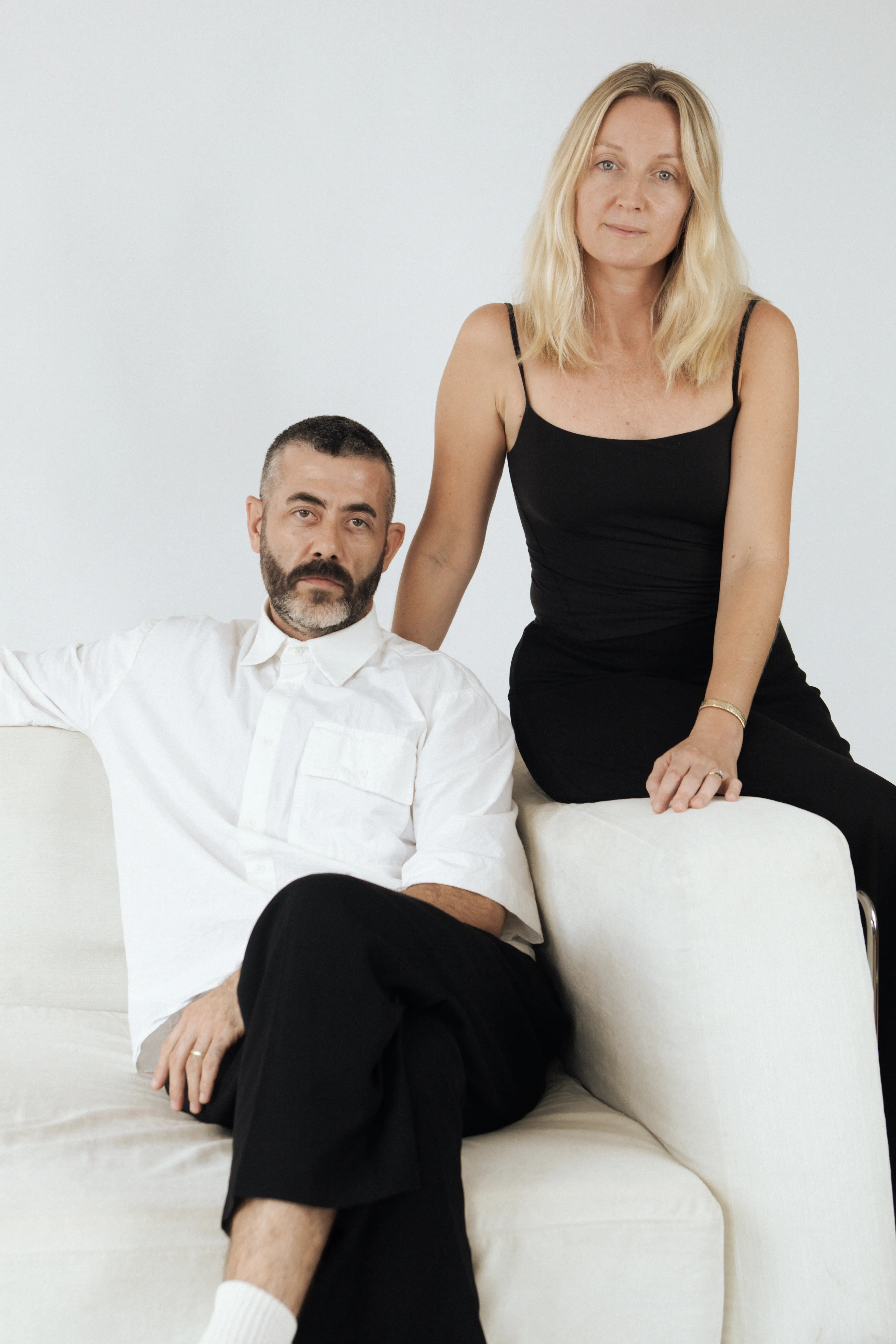
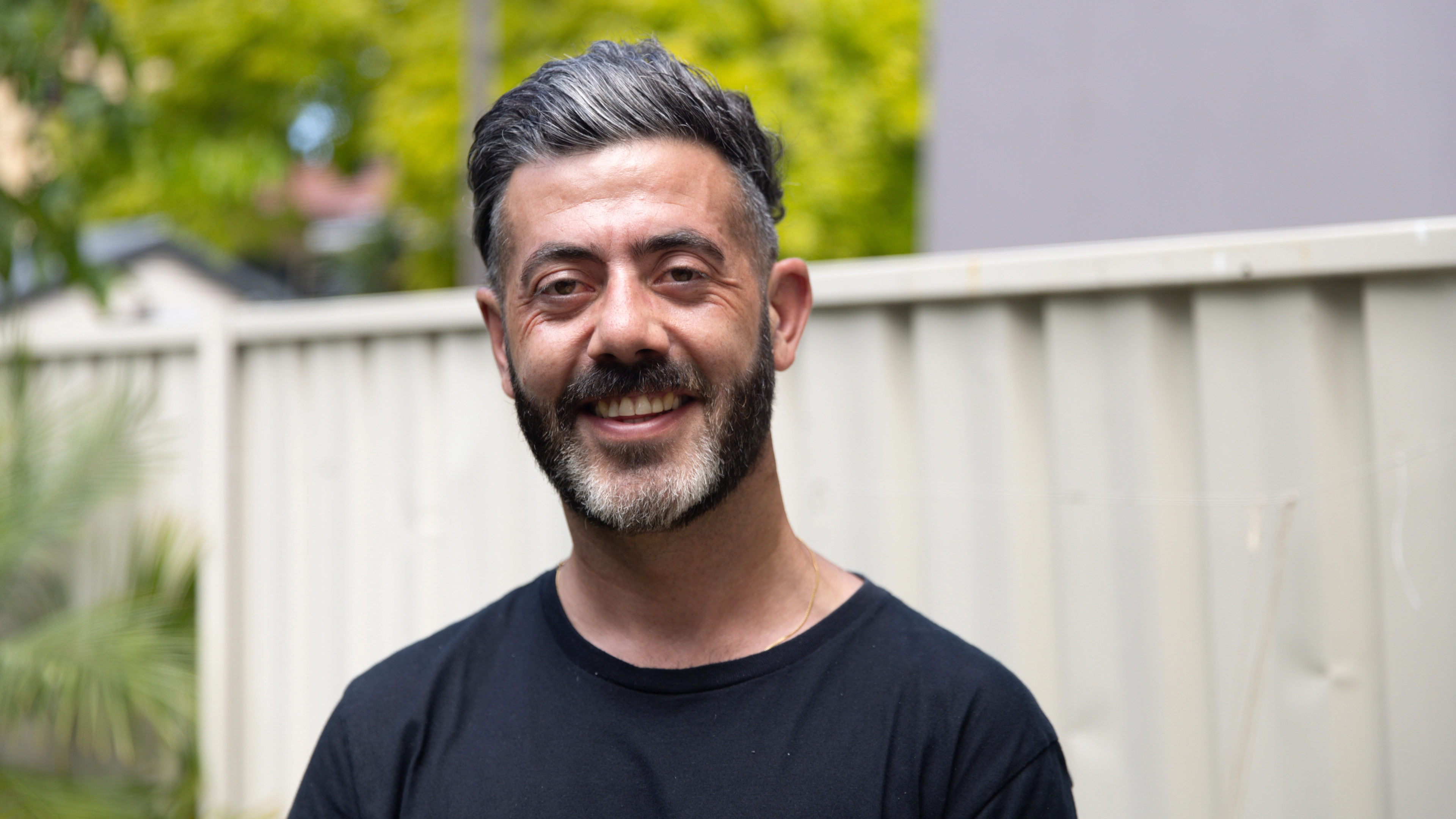
For Neil O'Sullivan, founder of Australian wellness brand Nimbus Co and a former semi-professional footballer, the importance of recharging is a lesson he learnt long before ice baths became commonplace. "Thanks to my dad, I learned that consistency beats intensity. Nobody gets fit in one session. You turn up, you recover, you go again."
In 2015, while grappling with autoimmune conditions, persistent fatigue, digestive issues and mental health challenges, O’Sullivan began questioning the toll his demanding lifestyle was taking.
His experience eventually led him to establish a series of infrared sauna studios, driven by a desire to make recovery a regular part of everyday life rather than something reserved for when we reach breaking point.
The shift is part of a wider evolution in men's wellness culture. Alongside traditional fitness pursuits, running clubs, breath work, wearable health trackers and restorative treatments are becoming increasingly mainstream. What was once largely the domain of professional athletes and die-hard wellness enthusiasts is finding its way into everyday routines, as men become more interested in understanding and managing their overall health.
Contrast therapy has become a big part of the wellness scene in recent years. In simple terms, the practice involves alternating between heat and cold, typically moving from a sauna into a cold plunge or ice bath. The sudden changes in temperature cause blood vessels near the skin to expand and constrict, stimulating circulation, while the heat encourages relaxation and cold immersion can ease post-exercise muscle soreness.
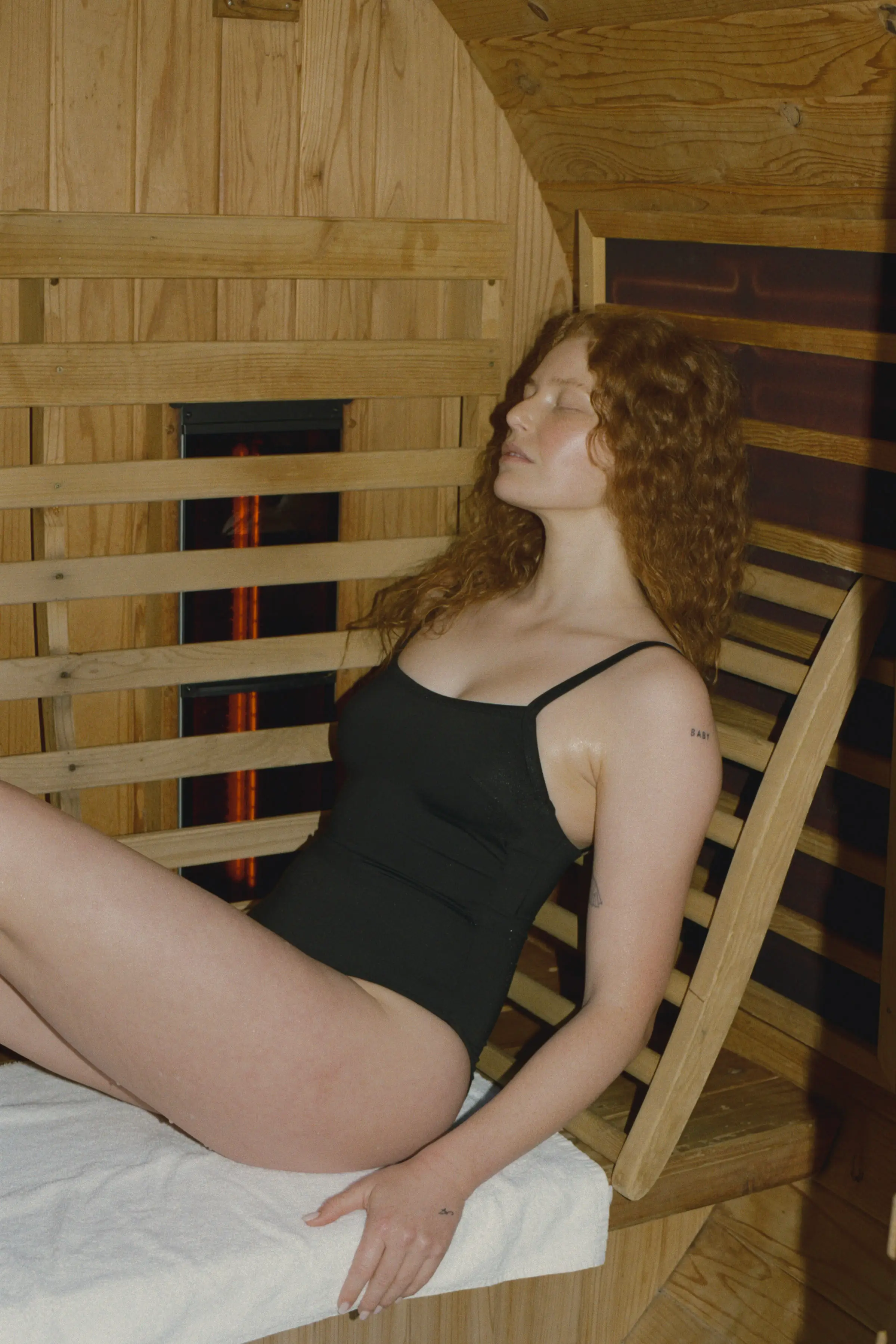
"It’s like an accordion. Dilate, contract," O’Sullivan explains.
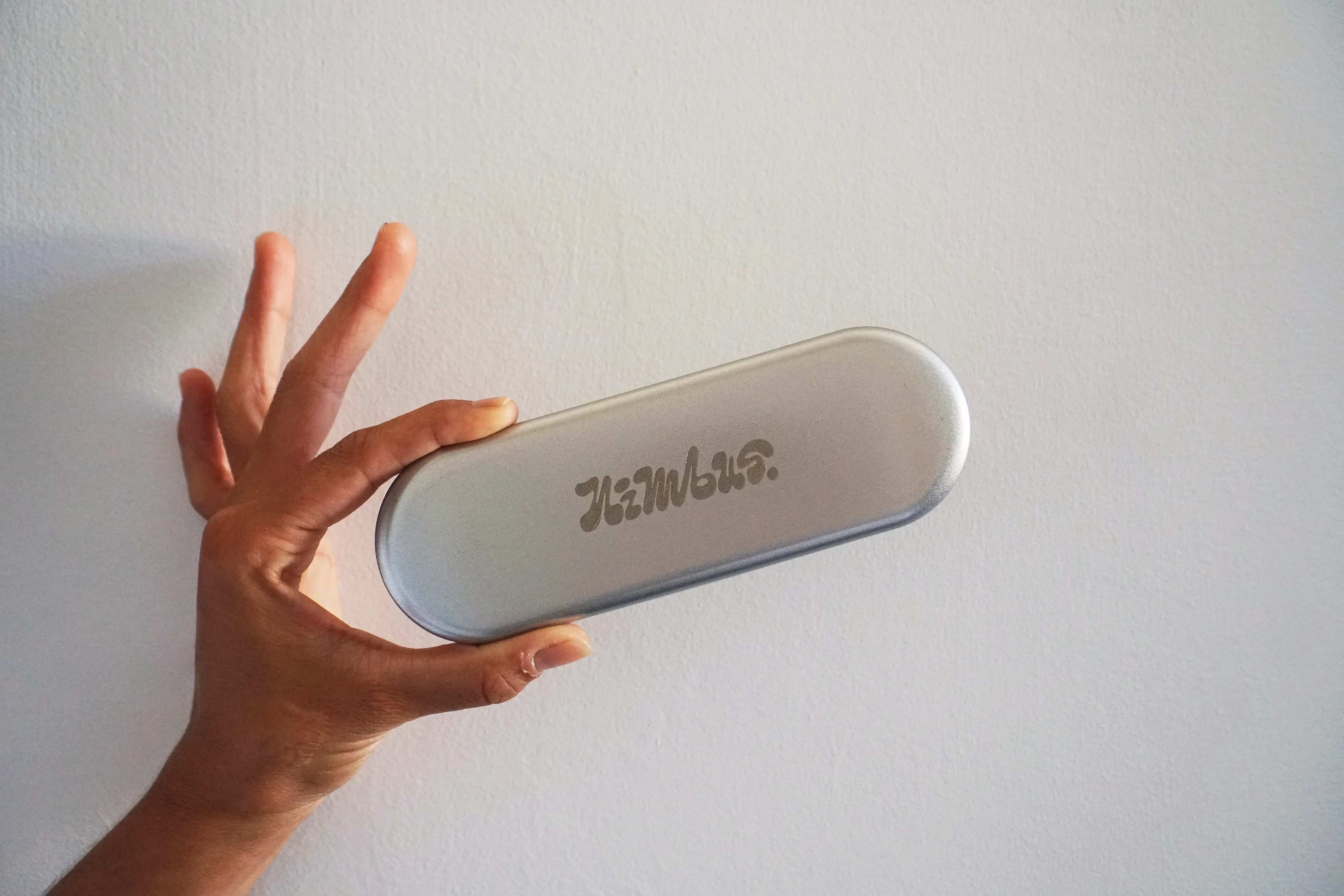
At Nimbus Co, visitors can move between communal saunas and cold plunge pools, but you don't necessarily need a studio membership to experiment with the practice. A home sauna followed by a cold shower offers an alternative literally on your doorstep. Crucially, there's no need to compete over how long you can withstand steaming or freezing temperatures. "Sometimes my body tells me, that’s it for today, and I don’t push it. There are no medals, remember" says O’Sullivan.
Recovery also goes well beyond the physical. "Men are still bad at saying ‘I’m not great’," says O’Sullivan.
"I want guys to know that looking after your head is just as normal as looking after your body, and it’s okay to talk about it before things get heavy." While conversations around men's mental health have become more accepted, he believes there's still a reluctance to move beyond surface-level check-ins. Rather than simply asking a mate if he's OK, he suggests a more specific question — "How are you feeling? Out of 10?" (And don’t let them say seven!)
This straightforward philosophy underpins O’Sullivan’s mental health podcast, These Lads Are Mental, which aims to make conversations about men's emotional wellbeing feel less daunting through candid, often humorous discussions with guests including Osher Günsberg and Tame Impala’s Cameron Avery.
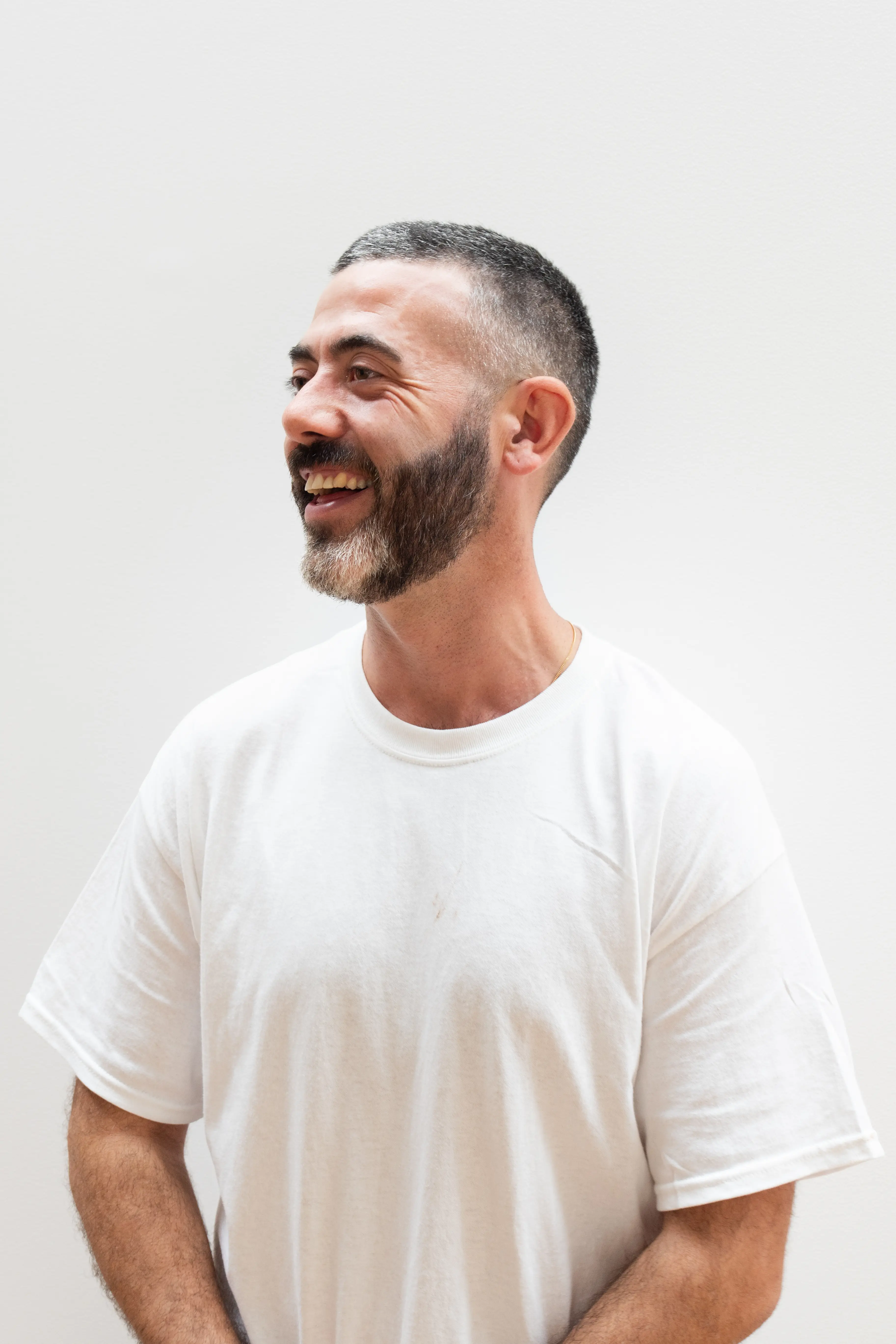
"We go to the gym to train our body, why don’t we train our brain, emotions and/or our nervous systems?" he asks. The goal is to destigmatise conversations about mental health, without making them feel overly clinical or intimidating. "We take the piss a bit with it on our show. Not to be inconsiderate but to normalise."
O’Sullivan also believes there's something to be said for having a space that isn't home, work or the gym. These are known as ‘third spaces’ where people can switch off, connect with others and enjoy a sense of community without the pressure to perform. For men in particular, he believes these spaces can offer something increasingly hard to come by — somewhere to spend time with mates, talk openly and let off steam. "I think men are largely lost as they don’t have their ‘place’ anymore."
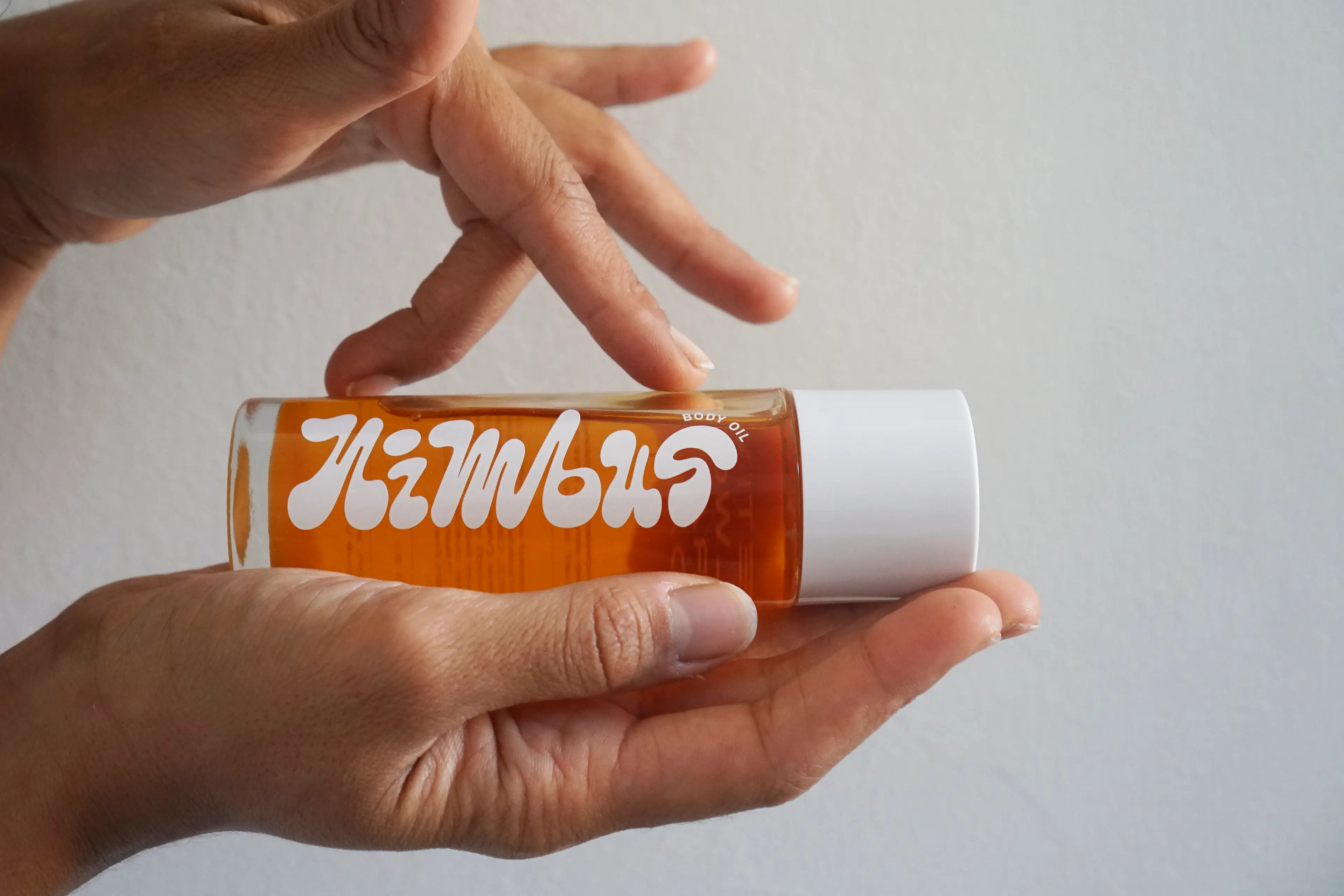
Whether it's an in-studio or at-home sauna session, massage, acupuncture or meditation, the growing appetite for restorative treatments suggests men are beginning to recognise that looking after themselves is just as important as pushing themselves. It's about seeing the process of self-care through to the end, rather than putting in all the effort upfront and neglecting what allows it to pay off.
"Make sure you are controlling the things you can control, the free stuff," says O’Sullivan, pointing to sleep, walking, sunlight, time with friends and a balanced diet. "Then pick one paid thing you’ll actually do regularly rather than five you won’t... Small and regular beats big and occasional. It’s not sexy, but consistency is king."
After years of relentless training being the standard for men’s fitness, we’re learning that taking care of ourselves isn't a sign of weakness or a distraction from our ambitions. It's part of what allows us to keep showing up, both in and out of the gym. And that's a change worth celebrating.
Topics: Australia
 The LADbible Team