
Man took ‘super dose’ of creatine and revealed impact it had on him

Everyone's always looking for that little edge when it comes to peak sporting performance these days.
And with more and more people trying any way they can to add some power to their gym routine, creatine has become all the rage.
The popular supplement is often used to improve people’s workouts, helping muscles to produce energy while doing things like weightlifting or high-intensity exercises.
While it's generally recommended to take between three and five grams of creatine a day with food or drink, one man decided to see what would happen if he 'super loaded' for 28 days.
Advert
And it's safe to say that Ryan Dabbs was pretty taken back by the impact forcing down 25g of the stuff every single day for a month had on his body and mind.

'A waste of money'
Gavin Van De Walle, owner of dietitian consulting company Dakota Dietitians, played down the risk of any serious effects but did say that taking too much creatine is 'futile'.
"While taking creatine supplements poses little if any risk, taking too much, especially during the loading phase, is unnecessary and may cause side effects like bloating and stomach discomfort," he told Healthline.
"Taking too much creatine at one time can result in stomach discomfort and bloating, and it’s a waste of money.
"After your muscles are fully saturated with creatine, it’s recommended to take three to five grams to maintain optimal muscle stores.
"Because this amount is enough to keep your muscle stores of creatine saturated, taking more than the recommended maintenance dose will cause you to excrete the excess creatine through your urine, as your body can only store so much."
So it's a no from the expert.

'Super loading'
For a more hands-on insight into the impact of creatine, we turn to Ryan.
Pushing it to the limit, gym-goer Dabbs wanted to test what would happen if he went beyond the recommended dosage, deciding instead to ‘super-load’ for 28 days.
Regularly having five grams of it with his protein shake, Dabbs ended up 'scraping’ his way through a whopping 25g of creatine every day, resulting in some notable changes to both his physical and mental state.
While admitting it may have been a ‘placebo’, he wrote for Men’s Health that his performance in the gym ‘improved almost immediately’.
“It’s not like I suddenly became Arnold overnight, but it certainly felt as if my muscles had a lot more oomph behind them,” he explained.
He found that he went from 41 unbroken push-ups on week one to 47 a few weeks later, with 19 pull-ups going up to 22 in the fourth week.
“A 15% increase in that time frame for the difficult bodyweight exercise is staggering, but that’s not to say the same results wouldn’t have happened with just a regular 5g dose of creatine,” he added.
Dabbs also found that he noticed ‘clear improvements’ in his motivation and drive to get up early and go to the gym as well as a ‘noticeable boost’ in his mental capacity.
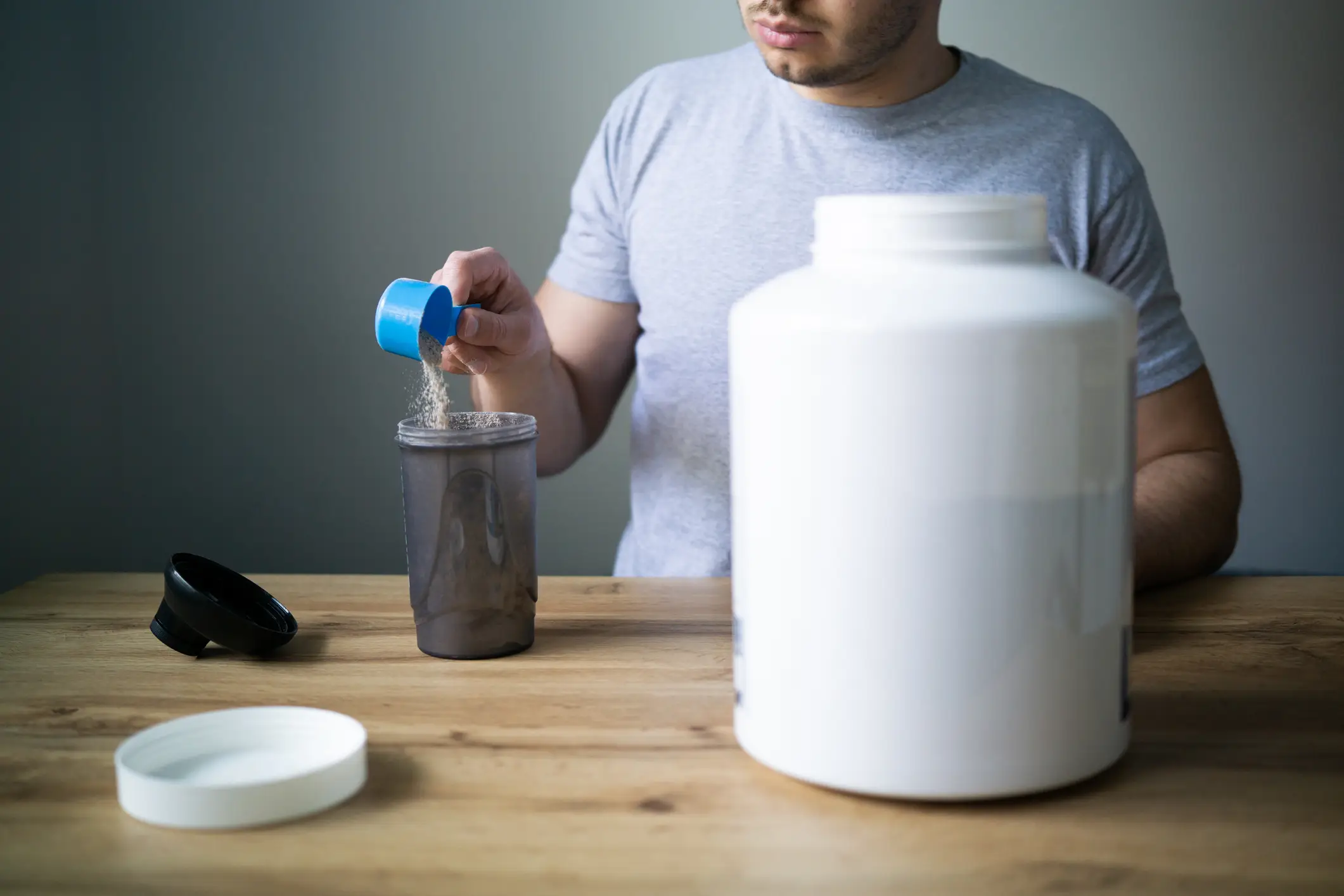
The downside
It wasn't all a bed of roses for Dabbs though.
“Taking all 25g of creatine in one go was not only disgusting, but messed with how I felt,” he explained.
Suffering a ‘pretty debilitating headache’ on the first day, Ryan ended up having to split the dosage into ‘smaller, more manageable hits’.
He also found that dehydration was an issue and found he needed ‘to consume increasing amounts of liquid’.
On the whole, Dabbs feels creatine super-load had an ‘overall positive benefit’.
Despite that, he isn't convinced the benefits are worth the pain of actually having to consume such quantities of the supplement.
“From feeling stronger and better rested, to more motivated and sharper, the supplement worked its wonders for the month,” he wrote. “Regardless, I personally believe such an aggressive load isn't quite worth the trade-off of having to power through scoop after scoop on a daily basis.”
Instead, he reckons the recommended dose with ‘intermittent periods of three to seven-day super-dose’ could have big benefits while being more sustainable.
Always seek professional advice before making major changes to your diet/supplements.
Topics: Health
 LADbible System Account