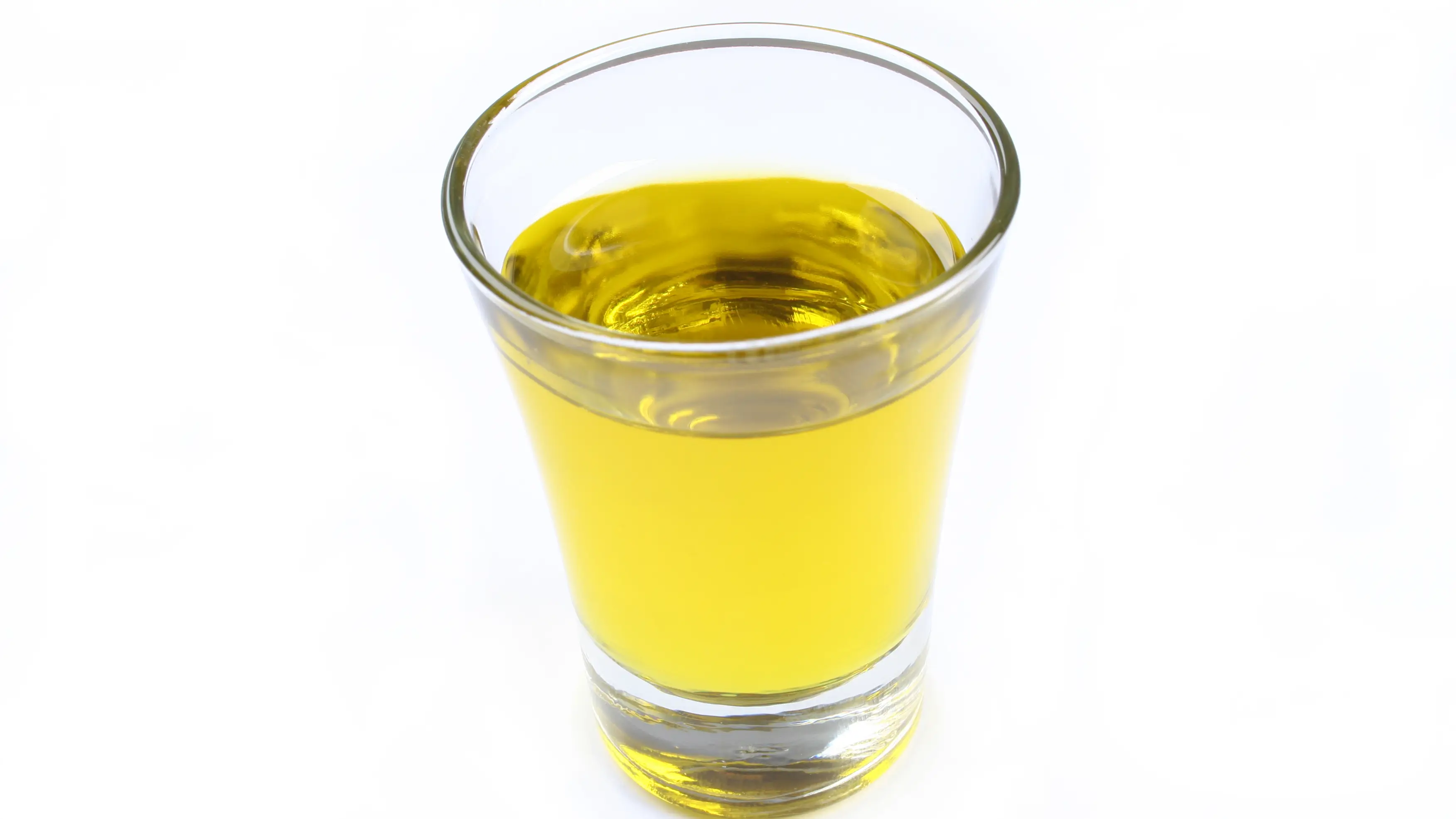
All benefits of olive oil after woman took a shot every day for a week and shared impact

Taking a shot of olive oil every day might not sound that appealing, but there are a whole host of health benefits of the green stuff, according to experts.
Lauren Manaker, M.S., R.D.N., L.D, a dietician, is among those putting the food product's health benefits to the test, as experts rave over its healthy fats and antioxidants.
To find out just what it could do for her, she decided to shot olive oil every day for a week; but quickly learned she couldn’t tolerate the texture when drinking it. So, she got creative and drizzled it on her popcorn, vegetables and in her coffee.
Before she even knew it, she was finished with the challenge, but despite what’s said on social media, she didn’t see any overwhelming physical results.
Advert
"I didn’t wake up easier in the mornings, and my focus at work was pretty much unchanged. My skin didn’t suddenly become luminous, nor did my hair take on any extra shine," the American claimed.
But that doesn’t mean things weren’t happening internally. Here are all the supposed health benefits of guzzling a bit of olive oil every day.

Increase in heart-healthy fats
Extra virgin olive oil is made mostly from monounsaturated fat, which works to decrease the 'bad' LDL cholesterol and increase your 'good' HDL cholesterol.
This can improve your overall cardiovascular health.
Research has shown that people who drink more than half a tablespoon of olive oil daily have an 18 percent lower risk of coronary heart disease as well as a 14 percent lower risk of heart disease.

Anti-inflammatory properties
Olive oil is fantastic for helping with chronic inflammation.
This inflammation can increase a person’s risk of developing things like Alzheimer's, arthritis, diabetes, heart disease, and types of cancer.
Oleocanthal, which is one of the main antioxidants in olive oils, has anti-inflammatory effects and its phenolic compounds can help prevent or manage Alzheimer's disease by reducing beta-amyloid plaques.
Olive oil may also suppress brain inflammation, improve blood sugar control in people with type 2 diabetes and present a lower risk in different types of cancer.
Studies linked it to a 31 percent lower risk of any cancer, 23 percent lower risk of gastrointestinal cancer, a 33 percent lower risk of breast cancer, a 54 percent lower risk of developing urinary tract cancer and then 26 percent lower risk of upper aerodigestive cancer (lung, head, and neck).

Source of antioxidants
Olive oil has antioxidants like polyphenols and vitamin E, which lower oxidative stress in the body, so your cells are being protected from damage.
Damaged cells can increase your chance of chronic illnesses.
Brain health benefits
The fats and antioxidants in olive oil can help the brain, protecting it from cognitive decline, strokes, memory loss, and even depression and anxiety, according to a 2023 study.
One study found that consuming 25 millilitres of olive oil daily for 52 days improved symptoms in patients with severe depression, and the fact that it helps with lowering blood pressure and cholesterol levels was linked to a study which found that consuming 1.5 to 2.2 tablespoons of olive oil daily can reduce the risk of heart disease and stroke.
Potential help with weight management
Even though olive oil has a lot of calories, according to a 2018 study, it may not contribute to weight gain.
It can actually support your gut health and risk of metabolic syndrome, instead.

Metabolic syndrome is a group of five conditions that increase the risk of heart disease, diabetes, and stroke and is usually diagnosed in those with:
- Large waist circumference
- High blood pressure
- High blood triglycerides
- Low HDL cholesterol
- High blood sugar levels
One study found that olive oil can help improve blood sugar control, fat metabolism, blood pressure, and inflammation.
Another found it could improve the composition of the gut microbiome if you eat 40 grams a day.
This could help to prevent inflammatory bowel disease (IBD), like Crohn's disease and ulcerative colitis (UC).
Or it could help with bloating, constipation, incomplete bowel movements and faecal urgency as well as help with Helicobacter pylori (H. Pylori) and food-borne pathogens like Escherichia coli (E. coli), Listeria monocytogenes, and Salmonella enteritidis.
Topics: Health, Food And Drink
 Britt Jones