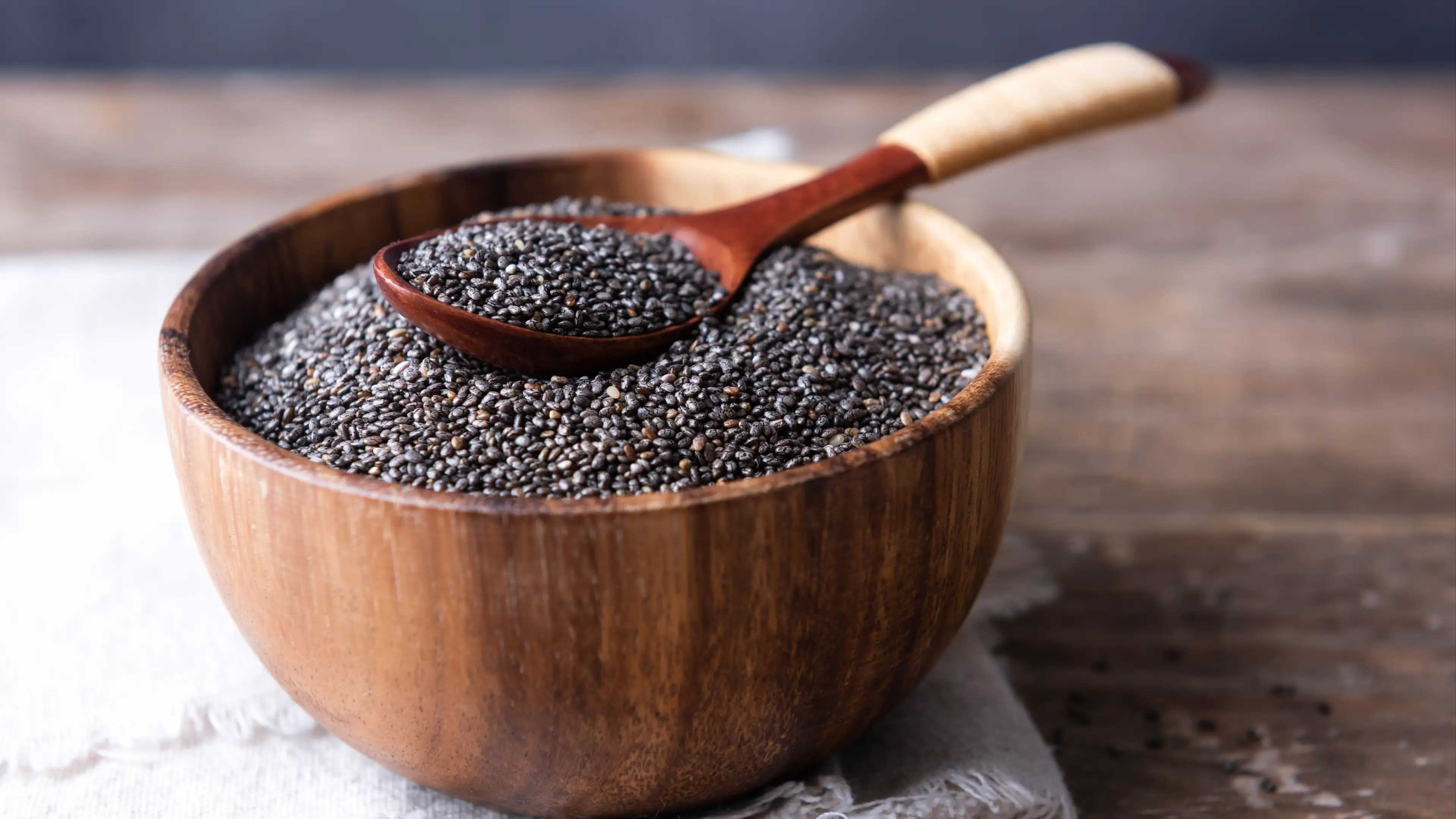
New research makes huge findings about impact of eating chia seeds

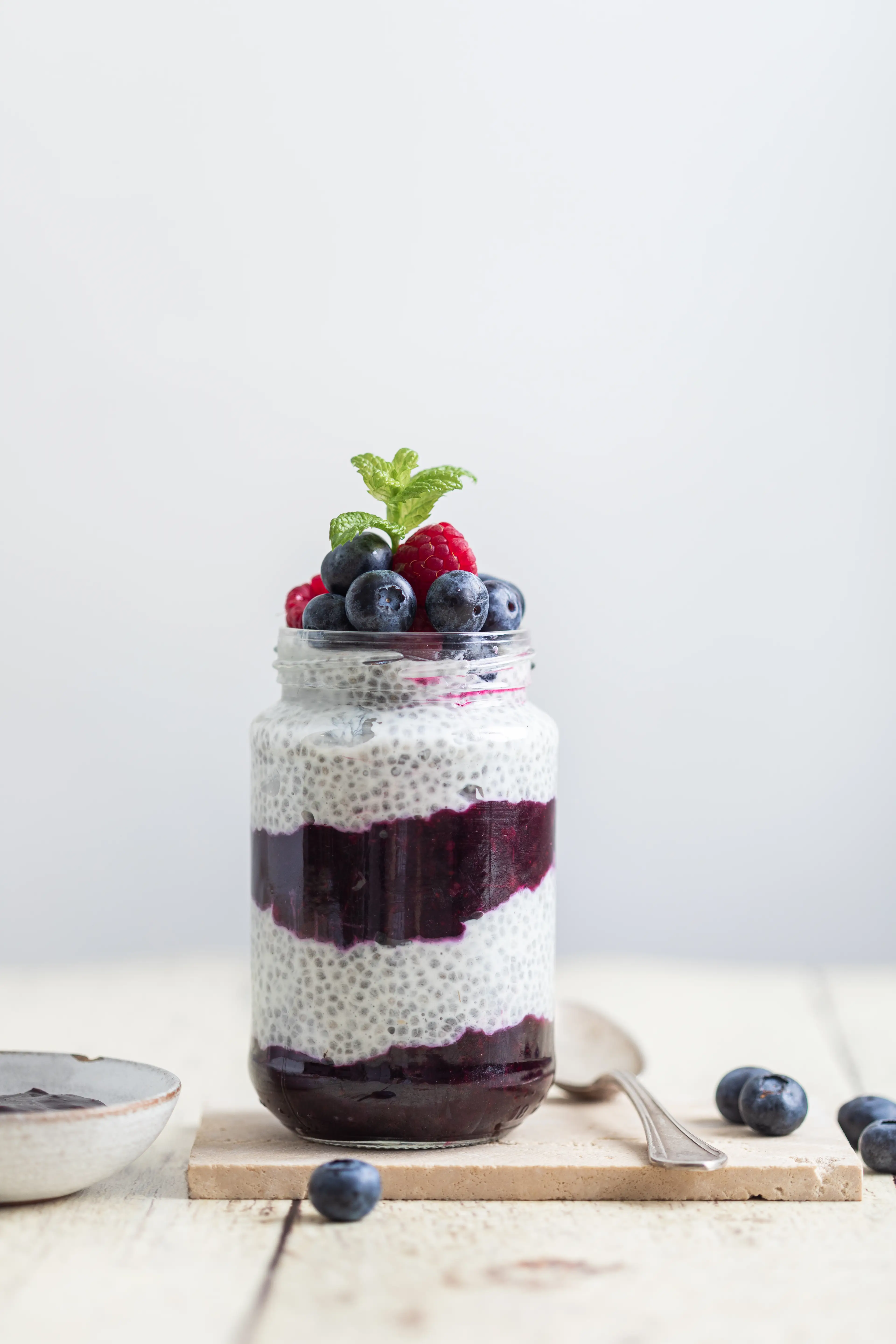
Popped on top of porridge, mixed into smoothies, or made into pudding, chia seeds are a pretty popular addition to people’s diets.
Regarded as a ‘superfood’, the little tiny things are packed with fibre, protein, omega-3 fatty acids, antioxidants, and various vitamins.
However, some people have complained about ‘blockages’ caused by the seeds or claimed that others simply aren’t consuming them in the ‘correct’ way.
But there is no denying that there are plenty of benefits of having chia seeds, and research published late last year made huge findings about their impact.
Advert
Brazilian scientists aimed to investigate the effects of chia flour and chia oil and satiety, inflammation and antioxidant potential in the brain. In order to do this, they tested on rats who were fed a high-fat, high-fructose (HFHF) diet.
Published in the journal Nutrition, the researchers fed the majority of the animals this unhealthy diet, to help trigger metabolic changes and make them more like humans. They also had a control group of rats with a standard, healthy diet to help compare the impact of the chia seeds.
For 10 weeks, there was one group fed the unhealthy diet as is, one fed it with the addition of chia oil, and the other with chia flour. Brain tissue samples were then collected from the rats for analysis.
Those fed chia oil ended up showing an increase in activity of genes relating to satiety – therefore suggesting chia can help people feel fuller after eating. This wasn’t quite the same for those fed chia flour.
But both the versions of chia seemed to improve the brain’s response to the hormone leptin, which is associated with feelings of hunger in the body.
The chia products were generally found to restore brain functioning and reduce the urge to overeat.
The researchers wrote in their conclusion: “The consumption of chia flour and oil associated with a HFHF diet modulated the expression of genes involved in satiety and inflammatory response mechanisms. In addition, the modulation of the intestinal microbiota may be correlate with brain satiety signals, as well as inflammatory and oxidative responses, making it a potential strategy for controlling metabolic diseases associated with unbalanced diets.”
Essentially, the study found that chia products can help people feel full after eating, putting an end to the desire to eat. So therefore, it can be helpful to those looking to make healthy changes to their diet in order to aid weight loss.
Topics: Food And Drink, Health, Science
 Jess Battison