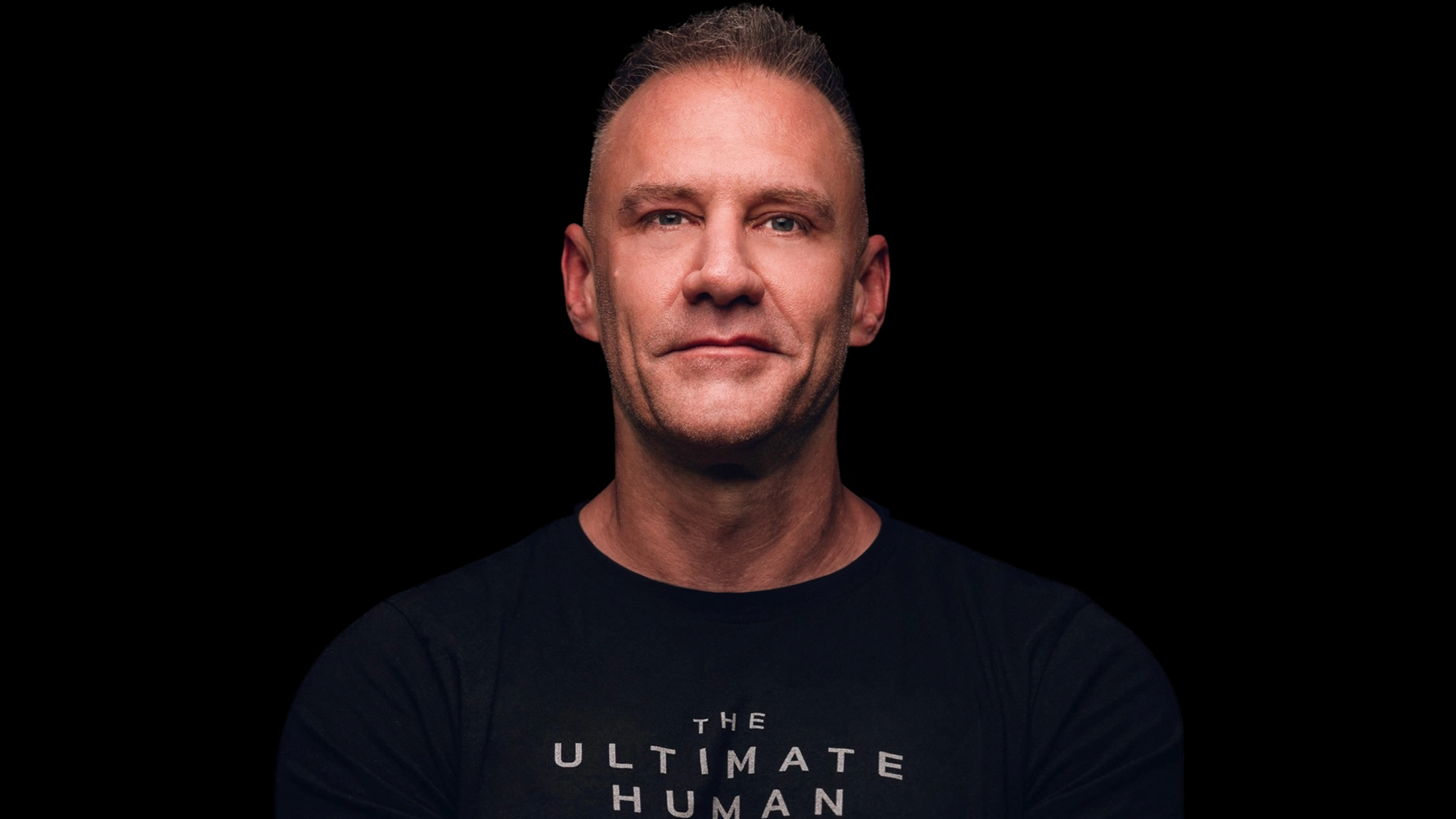
Human biologist who predicted when people would die warns of signs that appear before serious illness

Your body doesn't fail suddenly; instead, it gives off several warning signs over the years—that's according to Gary Brecka, the man who's spent the past couple of decades studying longevity and predicting when people will die.
Sounds like a cheerful party trick but Brecka actually worked in life insurance and was tasked with determining when and how someone was likely to die.
Thanks to the vast amount of data life insurance firms possess, logging every detail around how their clients shuffle off this mortal coil, Brecka says he was able to look for patterns and predict 'to the month' when someone was going to die.
Unsurprisingly, with such a high degree of accuracy, he's never used his data skills to work out when his number might be up.
Advert
It's a superpower he now uses in his biohacking site Ultimate Human Wellness to advise celebrities like Dana White, Cristiano Ronaldo and Joe Rogan on how to extend their lives.
But what about the rest of us who can't afford to splash out on expert guidance and dedicate hours to looking after our bodies?
Well, according to Brecka, there are several techniques we can implement into our daily lives which allow us to maximise our health and spot any warning signs that all is not well inside.

"[The body] tells you for years before anything shows up on a scan."
After spending two decades working with mortality data - statistics on the age and cause of a person's death - Brecka believes the body shows symptoms of decline years before anything shows up on a health scan.
And these warning signs are often dismissed as 'ordinary' occurrences.
"Nobody joins those dots," he says. "They call it getting older. It isn't getting older. It's a body running short of something it needs, asking you for help in the only language it has."
Here are some of the common warning signs which Brecka has noticed:
- Sleep: Waking up tired after sleeping for eight hours and struggling to stay asleep for the whole night
- Diet: Sugar cravings in the mid-afternoon
- Fatigue: Experiencing an energy crash at 2pm, brain fog and recovery after exercise taking longer than it used to
- Cold hands and feet
- A resting heart rate which 'creeps up' every year
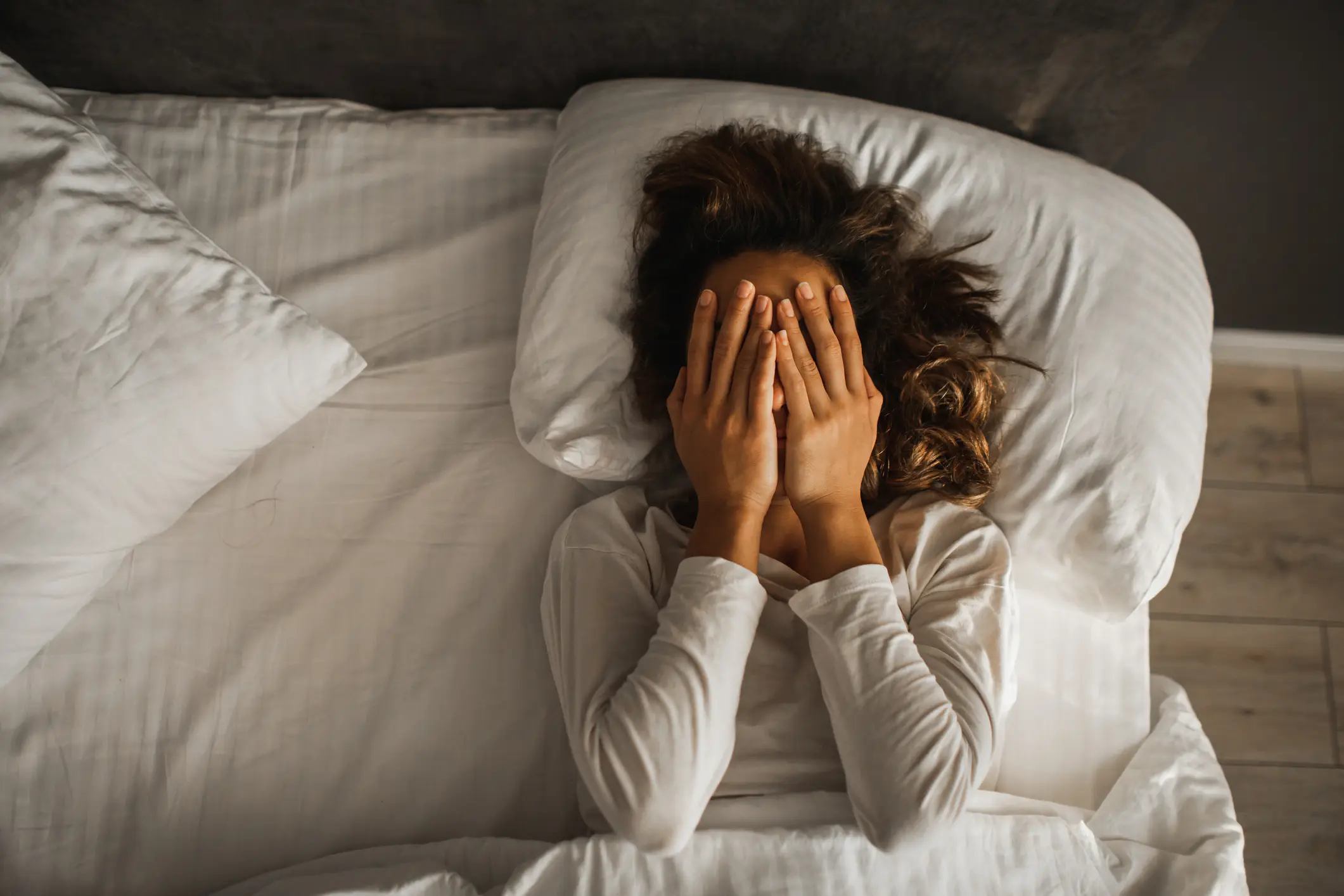
Feel like you've been battling persistent sugar cravings or struggling to get a good night's sleep? Brecka's advice is to 'stop guessing' and make a start on working out what could be going wrong. "Look at your vitamin D, your B12, your ferritin, your inflammatory markers. Most people are walking around with a deficiency they've had for a decade, and they've been told it's stress."
One change everyone should implement into their daily routine
Brecka's advice isn't limited to being reactive to your body's signs of stress, but instead implementing simple changes into your lifestyle to maximise your health, with healthy choices starting the moment you get out of bed.
"Before you spend a penny on anything: get outside tomorrow morning," the 55-year-old said. "Within 30 minutes of waking."
Heading out within half an hour of opening our eyes isn't something most of us think about when we wake up in the morning, but Brecka insists that doing so is extremely beneficial to regulating your circadian rhythm (the body's internal clock).
"10 to 15 minutes of natural light in your eyes," he continued. "That one habit sets your circadian rhythm, and your circadian rhythm sets your energy, your hormones, your appetite and how deeply you sleep that night.

"Light, sleep, real food, movement. Those are the biggest levers any human being has and every one of them is free. Begin with your biology, not the shelf."
After finishing your morning walk, Brecka then suggests five minutes of breathwork, 'Nose only, and make the exhale longer than the inhale', a technique which he says resets the nervous system, followed by a cold shower.
"Close your mouth. Breathe through your nose, day and night."
After completing your new morning routine, there is another habit which Brecka recommends being mindful of throughout the day, breathing out of your nose instead of your mouth.
It's no secret that nasal breathing is better for us - our noses are built to filter out dust and toxins as well as regulate air temperature flowing into our lungs - yet it's not uncommon for people to mouth-breathe, especially while asleep or battling off a nasty cold.
The topic has also been highly debated online, with several looksmaxxers claiming 'mouth breather face' is a thing. But Brecka says the benefits of breathing through your nose aren't just aesthetic.
"It sounds trivial. It's one of the most underestimated things in human health," he explained.

"When you breathe through your nose you produce nitric oxide, which widens your blood vessels and improves how much oxygen actually gets delivered into your tissue. Your nose filters, warms and humidifies the air, and it slows your breathing down for you. Breathe through your mouth and you lose all of it.
"Close your mouth. Breathe through your nose, day and night. It costs nothing and almost nobody is doing it."
 Brenna Cooper