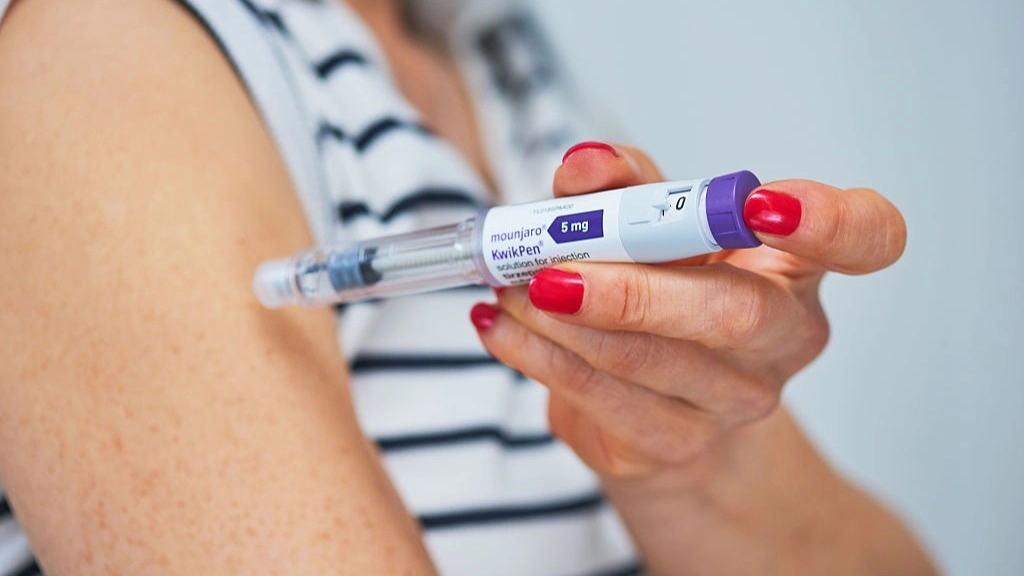
New study finds which is most effective out of 'Godzilla' weight-loss drug and Mounjaro

A new review has suggested that 'Godzilla' weight-loss drug retatrutide may outperform Mounjaro, the most powerful jab available.
Retatrutide is an experimental medication being developed by Eli Lilly and Company - the makers of Mounjaro.
It works by targeting three different hormone receptors to dramatically suppress appetite and increase fat burning, while current medications like Wegovy and Mounjaro only target one or two.
In a previous trial involving more than 2,300 overweight adults, people taking the highest dose lost an average of 28.3 percent of their body weight, while some patients lost around 5st.
Advert
“It was impressive to see that every dose of retatrutide resulted in clinically meaningful weight reduction for nearly all participants, and people with severe obesity on the highest dose lost on average 30 percent of their body weight over two years,” said Professor Ania Jastreboff, lead investigator on the trial at Yale School of Medicine.
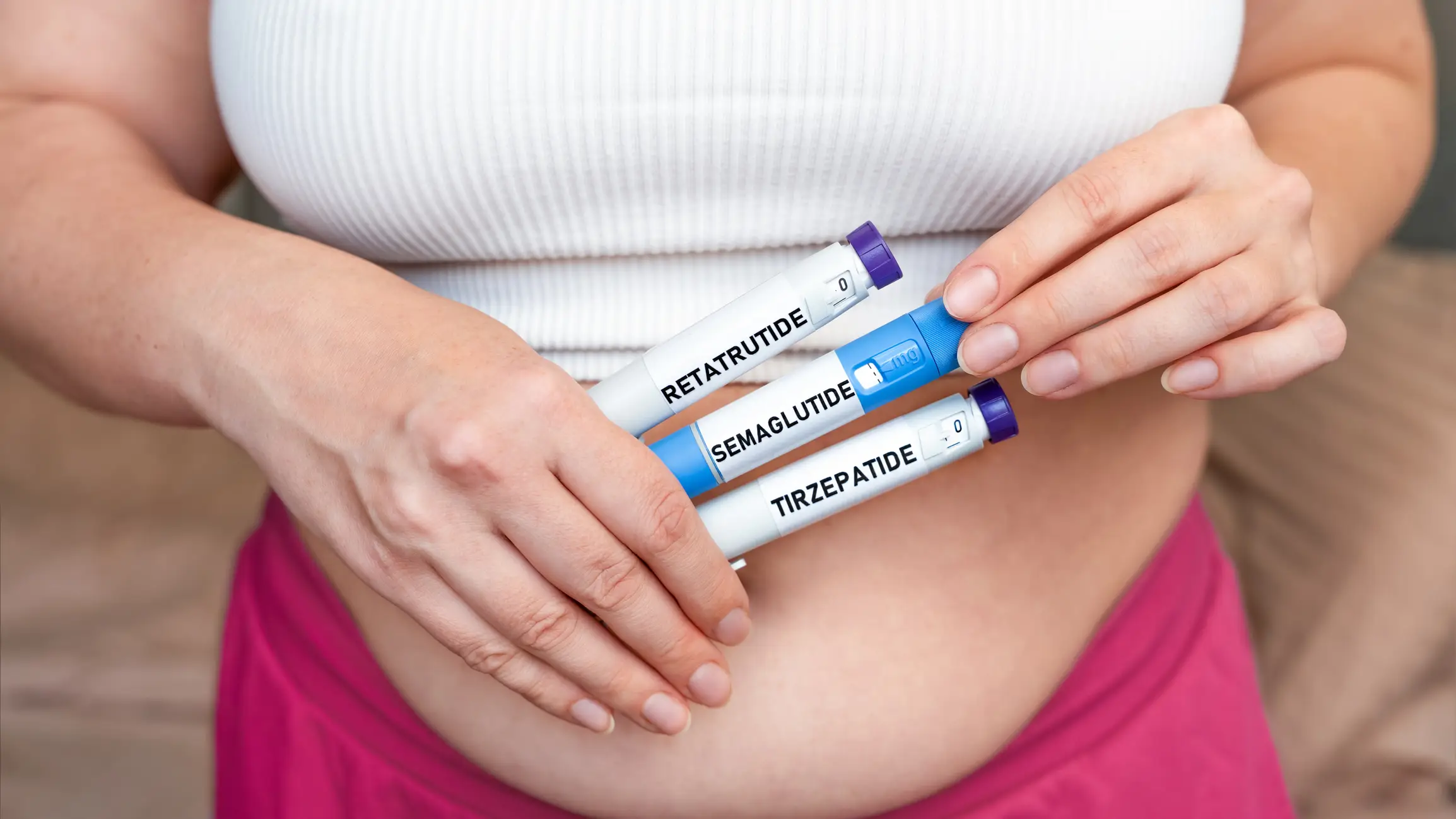
Retatrutide > Mounjaro?
The new review - titled 'Efficacy and Safety of Glucagon-Like Peptide-1 Receptor Agonists for Weight Loss Among Adults Without Diabetes' - found that Mounjaro is one of the strongest weight-loss drugs available, producing around 19 percent more weight loss than placebo after about 72 weeks.
Retatrutide, however, showed even greater results, at around 22 percent after 48 weeks.

Semaglutide treatments produced around 14–15 percent more weight loss than placebo, while orforglipron produced around 12 percent.
But because the studies were designed differently, the drugs cannot be directly compared.
The updated study, published in August 2026, reviewed 38 clinical trials involving 25,816 people who were overweight or obese but did not have diabetes.
Researchers examined 17 GLP-1-based drugs, using trials published up to March 2026, and compared their weight-loss results and side effects over follow-up periods of up to two years.
"Researchers from Jewish General Hospital and McGill University conducted an update to their prior systematic review of the safety and efficacy of GLP-1 RAs for weight loss among adults without diabetes to account for the introduction of novel agents and the expanding evidence base of these therapies," the American College of Physicians (ACP) said.
"Across the studies, participants taking GLP-1 RAs lost significantly more weight than those receiving placebo, with some emerging treatments associated with weight loss exceeding 20 percent of body weight.
"While gastrointestinal side effects were frequently reported, serious adverse events and deaths were rare, and no new safety concerns were identified."
Limitations of the study
The 38 trials differed in their design, drug doses, treatment length and participants, so researchers could not perform a formal meta-analysis or directly rank the drugs against each other.
Follow-up was also limited to a maximum of about two years, meaning the review cannot establish their longer-term effectiveness or safety.
Also the trials did not specifically assess sarcopenia (loss of muscle mass and strength), which is important because some weight lost with GLP-1 drugs can be lean mass rather than fat.
 Anish Vij