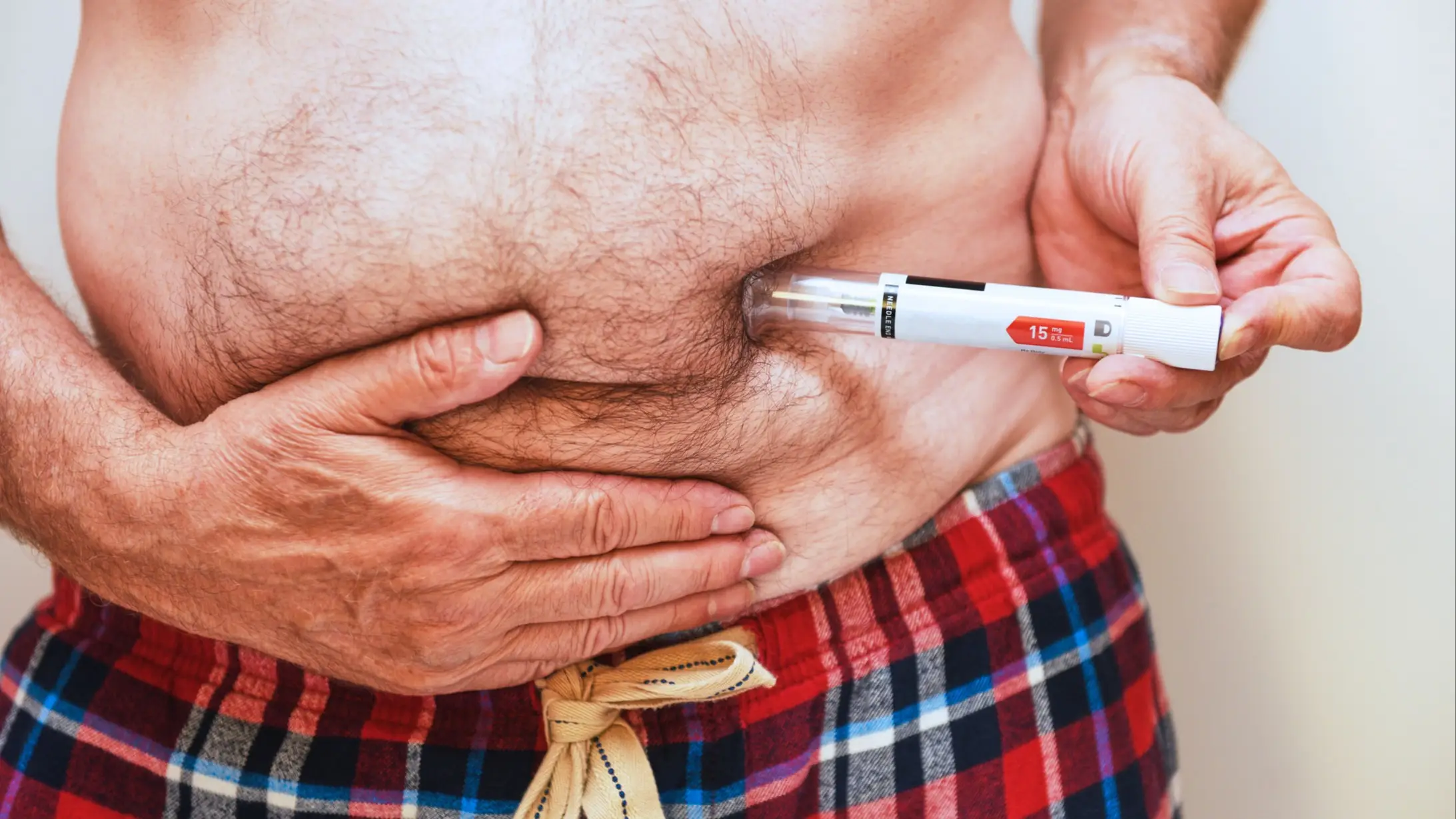
'World's most powerful weight loss drug' has unexpected side effect, new study finds

A new drug hailed as the 'Godzilla' of weight loss drugs could have an unexpected side effect on patients, new tests have found.
Retatrutide is a drug which is currently undergoing clinical trials, and works by imitating three hormones in the body, unlike a GLP-1 medication which only mimics one.
These are hormones related to metabolism, blood sugar, and appetite, and the medication may help patients with weight loss but without the muscle loss that some people can experience.
At present retatrutide has not been approved by any regulatory agency, and the only way it is available is in an official clinical trial.
Advert
Now, results from a study have been published in the Lancet medical journal by developers Eli Lilly, with the study also being presented in Milan at the annual meeting for the European Association for the Study of Diabetes, the Guardian reports.
Researchers involved in the study said: “Retatrutide demonstrated substantial reduction in body weight alongside glycaemic control and cardiometabolic risk factors, with a safety profile generally similar to other molecules with GLP-1 receptor agonist activity."

It appeared that in addition to benefits on weight loss, the medication could also help with blood sugar levels, as well as cardiometabolic risk factors such as blood pressure and lipid profiles, with lips being fatty compounds which perform important functions in the body.
The study was conducted as a randomised, placebo-controlled, and double blind trial which involved 2,047 participants around the world, including in Argentina, Australia, Brazil, India, Mexico, Romania, Spain, and the US.
People who were involved in the study had type 2 diabetes as well as a body mass index of 27 or above, with the average age being 55 and 52 percent of those involved being male and 48 percent female.
The trial was conducted over 80 weeks, with 1,152 people randomly selected to have a drug, of which 289 had a placebo, 292 had a 4mg dose of retatrutide, 284 a 9mg dose, and 287 a 12mg dose, with participants also being given counselling on physical activity and diet.
This is the largest study of its kind on retatrutide, though the drug is not approved for use at this stage.
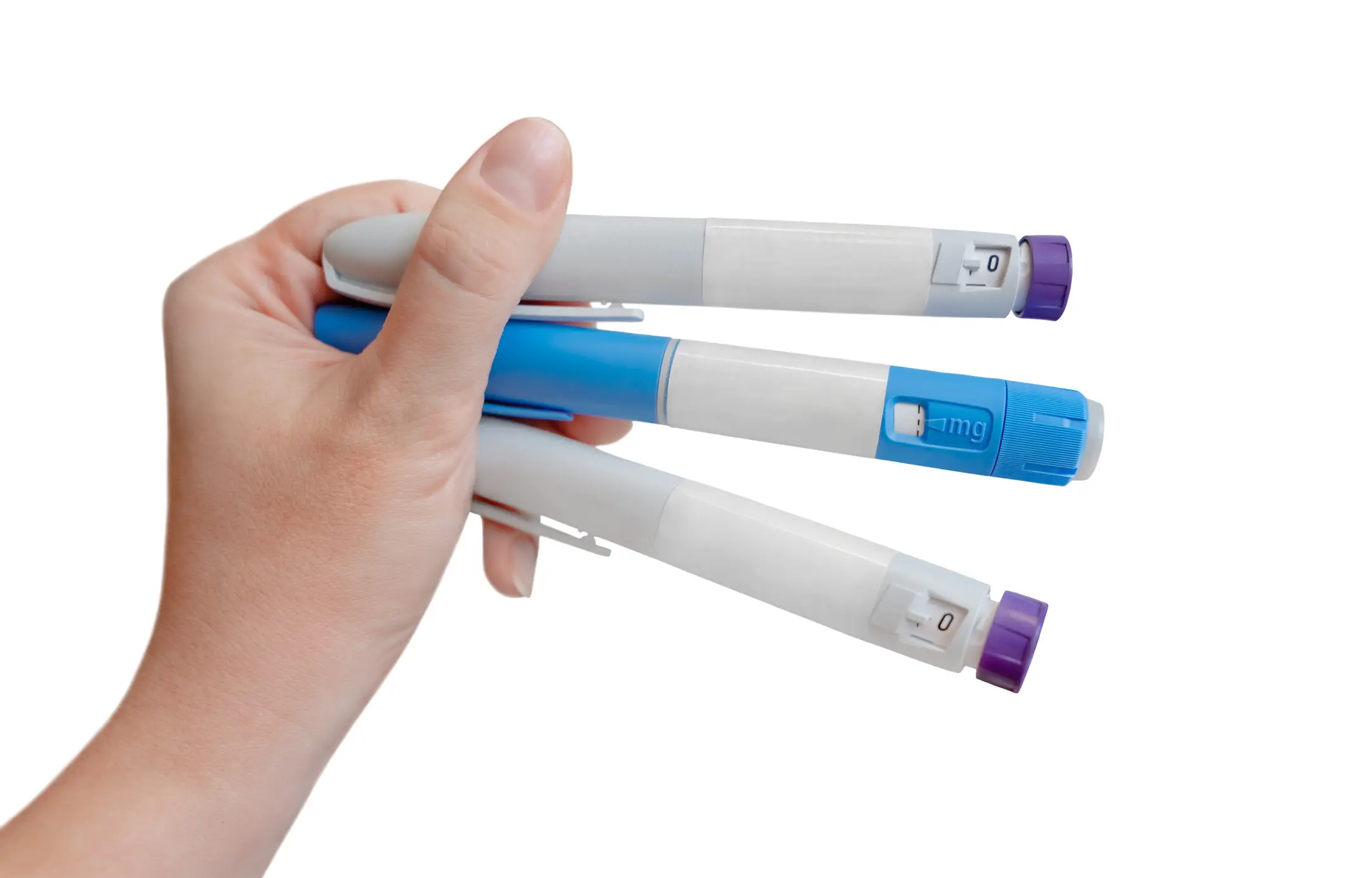
However, the results of the trial suggested that it could help people to lose large amounts of weight, as well as potentially having other benefits for patients' health.
Patients on the 4mg dose had lost about 11.9 percent of their body weight, which went up to 16.8 percent on the 9mg dose and 18.8 percent 12 mg by the time the study concluded, while people in the placebo group had lost 5.1 percent.
There were also some side effects reported in the study, with the most pronounced being gastrointestinal.
Of those in the retatrutide groups between 27 percent and 34 percent experienced diarrhoea, as opposed to 13 percent in those who had the placebo.
Meanwhile, in those on retatrutide 14 to 28 percent had nausea, and eight percent on the placebo.
GLP-1 medications have seen an explosion in popularity due to their benefits in assisting weight loss.
 Kit Roberts