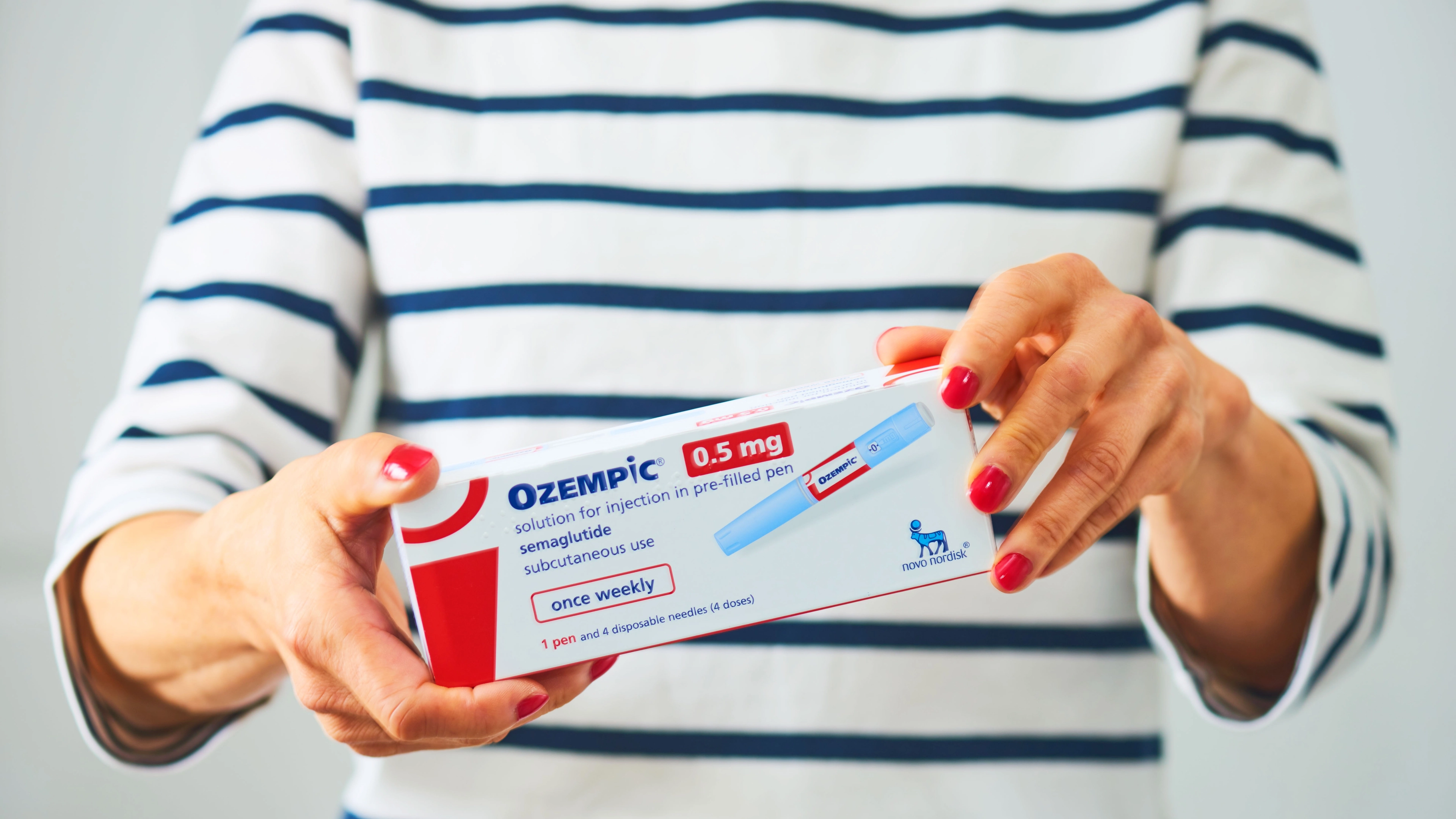
Doctor warns Ozempic shouldn't be used for weight loss due to 'irreversible side effect'

A doctor has warned that she doesn’t think Ozempic should necessarily be used for weight loss.
Typically designed to treat those with type-2 diabetes, Dr Boz believes there is an ‘irreversible side effect’ to the drug.
The injectable has become more widely used in recent years to help those on a weight loss journey for their health. While not licensed for this treatment in the UK, Ozempic contains semaglutide and is part of the ‘GLP-1 agonists’ category of medications.
Essentially, it helps to regulate a person’s appetite, keeping them feeling fuller for longer as well as often reducing their cravings – all of which, of course, help them to lose weight.
Advert
However, in a YouTube Short, Dr Boz claims the drug should not at all be used for this purpose (but again it's not licensed for it here in the UK).
The doctor’s claims
Having been an assistant professor and qualified as an Internal Medicine physician, she shares videos online about medical advice as well as plugging her Keto lifestyle resources.
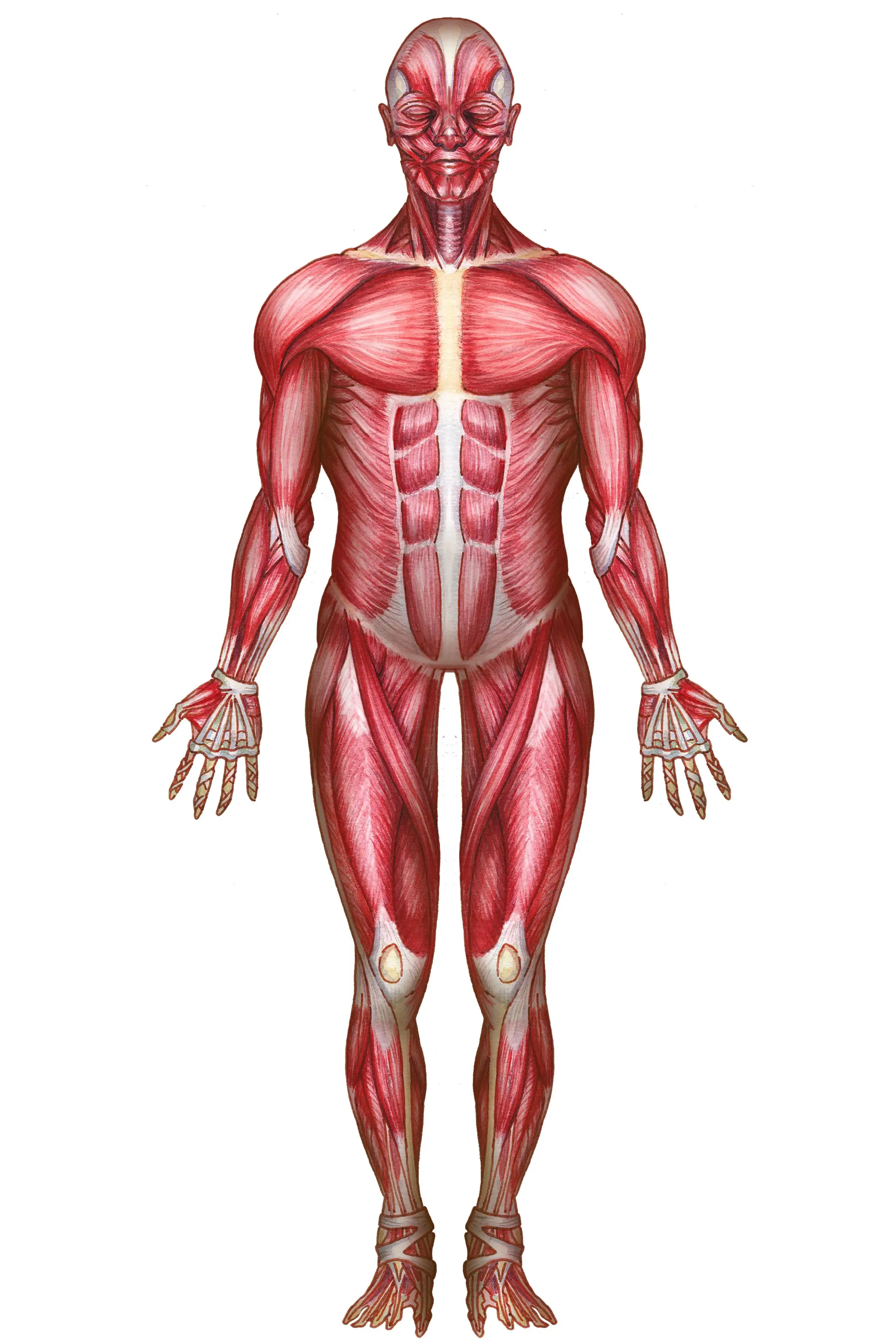
Dr Boz claims that when people are losing weight on Ozempic, they are ‘losing muscle mass at a way higher rate than they should'.
“As you play this forward, especially in elder patients,” she says, “when you lose that much muscle mass, you cannot gain it back without extreme measures.”
Dr Boz then goes on to allege that the ‘chemistry’ behind how Ozempic users are losing the weight is ‘really a starvation weight loss’.
“This is the kind of weight loss that will decrease their immune system,” she claims, “decrease their bone density, decrease their muscle mass and decrease their longevity."
It is worth noting that some of these claims made by Dr Boz aren’t totally agreed on all by all scientists as studies present differing results. But, in those who need it, weight loss can help improve their general health.
Study on Ozempic and muscle size and strength
A study from earlier this year looked at the side effect of Ozempic regarding muscle mass and strength.
“If we want to really help the individuals who may be losing muscle mass, then we need to know that they're actually losing muscle mass,” Katsu Funai, PhD, associate professor of nutrition and integrative physiology in the University of Utah College of Health, said of the study. “We have data in mice that suggest that things are not as straightforward as they might seem.”
The Utah researchers found that Ozempic-induced weight loss ‘did decrease lean mass by about 10 percent’, but the study did find less muscle mass loss than expected.
They added that a loss of mass in metabolically active organs (like the liver) is expected as part of healthy weight loss as most of the lost weight didn’t tend to be from skeletal muscles.
Co-first author Takuya Karasawa, PhD, added: “It’s unlikely that the observed lean mass loss represents a serious adverse effect.”
However, more research is needed.
Always seek advice from a medical professional if you have any concerns.
The manufacturer of Ozempic, Novo Nordisk, told LADbible in a statement: "In clinical trials for Wegovy® ▼ or Ozempic® we did not specifically study the medicine’s impact on muscle mass. In a sub-study of 140 patients with a BMI of 40 or less conducted as part of the STEP 1 trial, dual-energy x-ray absorptiometry (DEXA) analyses suggested that treatment with Wegovy® was accompanied by reductions in both fat mass and lean body mass, with a greater reduction in fat mass than lean body mass.
"We recommend that any patients experiencing side effects while taking Wegovy® or Ozempic® contact their healthcare provider."
 Jess Battison