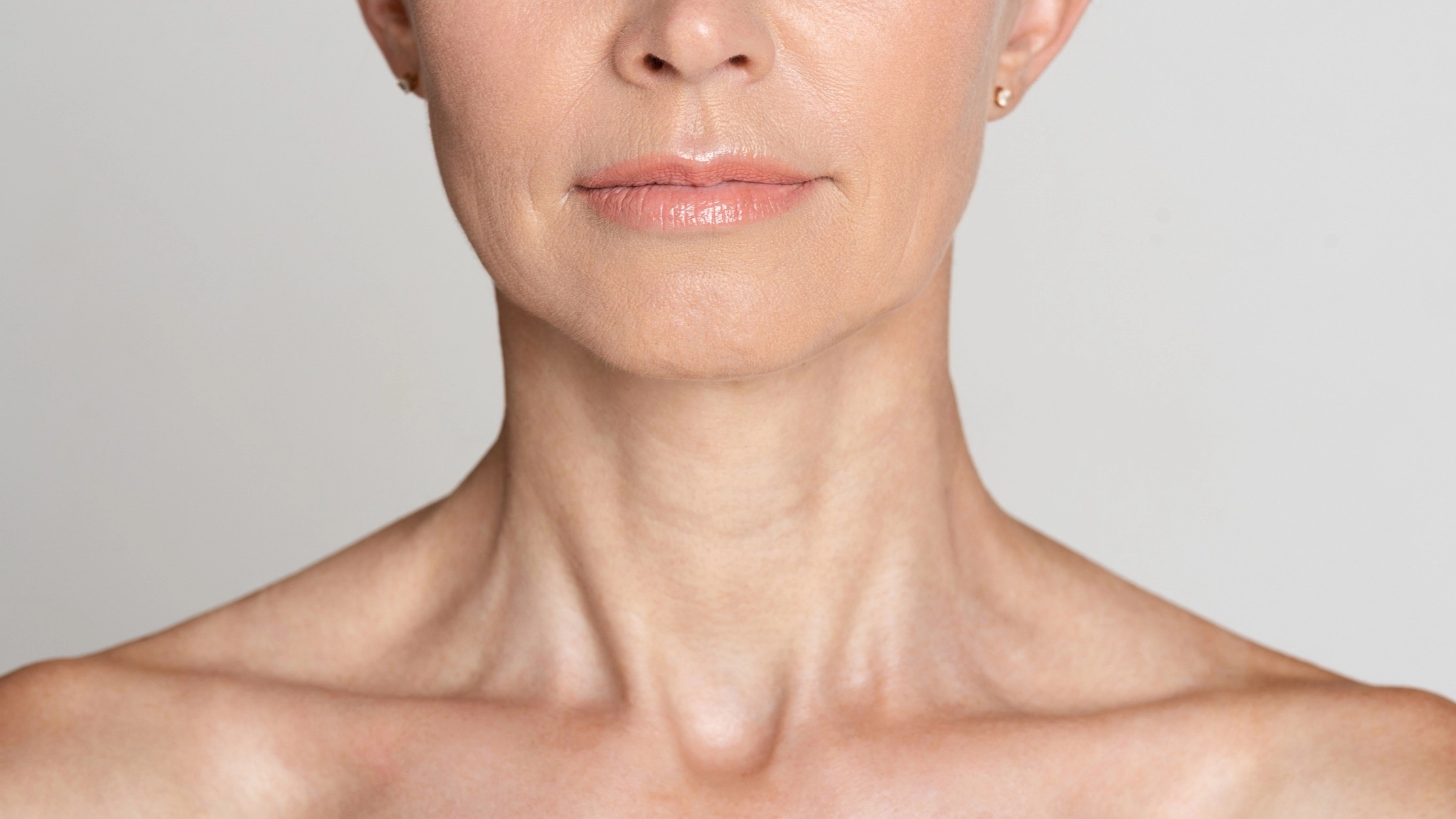
'Ozempic neck' is the new worrying side effect of weight loss jabs

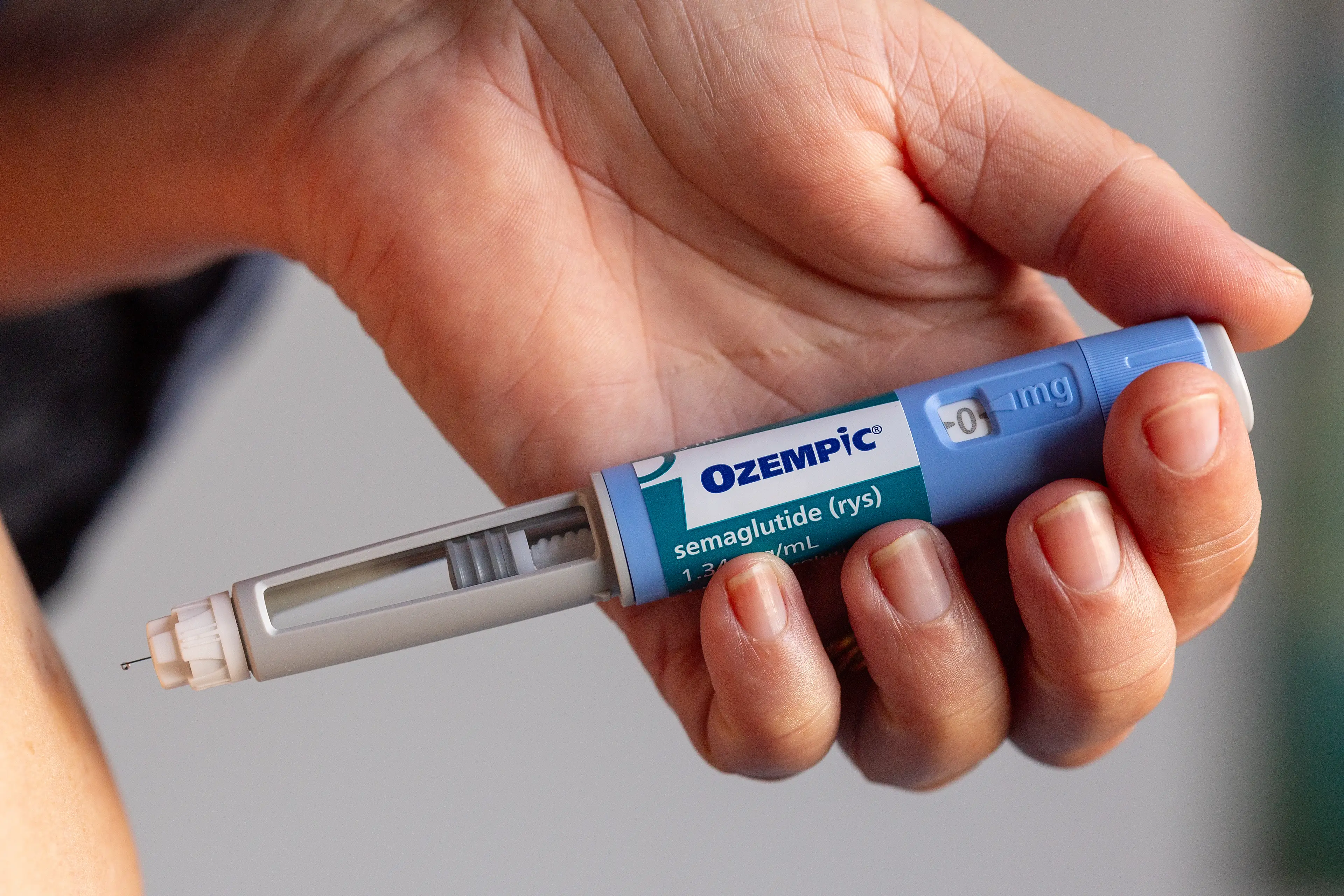
People taking weight loss jabs such as Ozempic have been complaining of another unfortunate side effect.
Those taking the GLP-1 medication have made all sorts of claims about how using it has impacted their bodies - with many reporting changes in their boobs, bums and private parts and even hands. Now, users have been reporting that they have been experiencing another so-called side effect, which has been dubbed 'Ozempic neck'.
Unlike across the pond, in the UK, Ozempic is only prescribed to patients who have Type 2 diabetes as its use is not approved for weight loss purposes by the NHS. Brits can instead obtain the likes of Wegovy or Mounjaro on prescription.
These drugs mimic naturally occurring hormones in our bodies which make us feel full - meaning you aren't as hungry and you consume less food, thus losing weight.
Advert
Which is all well and good, but unfortunately, you can't chose which parts of your body reduce in size when you're shedding the pounds at such a speedy rate.
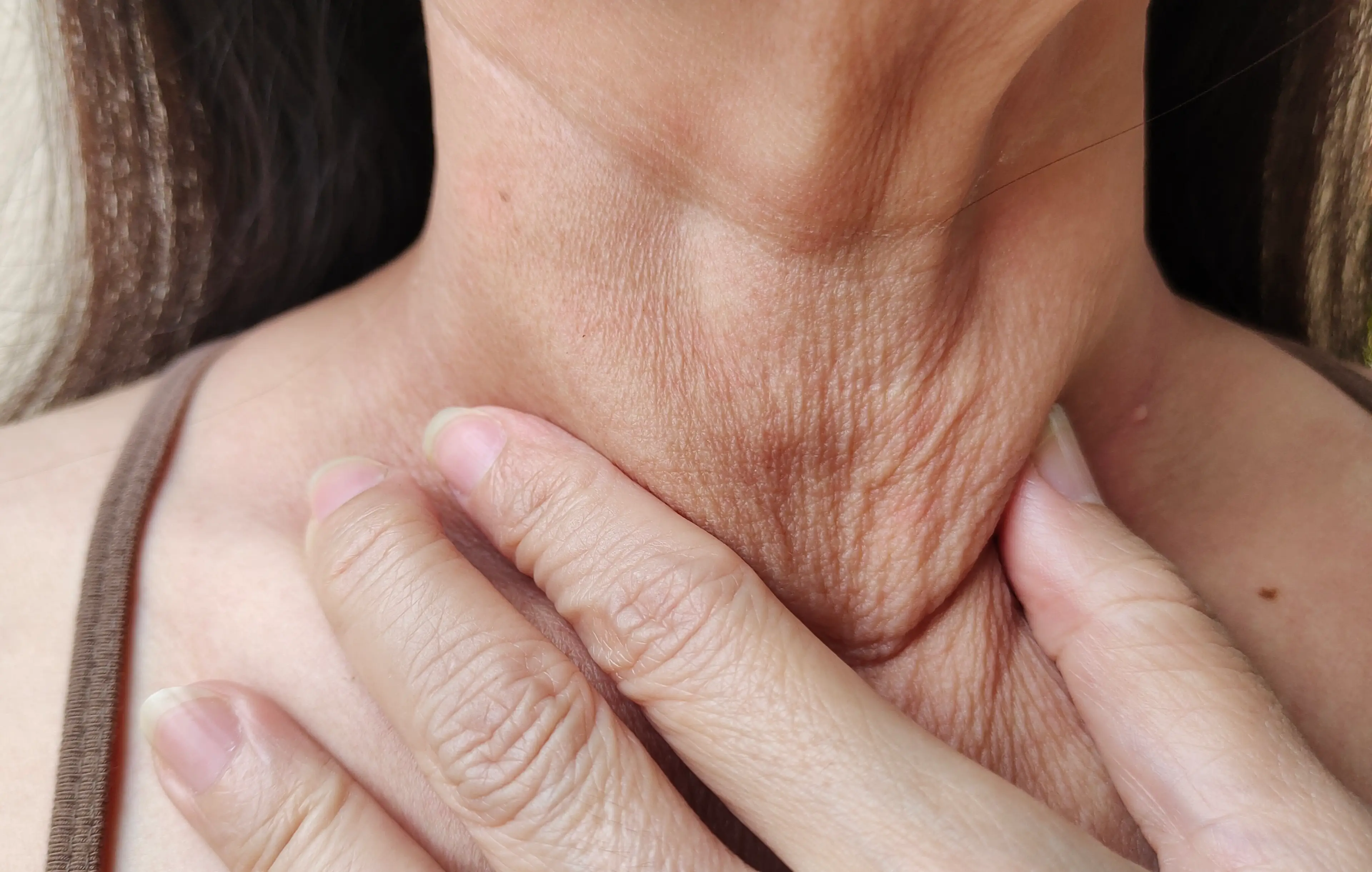
You might lose weight in some unlikely places, such as your neck, and industry experts say that people using weight loss drugs are becoming 'increasingly concerned' about this so-called side effect has altered their appearance.
The term 'Ozempic neck' has been coined to describe the appearance of excessive, aging or sagging skin on your neck, according to Healthline.
It explains: "This may happen because having less fat on the neck can cause skin to become looser, contributing to an older-looking appearance."
According to Dr Emma Goulding, this happens because the neck has 'much thinner skin, less oil production and less underlying support than the face'.
The Cheshire-based aesthetic doctor told the Daily Mail: "So when fat is lost quickly, especially in midlife and beyond, the skin often can’t bounce back as smoothly.
"Ozempic neck is really the skin reacting to rapid weight loss combined with age, which causes reduced elasticity. That’s when fine lines, creasing and laxity start to show."
But don't declare you're disguising yourself under a scarf forever just yet, as Dr Goulding said that the good news is, skincare treatments which stimulate the production of collagen can 'significantly improve firmness and texture'.
So, it's not a completely lost cause if your neck isn't currently looking in fine fettle.
Further explaining the reported 'Ozempic neck' phenomenon, Dr Victoria Manning also told the publication: "When you lose significant weight, suddenly there’s definition where there wasn’t before, but along with that comes loose, crepey skin that people weren’t prepared for. The neck has become one of the most challenging areas to treat because the skin there is so delicate and prone to laxity."
London-based plastic surgeon Mr Paul Tulley claimed that a 'growing number of patients in their 20s and 30s are becoming increasingly concerned about the appearance of their neck'.
And if you want to try and avoid aging yourself with the appearance of your neck like a lot of weight loss jab users apparently are, another Harley Street medic has some advice.
Dr Ed Robinson suggested that taking a slow and steady approach to your weight loss journey could be the solution, as if 'weight loss is very rapid, skin contraction often lags behind'.
"A slower trajectory can sometimes be kinder to the neck," he said. "And consider your lifestyle factors, prioritising dietary proteins as this supports lean mass and skin building blocks.
"Resistance training also helps to preserve muscle mass, which reduces the 'deflated' look overall. Make sure to apply daily SPF 50 on the neck - most people miss this area!"
Novo Nordisk, the manufacturers of Ozempic, told LADbible in a statement: "Patient safety is of the utmost importance to Novo Nordisk. We continuously collect safety data on our marketed GLP-1 RA medicines and work closely with the authorities to ensure patient safety.
"We recommend patients take these medications for their approved indications and under the supervision of a healthcare professional.
"Treatment decisions should be made together with a healthcare provider who can evaluate the appropriateness of using a GLP-1 based on assessment of a patient’s individual medical profile.
"We recommend that any UK patient experiencing side effects while taking GLP-1 RA medications report them to their healthcare provider and via the MHRA Yellow Card scheme: https://yellowcard.mhra.gov.uk/."
 Olivia Burke