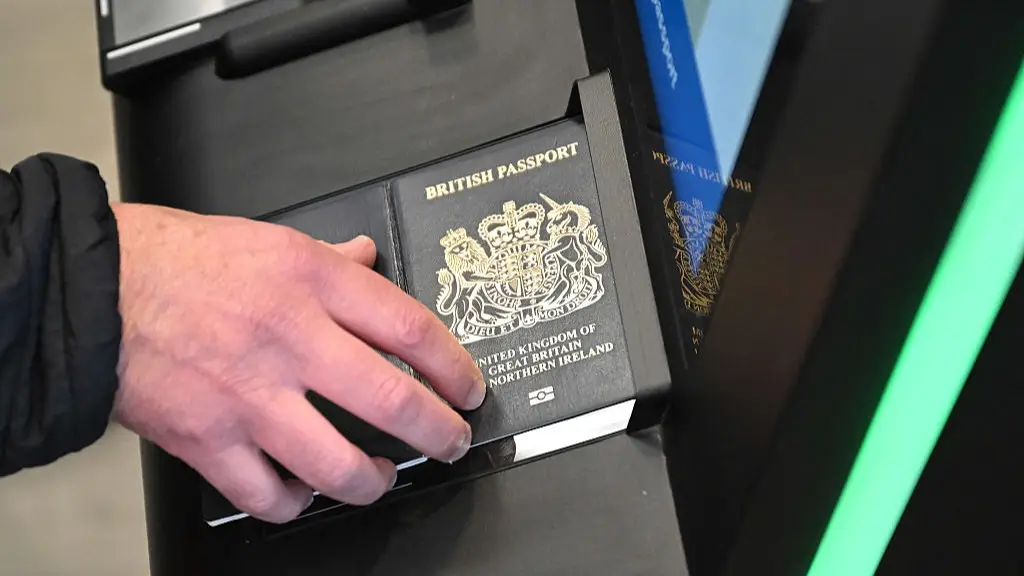
Major Brit tourist hotspots affected by hours long waits as new airport rule deadline looms

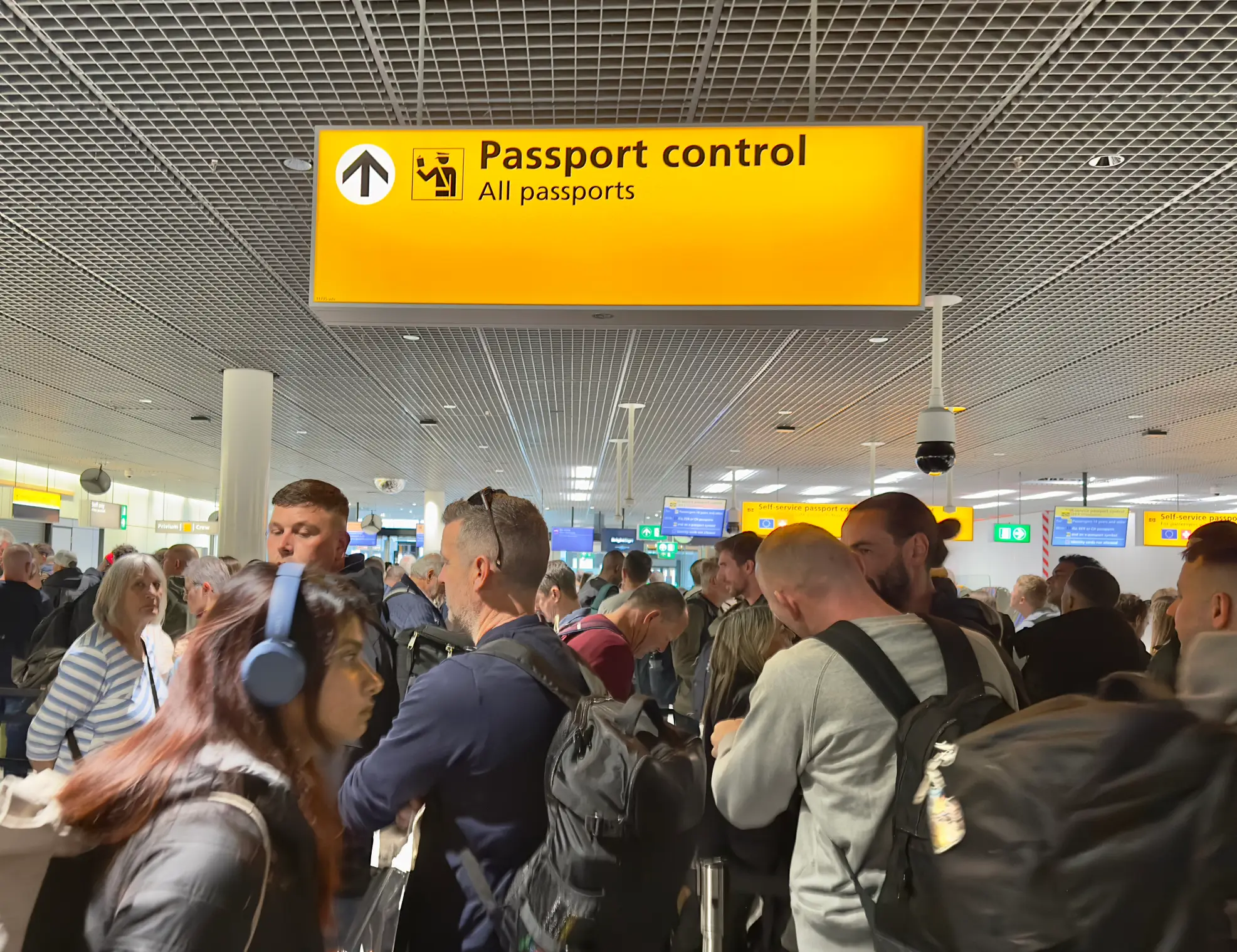
Airport passengers have been told to expect hours-long queues at passport control due to the new EU border control system.
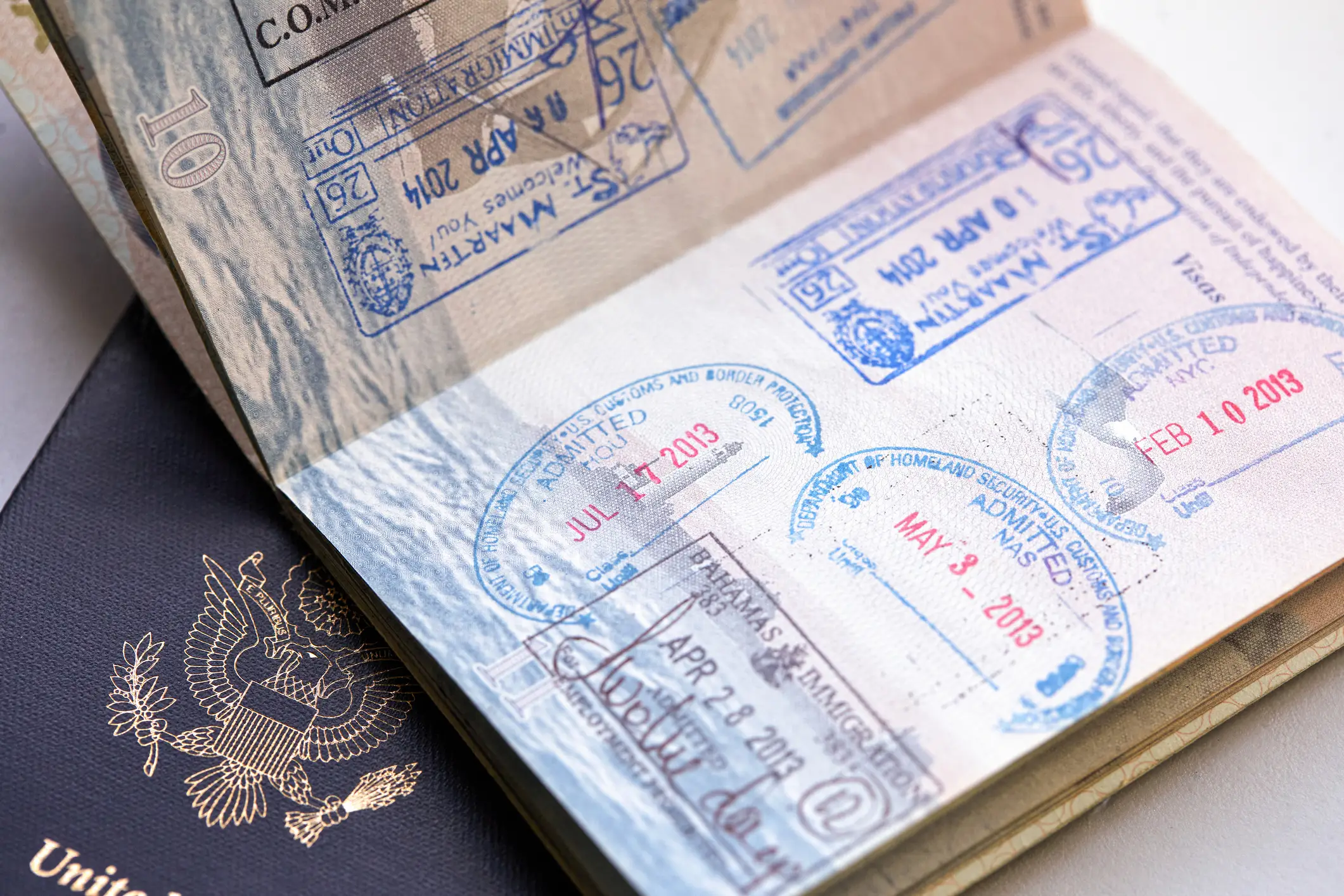
The Entry-Exit System (EES) has been introduced to remove the requirement to manually stamp passports. It's supposed to make border checks a lot quicker once it's set up.
"EES will contribute to prevent irregular migration and help protect the security of everyone living in or travelling to Europe," the EU said.
Non-EU nationals will face the automated IT system each time they cross the external borders of 29 European countries during a short stay.
Advert
The EES registers personal details like name, travel document data, biometric data (fingerprints and captured facial images), date, and place of entry and exit.
While it began a phased rollout in October 2025 across many European airports, the deadline for EES across all Schengen area borders has been set at 10 April, 2026.
Expect queues
A group representing airports said that there could be five-to-six-hour queues over the summer.
Over the past week, videos on social media have shown three-hour-long queues at Geneva airport's passport control - a British holiday hotspot for skiers that gets particularly busy during the winter period.
Geneva airport, however, believes EES had caused 'congestion... particularly on Saturdays during the busy ski season'.
A spokesperson admitted that it has been a 'major challenge' so far 'for Swiss customs'.
There has also been long waits reported at Tenerife, in the Canary Islands, too.
'A few times the systems have gone down'
Andrew Knight, who runs Sanasty Car Hire at Tenerife airport, told the BBC that some passengers get through 'in about 20 minutes', while 'other people are experiencing one and a half, two-hour delays waiting to use the systems'.
Knight said that even 'a few times the systems have gone down', calling it 'hit and miss'.
Justifying the high-tech move, the EU said: "The new system will also help non-EU nationals to travel more easily while also identifying more efficiently overstayers as well as cases of document and identity fraud.
"In addition to this, the system will allow a wider use of automated border control and self-service systems, which are quicker and more comfortable for the traveller."
Julia Lo Bue-Said, chief executive of Advantage Travel Partnership, instead warns that Brits should aim to get to the airport four hours before their departure time, as the roll-out is expected to cause big delays.
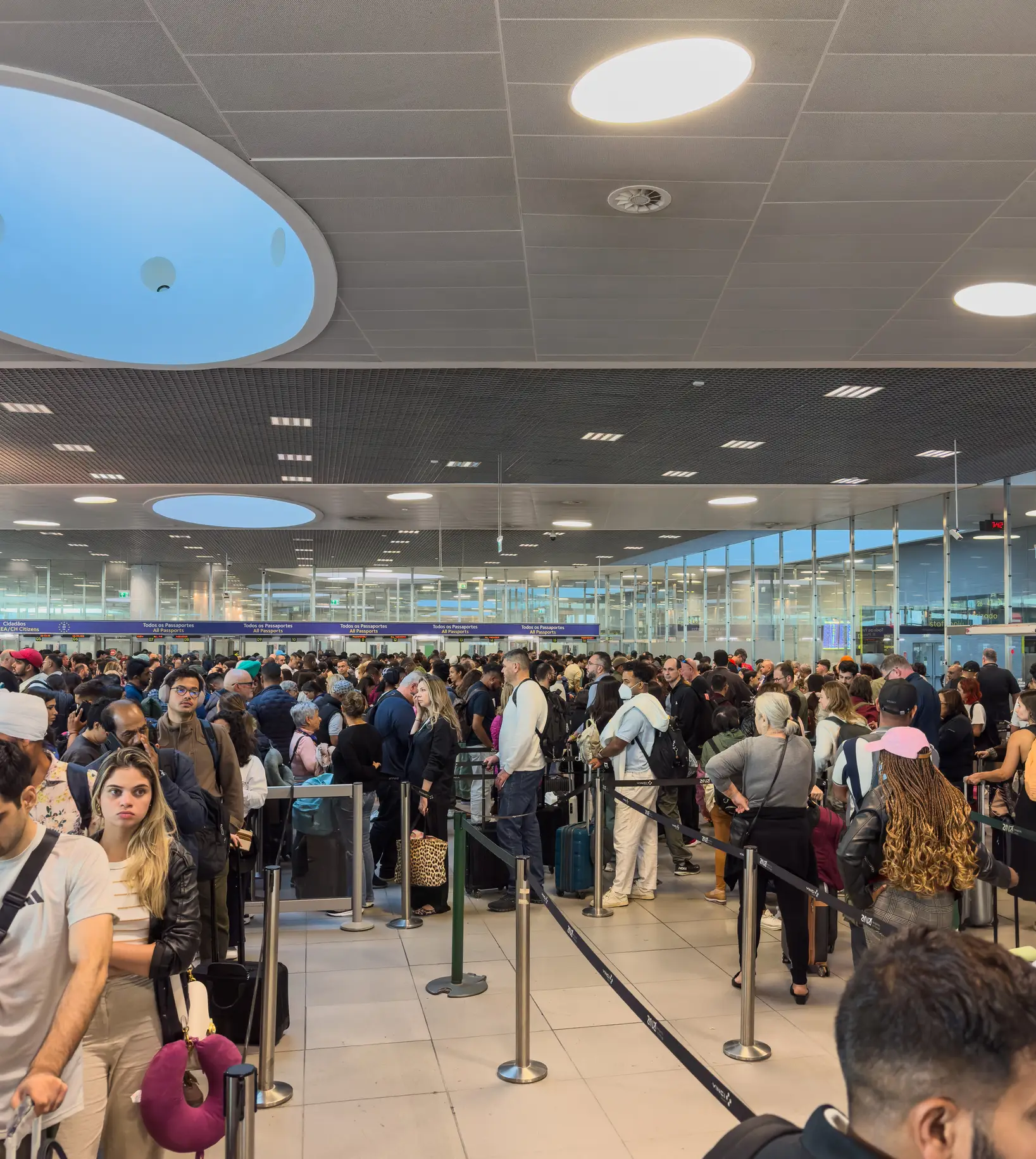
“For major airports in southern Europe, we recommend that travellers now allocate four hours for navigating the new system in these initial stages,” she said.
Bue-Said added that 'delays should be anticipated' at border controls when flights arrive at similar times, and 'we foresee potentially overwhelming volumes of travellers during the initial roll-out'.
Countries introducing the EES system
The following 25 EU countries in the Schengen Area, and four other nations not part of the EU, will use the EES:
• Austria
• Belgium
• Bulgaria
• Croatia
• Czech Republic
• Denmark
• Estonia
• Finland
• France
• Germany
• Greece
• Hungary
• Iceland
• Italy
• Latvia
• Liechtenstein
• Lithuania
• Luxembourg
• Malta
• Netherlands
• Norway
• Poland
• Portugal
• Romania
• Slovakia
• Slovenia
• Spain
• Sweden
• Switzerland
Ireland and Cyprus will still use manual passport stamping.
 Anish Vij