
Woman says females 'must masturbate to save their lives' after cancer diagnosis

A woman who had to have part of her labia removed following a cancer diagnosis is urging other women to masturbate regularly to avoid the 'agony' she went through.
Laura Liddle was diagnosed with vulval cancer in July 2025 after having spent months in uncontrollable pain and experiencing itchiness and swelling.
For three months, trips to see the GP saw her tested for the likes of thrush and STI, with all her results coming back clear.
But eventually, she was referred to the gynaecology department at the hospital where a biopsy revealed the 31-year-old had pre-cancerous VIN 3 (Vulval Intraepithelial Neoplasia).
Advert
She underwent surgery to have part of her labia removed, leading to the devastating news it had developed into vulval cancer. And now cancer-free following a surgery to remove lymph nodes in her groin in December, Laura is advocating for the importance of women knowing their way around themselves for their health.
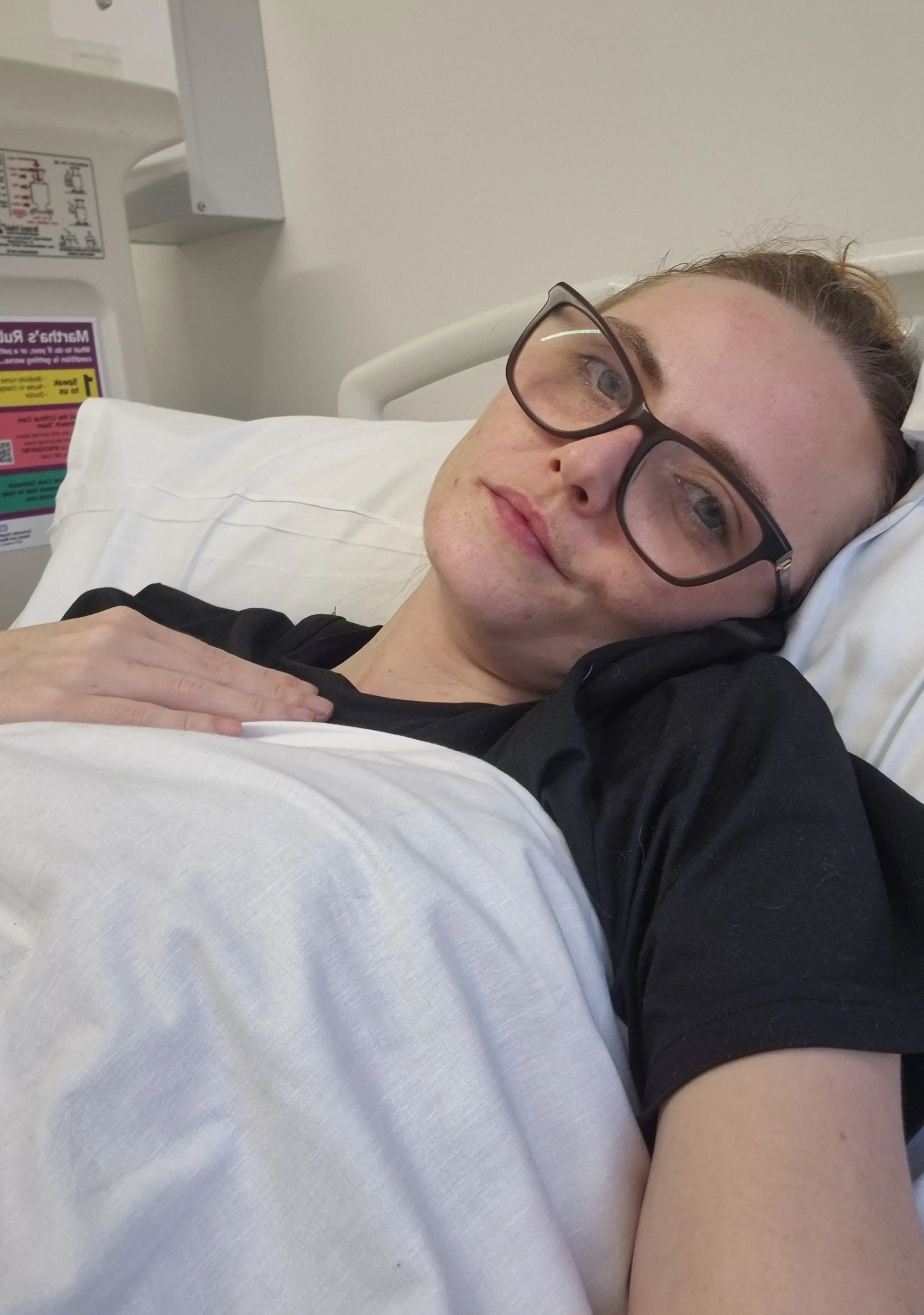
'I just put it off as nothing'
The hospitality worker was recovering from groin abscess surgery back in March 2022 when she first became aware there may be a problem.
She was cleaning her wound when she noticed something ‘didn’t look right’ with swelling in her left labia.
However, as it wasn’t painful, she just brushed it off as ‘her anatomy’ as no one is ‘the same as other’.
“None of my partners have ever mentioned it, to me it was just normal, I just put it off as nothing,” Laura explained.
But by the beginning of last year, it was getting much worse, to the point where she ‘couldn’t wear underwear’.
“I couldn't walk and I couldn't sleep, I was in proper agony,” Laura added, comparing the sensation to ‘someone bashing stinging nettles’.
“I was constantly scratching, even in my sleep, I was hurting myself because I had false nails on,” the woman continued. "I've suffered with thrush my whole life and the doctors kept putting it down to that.”
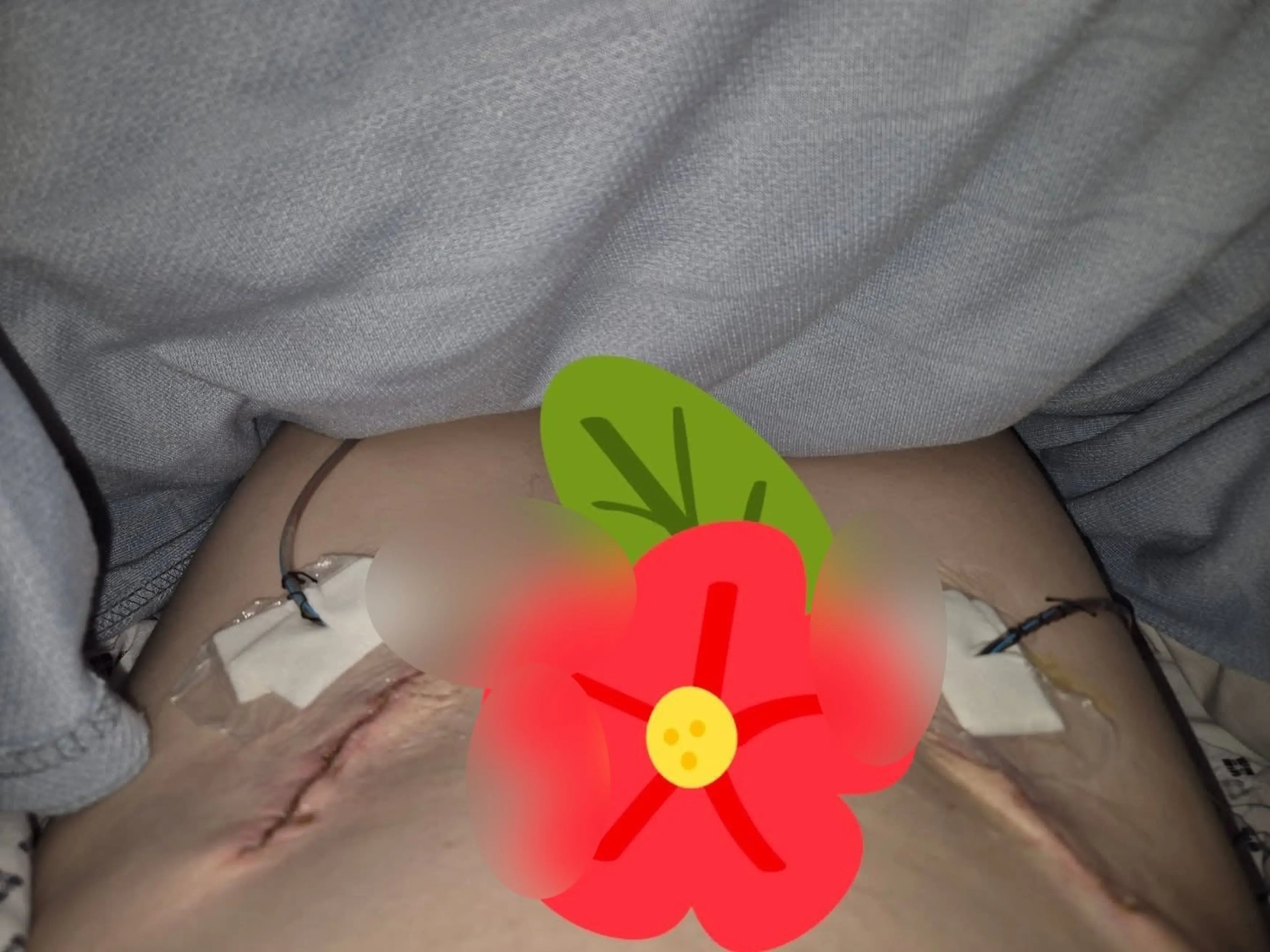
Even with a local anaesthetic gel to numb it, Laura couldn’t get rid of the pain.
And it wasn’t until surgery and her diagnosis that things started to make sense.
Ahead of the procedure, she told them ‘under no circumstances’ could they ‘remove my clit’ as other parts of her vulva were removed.
Explaining it is very rare, Laura has been told the surgery will likely affect her sex life as she says it is also ‘very painful’ when she goes the toilet.
"Where they've removed skin it can make it a lot narrower so it can make it a lot more painful when you have sex," she added.
"I could have a loss of sensation and it could be harder for me to climax, but I have no intention of having sex any time soon."

'You could probably save your life'
Laura is sharing her experience in order to encourage others to regularly check themselves and get anything unusual looked at.
"A lot of young girls don't touch their vaginas, they don't look at their vaginas, it's a taboo thing to do,” she explained.
"You have to know what it feels like, you have to know what is down there for you to know if something's not right. I'm a big advocate for female masturbation, that's how you feel that things are not right.
"If you don't touch yourself and know what your normal is, how are you going to know what your abnormal is? You could probably save your life.
"I think it [vulval cancer symptoms] really needs to be talked about and be advertised everywhere."

Vulval cancer explained by the NHS
Vulval cancer is cancer that's found anywhere in the vulva. The vulva is the area around the opening of the vagina, including the inner and outer lips around the vagina (labia) and the clitoris. Vulval cancer may be caused by certain types of human papillomavirus (HPV), or by skin conditions that affect your vulva. Symptoms of vulval cancer can affect any part of your vulva, but they're most common on the inner and outer lips (labia) around the opening of your vagina.
Symptoms can include: a lump, a sore, bleeding from your vulva, or blood-stained vaginal discharge, that is not related to your periods, itching that does not get better, changes to your skin, such as red, white or dark patches, a mole that changes shape or colour, burning pain when you pee.
Always seek advice from a healthcare professional if you have medical concerns.
If you’ve been affected by any of these issues and want to speak to someone in confidence, contact Macmillan’s Cancer Support Line on 0808 808 00 00, 8am–8pm seven days a week.
 Jess Battison