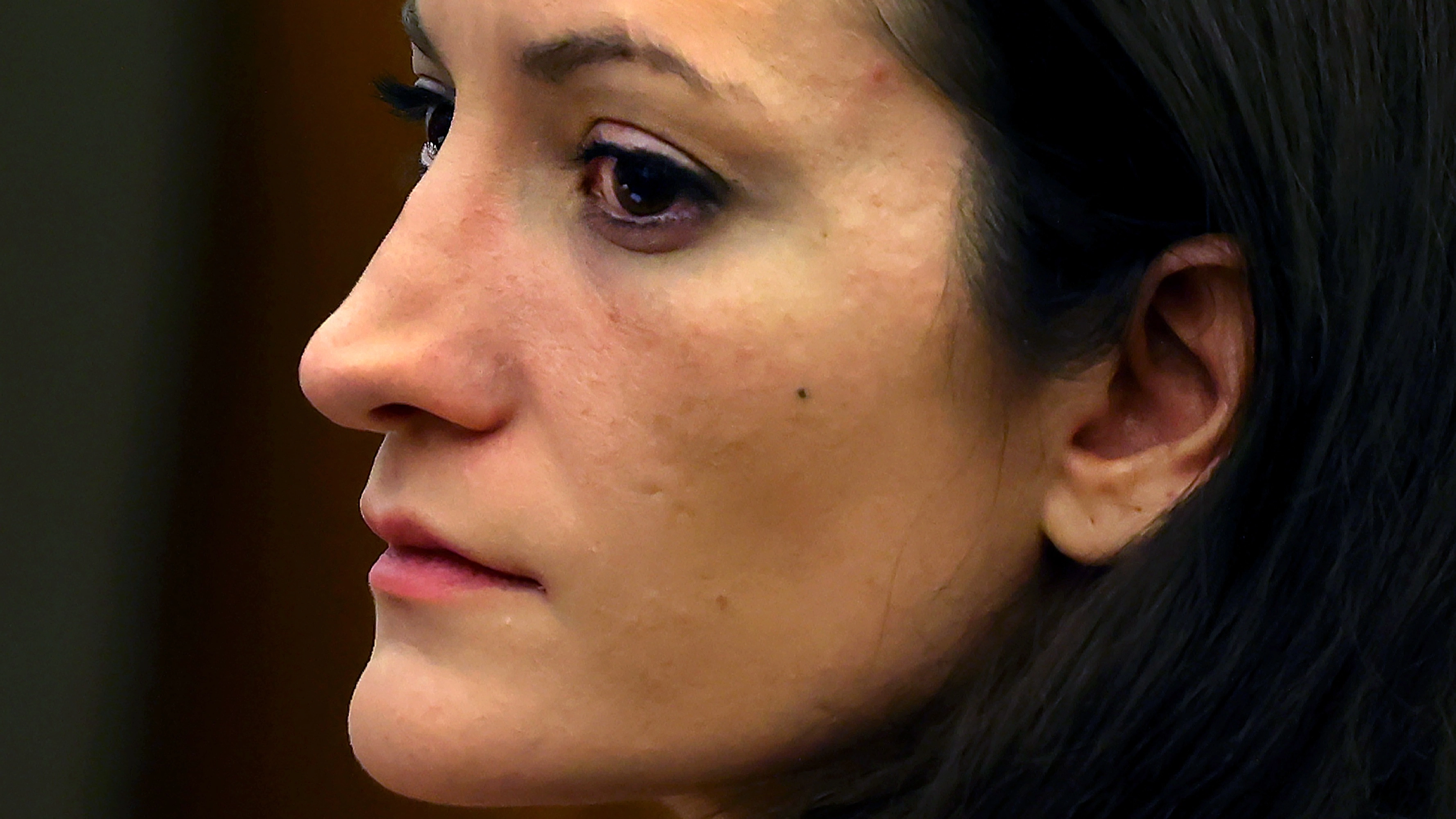
What can happen in Lindsay Clancy trial as jury fails to reach verdict again

Despite 27 hours of deliberation, the jury in the Lindsay Clancy trial has still been unable to reach a verdict.
The Clancy trial lasted an intense five weeks but a fifth day of deliberation ended in another impasse on Wednesday, September 2.
On Monday, the fourth day of deliberations, the nine women and three men of the jury told Judge William Sullivan they were unable to come to an unanimous decision in the high-profile case.
He instructed them to continue their efforts but a note was sent out at around 2pm on Wednesday informing the judge they remained in deadlock, with the session coming to a close just after 4pm.
Advert
The jury will reconvene on Thursday at 9am local time to begin a sixth day of deliberations.
Clancy, a former nurse, has been at the centre of a harrowing court case in Massachusetts amid the murders of her three young children in January 2023.
The 36-year-old's legal team does not dispute that she was behind the murders of Cora, 5, Dawson, 3, and eight-month-old Callan - however, her attorneys argue she was suffering from postpartum psychosis.
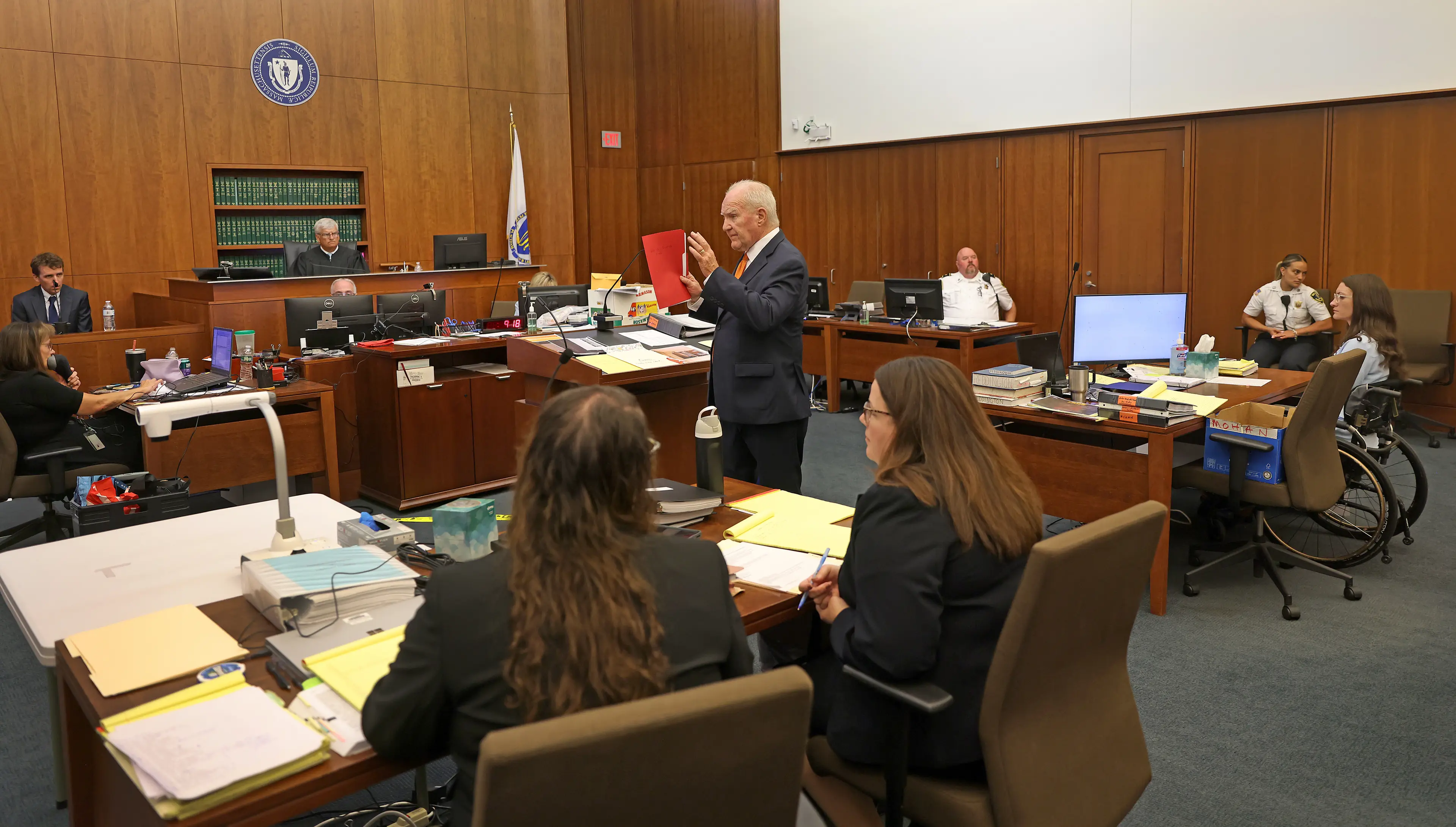
Clancy’s defence lawyer Kevin Reddington claims she could not distinguish right from wrong and acted upon auditory hallucinations which were a result of the mental health condition that impacts mothers.
However, prosecutors claim that she plotted the murders of her three children and purposely sent her husband Patrick to run errands so he was out of the house, and should therefore be held criminally responsible.
Jurors have heard a litany of heart-wrenching evidence over the last few weeks, including haunting messages sent by Clancy, concerning Google searches and harrowing descriptions of the lead up to the killings.
The mum, who was left paralysed from the waist down after jumping out of a window on the night of the killings, is charged with three counts of first-degree murder and three counts of assault and battery.
There are five possible outcomes that the jury could reach as deliberations continue.
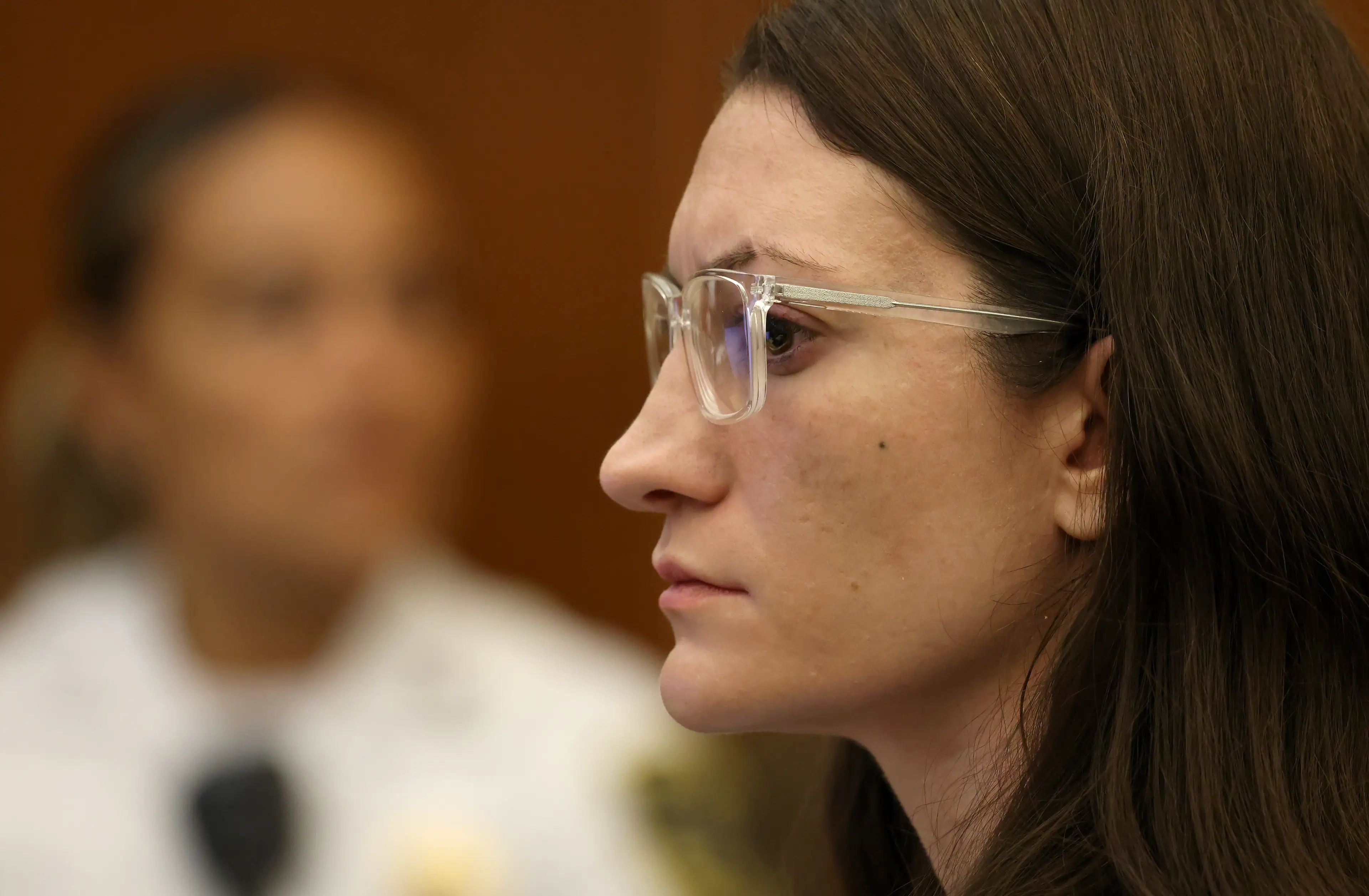
Not guilty
Although legal experts believe it is highly unlikely, Clancy could be acquitted if the jury believe the prosecution did not prove its case beyond a reasonable doubt.
But, hypothetically, she could go free with an outright acquittal.
However, due to the complexities of this case, experts such as CBS News legal analyst Caroline Polisi say she would have an 'indefinite' stay in a psychiatric hospital.
Not guilty by reason of insanity
Clancy could be found not guilty by reason of insanity, which would mean that the jurors agreed with the defence's argument that her mental state at the time means she cannot be held criminally responsible.
In this case, she would be detained in a mental health facility rather than behind bars. Criminal defence lawyer Elyse Hershon told the BBC: "The case really comes down to where she is going to serve the rest of her life; the defence thinks it should be a psychiatric facility, the prosecution thinks it should be in a state prison."
Guilty of first-degree murder
The mum could face life in prison without parole if convicted of these charges.
It all rests on whether the prosecution have convinced the jury that she premeditated the killings of Cora, Dawson and Callan.
Guilty of second-degree murder
If this is the decision that the jury reach, it means they deem Clancy guilty of the crime, but acknowledge she did not plot and plan it prior.
New York Law School professor and expert in mental health law, Heather Cucolo, told the BBC: "For this verdict, the jurors may not be convinced that the actions leading up to the murder rose to the level of pre-planned [or] premeditated but that instead, Clancy consciously saw an opportunity to commit the killings at the specified time."
It would also likely result in a life sentence for Clancy, but there would be a possibility of parole.
Guilty of manslaughter
Fifth and finally, Clancy could be convicted of manslaughter if the jury rule that she took the lives of her three children unintentionally 'by wanton and reckless conduct'.
The maximum sentence for this is 20 years per each count.
Cucolo added: ""This option allows the jury to accept that the murders were not planned or calculated but that instead Clancy made a split-second decision to act."
What if the jury cannot reach a verdict?
When encouraging the jury to continue deliberations on Tuesday, Judge Sullivan said: "I know that this was a long trial, all right. I know there were over 80 witnesses.
"There were over 300 exhibits. But because of that, I’m going to ask you to go back out."
Due to laws in Massachusetts, he can only order them to continue deliberating on one more occasion, unless the jurors agree to more.
But if they can’t reach a verdict, a mistrial or hung jury could be declared.
Witnesses who have testified at Lindsay Clancy’s trial
Patrick Clancy
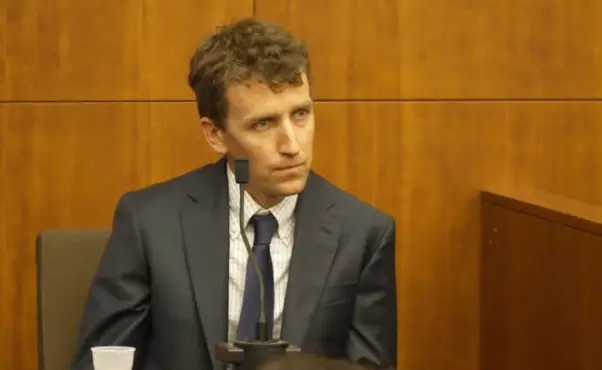
After the jury heard the opening statements on 27 July, Clancy’s ex-husband, Patrick Clancy, was the first person to take to the stand.
Patrick testified that Clancy struggled after the birth of their third child, Callan, and that in the months before the January 2023 killings, she told him she was having thoughts of suicide and of harming their children.
He claimed that December 2022 ‘was really where her big spiral started’.
Patrick told the court: “She started to lose a lot of weight, and she became very depressed, and she was having a really hard time.”
After Clancy spent some time in a locked-ward facility, Patrick said he was ‘hopeful' as ‘she seemed much better’.
He later recalled the day of the killings, testifying that Clancy initially ‘seemed in a good mood’ and ‘was having one of her best days’.
But on returning home to find his children dead, he said he ‘saw blood everywhere’.
Around a week later, Clancy called her then-husband from hospital, Patrick said.
“She didn’t talk about our kids, she talked about what she went through,” he testified. “She said she heard a man’s voice telling her that if she didn’t do it now, she would lose her chance - or something like that.”
Elaine Rossi, former nanny
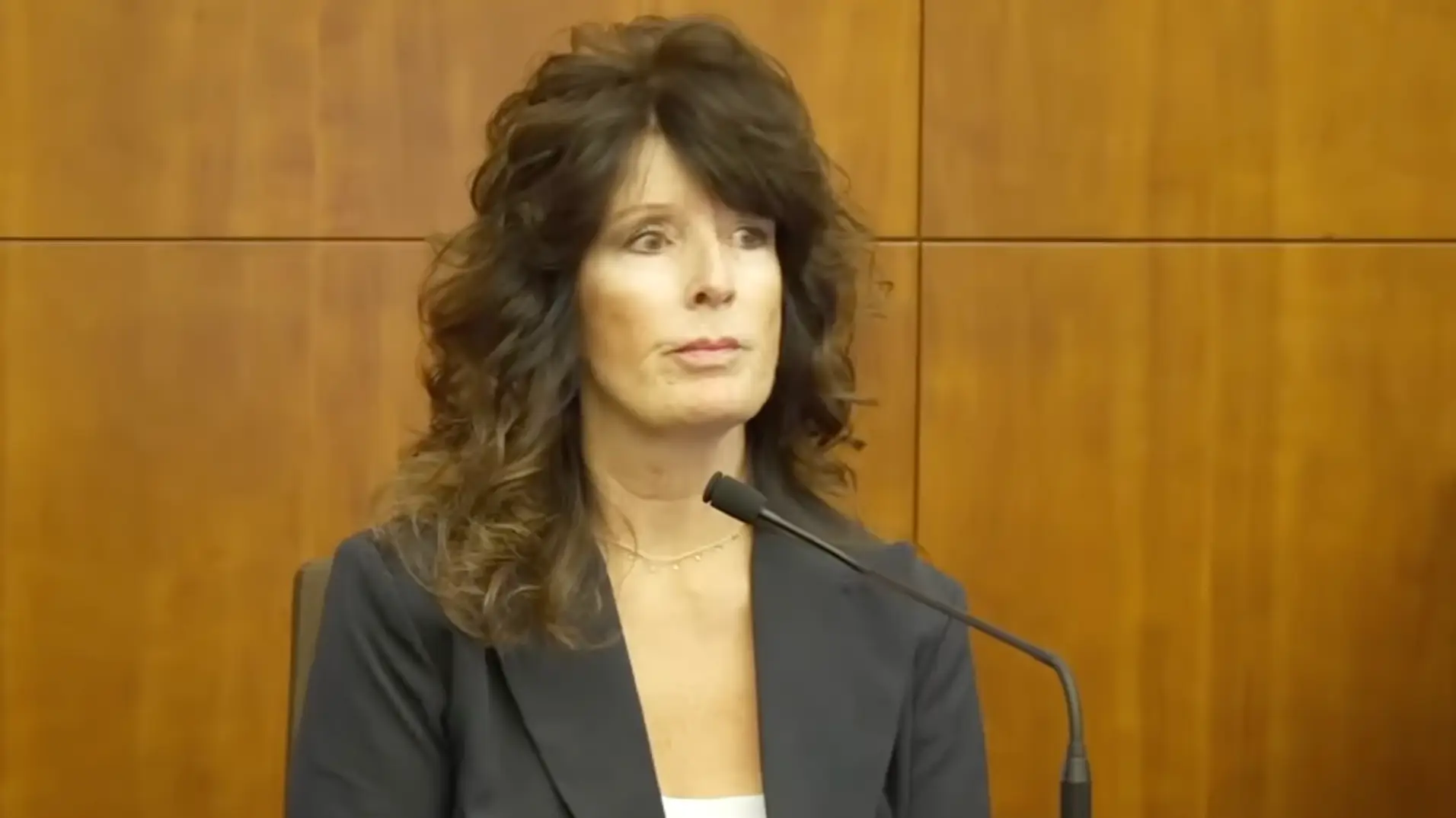
Elaine Rossi, who worked as the Clancy family's nanny from September to December 2022, testified that Clancy was a ‘wonderful mum who loved her kids’.
“She was concerned about their safety, and Callan eating and sleeping. She was a wonderful mother,” she told the court.
Rossi recalled seeing prescription medicine bottles in the house, and that Clancy ‘shared with me she had postpartum and couldn't sleep’.
The nanny also testified that she noticed the mum had lost a significant amount of weight, but she said she never feared for the children's safety.
Timothy Chiappini, state trooper
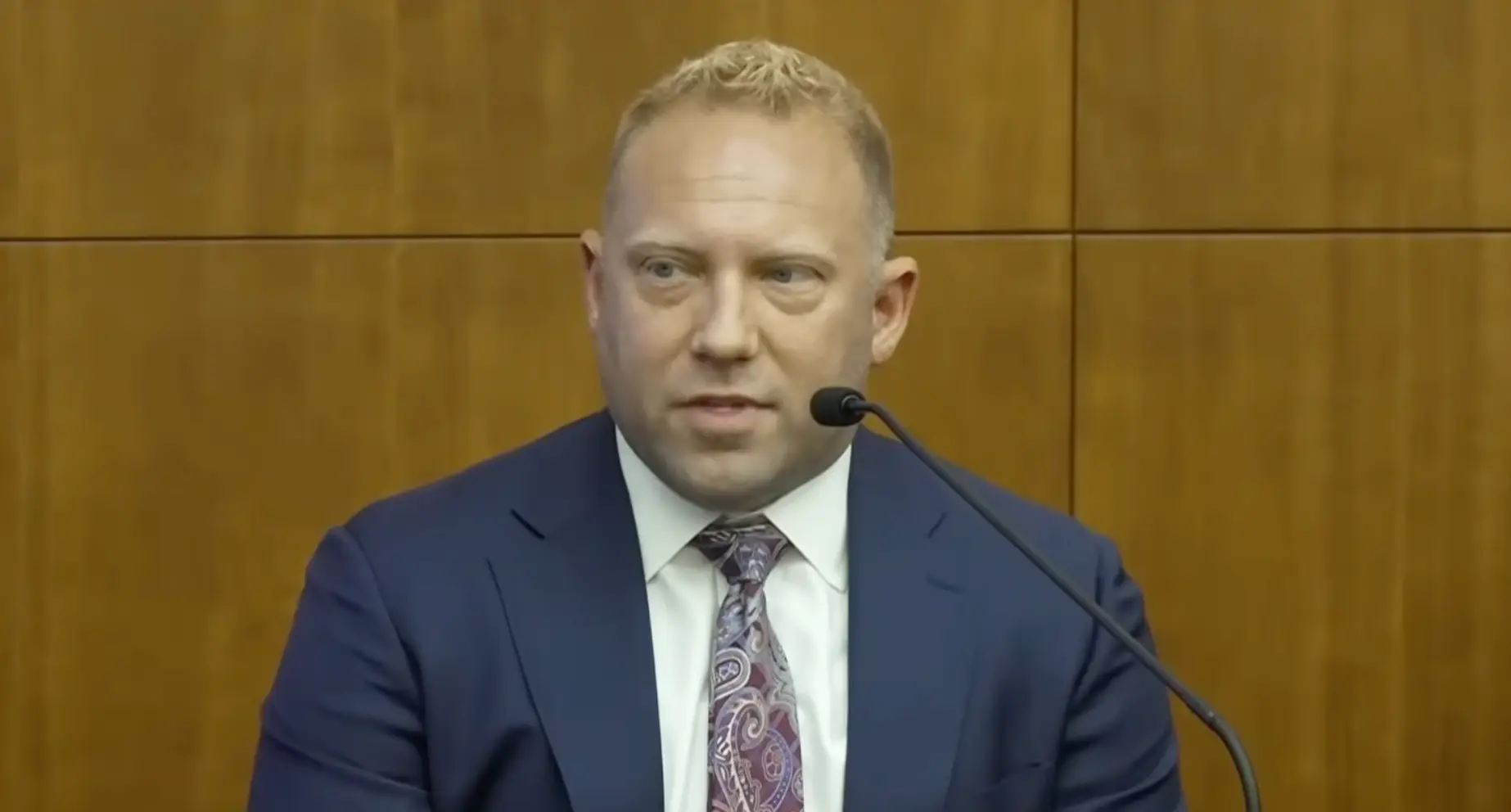
Timothy Chiappini was tasked with doing a forensic analysis of Clancy's cellphone, testifying that she searched 'can you treat a sociopath' days before her children were killed.
The former detective also read out entries from her notes app. “I'm sad and depressed because I am not able to parent my third child like my first,” one excerpt, dated 25 October, 2022, read in part.
Jennifer Tufts, psychiatrist
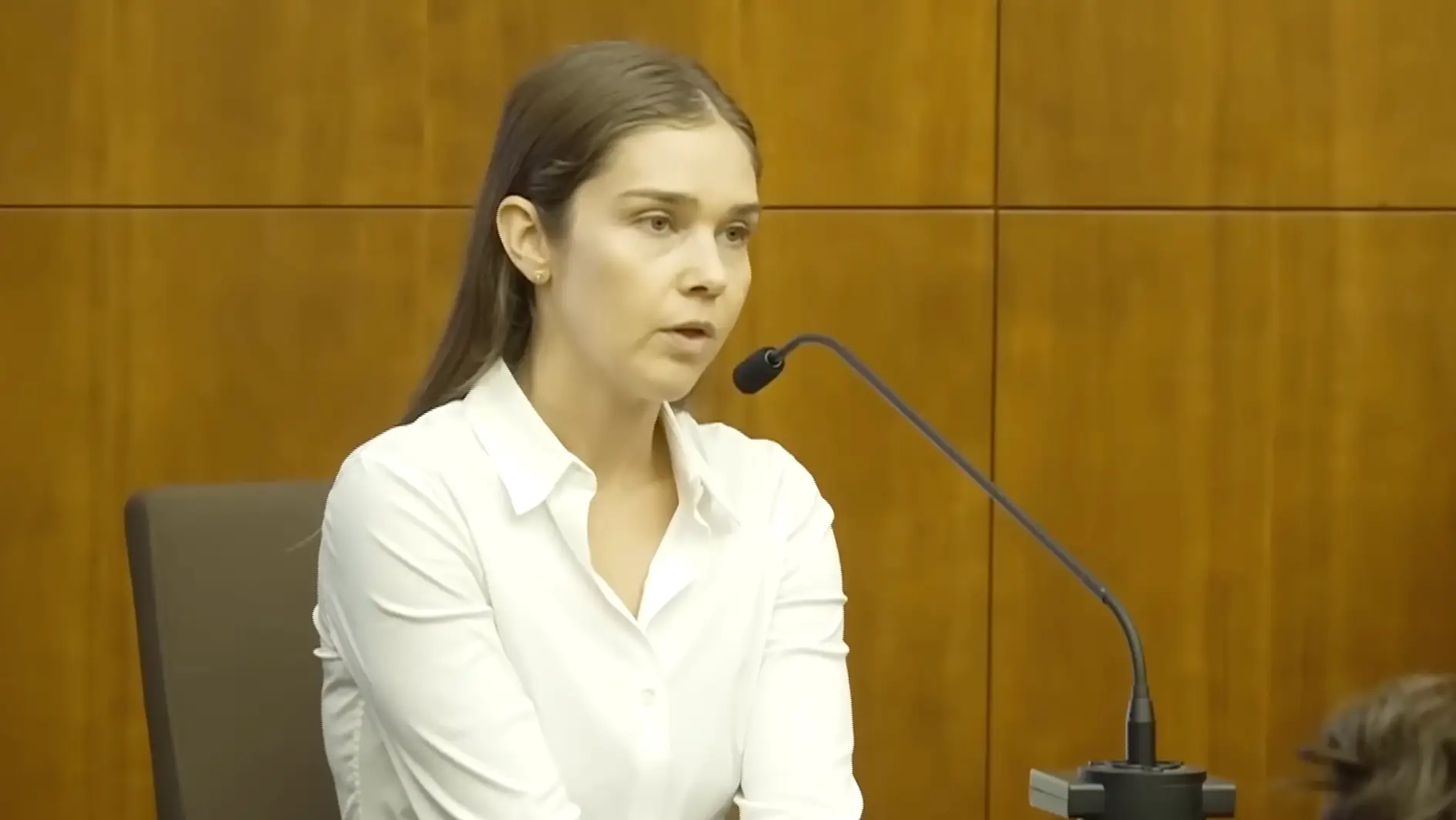
Tufts, who first began treating Clancy in September 2022, testified that the mum had ‘denied having suicidal thoughts but felt that she was getting close to it’ in December 2022.
Clancy’s defence attorney asked Tufts: “Would it surprise you to know that she called a suicide hotline in that timeframe, not once but twice, and was turned away?”
She replied: “It does surprise me, yes. It surprises me that she called them twice.”
When asked if Tufts had ever asked Clancy about calling the suicide hotlines, the psychiatrist said she didn’t think she had ‘specifically asked that’.
Clancy had more than a dozen sessions, which took place over an online video link, with Tufts. Their final appointment was on 23 January, 2023 - the day before the killings, the court heard.
Paula Musgrove, Clancy's mother
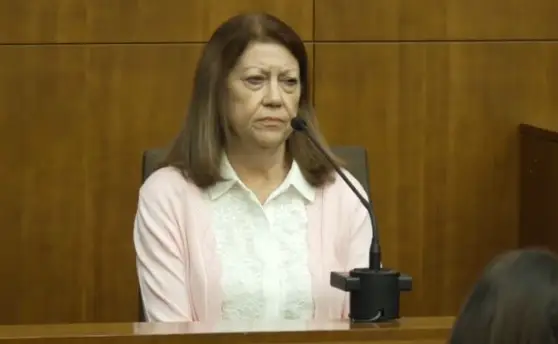
Paula Musgrove described her daughter as a loving and devoted mum whose mental health began to decline in October 2022.
The jury was shown a text from Clancy to her mother from that time; it read: “Mom, will you please come up and stay with me for a bit? I'm really sick. Something is wrong.
“I had horrible insomnia all night, and I just don't know how I am going to get through the day... I started taking the medicine my doctor prescribed for anxiety and I think it's made things worse. It's just really scary and I don't want to be alone.”
Musgrove told the court about a conversation she had with Clancy and her then-husband, Patrick, in December 2022.
“She told us she had thoughts of harming the children,” she said.
Musgrove testified that Clancy grew increasingly fearful of sleeping alone, suffered from insomnia, and became convinced that the numerous psychiatric medications she was being prescribed were ‘destroying her mind’.
Allison Ozga, Clancy’s sister
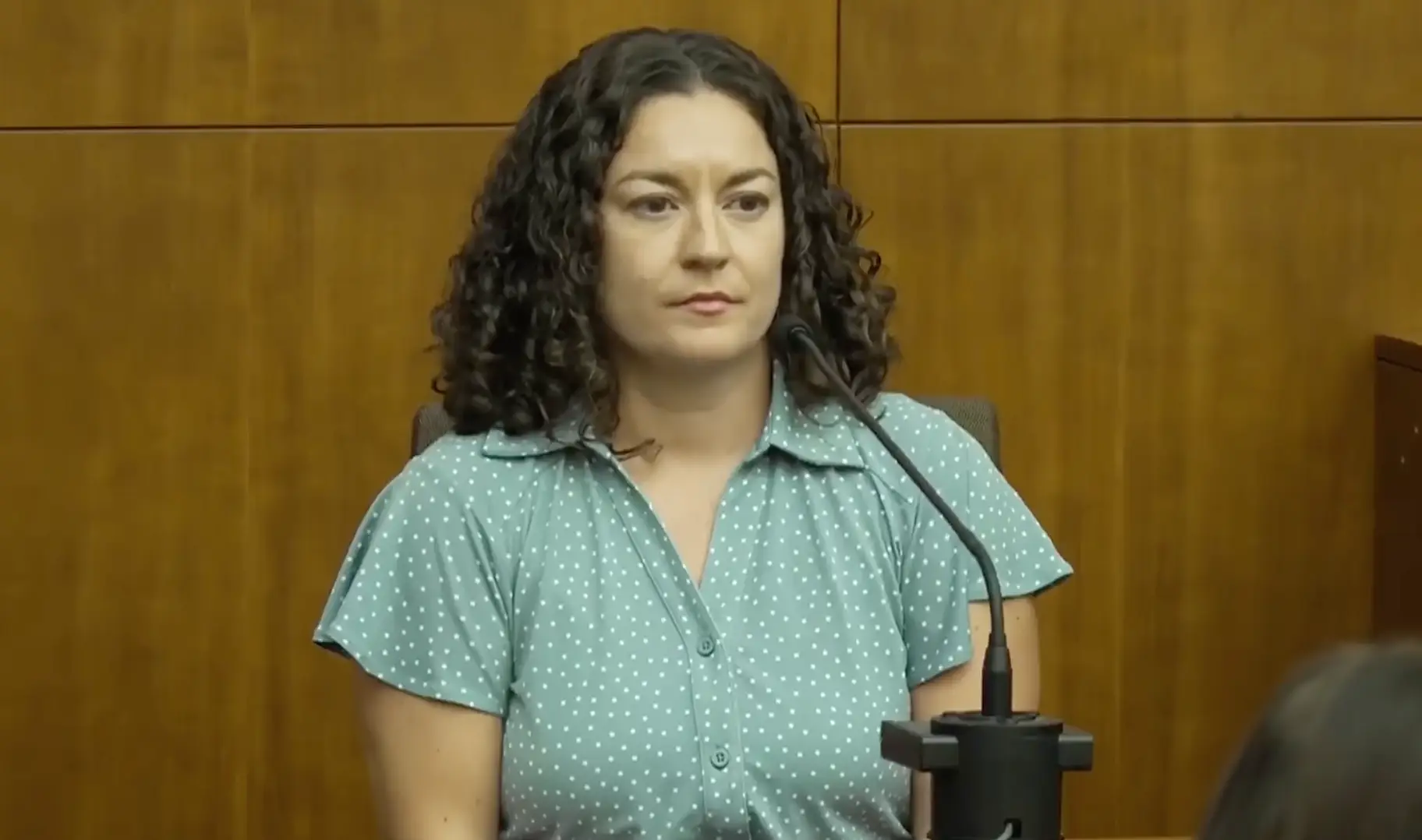
Ozga testified that when she saw her sister during Thanksgiving 2022, her ‘mood did not look good’ and she ‘didn’t seem very energised’.
Clancy told Ozga that she was experiencing suicidal thoughts every day for a month before the killings, her sister said.
She told the court: “I had this gut feeling that something was off and that she was really struggling, and I asked her if she was safe. She said ‘yes’ at that point.”
Ozga also said she had concerns when she saw Clancy at Cora's birthday in January 2023.
She testified: “I think she looked like she was going through the motions of putting together a birthday party for her daughter. But she looked tired. She looked like she was still struggling.”
Christopher Clancy, Patrick's father
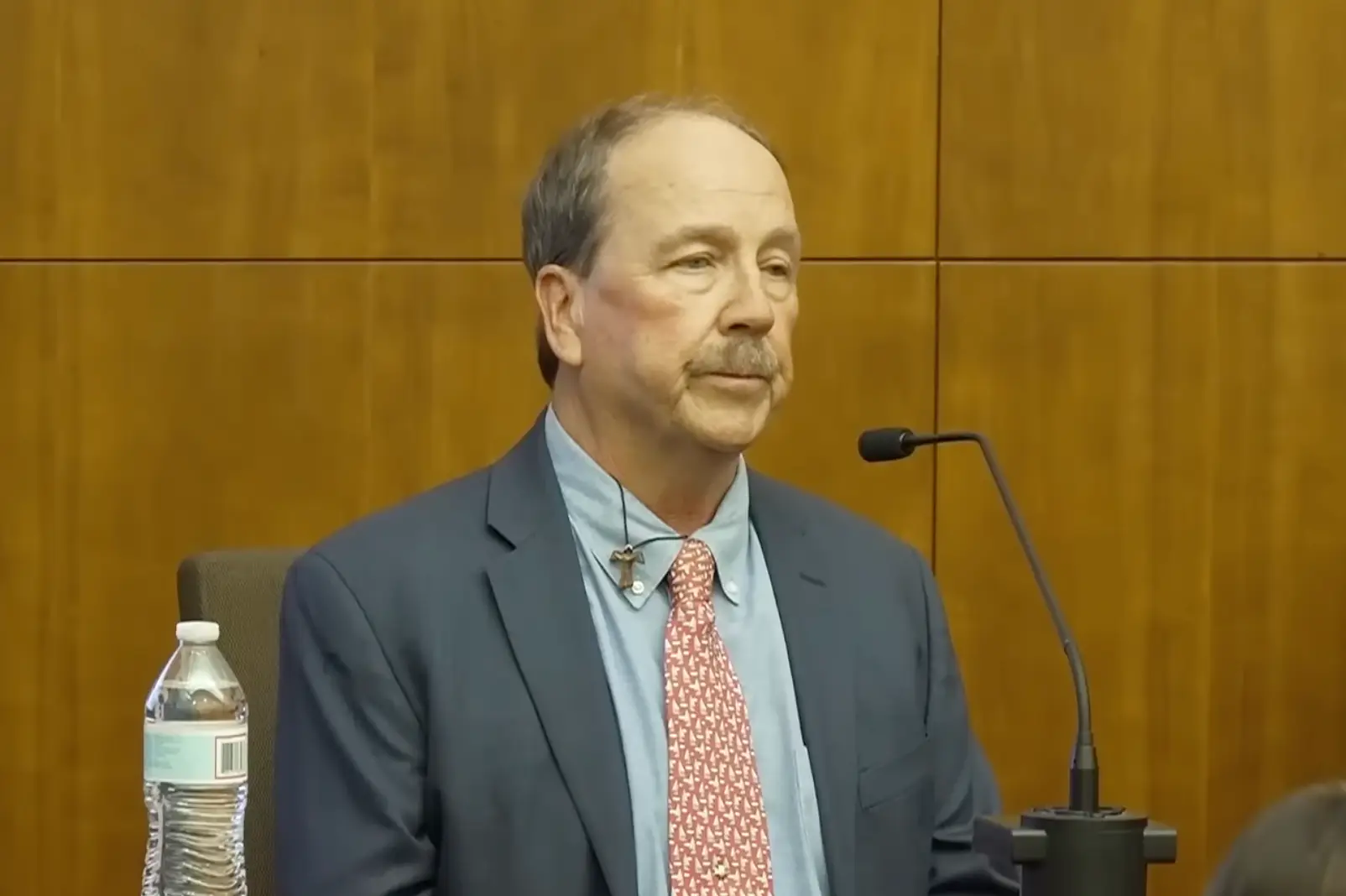
Clancy’s former father-in-law, Christopher Clancy, testified that she was ‘very mothering’ and protective ‘like any mother would be’.
On how she appeared in December 2022, he told the court: “She was very, very good. She fed them great. She did a lot of things with them …like the all-American family.”
Christopher testified that he ‘knew she [Clancy] was having a hard time sleeping’, adding: “I knew she didn’t feel well … I knew she went to the emergency room where my wife was working.”
When the prosecutor asked Christopher about receiving a call from Patrick on the night of the killings, he said: “It was terrible.”
Susan Clancy, Patrick's mother
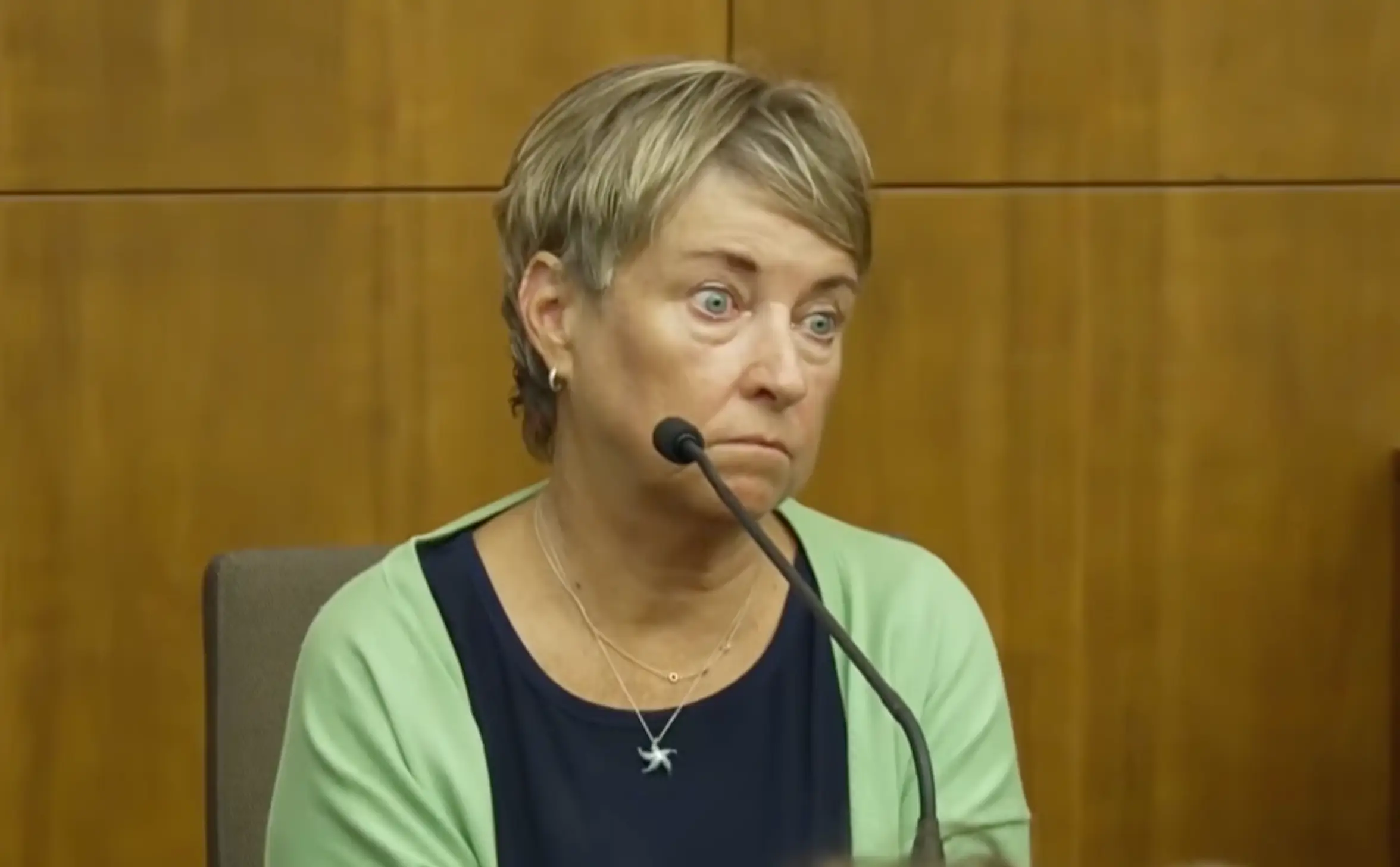
Susan Clancy testified that her former daughter-in-law was a ‘very nurturing, very loving’ and ‘a wonderful mother’ who was ‘begging for help’.
“She had insomnia. She was losing her appetite,” she said. “She was very anxious and sad.”
When asked by the defence if Clancy had been ‘interested at all times in trying to get better and see doctors’, Susan responded: “Very much so.”
Margaret Hamp, Clancy’s former co-worker
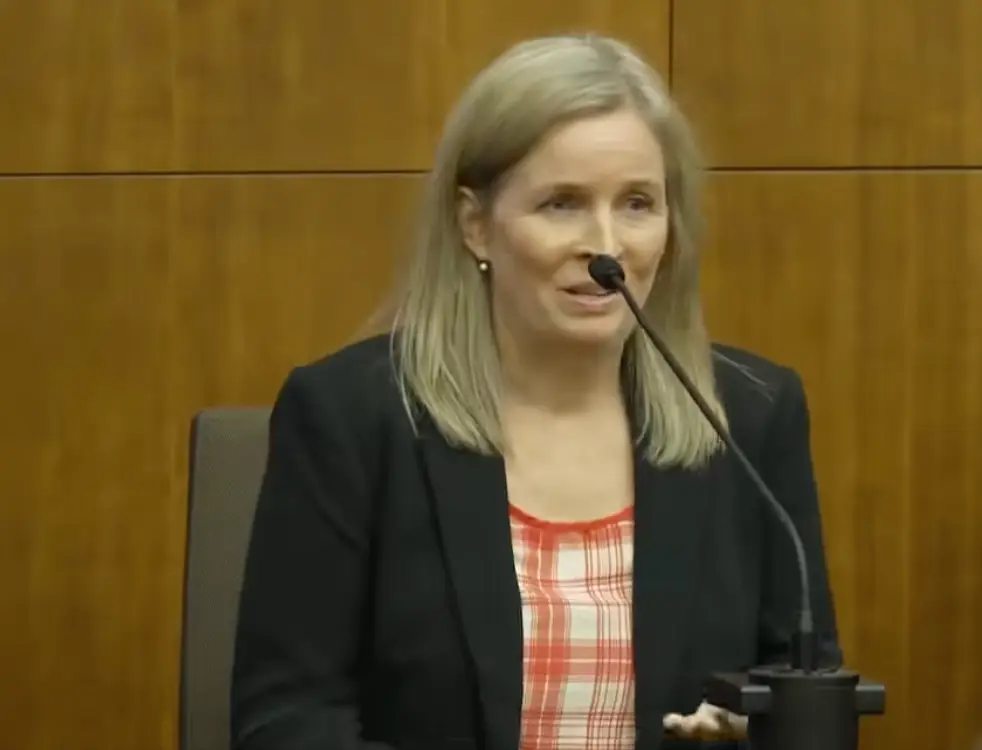
Margaret Hamp, who worked with Clancy at the Massachusetts General Hospital, recalled a conversation they had about Andrea Yates, a woman who confessed to drowning her five children in the bath in 2001.
Hamp told the court: “I asked [Clancy] if she had ever heard of the Andrea Yates case and she hadn't.
“I explained that to her and she cried, and she said: 'How could a mother hurt her children?'”
Hamp testified that Clancy ‘loved being a nurse’, adding: “She was compassionate. She was kind. She was a patient advocate.”
Friends of Clancy
Amy Bevins
Amy Bevins, who had known Clancy for 29 years, told jurors she communicated with the mum just days before the killings.
“She had shared that she had been taking a medication that caused her to have some dark thoughts, but that she was going to, or had been weaning, like tapering off that medication,” Bevins testified, later adding: “I remember it being something where there was conveying of hope, and that it was going to be a, you know - we were moving in a positive direction.”
Bethany DeCollibus
Another friend, Bethany DeCollibus, described speaking with Clancy during one of the kids' birthdays in January 2023, where Clancy was apparently struggling with sleep.
"She responded that things haven't gotten any better, and that she feels like a zombie," she testified.
Andrea Hennigan
Andrea Hennigan, who worked with Clancy at the Massachusetts General Hospital, testified that Clancy told her she wouldn’t return to work because she ‘was not in a mental state to take care of patients’ after Callan was born.
“She talked about insomnia and not feeling herself,” she said. “I believe she might have used the words brain fog or something like that.”
Topics: Mental Health, True Crime, US News, Lindsay Clancy
 Olivia Burke