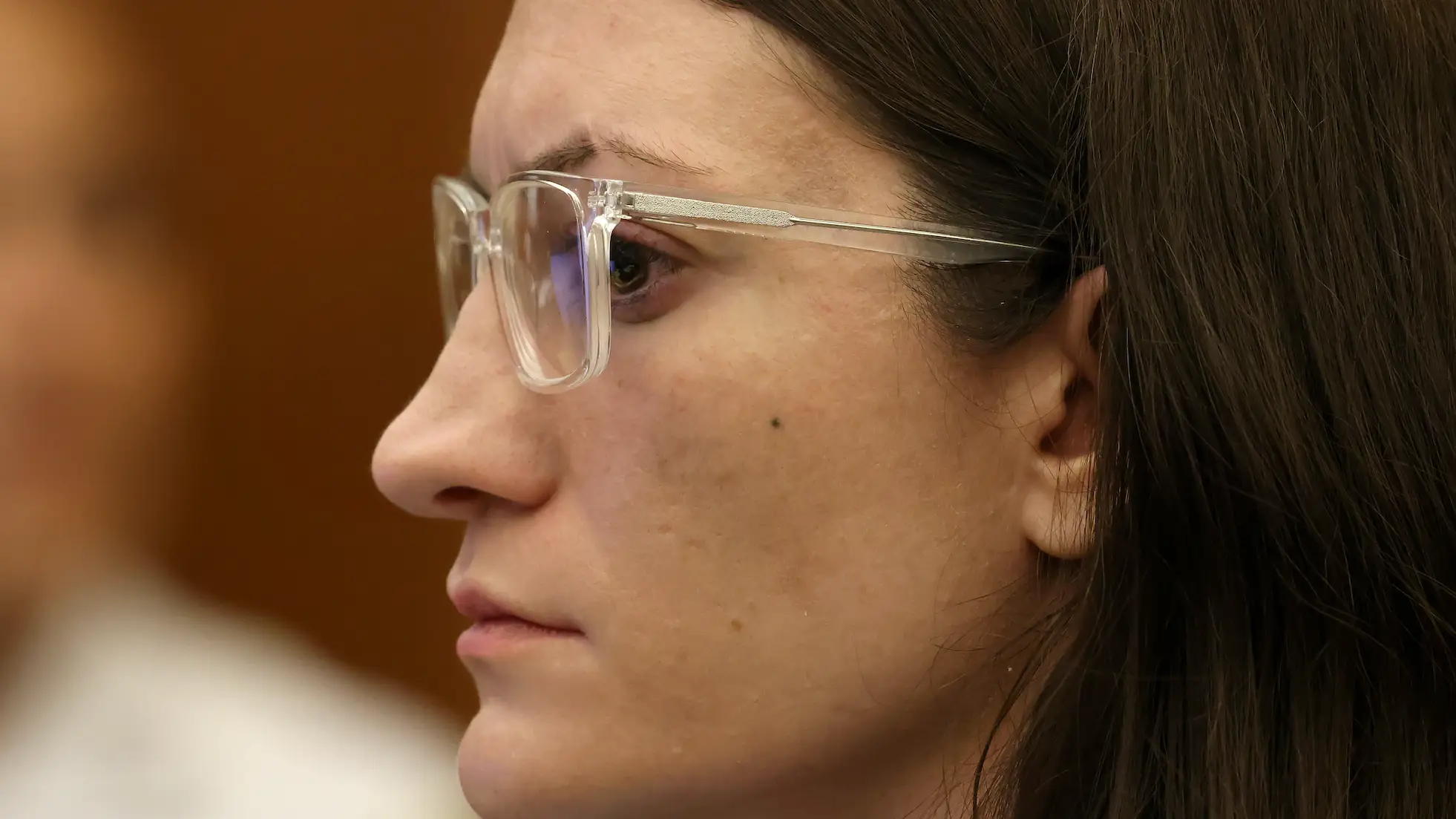
Haunting Lindsay Clancy diary entries reveal desperate pleas before killing her three children

Warning: This article contains discussion of suicide and the death of children, which some readers may find distressing.
Devastating notes detailed how a US mother was struggling with symptoms of postpartum psychosis in the months before she killed her children.
Lindsay Clancy is currently standing trial over the deaths of her three children - Cora, five, Dawson, three, and eight-month-old Callan - in January 2023, before trying to take her own life.
Clancy is accused of intentionally killing her children, an event which her legal team do not deny, with the defence arguing that the 35-year-old had suffered from deteriorating mental health and is not criminally responsible for strangling her children.
Advert
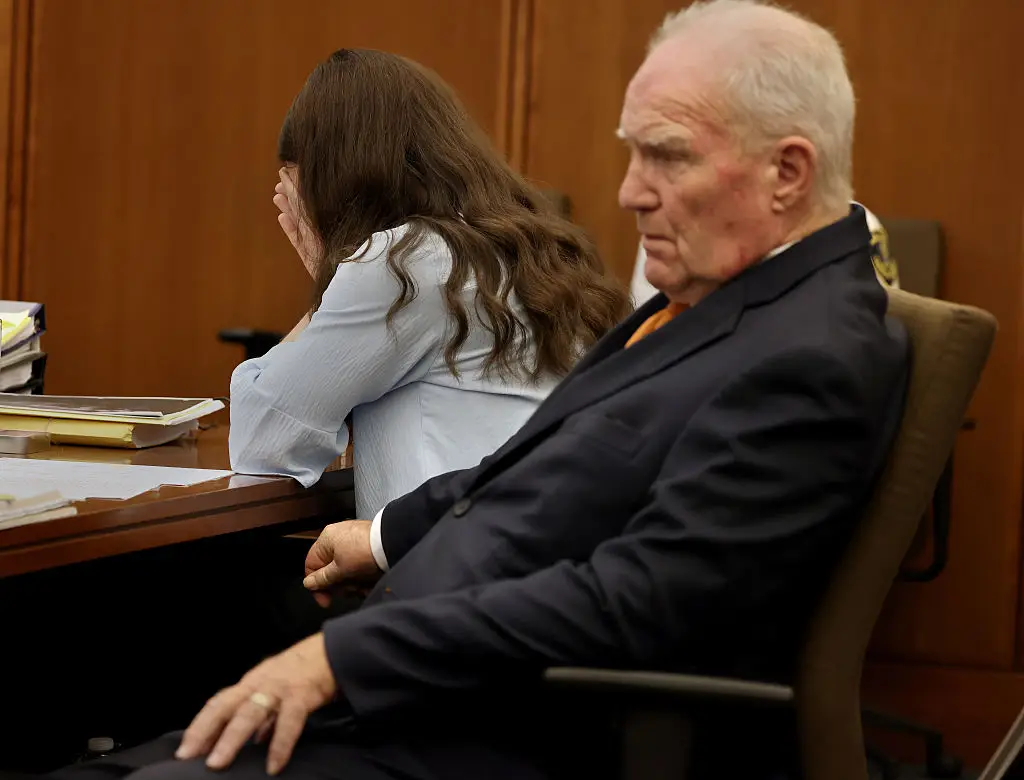
The Massachusetts trial is ongoing, with jurors shown Clancy's haunting journal entries in the months leading up to the children's deaths.
"I want help. I want to be well."
Journal entries shared with the court on Monday revealed that Clancy had been experiencing feelings of guilt after the birth of Callan, including anxiety about the youngster's lack of sleep, not being able to breastfeed and feelings of emotional disconnection from her family.
"I want help. I want to be well," read one entry shared by her attorney Kevin Reddington, while another revealed Clancy's struggles with 'crazy brain fog'.
"I live moment to moment waiting for the next nap time. I'm terrified of Cal getting overtired now because I feel can't help him," read another entry.
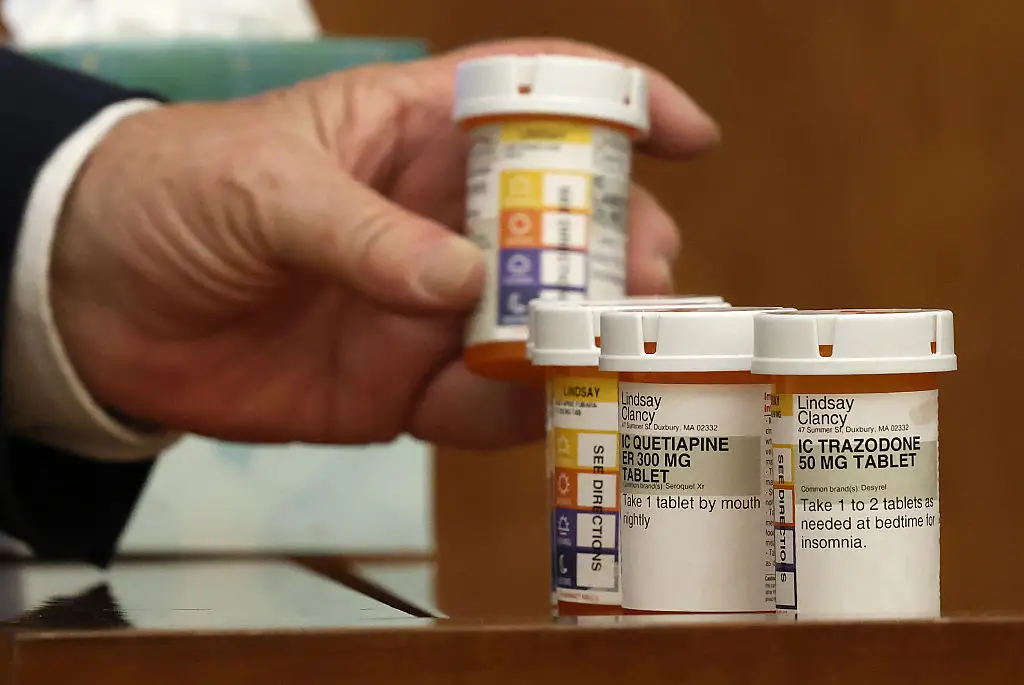
Other entries detail Clancy's struggles with suicidal ideation and medication prescribed by doctors.
It's understood that Clancy had been given various antidepressants and antipsychotic medications to combat her symptoms, as well as sleep aids, after telling doctors that she had been experiencing insomnia, anxiety and confusion over what was real.
"I'm so desperate to get a mental break from taking care of everyone that my mind is trying to find something physically wrong with me," read an entry of Clancy's dated to November 2022.
Clancy said to have suffered from postpartum psychosis at the time of children's deaths
Clancy's defence is based around the suggestion that she'd been struggling with postpartum psychosis, a serious mental illness which the NHS says impacts one in 1000 mothers after giving birth, and undiagnosed bipolar disorder.
Symptoms of postpartum psychosis include depression, confusion, hallucinations and delusions. It is classified as a serious medical emergency which puts the safety of both the mother and baby at risk.
Clancy's defence team revealed that she had sought treatment for postpartum depression in December 2022, later checking into a psychiatric hospital on New Year's Eve.
She was later discharged and referred to a psychiatrist in January 2023. Clancy's legal team added that she believed she'd heard a commanding voice telling her to kill both her children and herself during the time.
Meanwhile, prosecutors dispute the version of events put forward by Clancy's legal team, stating that she had deliberately asked her then-husband to leave the family home on the day of the children's deaths.
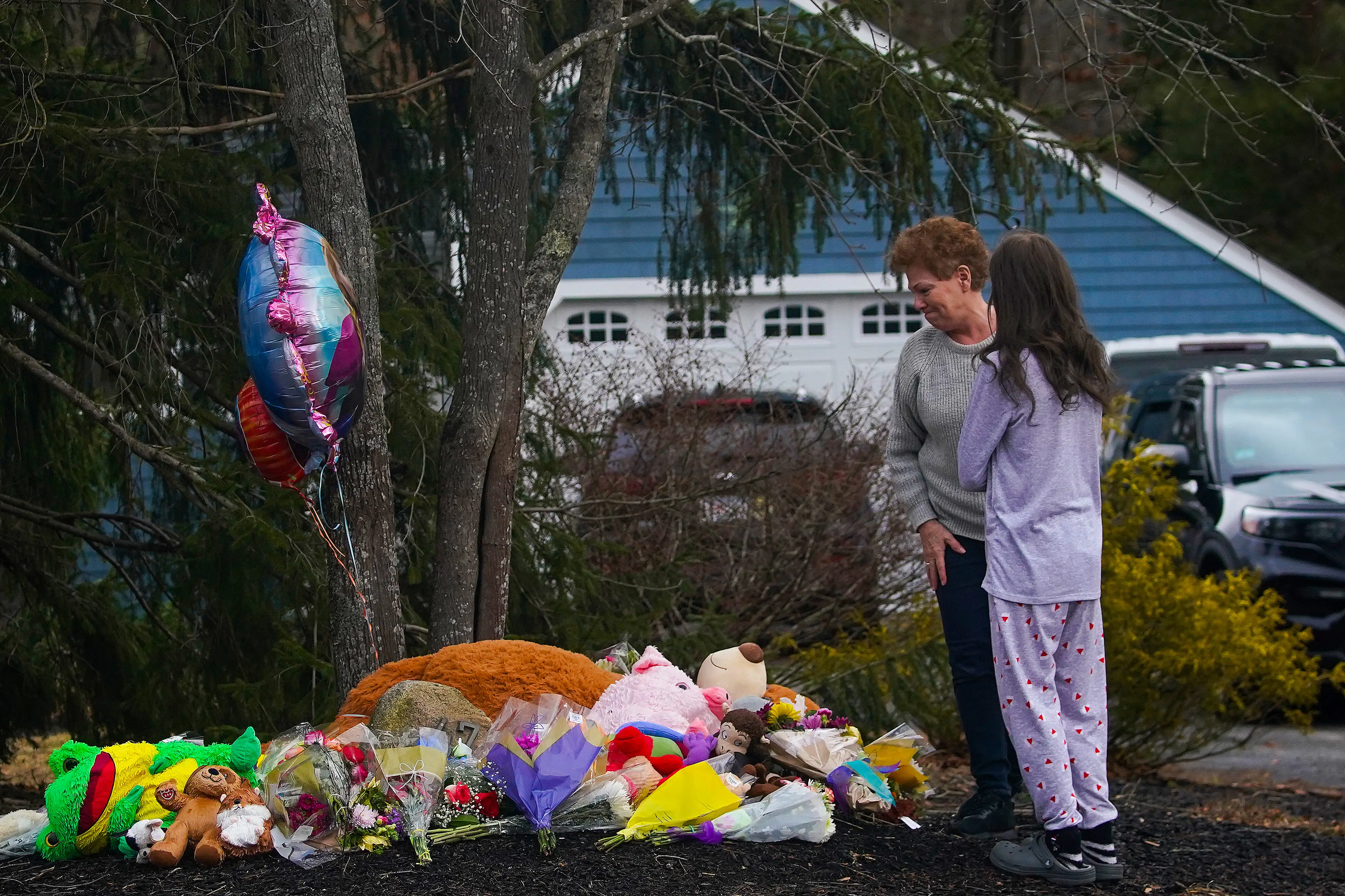
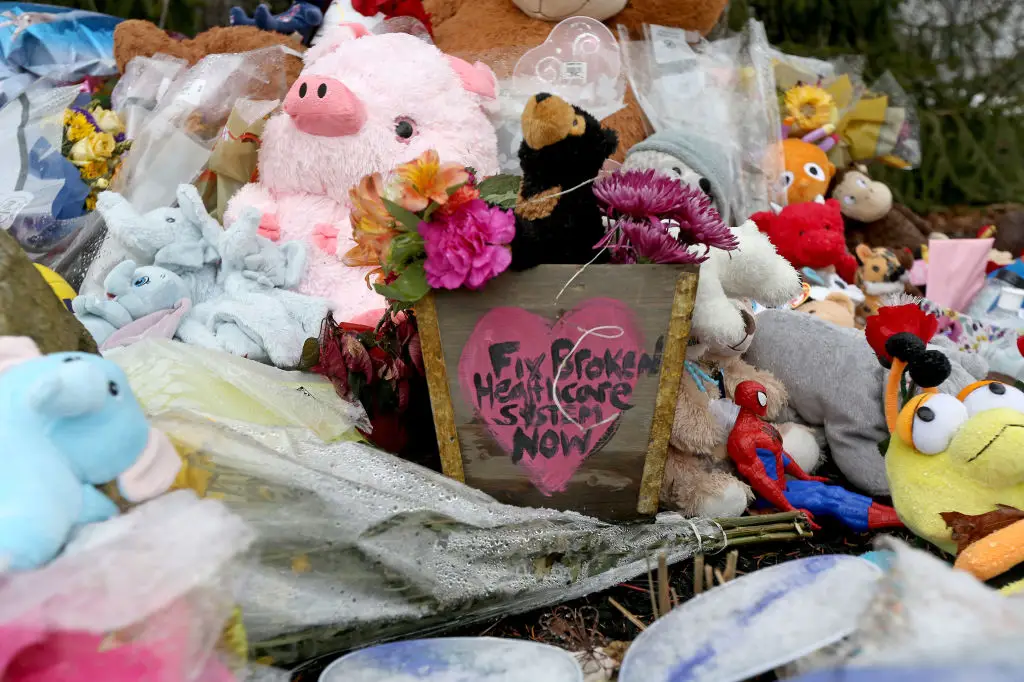
If found guilty, Clancy faces the prospect of life in prison without the possibility of parole, while a not-guilty verdict would see her commited to a psychiatric hospital.
Separately, Clancy and her ex-husband Patrick have filed lawsuits alleging that she was failed by numerous healthcare providers when attempting to seek help for her symptoms.
The providers have since denied these claims, disputing that Clancy had made her thoughts of harming the children known to them, according to PBS.
Timeline of Lindsay Clancy case
May 2022
Lindsay gives birth to her third child, Callan.
She’s open about her postpartum struggles with her other two kids on social media. Six weeks after Callan’s birth, she posts that she’s feeling ‘dialed in’ while focusing on exercise, nutrition, and mindset, and ‘it has made all the difference’.
September 2022
As the end of her maternity leave nears, Lindsay, who works as a labour and delivery nurse at Massachusetts General Hospital, starts to experience anxiety about returning to work.
She visits two different psychiatrists and receives a diagnosis of generalized anxiety disorder.
Lindsay is prescribed several different psychiatric medications.
October 2022
According to court docs, she writes in a note on her phone: “I think I sort of resent my other children because they prevent me from treating Cal like my first baby. And I know that’s not fair to them. I know that. I was feeling so depressed last evening when Cora and Dawson came home from school, I know it runs off on them, so we had a pretty rough evening, I want to feel love and connection with all my kids.”
December 2022
Lindsay undergoes an evaluation at the Women and Infants Hospital Center for Women’s Behavioral Health. She is not diagnosed with postpartum depression, prosecutors say.
Lindsay’s husband Patrick tells police she is having suicidal thoughts and thoughts of harming their children, according to his testimony in court.
1-5 January, 2023
Lindsay admits herself to McLean Hospital for psychiatric treatment. She is discharged after five days as clinicians do not believe she poses an imminent danger to herself or others, prosecutors say.
22 January, 2023
Lindsay, Patrick, Cora and Dawson have dinner at family friend Kyle Carney’s home. Kyle later tells police that Lindsay ‘seemed fairly normal’.
23 January, 2023
According to prosecutors, Lindsay pens a note on her phone which says she has ‘a touch of postpartum anxiety’ about going back to work.
24 January, 2023
Prosecutors allege the following took place this day:
Morning: Lindsay takes Cora to a scheduled pediatrician appointment. After returning home, they play in the snow with Dawson. She sends photos of the kids to Patrick and her mom.
4:02pm: Lindsay searches for ‘kids Miralax’ (a laxative) on her phone, and 11 minutes later looks up ‘take out 3v’, referring to restaurant ThreeV in Plymouth. She uses Apple Maps to calculate how long it would take to drive from the family’s home to ThreeV.
4:47pm: Lindsay rings a CVS in Kingston to ask if they have any Miralax in stock. A manager tells her they don’t, but they do have similar medications.
The manager later tells authorities that she did not slur her words or sound impaired during the call.
4:35pm: Lindsay texts Patrick, who is working from home: “Any chance you want to do takeout from 3V … I didn’t cook anything … It’s been a long day.”
Patrick says yes, and Lindsay asks him to ‘check the menu when you can’.
5:10pm: Lindsay calls ThreeV to place the order.
5:15pm: Lindsay allegedly texts Patrick: “Pedialax liquid stool softener.” He then leaves to pick up the medication.
5:33pm: When Patrick arrives at CVS, he rings Lindsay, but she doesn’t pick up. She rings back one minute later and confirms the medication.
5:54pm: Patrick gets to ThreeV, pays for the food and leaves.
6:09pm: Patrick returns home. “The first thing he noticed was the silence,” prosecutors say. “He did not see or hear the defendant or the children.”
Patrick calls for his wife but gets no response. He discovers their second-floor bedroom is locked. Patrick eventually manages to get in the room but sees blood on the floor and an open window. He runs outside and finds Lindsay lying on the ground, according to prosecutors.
6:11pm: Prosecutors say that Patrick rings 911 and Lindsay is saying: “I tried to kill myself and jumped out the window.”
He is then said to ask Lindsay: “Where are the kids?” She responds: “In the basement.”
While on the call, Patrick goes down to the basement and is heard ‘screaming in agony’,
Cora and Callan are discovered on the floor of the den. Dawson is found in his dad’s home office.
When officers arrive at the scene, Patrick alleges: “She killed the kids.”
Lindsay is taken to hospital, where she is treated for injuries that leave her paralysed below the waist. The three children are also rushed to hospital.
7:28pm: Cora and Dawson are pronounced dead. Callan is medically flown to another children’s hospital.
25 January, 2023
Police issue Lindsay an arrest warrant, charging her with two counts of murder, three counts of strangulation or suffocation, and three counts of assault and battery with a dangerous weapon.
27 January, 2023
Callan is pronounced dead at 11.18am.
According to Assistant District Attorney Jennifer Sprague, Lindsay later wakes up and uses a whiteboard to ask: “Do I need an attorney?”
6 February, 2023
While in the presence of a psychologist hired by her lawyer, Lindsay calls Patrick and tells him she had a ‘moment of psychosis’ and heard ‘a man’s voice telling her to kill the kids and kill herself’ after he left on January 24.
7 February, 2023
On the day of her arraignment, Lindsay’s attorney says that she’s still suicidal. She pleads not guilty to three counts of murder.
October 2024
Patrick asks the public to forgive Lindsay, telling The New Yorker: “I wasn’t married to a monster - I was married to someone who got sick.”
January 2026
Lindsay and Patrick file a civil lawsuit, accusing medical providers of not properly diagnosing, treating and monitoring her for a ‘severe postpartum psychiatric condition’.
9 July, 2026
The Plymouth County District Attorney's Office says the three counts of strangulation would be subsumed into the murder charges.
27 July, 2026
Lindsay’s murder trial begins.
Topics: Crime, US News, Lindsay Clancy
 Brenna Cooper