
Man diagnosed with ADHD at 38 explains why people with the condition struggle to sleep

A dad who was diagnosed with ADHD later on in life has explained why sufferers tend to struggle with sleep.
Thomas Kossak explained he used to be plagued by 'confusion' about why he operates the way he does, until a doctor finally confirmed his suspicions at the age of 38.
In the hopes of helping others who might be in the same boat, he has now become a 'mental health educator' who shares advice about the condition online.
"After diagnosis... it’s awareness - but also grief, relief, and rebuilding," Thomas said of how his ADHD diagnosis impacted him in an Instagram post last month.
Advert
"You start seeing why things were the way they were. But that doesn’t make life instantly easier, it just makes it clearer."
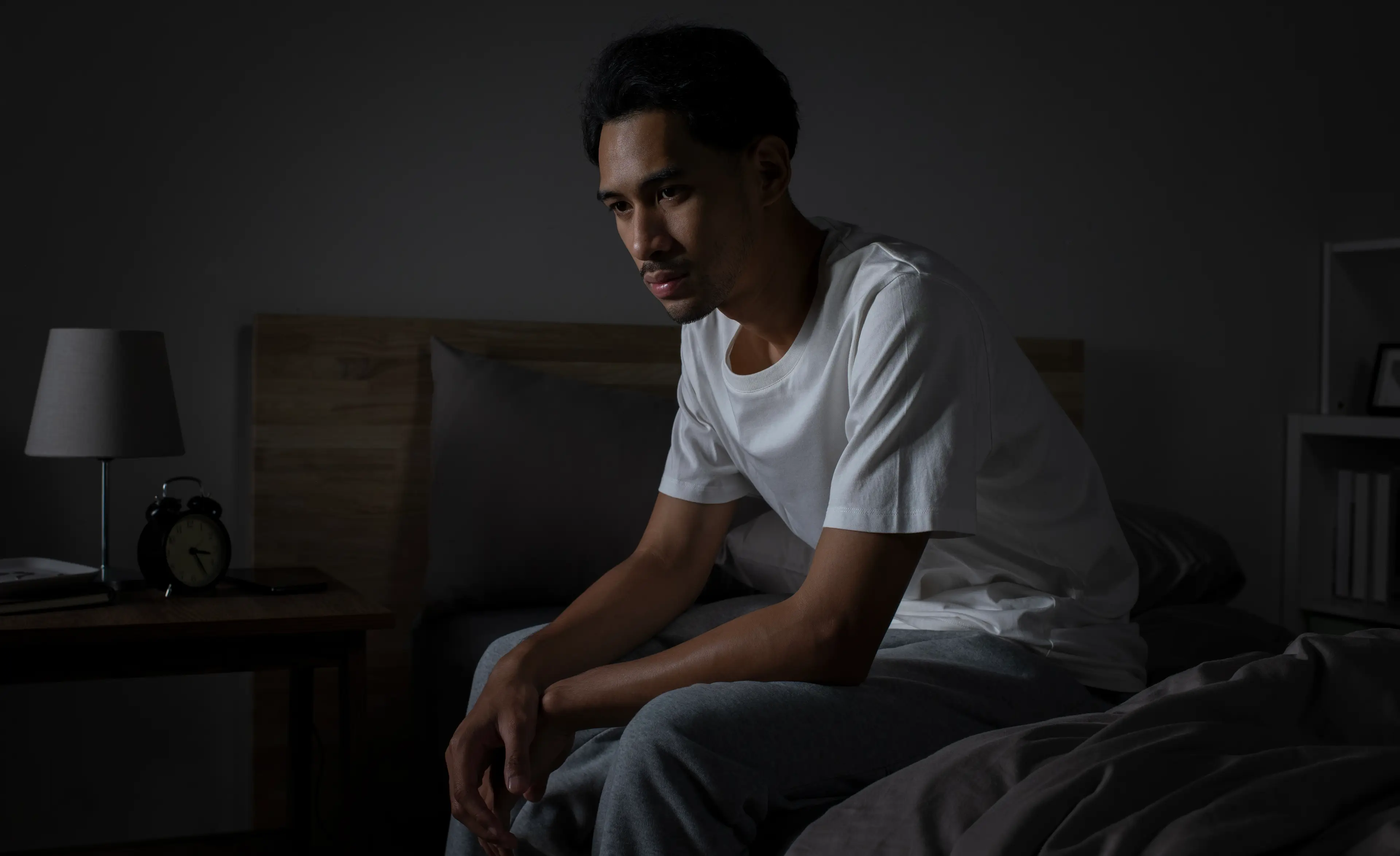
For those who don't know, it can be very difficult to actually get diagnosed with ADHD by a medical professional, as the NHS explains that patients can be 'waiting several months or years' to be assessed.
This leaves a lot of people to go through life without being equipped with the tools to manage the neurodevelopmental condition, which is officially known as attention deficit hyperactivity disorder.
Symptoms include struggling to concentrate and sit still, having high energy levels and lacking the ability to control your impulses.
And unfortunately for ADHD sufferers, whose brains work differently from most people, it can impact various other areas of their life too; including their relationships, careers and even their sleep.
According to Thomas, a lot of people like himself feel as though nodding off is 'impossible' when they climb into bed after a long, hard day - no matter how knackered they may be.
So he decided to compile a list which explains exactly why the condition disrupts a person's natural sleep cycle, while dually reassuring people that they are 'not alone' in their struggle.
"ADHD affects the sleep cycle on every level - dopamine, cortisol, circadian rhythm, emotional regulation, and even the ability to shut your brain down at night," he explained in a post shared last week.
"It’s not bad habits. It’s not lack of discipline. It’s neurology. Understanding the ADHD sleep cycle is the first step toward breaking the guilt and the 'why am I like this?' spiral.
"Your brain wasn’t designed to fall asleep like everyone else and there’s nothing wrong with you for struggling."

The author began by explaining that ADHD sufferers tend to have a 'delayed sleep phase', as their 'internal clock runs late'.
He said: "Your brain naturally wants to sleep later and wake up later. It's not laziness, it's ADHD circadian rhythm.
"Most people slow down at night. ADHD brains speed up. Thoughts race. Ideas explode. Emotions replay. Your mind becomes loud exactly when it should be quiet."
On top of this, as people with ADHD often experience cortisol spikes at night, whereas it drops for neurotypical folks, Thomas says they often feel 'wired, alert and restless'.
Even getting ready for bed can be a big challenge for people with the condition, as Thomas explained that as they typically have less dopamine, mundane tasks such as brushing their teeth are 'painful'.
"So, the ADHD brain stalls... and bedtime drifts further and further away," he said, which neatly moves onto his next point.
"Your day feels chaotic," Thomas continued. "Night finally feels peaceful. So your brain chooses 'I need this time' and sacrifices sleep for emotional recovery."
He explained that the lack of dopamine also causes ADHD sufferers to seek it from their gadgets - so they're often up until the early hours scrolling endlessly.
"If something catches your attention before bed... you won't stop. Time disappears. Your brain enters 'just one more minute' mode," Thomas said. "This destroys your sleep cycle."
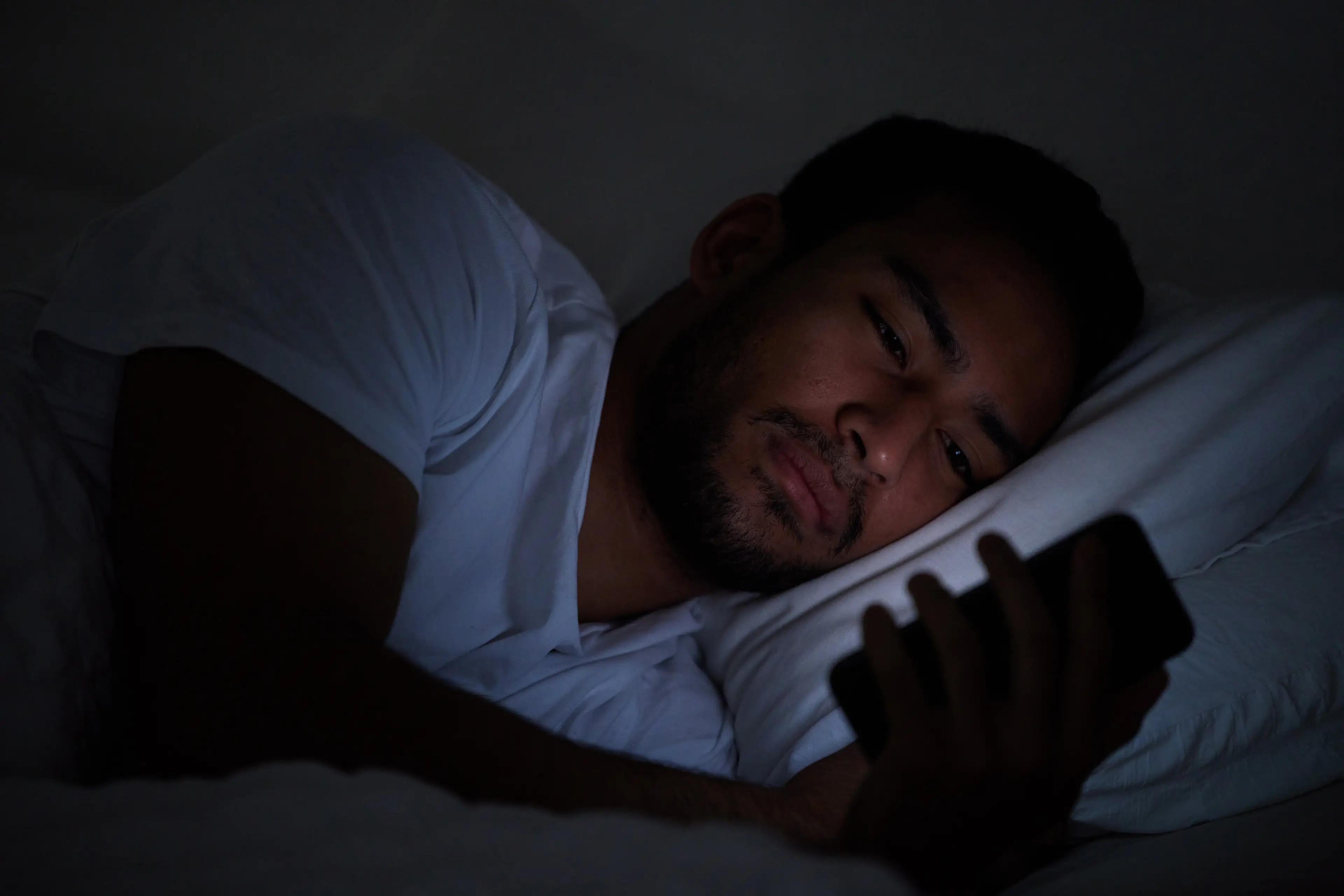
Speaking of cycles, he then added: "ADHD makes good sleep hard. Bad sleep makes ADHD symptoms worse. Worse symptoms make sleep even harder. And the cycle repeats.
"Your sleep struggles aren't your fault. They're neurological. They're real. And they're common in ADHD."
Social media users flooded the comment section with praise for Thomas, as a host of people said he had got their sleep struggles spot on, while others said it gave them a better understanding of how to help their nearest and dearest who have ADHD.
One person said: "This is actually really helpful in understanding my daughter's struggles with sleep. Thank you."
Another wrote: "Reading this at 2am and always wondering why I am up so late. This makes sense."
According to the Sleep Foundation, up to 50 percent of people with ADHD experience sleep problems - including insomnia, frequent awakenings, delayed bedtimes - and are at a higher risk of developing sleep disorders.
Finding it difficult to fall or stay asleep is one of the most common issues people encounter - and experts say the best course of action is holding down a 'consistent bedtime routine and healthy sleep hygiene practices'.
Cutting out sugar, caffeine and alcohol before going to bed, avoiding screens and stimulation, as well as making your bedroom a 'stress-free zone' can also help, the Sleep Foundation says.
Topics: Sleep, Health, Mental Health, ADHD
 Olivia Burke