Doctor explains why bowel cancer is on the rise in young people as James Van Der Beek dies aged 48

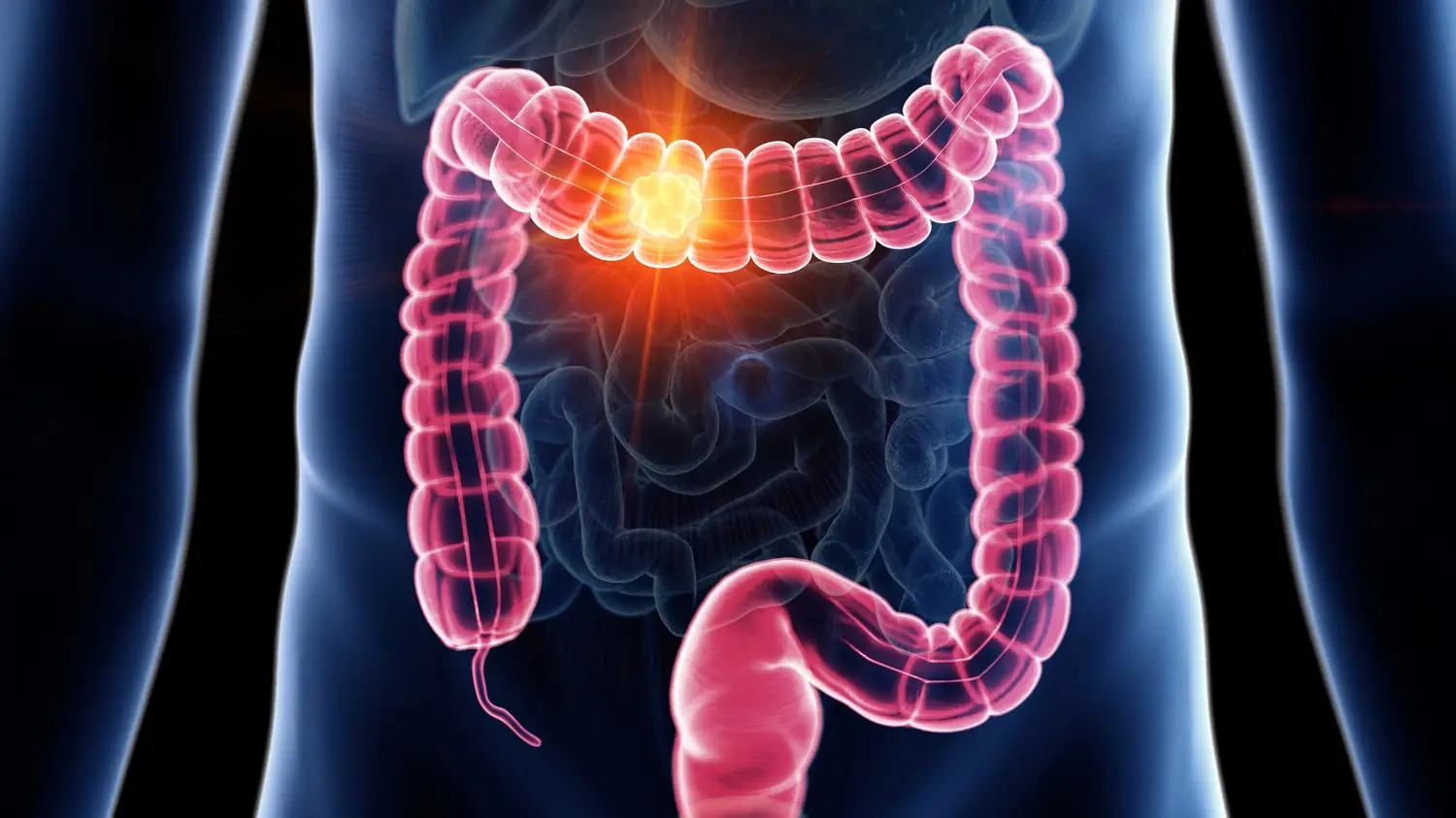
The boom in bowel cancer cases is continuing, and the death of James Van Der Beek has reminded us all how prominent this form of the disease is.
The Dawson's Creek actor passed away earlier this week at the age of 48, with his family saying that he 'met his final days with courage, faith, and grace' in a poignant post.
A GoFundMe set up to help financially support his wife, Kimberly, and their six children has now surpassed $2.5 million in donations.
Van Der Beek's famous pals, such as Katie Holmes, have paid tribute to the actor, who discovered he had bowel cancer after undergoing a colonoscopy in 2023.
Advert
Despite being in 'amazing shape' and leading a 'healthy' lifestyle, he experienced 'a change in bowel habits' and thought it might be down to his diet.
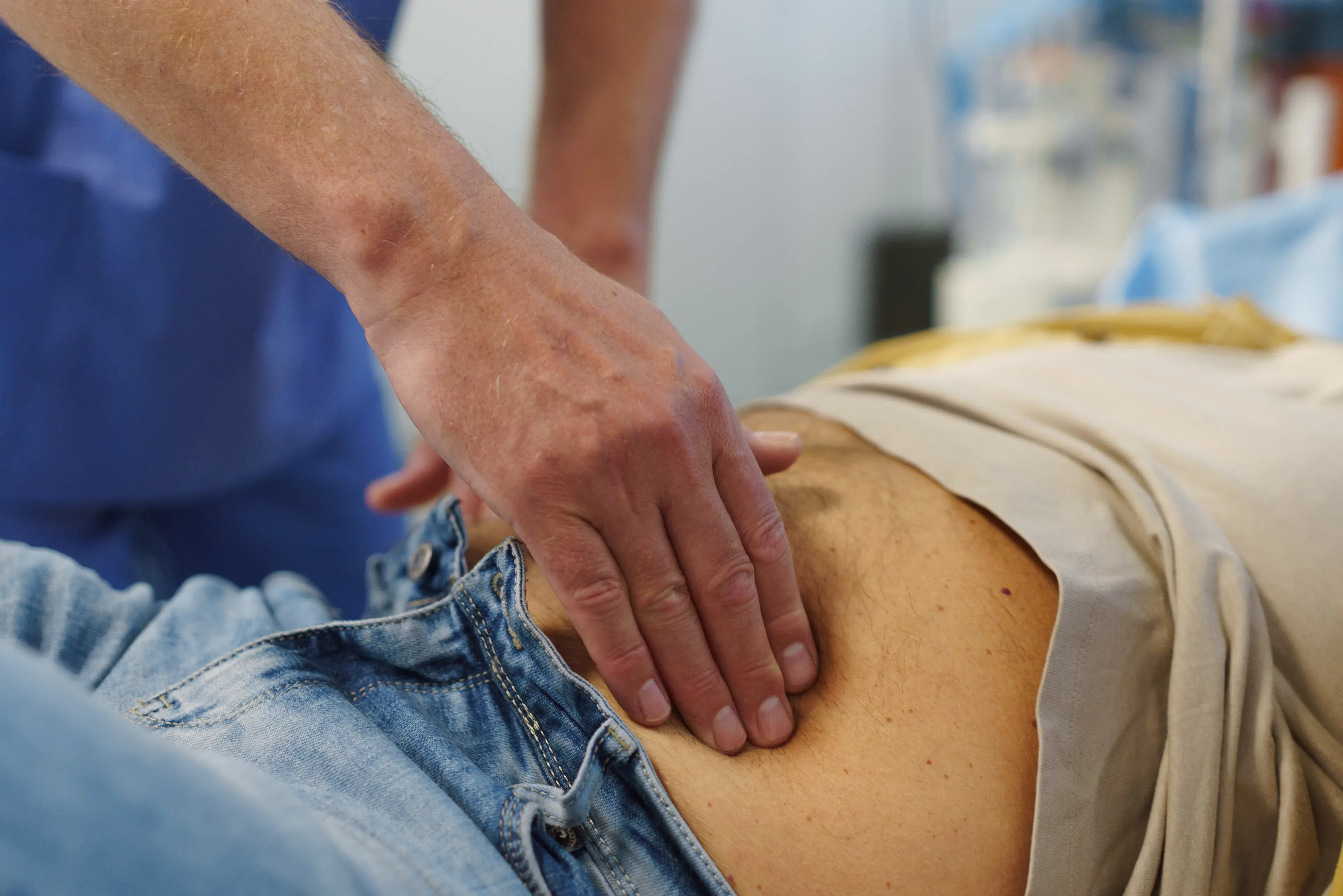
Other symptoms of bowel cancer include blood in your stools, pain in the abdomen, unexplained weight loss, extreme fatigue and unusual lumps in your stomach or rectum.
Van Der Beek announced the tragic news that he had stage three colorectal cancer in November 2024. This means the disease has spread to nearby lymph nodes but not to distant body parts.
Time is of the essence when it comes to this form of cancer; getting treatment as soon as possible drastically increases your chances of survival.
But according to Dr Jamie Murphy, a consultant colorectal surgeon, a lot of people don't visit their doctor soon enough due to 'embarrassment' and 'not wanting to make a fuss'.
"Nine out of ten cancers can be successfully treated if they are caught in the early stages before they have spread," he notes on his website. "Rapid detection of bowel cancer really does save lives."
People of all ages need to be aware of the warning signs of it, as the number of people in the younger generation being diagnosed with bowel cancer is 'on the rise', Dr Murphy says.
The surgeon explained that 'experts are unsure of the exact reasons for the increase', although they do have some ideas about what might be causing this spike.
Dr Murphy reckons the increasing number of people living with obesity is 'one of the most likely reasons' for it, as it can lead to 'chronic inflammation, insulin resistance, and changes in gut bacteria, all of which can contribute to the development of cancer'.
Another aspect that could contribute to the rise is the food we eat, as an unhealthy diet can also lead to 'increased inflammation and changes in the digestive tract', which raises the risk of developing cancer.
Dr Murphy said: "Diets high in processed foods, red meat, and low in fibre are also suspected to play a role."
Being a couch potato might also play a part, as a lack of physical activity - which is known as leading a sedentary lifestyle - can make you more prone to the disease.
On the other hand, 'regular exercise is known to reduce the risk of colorectal cancer by promoting healthy digestion and reducing inflammation'...so get moving, lads.
Dr Murphy also explained that 'exposure to environmental toxins and pollutants' is another potential cause for the increasing number of bowel cancer cases.
"Certain chemicals and pollutants can disrupt hormonal balance and damage cellular DNA, potentially leading to cancer development," he said.
"Increased exposure to these toxins through food, water, and air could be a significant risk factor."
Despite the fact that these aren't definitive causes of bowel cancer, following Dr Murphy's advice can help you ensure you are minimising the risk of contracting bowel cancer in the future.
Topics: Bowel cancer, Cancer, Health, Lifestyle
 Olivia Burke