
America on verge of 'sextinction' as survey gives worrying reasons

America is apparently on the verge of a ‘sextinction’ after a study revealed just how much sex people are(n’t) having and other factors contributing to it.
The General Social Survey has made some shocking finds in relation to how many people have had sex within the last year.
The study focuses on the way society is changing, particularly when it comes to social media content.
It revealed that one in three men and one in five women have not had sex in the past year, and it could be down to new standards.
Advert
Factors of this are allegedly down to numerous things, like testosterone declining, influencers, porn, and the rise of AI.
“The idealization of impossibly high standards has coaxed men into believing that social media influencers with millions of followers may one day show interest in them. It has persuaded women to give the time of day only to men who are over six feet tall and astronomically wealthy,” sex neuroscientist Dr Debra Soh wrote in Sextinction: The Decline of Sex and the Future of Intimacy.
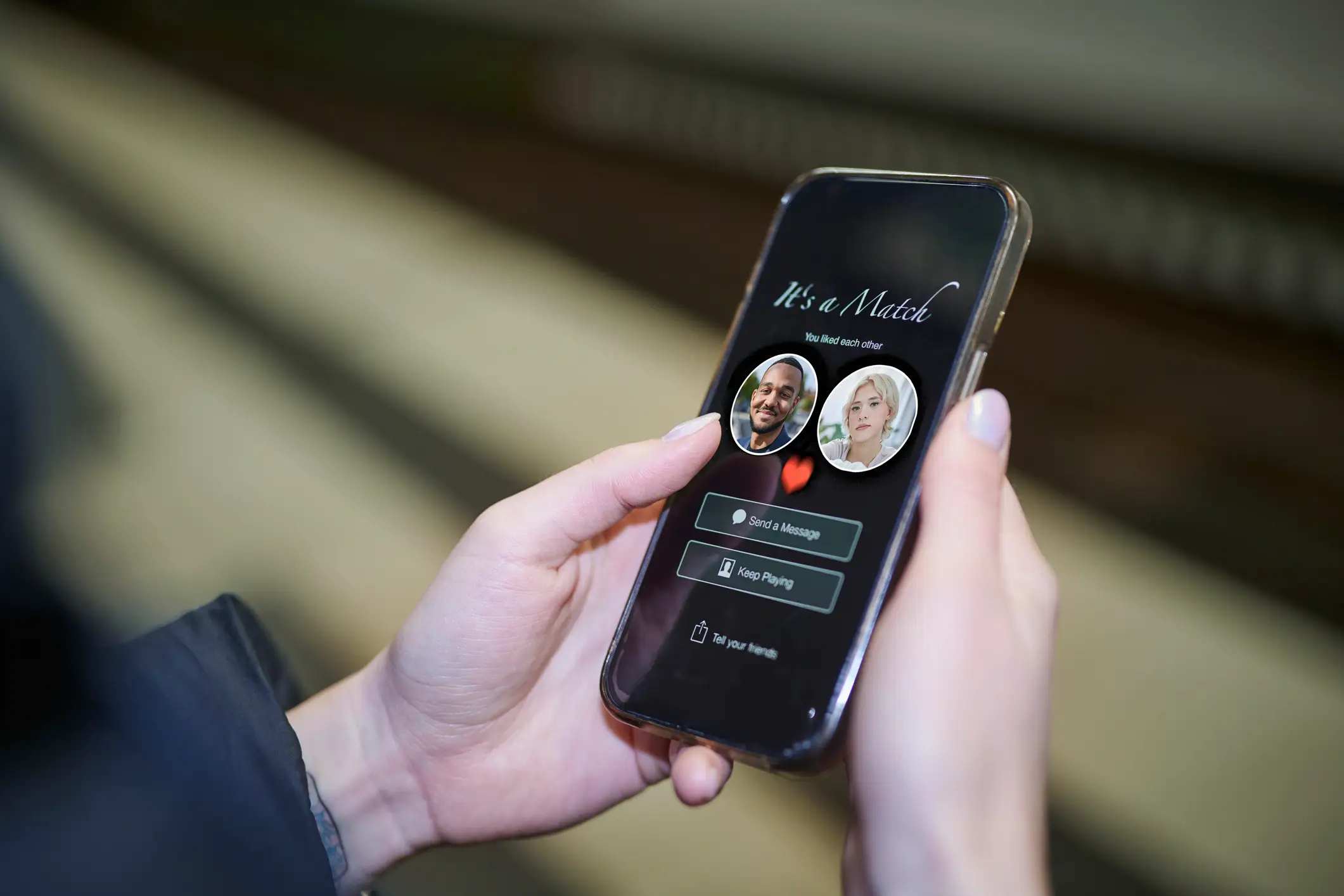
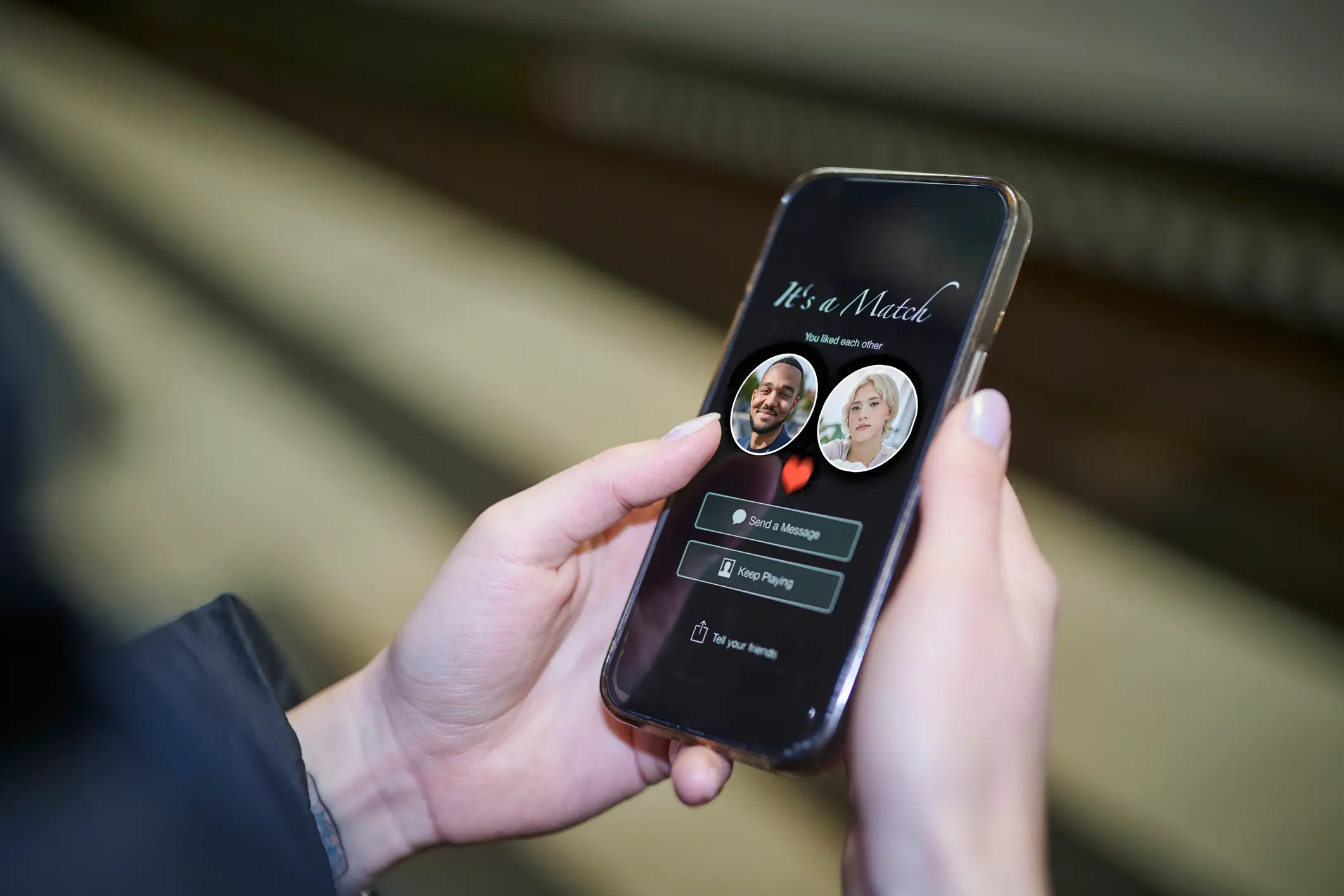
As for how people now date via swiping on apps, she calls this a ‘mismatch between our ancestry history and our tech-saturated environment [that is overwhelming] our evolutionary sensibilities’ that now the ‘”survival of the fittest” is now on steroids and sidelining even the best of us.”
She went on to tell The Post that with things like porn, it’s ‘really warping their sexuality, unfortunately’, and said this is more so true for the younger generation.
As technology becomes more of a primary factor in finding love, Soh told The Post it’s replacing the need for intimacy as you can tailor your own partner.
“Your AI partner can look exactly how you want them to look,” Soh said. “You can fine-tune their voice. You tell them how you want them to respond, and if they respond in a way you don’t like, you can tell them to redo it.”
“At the end of the day, most of us yearn for the same thing: to be understood and appreciated,” she said. “The more we try to deny this or displace it with glittering distractions, the worse it will backfire. Repercussions built into our biology will haunt us tenfold.”
Speaking of biology, the expert went on to share that environmental ‘toxins are affecting us’, which can be seen in animals.
She said if animals are impacted, humans also must feel the changes too.
She used a Kyushu University, Environment International and Aquatic Toxicology study as an example which found wild fish exposed to human anti-anxiety drugs, birth control pills and antidepressants in water have been ‘feminised’ and changed their mating habits.
There has also been studies which saw that consuming soy could do the same in human men, which Soh says can ‘lower sperm count’.
However, more research needs to be done when it comes to understanding the impact on sex.
Debby Herbenick, a professor of sexual and reproductive health at the School of Public Health who co-led the sex study, said: “The decreases are not easily explained by a single shift, such as health status, technology, access to pornography or stress.
“There are likely multiple reasons for these changes in sexual expression, and we need more research to understand how these changes may be related to changes in relationships, happiness and overall well-being.”
Topics: Science, Sex and Relationships, US News, Social Media, AI
 Britt Jones